
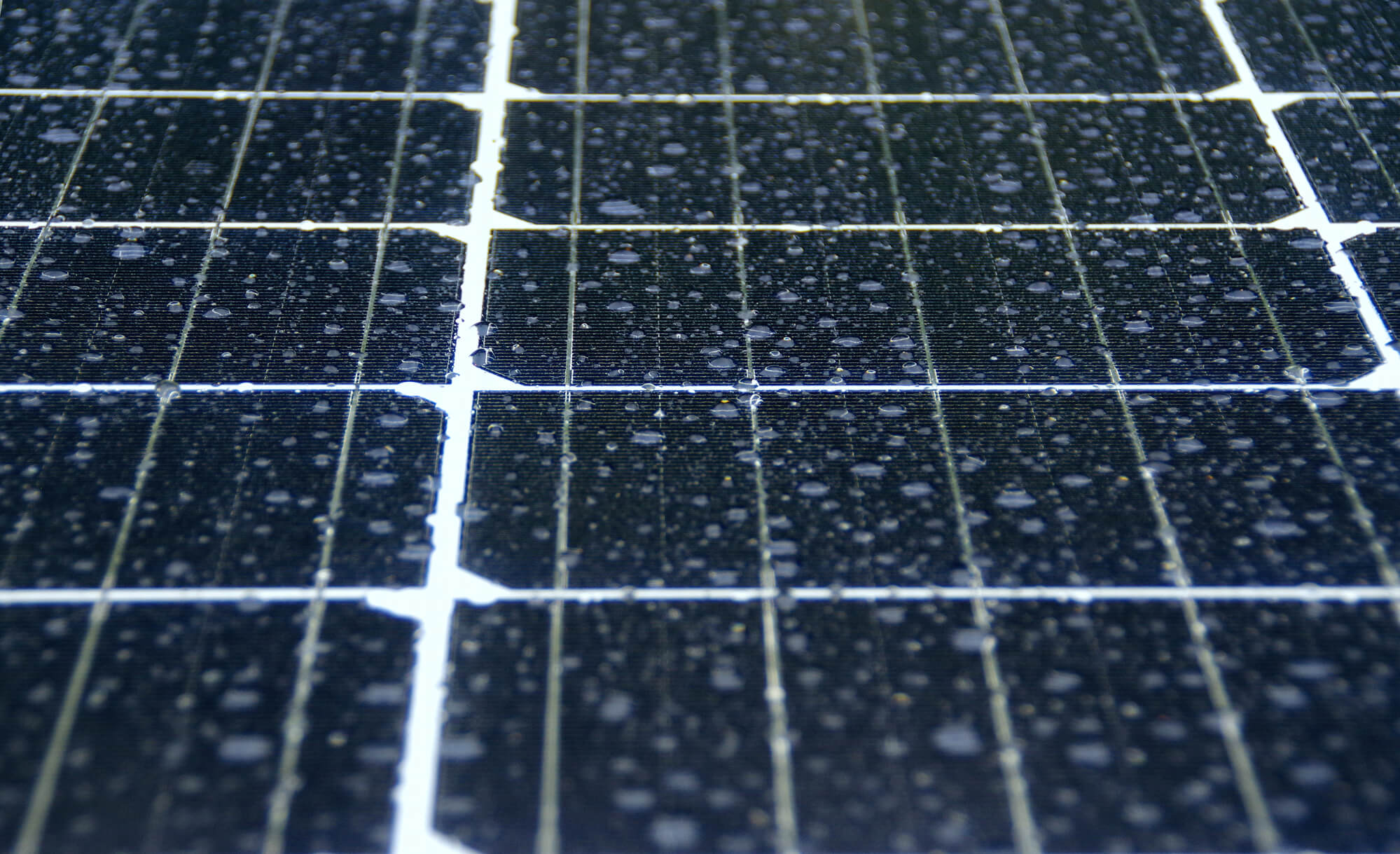
Weather significantly affects daily solar production, though modern panels are engineered to handle a wide range of conditions without damage. Temperature, cloud cover, rain, and snow all influence output, though panels continue producing some power in nearly all weather except heavy snow cover.
Weather Effects on Solar Panels
| Weather Condition | Effect on Output |
|---|---|
| High heat | Reduces output via temperature coefficient |
| Cloud cover | Reduces output 10-50% depending on density |
| Rain | Minor reduction, helps clean panels |
| Snow cover | Can reduce output to near zero until cleared/melted |
| Cold temperatures | Can actually improve panel efficiency |
Temperature Effects
Counterintuitively, cold temperatures improve panel efficiency (within reason), while excessive heat reduces output — the temperature coefficient means panels perform best on cold, sunny days rather than hot ones.
Cloud Cover Impact
Light cloud cover reduces output modestly, while dense cloud cover can cut production by 50% or more — though panels continue generating some power even under overcast skies.
Rain and Snow
Rain has minimal negative impact and actually helps clean panels of dust and debris — snow accumulation, however, can block sunlight almost entirely until it melts or is cleared.
Extreme Weather Durability
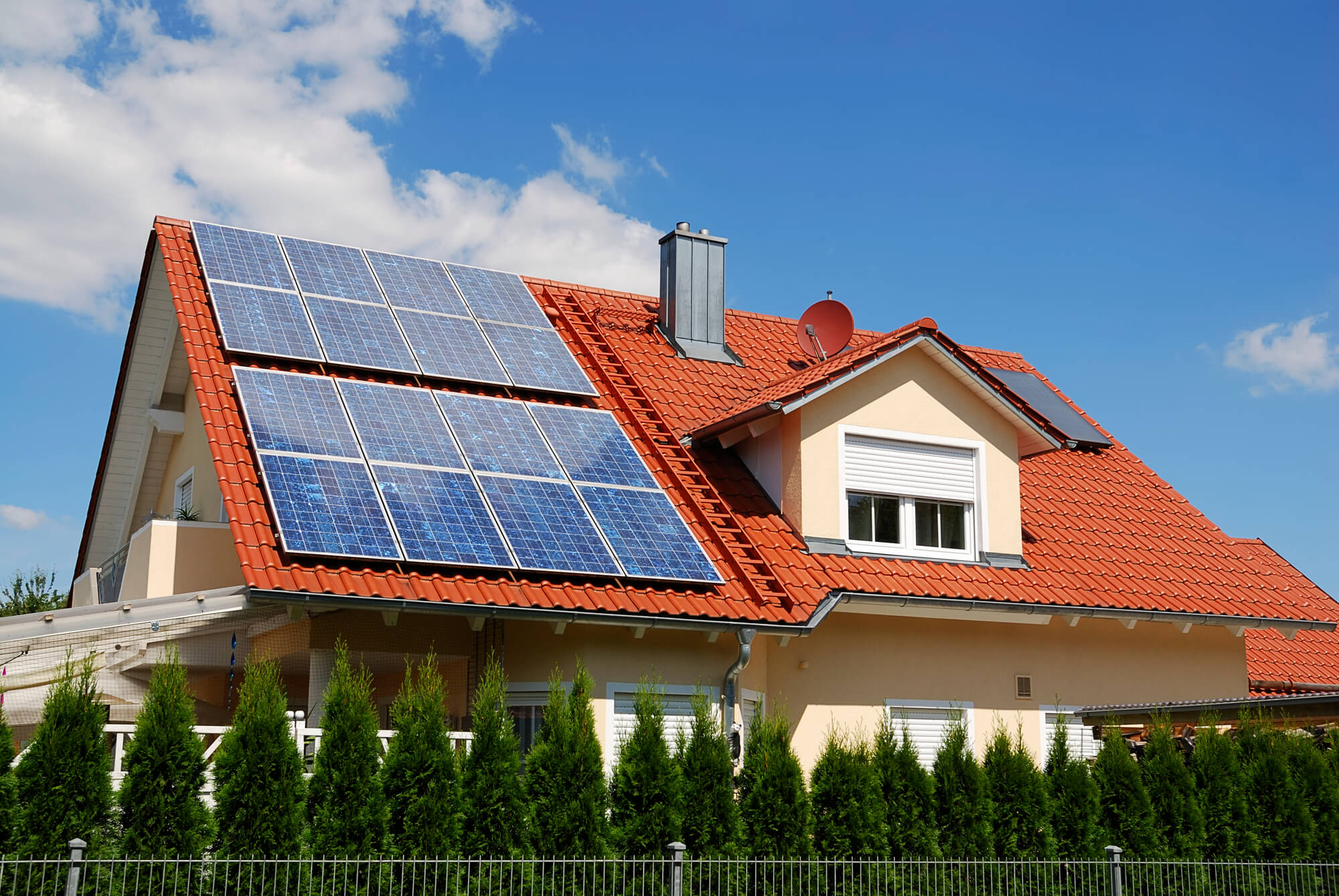
Panels are engineered to withstand hail, high winds, and temperature extremes within their certification ratings — properly installed systems handle severe weather reliably.
Questions about solar performance in your climate? Call (855) 427-0058
Frequently Asked Questions
Do solar panels work on cloudy days?
Yes, though at reduced output compared to direct sunlight.
Does cold weather hurt solar panel performance?
No — cold temperatures actually improve panel efficiency.
Does rain damage solar panels?
No — rain has minimal negative impact and helps clean panels.
How much does snow reduce solar output?
Snow can reduce output to near zero until it melts or is cleared.
Can solar panels survive hail and high winds?
Yes — panels are engineered and certified to withstand these conditions.
Why does heat reduce solar panel efficiency?
Higher cell temperatures reduce the panel’s electrical output per the temperature coefficient.
Should I worry about weather damaging my solar investment?
Properly installed panels are engineered for reliability across normal weather ranges.
Summing Up
Weather affects daily solar output, but panels remain durable and productive across most conditions. For climate-specific performance questions, call (855) 427-0058 or visit us.solarpanelsnetwork.com.
Updated