
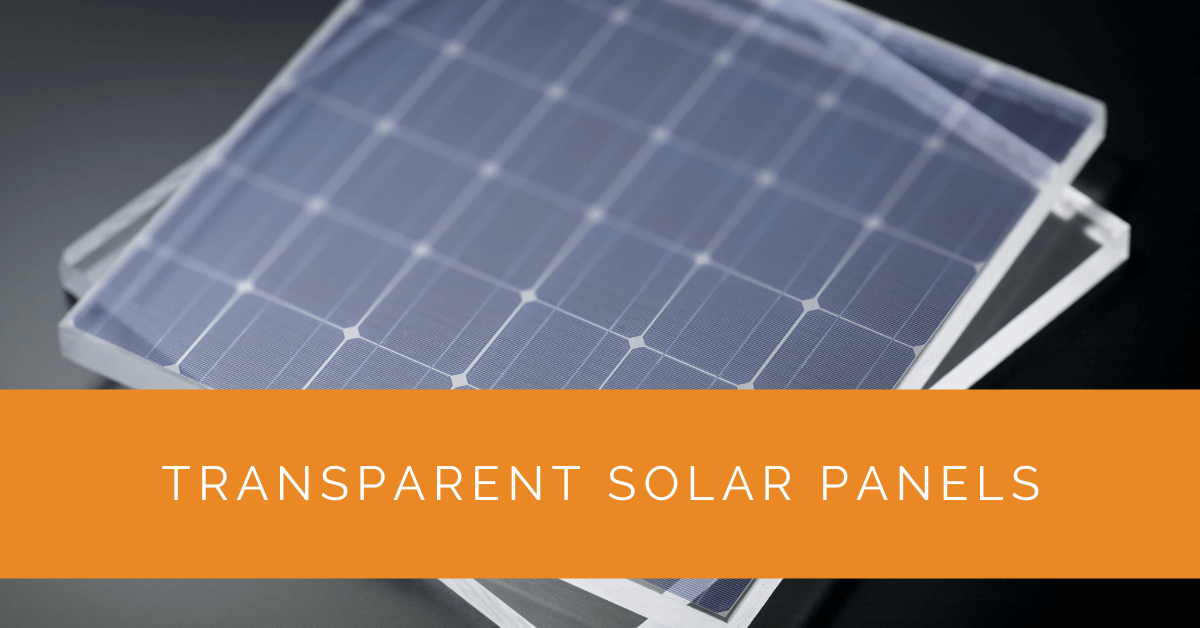
Transparent solar panels promise to turn windows and glass surfaces into power generators, but current technology involves real efficiency tradeoffs compared to opaque panels. Transparent solar technology (luminescent solar concentrators and thin-film) currently achieves lower efficiency than standard panels, limiting practical applications.
Transparent Solar Technology Types
| Technology | Transparency | Typical Efficiency |
|---|---|---|
| Luminescent Solar Concentrators (LSC) | High — near-invisible | 1-5% |
| Thin-film semi-transparent | Moderate — visibly tinted | 5-10% |
| Standard opaque silicon (comparison) | None | 20-24%+ |
How Transparent Solar Works
Luminescent solar concentrators absorb UV and infrared light (invisible to human eyes) while letting visible light pass through, generating power without significantly darkening the glass — but at much lower efficiency than opaque cells.
The Efficiency Tradeoff
Transparent solar technology sacrifices efficiency for transparency — current LSC technology achieves only 1-5% efficiency versus 20-24%+ for standard opaque panels, a significant gap that limits large-scale power generation potential.

Practical Applications Today
Transparent solar makes most sense for building-integrated photovoltaics (BIPV) in skyscraper windows, greenhouse glazing, or vehicle sunroofs — supplemental power generation rather than a home’s primary energy source.
Realistic Expectations for Homeowners
Transparent solar windows aren’t yet a practical replacement for rooftop solar — standard opaque panels remain far more cost-effective for meaningful home energy production in 2026.
Get a quote with today’s proven, efficient panels: (855) 427-0058
Frequently Asked Questions
What are transparent solar panels?
Glass that generates power while remaining see-through, using LSC or thin-film technology.
How efficient are transparent solar panels?
Currently 1-10%, well below standard opaque panels’ 20-24%+ efficiency.
Can I use transparent solar panels for my home windows?
Technically possible but not practical yet given efficiency limitations.
What is BIPV?
Building-integrated photovoltaics — solar technology built directly into building materials.
Where is transparent solar used today?
Mainly in skyscraper windows, greenhouse glazing, and experimental applications.
Will transparent solar efficiency improve?
Research continues, but significant gains to match opaque panels remain uncertain.
Should I wait for transparent solar instead of installing panels now?
Not recommended — standard panels remain far more cost-effective today.
Summing Up
Transparent solar remains an interesting emerging technology, not yet practical for most home use. For proven solar solutions today, call (855) 427-0058 or visit us.solarpanelsnetwork.com.
Updated