
Solar panel fires make headlines, but they’re extremely rare relative to the number of systems installed. Studies estimate the fire rate at roughly 1 in every 10,000 installed systems, and the vast majority of incidents trace back to poor installation, faulty equipment, or DC wiring issues — not the panels themselves.
How Often Do Solar Panels Actually Cause Fires?
Independent studies, including research from Underwriters Laboratories (UL) and various fire safety organizations, put the fire incidence rate for solar installations at roughly 1 in 10,000 systems — comparable to or lower than many other electrical home systems. The rate has also declined over time as equipment standards and installation practices have improved.
What Actually Causes Solar Fires
Panels themselves are rarely the direct cause. The most common culprits are: DC arc faults (a DC electrical arc at a loose or damaged connection generates intense heat), faulty or aging inverters, improper installation (poor connections, damaged wiring, incorrect grounding), and rodent damage to wiring insulation over time.
| Cause | Why It Happens | Prevention |
|---|---|---|
| DC arc faults | Loose/damaged connections create high-heat arcing | Arc-fault circuit interrupters (AFCI), NEC 690.11 compliance |
| Inverter failure | Aging or defective inverter components overheat | Quality equipment, regular monitoring, timely replacement |
| Poor installation | Improper wiring, connections, or grounding | NABCEP-certified installer, code-compliant work |
| Rodent/pest damage | Chewed wiring insulation causes shorts | Critter guards, periodic inspection |
Rapid Shutdown: A Key Safety Requirement
Since 2017, the National Electrical Code (NEC 690.12) has required rapid shutdown systems on grid-tied solar installations, which de-energize panel-level DC wiring within seconds of activation — critical for firefighter safety when responding to a fire at a home with solar panels, and a major safety improvement over older systems.
How to Minimize Fire Risk
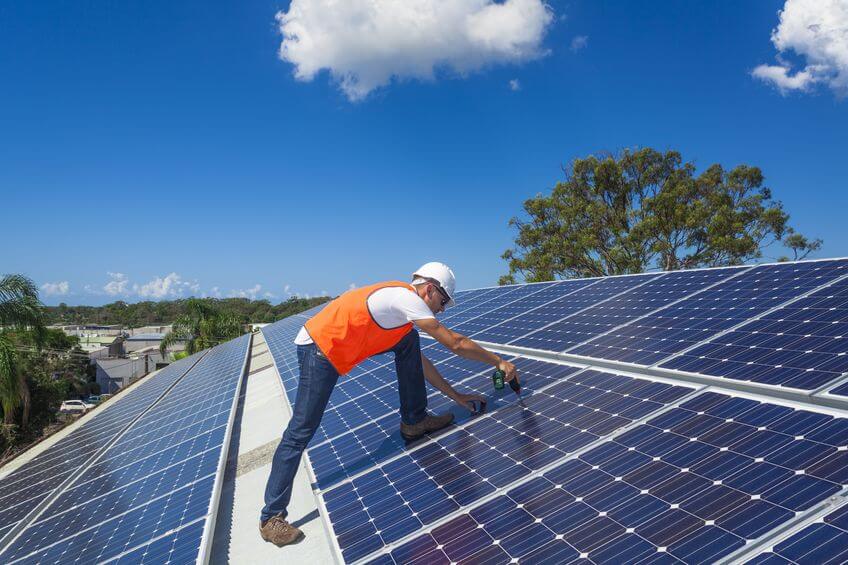
Use a properly licensed, NABCEP-certified installer rather than the cheapest bid, ensure your system meets current NEC code (including rapid shutdown), have your system professionally inspected every few years, and address any signs of underperformance or unusual warmth promptly rather than ignoring them.
Battery Fire Risk Is a Separate Consideration
Home battery systems carry their own, generally low, fire risk profile that depends heavily on chemistry — LFP (lithium iron phosphate) batteries, now standard in most home systems, are significantly more thermally stable than older NMC chemistry, which further reduces overall system risk.
Work with a properly vetted, licensed installer. Get a free quote: (855) 427-0058
Frequently Asked Questions
How common are solar panel fires?
Solar fires are rare, estimated at roughly 1 in 10,000 installed systems, and the rate has declined as equipment and installation standards have improved.
What actually causes most solar-related fires?
Most are caused by DC arc faults, faulty or aging inverters, improper installation, or rodent damage to wiring – not the panels themselves.
What is rapid shutdown and why does it matter for fire safety?
Rapid shutdown (required under NEC 690.12) de-energizes panel-level DC wiring within seconds, protecting firefighters responding to a home fire.
Are lithium batteries paired with solar a fire risk?
Modern LFP (lithium iron phosphate) batteries, now standard in home systems, are significantly more thermally stable than older NMC chemistry, keeping fire risk low.
How can I reduce the fire risk of my solar system?
Use a licensed, NABCEP-certified installer, ensure NEC code compliance including rapid shutdown, and get periodic professional inspections.
Does a poorly installed solar system increase fire risk?
Yes – improper wiring, connections, or grounding from a low-quality installation is one of the leading causes of solar-related fires.
Should I be worried about fire risk when considering solar?
Fire risk is low when systems are installed to code by a qualified installer and properly maintained – it shouldn’t be a primary deterrent to going solar.
Summing Up
Solar panel fires are rare, and the risk that does exist is almost always tied to installation quality and equipment, not the panels themselves – which is why choosing a properly licensed, code-compliant installer matters. To get connected with vetted installers, call (855) 427-0058 or visit us.solarpanelsnetwork.com for a free quote.
Updated