
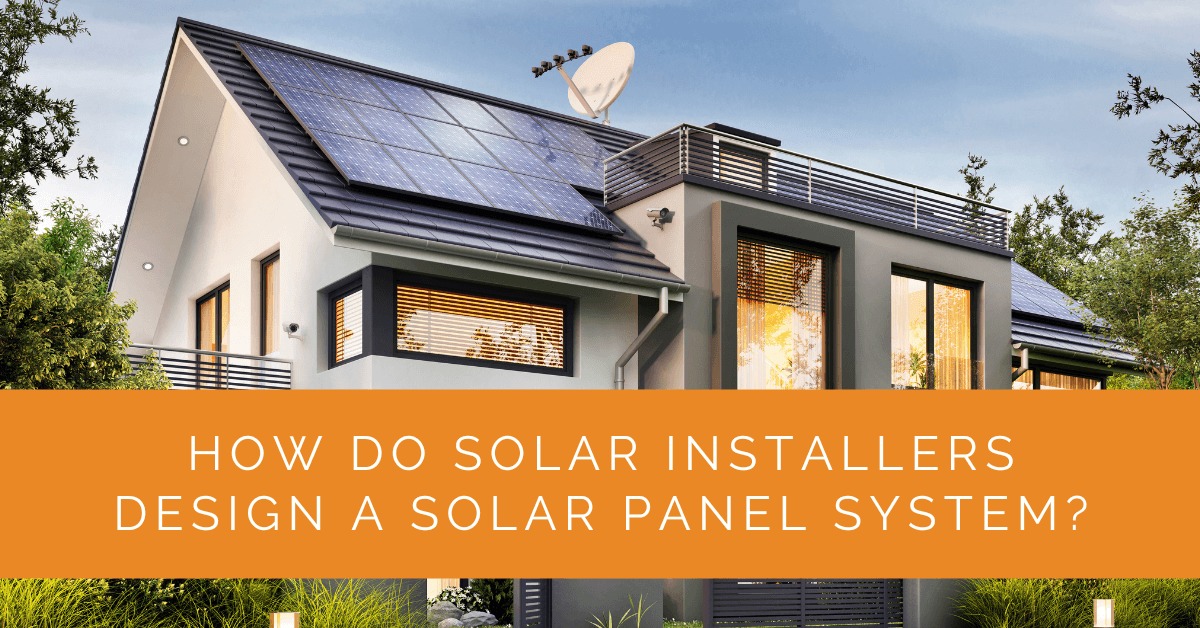
Designing a solar system is more than counting panels — installers go through a structured process using energy analysis, satellite/site data, and specialized software to produce a system sized correctly for your home. Understanding this process helps you evaluate whether a quote was actually engineered for your home or just estimated.
Step 1: Energy Usage Analysis
Installers start by reviewing 12 months of utility bills to understand your actual annual usage pattern (kWh), including seasonal variation — this is the foundation for sizing a system that offsets a meaningful share of your consumption rather than guessing based on home size alone.
Step 2: Roof and Site Assessment
This includes satellite imagery or an on-site visit to measure usable roof area, orientation, and pitch, shading analysis (trees, chimneys, neighboring structures) using tools that model sun position throughout the year, and structural assessment to confirm the roof can support the array’s weight.
| Design Step | What It Determines | Common Tools |
|---|---|---|
| Energy usage analysis | Target system size (kW) | 12 months of utility bills |
| Roof/site assessment | Usable area, orientation, shading | Satellite imagery, on-site visit, Aurora/Helioscope |
| System modeling | Expected annual production (kWh) | PVWatts, Aurora Solar, Helioscope |
| Equipment selection | Panel/inverter models, string layout | Manufacturer datasheets, design software |
| Permit drawings | Code-compliant final plans | SolarAPP+, AutoCAD/design software exports |
Step 3: Production Modeling
Software like PVWatts (a free NREL tool) or professional platforms like Aurora Solar and Helioscope model expected annual production based on your specific roof geometry, shading, and local weather data — giving a realistic production estimate rather than a rough rule-of-thumb calculation.
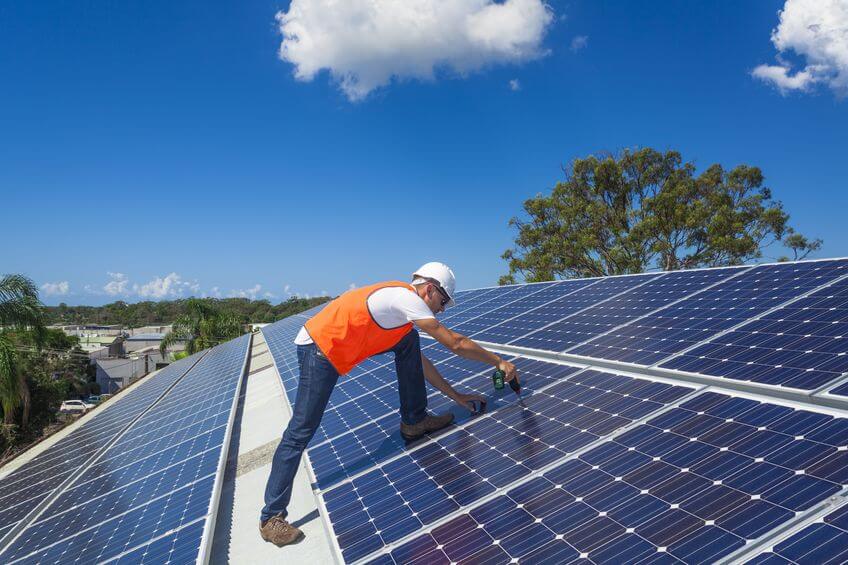
Step 4: Equipment Selection and String Design
Installers choose panel and inverter models based on your budget, roof constraints, and efficiency needs, then design the electrical stringing layout (how panels are wired together) to balance production, minimize shading impact, and stay within inverter voltage limits.
Step 5: Permit Drawings and Interconnection
The final design becomes formal permit drawings submitted to your local building department and, separately, an interconnection application to your utility — both required before installation and grid connection can proceed. SolarAPP+ has sped up this process in many jurisdictions.
What to Ask For in a Quote
A properly designed quote should include a specific equipment list (not just “premium panels”), a modeled production estimate (not a generic percentage), and a system layout diagram showing panel placement on your actual roof — if a quote lacks these, it may not reflect genuine site-specific design work.
Want a properly designed system for your home? Get a free quote: (855) 427-0058
Frequently Asked Questions
How do installers determine what size solar system I need?
By analyzing 12 months of your utility bills to understand your actual annual electricity usage and seasonal patterns.
What software do installers use to design solar systems?
Common tools include PVWatts (a free NREL tool), Aurora Solar, and Helioscope, which model production based on your specific roof and shading.
Does an installer need to visit my home to design a system?
Many use satellite imagery for initial design, but an on-site visit is typically needed to confirm roof condition, structure, and shading in detail.
What is string design in a solar system?
String design is how panels are electrically wired together, balancing production, shading impact, and inverter voltage limits.
What should a proper solar quote include?
A specific equipment list, a modeled production estimate, and a system layout diagram showing actual panel placement on your roof.
What is SolarAPP+?
SolarAPP+ is a tool many jurisdictions use to speed up permit approval for standardized residential solar installations.
Why does shading analysis matter in system design?
Even partial shading can significantly reduce output, so installers model sun position throughout the year to account for trees, chimneys, and structures.
Summing Up
A properly designed solar system reflects real analysis of your energy use, roof, and local conditions — not a generic estimate. To get a genuinely engineered quote for your home, call (855) 427-0058 or visit us.solarpanelsnetwork.com.
Updated