energy-independence

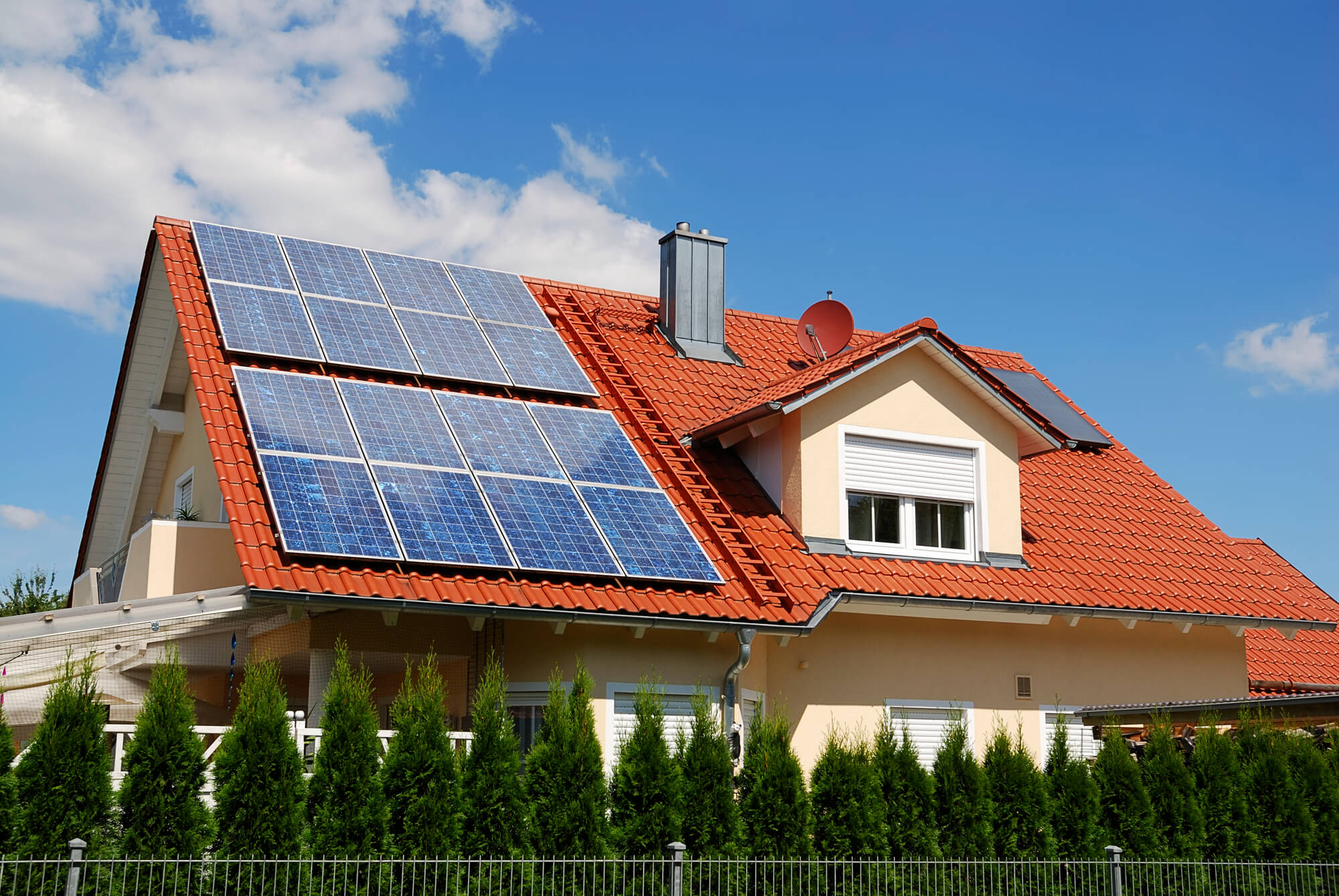
Energy independence — the ability to generate all or most of your household electricity from renewable sources, free from utility company price increases and power outages — has moved from a fringe concept to a practical financial and resilience strategy for millions of homeowners. Solar panels paired with battery storage form the core of energy independence, allowing you to produce power, store it, and use it on your schedule rather than the grid’s.

But what does true energy independence look like? And is it worth the investment? Let’s explore the technical requirements, economic considerations, and lifestyle implications.

What Energy Independence Actually Means

Energy independence exists on a spectrum. At one end, a grid-tied solar system (without battery storage) provides energy independence during the day—your panels power your home, and you draw from the grid only at night. At the other end, a fully off-grid system with battery storage and backup generation provides complete independence year-round, independent of grid availability or utility rates.

Most homeowners pursuing energy independence fall somewhere in the middle: a grid-tied system with battery storage (often called a hybrid system). This setup provides both bill reduction through net metering and partial energy independence through backup power during outages. True off-grid independence, while technically superior for resilience, requires oversized solar and battery systems that are economically inefficient for most homes.

For practical purposes, energy independence means you cover 80%–100% of your annual electricity needs from solar, keeping utility dependence minimal and insulating yourself from rate hikes.

The Three Pillars of Energy Independence: Solar, Storage, and Efficiency

Achieving energy independence requires all three elements working together.

Solar generation: Photovoltaic panels convert sunlight to electricity. System size determines total annual production. A typical 5 kW system generates 6,000–8,000 kWh annually (depending on location), matching the average U.S. household consumption of 10,600 kWh. To cover 100% of annual consumption, a 7–9 kW system is more appropriate.

Battery storage: Without storage, daytime solar production is wasted if it exceeds consumption. Batteries (typically lithium iron phosphate, or LiFePO4) store excess midday production and release it at night or during cloudy periods. A 10–15 kWh battery system is typical for residential energy independence, sufficient to cover most nights and provide two to three days of partial backup during poor weather.

Energy efficiency: The smaller your consumption, the smaller (and cheaper) your solar and battery systems can be. Efficiency improvements like LED lighting, HVAC upgrades, insulation, and smart thermostats reduce total system requirements and improve payback economics. Many homes pursuing energy independence reduce their consumption by 20%–40% before or during solar installation.

Grid-Tied Solar with Battery Storage: The Practical Path to Independence

Most energy-independent homes use a hybrid system: solar panels connected to a hybrid inverter, with batteries providing backup power. The inverter automatically switches between modes:

Daytime self-consumption: Solar powers your home directly. Excess production charges the battery. If both consumption and battery are satisfied, surplus flows to the grid (at net metering rates, typically low).

Nighttime consumption: The battery discharges to power your home. If battery capacity is insufficient, the grid provides backup power.

Peak-rate avoidance (with time-of-use rates): The system stores low-cost daytime solar in the battery and discharges it during high-cost evening peak hours, maximizing savings.

Outage resilience: If the grid fails, the hybrid system automatically islands (disconnects from the grid) and provides backup power from batteries and any available solar. This is not true independence (if clouds reduce solar, you run out of battery within hours), but it provides essential services during grid failures.

Off-Grid Systems: Complete Independence and Trade-Offs

Off-grid systems are designed to be fully independent of the utility grid. They require much larger solar arrays and battery banks to survive extended cloudy periods and seasonal variation. A typical off-grid home might need:

Solar generation: 2–3 times the average daily consumption, to account for seasonal variation and cloudy days.

Battery capacity: 3–5 days of consumption, typically 30–50 kWh for a modest home.

Backup generator: A propane or diesel generator as a final backstop if battery depth-of-discharge drops too low. Most off-grid systems run backup generators 5–20 hours per year.

The economic challenge: off-grid systems cost $40,000–$80,000+ installed, and are economic only in remote locations far from grid infrastructure. For homeowners on the grid, the hybrid approach (grid-tied with batteries) provides nearly identical resilience benefits at 50%–60% of the cost.

Sizing Your System for Energy Independence

To calculate the right system size, start with your annual electricity consumption (found on your utility bill), then adjust for solar production variability and seasonal consumption patterns.

Step 1: Establish baseline consumption. Pull 12 months of bills and sum total kWh. Divide by 12 for average monthly consumption. Example: 10,600 kWh annually = 883 kWh/month average.

Step 2: Account for consumption variation. Consumption typically peaks in summer (air conditioning) and winter (heating), with valleys in spring and fall. If your home is all-electric with a heat pump, this variation is significant. If you have natural gas heat, summer AC peaks are most pronounced. Estimate your peak month consumption; if it’s 1,200 kWh, this is the month your system must cover with solar + battery.

Step 3: Determine solar production. Using NREL’s PVWatts calculator or your installer’s Aurora Solar software, estimate how much a 1 kW system would produce in your location. Example: 1 kW in Denver produces ~1,400 kWh/year. In Seattle, ~1,000 kWh/year. Multiply this figure by your desired system size to get total production.

Step 4: Calculate system size for 100% coverage. Formula: System size (kW) = Annual consumption (kWh) ÷ Production per kW. Example: 10,600 kWh ÷ 1,400 kWh/kW = 7.6 kW system. This is the size needed to cover 100% of average annual consumption.

Step 5: Add contingency for efficiency losses. Real-world system losses (inverter efficiency, soiling, temperature, wiring) typically reduce production by 14%–25%. Add 20% to your calculated size: 7.6 kW × 1.20 = 9.1 kW. Round to 9 kW.

Battery sizing: A useful rule of thumb is 2–3 kWh of usable battery capacity per kW of solar. For a 9 kW system, plan for 18–27 kWh of usable capacity. A Tesla Powerwall 3 provides 13.5 kWh; you’d need two units (27 kWh total) for robust independence. A LG Chem RESU or Generac PWRcell allows modular capacity; you can start with one battery and add more later.

Economic Analysis: Cost of Energy Independence

A complete energy independence system (7–10 kW solar + 20–30 kWh battery storage + hybrid inverter) costs $30,000–$60,000 installed, depending on location and equipment choice. Using the 30% federal Investment Tax Credit available through 2032:

Solar cost: ~$2.50/watt = $17,500–$25,000 for 7–10 kW. After 30% ITC: $12,250–$17,500.

Battery cost: ~$600–$800/kWh usable capacity = $12,000–$20,000 for 20–25 kWh. After 30% ITC: $8,400–$14,000.

Total installed cost after ITC: $20,650–$31,500.

Payback analysis: If your electricity rate is $0.14/kWh and you cover 10,600 kWh annually, your baseline bill is $1,484/year. Solar alone generates ~$1,200–$1,400 in annual savings (after accounting for soiling, temperature, inverter losses). With battery storage, additional savings come from peak-rate avoidance and demand response programs, typically adding $200–$500/year depending on your utility’s programs.

Total annual savings: $1,400–$1,900. Payback period: 12–18 years before accounting for incentives and financing. With the 30% ITC reducing upfront cost by $6,200–$9,450, payback compresses to 8–12 years. After payoff, you enjoy 15–20 years of nearly free electricity, since modern panels and batteries degrade slowly (panels lose ~0.5% annually, batteries maintain 80%+ capacity at 10 years).

The Resilience Premium: Is It Worth It?

Energy independence provides backup power during grid outages, a benefit that’s hard to quantify in dollars. If you experience frequent power outages (which some regions do), backup power is invaluable. If outages are rare (once every 5–10 years, lasting a few hours), the backup benefit is modest.

Quantifying resilience: Consider the cost of a prolonged outage: spoiled food ($500–$1,000), hotel stays ($2,000+), lost work productivity, medical equipment needs (if you rely on powered devices like CPAP machines or oxygen concentrators). A $5,000–$15,000 battery system that prevents even one such crisis offers positive ROI. Additionally, grid outages are increasing in frequency due to climate impacts and aging infrastructure, making resilience more valuable over time.

Insurance and financing: Some insurers offer discounts for homes with solar + battery systems. Check with your agent. Additionally, financing a solar + battery system through a solar loan may offer favorable rates, and the full system cost (before ITC) may be tax-deductible as a home improvement.

Lifestyle Adjustments for Energy Independence

True energy independence requires awareness of your consumption and the system’s capabilities. Most hybrid systems provide transparent monitoring via smartphone apps showing real-time production, consumption, battery state-of-charge, and grid imports/exports. This visibility often leads to behavioral changes:

Conscious consumption: Knowing your battery will run out if clouds persist, many users become more aware of energy use. Shifting loads (laundry, charging EVs) to peak solar hours becomes natural.

Demand flexibility: Some utilities offer time-of-use rates or demand response programs, where you get paid to reduce consumption during peak hours or shift it to low-cost windows. With battery + solar, you can optimize automatically: charge the battery and EV during low-cost early morning solar, discharge during expensive evening hours.

Accept occasional grid dependence: Even a well-sized system can be net-deficient on rare occasions (extended cloudy periods in winter). True energy independence doesn’t mean zero grid interaction; it means grid dependence is rare and by choice, not necessity.

Regulatory and Utility Considerations

Energy independence is becoming politically contentious. Some utilities have pushed back against net metering and are reducing credits for exported solar energy. California’s NEM 3.0 and Hawaii’s aggressive net metering reductions reflect this trend. This doesn’t kill solar economics, but it makes battery storage more essential to maximize value.

Additionally, grid operators are increasingly interested in home batteries as distributed energy resources. Programs like virtual power plants (VPPs) can pay you to let the utility dispatch your battery during emergencies, turning your battery into a revenue stream. PG&E in California, for example, pays participants $2/kWh discharged during grid stress events.

Check your local utility’s policies on net metering, battery interconnection, and demand response programs before investing. These can significantly affect the economic case for energy independence.

Maintenance and Long-Term Performance

Energy-independent systems require more active management than grid-tied solar alone. Battery systems need occasional software updates and occasional health checks (depth-of-discharge limits, temperature monitoring). Most modern batteries have built-in battery management systems (BMS) that handle this automatically.

Battery degradation: LiFePO4 batteries retain 80%–85% capacity at 10 years and 70%–75% at 20 years, assuming proper management. This slow degradation is acceptable; your system remains functional, albeit with slightly reduced backup capacity.

Panel and inverter maintenance: Panels require occasional cleaning (1–2 times per year in dusty climates), costing $200–$400. Hybrid inverters are typically warrantied for 10 years; battery systems for 10–15 years. Plan for inverter replacement at year 10–12 if your system needs 25+ year longevity.

Frequently Asked Questions

What’s the difference between grid-tied solar and energy independence?

Grid-tied solar supplies daytime power and sends excess to the grid via net metering. Grid-tied solar with batteries (hybrid system) provides energy independence by storing excess solar for nighttime use and backup power during outages. True off-grid systems are completely disconnected from the grid and require oversized systems to handle extended cloudy periods.

How much does an energy-independent solar system cost?

A complete grid-tied hybrid system (7–10 kW solar + 20–25 kWh battery) costs $30,000–$50,000 installed. After the 30% federal ITC, net cost is $21,000–$35,000. Payback through electricity bill savings typically occurs in 10–15 years, with system value extending 20+ years beyond payback.

Can I achieve 100% energy independence with solar and batteries?

In sunny climates, yes. In cloudy climates, challenging. A properly sized system (covering 100%+ of annual consumption) achieves 100% independence most months. During extended cloudy periods (rare in most climates), you may draw from the grid. True 100% independence requires 3–5 days of battery backup plus a backup generator, economically justified only for off-grid homes.

What happens to my battery during a power outage?

A hybrid system automatically switches to island mode during a grid outage, using battery and available solar to power essential circuits. Most systems can support 24–48 hours of consumption from a full battery. If clouds persist beyond battery capacity, the system may dim loads or shut off non-critical circuits to stretch remaining capacity.

Do I still need the grid with energy independence?

In a hybrid system, the grid serves as a backup resource and outlet for excess production. You remain connected and can draw from the grid if needed. This is actually optimal; it provides security while avoiding the cost of oversized off-grid systems. Most energy-independent homes draw from the grid only 5–15% of annual consumption.

Summing Up

Energy independence — covering 80%–100% of household electricity from solar and stored renewable energy — has become economically viable for millions of homeowners. A hybrid grid-tied system with battery storage provides the best balance of cost, resilience, and practicality. At $20,000–$35,000 installed (after incentives), a 7–10 kW solar + 20–25 kWh battery system pays for itself in 10–15 years while providing backup power during outages and insulation from rate hikes. As electricity prices continue to climb and grid outages increase in frequency, energy independence is becoming not just an aspirational goal but a sound financial and resilience investment.

Ready to explore energy independence for your home? Call (855) 427-0058 for a free consultation on solar + battery options.


Updated