
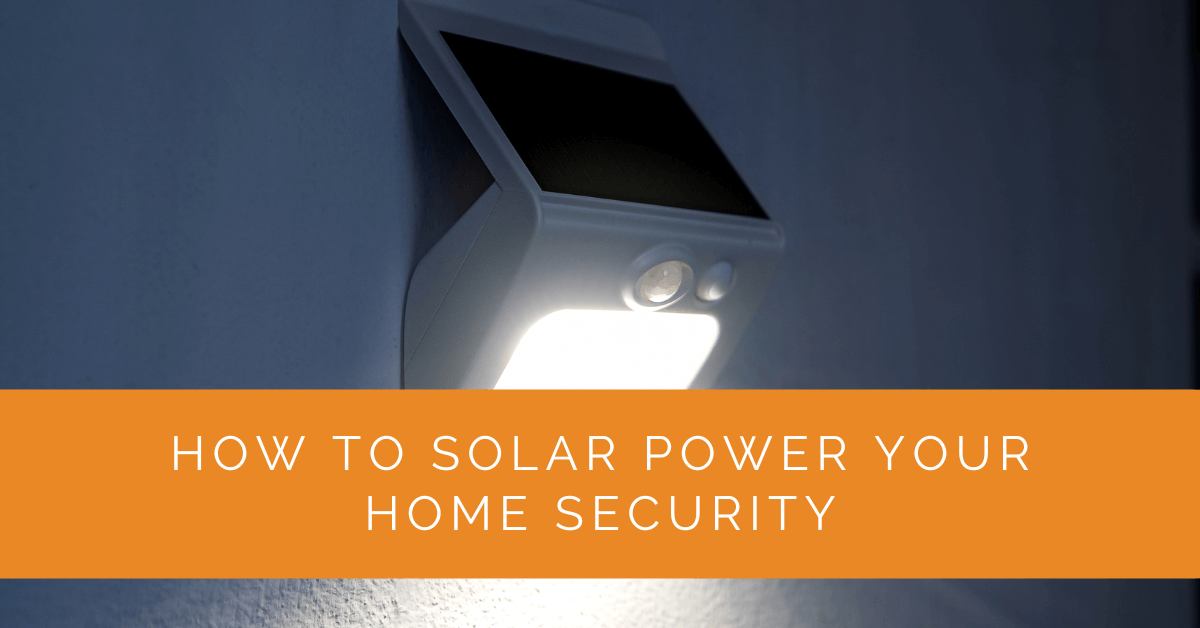
Solar-powered home security systems eliminate wiring, reduce electricity costs, and provide continuous protection even during grid outages. Modern solar security cameras combine weatherproof solar panels with rechargeable batteries, AI motion detection, and cloud connectivity to monitor your home 24/7 without monthly power bills.
How Solar-Powered Security Systems Work
A solar-powered home security system has three core components:
- Solar panel: Captures sunlight and converts it to electrical energy during daylight hours.
- Rechargeable battery: Stores daytime solar energy to power the camera during nighttime and overcast periods.
- Security camera with intelligent sensors: Records video, detects motion, and sends alerts to your phone.
During the day, the solar panel charges the battery while simultaneously powering the camera. At night or during extended cloudy periods, the battery supplies power, keeping the camera operational for up to 72 hours without additional solar input. A charge controller regulates current flow to prevent overcharging and extends battery lifespan.
Key System Components
Solar panels for security cameras: Most security camera solar panels are small (typically 5–20 watts), measuring 4–6 inches wide and mounting directly above or beside the camera. They’re designed to receive at least 6 hours of direct sunlight daily to maintain full battery charge.
Battery capacity: Typical security camera batteries store 2.5–10 watt-hours (Wh), sufficient to power the camera through night hours and multiple cloudy days. Premium systems use lithium-iron-phosphate (LiFePO4) batteries that tolerate thousands of charge cycles; budget systems use lead-acid or lower-grade lithium.
Charge controller: A charge controller regulates current flowing into the battery, preventing damage from overcharging. Most modern cameras include integrated controllers.
Motion detection and AI: In 2026, baseline motion detection includes person detection (differentiating humans from animals), vehicle recognition, and package detection. AI filters reduce false alerts from tree branches or shadows.
Weatherproofing: Good systems are IP65-rated or higher, meaning they’re dustproof and resistant to water jets from any direction. They function in temperatures from -10°C to 60°C (14°F to 140°F).
Installation and Placement
Placement strategy: Position the solar panel in a south-facing location that receives unobstructed sunlight for at least 6 hours daily. North-facing, east-facing, or heavily shaded areas reduce charging efficiency.
Panel angle: Mount the panel at an angle matching your latitude (approximately 30–45 degrees in most U.S. locations) for optimal year-round charging. Some systems allow adjustable brackets.
Distance from camera: Most solar panels for security cameras attach directly to the camera housing or mount on an adjacent surface (gutter, pole, wall) within 5–10 feet via a weatherproof cable.
Wiring: No electrical wiring to your home is needed. The solar panel, battery, and camera are self-contained units. Data transmission occurs wirelessly via Wi-Fi or cellular.
Mounting height: Mount cameras 8–10 feet high, high enough to deter tampering but low enough that the solar panel remains unobstructed by roof overhangs.
Popular Solar Security Camera Brands
| Brand | Key Features | Price Range |
|---|---|---|
| Reolink | IP65+ weather resistance, 4MP–4K resolution, person/vehicle detection, local storage option | $100–$300 |
| Wyze | Budget-friendly, 1080p–2K, color night vision, cloud + local storage | $50–$150 |
| ANRAN | 2K resolution, IP66 rating, 5000mAh battery, floodlight models available | $80–$200 |
| Lorex | Professional-grade 4K, long battery life, advanced AI motion detection | $200–$400 |
| Ezviz | Smart Home Hub integration, dual cameras, color night vision | $150–$350 |
Benefits of Solar-Powered Home Security
No wiring required: Traditional hardwired security systems require running electrical cable through your home and walls. Solar systems are entirely wireless and can be installed in 30 minutes.
Zero electricity costs: Once installed, solar security cameras have no monthly power draw from your utility. The sun powers them indefinitely.
Continued operation during outages: If the grid goes down, your solar security system keeps running because it doesn’t depend on utility power. Hardwired systems fail immediately when power is cut.
Easy installation and removal: You can install, move, or remove solar cameras yourself without hiring an electrician. No drilling or permanent modifications to your home.
Reduced insurance premiums: Many insurers offer discounts (3–5%) for homes with security systems, and some offer additional discounts for surveillance cameras specifically. Most homeowners recover installation costs within 3–5 years through combined savings on electricity and lower insurance premiums.
Increased home resale value: Properties with modern security systems typically sell 3–7% faster and command higher prices.
Cost Breakdown
Solar panels for security cameras: $50–$100 per panel, with most systems requiring 1–2 panels.
Security camera: $100–$400 depending on resolution, brand, and features. Budget systems start around $80; premium 4K systems reach $400.
Installation: DIY installation is simple (mounting, cable routing). Professional installation, if needed, costs $100–$300 per camera.
Cloud storage subscription (optional): Many systems offer free local storage on an SD card or cost $3–$10/month for cloud video backup. Some systems like Wyze offer discounted annual plans.
Total upfront cost for one camera: $150–$500 for a complete solar-powered camera system before cloud subscriptions.
Maintenance and Longevity
Panel cleaning: Clean the solar panel quarterly or after dust storms. Use a soft cloth and water to remove dust, pollen, and debris. Dirty panels lose 25–30% efficiency.
Battery replacement: Most security camera batteries last 3–5 years before capacity drops. Replacement batteries cost $20–$50.
Weathering: Good quality systems (IP65+) handle rain, snow, and freezing temperatures well. Check seals annually for cracking, especially in very hot or cold climates.
Limitations and Considerations
Climate limitations: In very cloudy climates (Pacific Northwest, northern U.S. in winter), panel sizing must be larger to compensate for reduced solar input. Underperforming systems may go offline on overcast weeks.
Seasonal variation: Winter solar output is 40–60% lower than summer in most locations. Systems designed for year-round operation must be sized for worst-case winter conditions.
Internet dependency: Cloud-connected systems require reliable Wi-Fi. If your internet is down, cloud storage is unavailable (though local recording typically continues).
Camera power consumption: High-resolution 4K cameras and systems with color night vision draw more power and require larger batteries or panels.
Frequently Asked Questions
How many hours of sunlight does a solar security camera need?
Most solar security cameras need a minimum of 4–6 hours of direct, unobstructed sunlight daily to maintain full battery charge. In shaded areas or cloudy regions, you may need larger solar panels or may experience shorter battery runtime at night.
Can solar security cameras work in winter?
Yes, but with reduced efficiency. Winter solar output is 40–60% lower than summer in most U.S. locations. If you live in a cold, cloudy region, choose a system with a larger battery or multiple panels to ensure reliable winter operation.
What’s the difference between cloud and local storage?
Cloud storage uploads video to a company’s servers for remote access and backup. Local storage saves video to an SD card inside the camera. Cloud is convenient but requires internet and subscription fees. Local storage is private but limits you to playback from the camera’s location or via SD card removal.
Can I add more cameras to a solar security system?
Yes. Each solar camera is independent, so you can install multiple units around your home. However, each unit requires its own solar panel, battery, and Wi-Fi connection. Larger multi-camera systems may benefit from a dedicated Wi-Fi router or mesh Wi-Fi for reliable connectivity.
Is solar-powered security as reliable as hardwired systems?
Yes, assuming adequate sun exposure. Solar systems are actually more resilient during power outages. However, in extremely cloudy climates or heavily shaded installations, they may underperform. Choose a system with a battery capacity rated for your climate and cloud exposure.
Summing Up
Solar-powered home security cameras offer a convenient, cost-effective way to monitor your property without relying on grid electricity or professional monitoring. Modern systems combine long-lasting lithium batteries with advanced AI motion detection and weatherproof construction. Installation is simple—no electrician required—and total upfront costs range from $150 to $500 per camera. For homeowners seeking an independent, easy-to-install security solution, solar cameras are an excellent choice.
If you’re considering solar installation for your home, call Solar Panels Network USA at (855) 427-0058 for a free quote.
Updated