
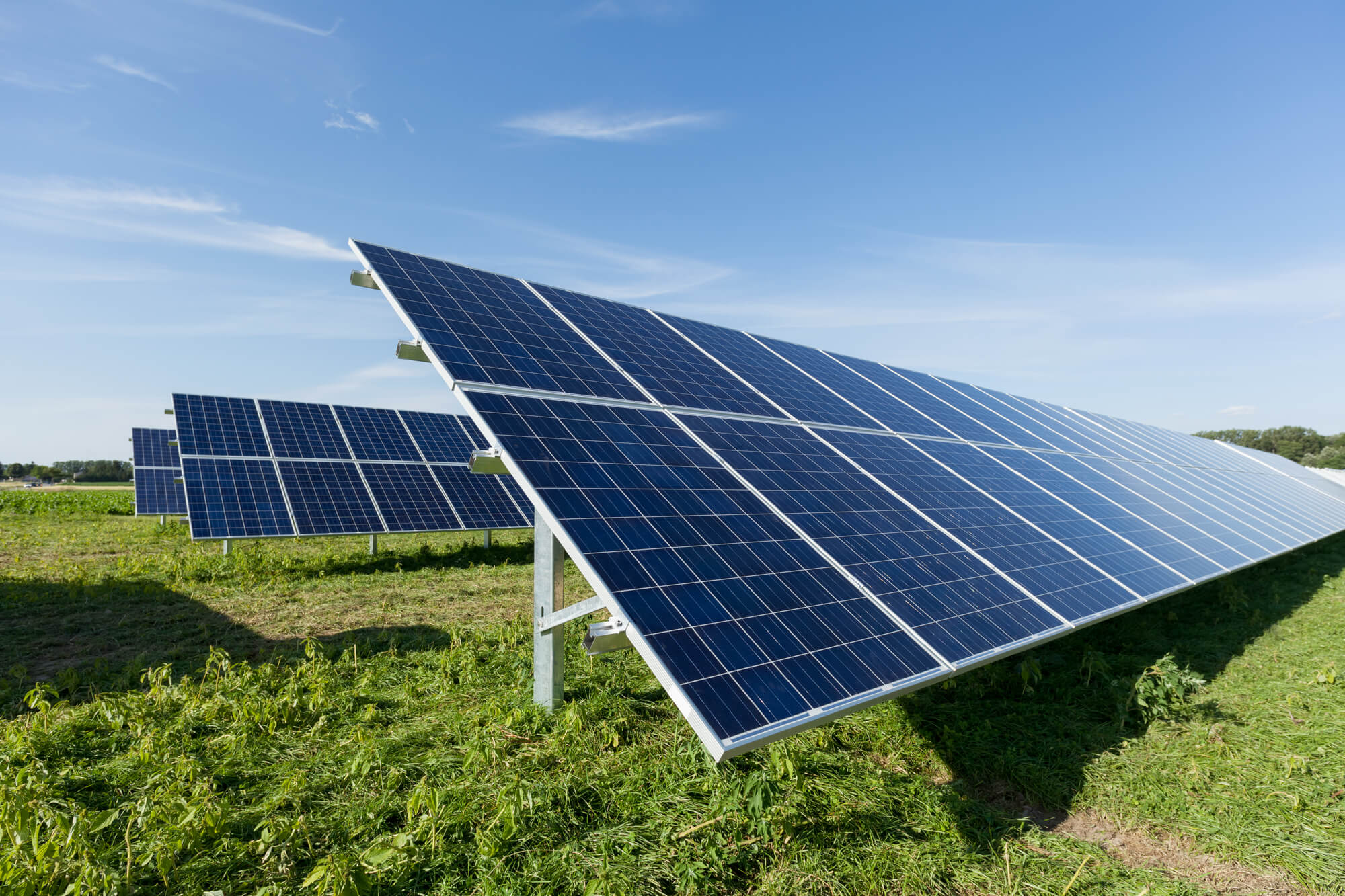
Dual-axis solar trackers follow the sun’s position both horizontally (east-west) and vertically (elevation angle) throughout the day and across seasons, maximizing the panel’s alignment with direct sunlight at all times. They deliver the highest possible energy gain of any tracking system — typically 30-45% more than a fixed-tilt array — but at meaningfully higher cost and maintenance than single-axis tracking or fixed racking.
How Dual-Axis Tracking Works
| System Type | Tracking Movement | Typical Output Gain |
|---|---|---|
| Fixed-tilt (no tracking) | None | Baseline |
| Single-axis tracker | East-west only | 25-35% gain |
| Dual-axis tracker | East-west + elevation angle | 30-45% gain |
Why the Extra Axis Matters
Single-axis trackers follow the sun’s east-west movement across the sky but don’t adjust for the sun’s changing elevation angle across seasons. Dual-axis systems adjust both, keeping panels more precisely perpendicular to direct sunlight throughout the entire day and year — capturing meaningfully more energy than single-axis tracking, especially at higher latitudes with more seasonal sun-angle variation.
Cost and Complexity Tradeoffs
Dual-axis trackers have significantly more moving parts, motors, and control systems than single-axis or fixed racking — meaning higher upfront cost, more maintenance requirements, and more potential failure points over the system’s lifespan.

Where Dual-Axis Makes Sense
Dual-axis tracking is most common in utility-scale and commercial installations where the additional energy yield justifies the added equipment and maintenance cost — it’s rarely used in residential rooftop solar, where fixed racking or occasionally single-axis ground mounts are more practical and cost-effective.
ROI Considerations
The added energy output from dual-axis tracking must be weighed against significantly higher equipment, installation, and ongoing maintenance costs — for most residential situations, the ROI doesn’t favor dual-axis over simpler fixed or single-axis alternatives.
Want the right tracking approach for your property? Get a free quote: (855) 427-0058
Frequently Asked Questions
What are dual-axis solar panels?
Solar tracking systems that follow the sun both horizontally and vertically, maximizing sunlight alignment.
How much more energy do dual-axis trackers produce?
Typically 30-45% more than a fixed-tilt array.
Are dual-axis trackers better than single-axis?
They produce more energy but at higher cost and maintenance complexity.
Are dual-axis trackers used in residential solar?
Rarely — they’re mostly used in utility-scale and commercial installations.
Why are dual-axis trackers more expensive?
They have more moving parts, motors, and control systems than fixed or single-axis systems.
Does latitude affect dual-axis tracker benefits?
Yes — higher latitudes with more seasonal sun-angle variation benefit more from dual-axis tracking.
Is dual-axis tracking worth it for a home solar system?
For most residential situations, no — the ROI generally favors simpler fixed or single-axis alternatives.
Summing Up
Dual-axis tracking maximizes energy yield but is best suited to large-scale installations. For the right tracking approach for your property, call (855) 427-0058 or visit us.solarpanelsnetwork.com.
Updated