
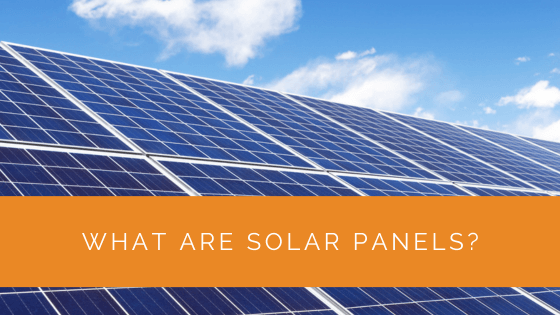
Solar panels convert sunlight directly into electricity using the photovoltaic effect, a technology that’s become the fastest-growing source of new electricity generation worldwide. Solar panels are made of semiconductor cells (usually silicon) that generate electrical current when struck by photons of sunlight.
Solar Panel Basics
| Component | Function |
|---|---|
| Solar cells (silicon) | Convert sunlight to DC electricity |
| Glass/encapsulation | Protects cells, allows light through |
| Frame | Structural support and mounting |
| Junction box/wiring | Carries generated electricity out |
The Photovoltaic Effect
When sunlight (photons) strikes a silicon solar cell, it knocks electrons loose, creating a flow of electrical current — this photovoltaic effect is the fundamental principle behind all solar panel technology.
Types of Solar Panels
Most residential panels use monocrystalline silicon cells with technologies like PERC, TOPCon, or HJT — each offering different efficiency levels and price points, with newer technologies generally outperforming older ones.
From Sunlight to Usable Power
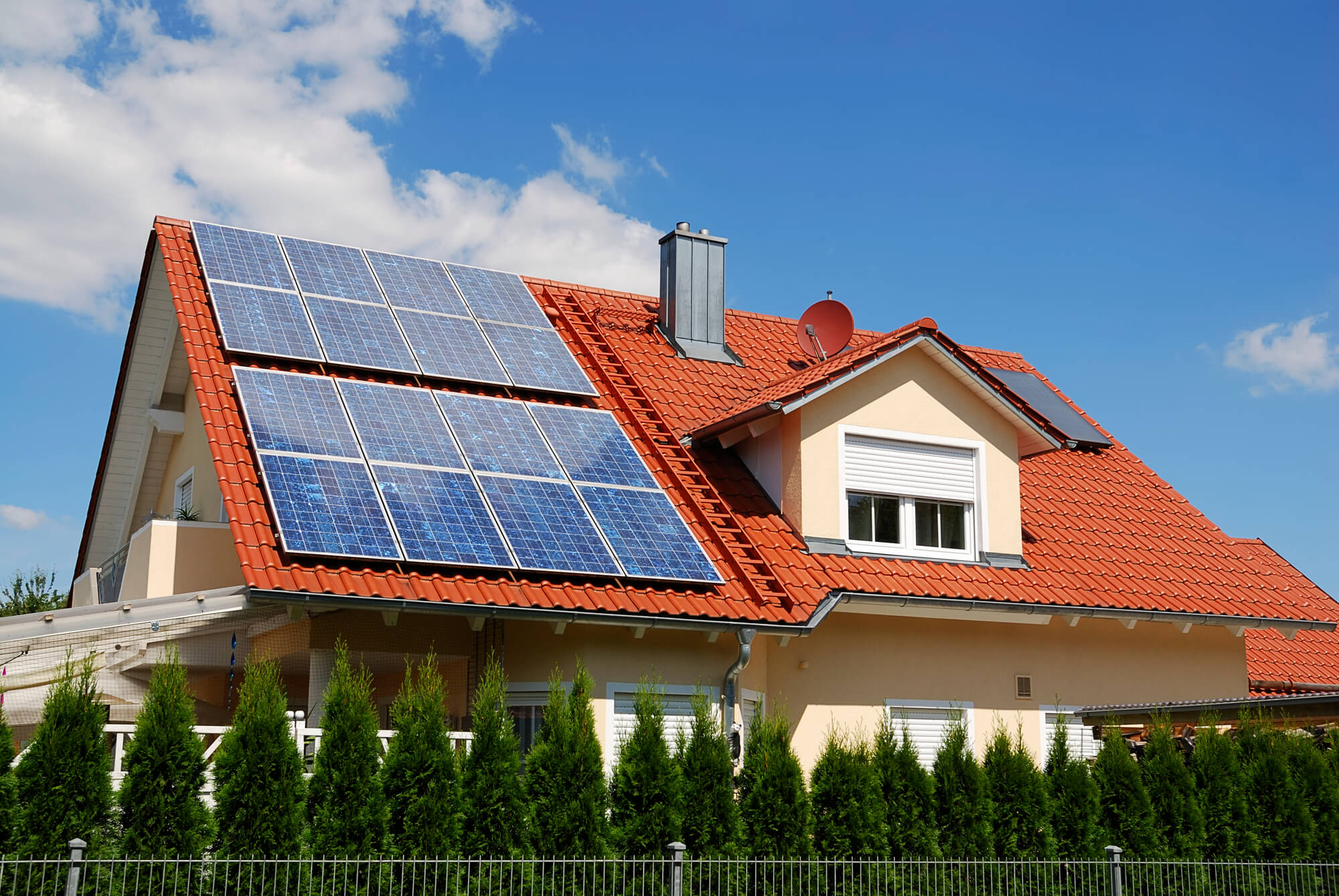
Panels generate DC electricity, which an inverter converts to AC power for home use — any excess production can feed back to the grid through net metering or charge a battery for later use.
How Long Do Solar Panels Last?
Most solar panels are warrantied for 25 years and can continue producing meaningful power for 30-40 years, with gradual output decline (0.25-0.55%/year) rather than sudden failure.
Interested in solar for your home? Get a free quote: (855) 427-0058
Frequently Asked Questions
What are solar panels made of?
Primarily silicon semiconductor cells, encapsulated in glass with an aluminum frame.
How do solar panels generate electricity?
Through the photovoltaic effect, where sunlight knocks electrons loose to create current.
What’s the difference between panel types?
Cell technology (PERC, TOPCon, HJT) affects efficiency, cost, and degradation rate.
Do solar panels work on cloudy days?
Yes, though at reduced output compared to direct sunlight.
How long do solar panels last?
Typically 25-40 years, with gradual output decline over time.
Do solar panels need direct sunlight to work?
No — they work with diffuse light too, just less efficiently.
What happens to excess solar electricity?
It feeds back to the grid via net metering or charges a battery for later use.
Summing Up
Solar panels use the photovoltaic effect to turn sunlight into usable electricity for decades. For a personalized quote, call (855) 427-0058 or visit us.solarpanelsnetwork.com.
Updated