
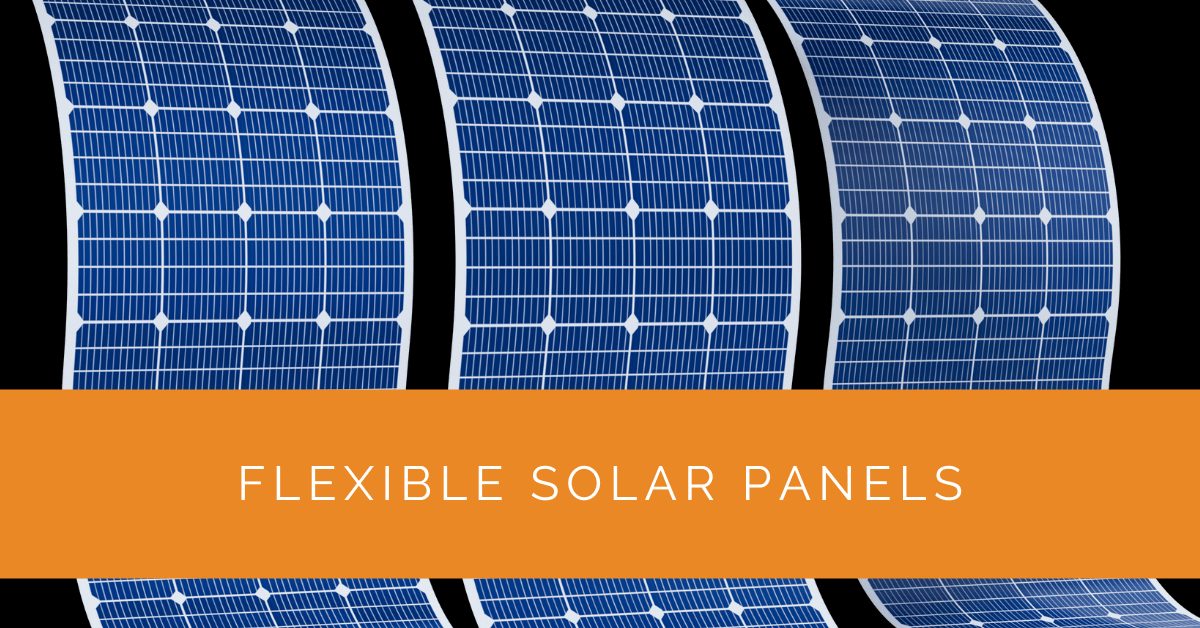
Flexible solar panels bend to fit curved or uneven surfaces — RV roofs, boat decks, backpacks — where rigid panels can’t be mounted. They trade some efficiency and lifespan for flexibility and reduced weight, making them ideal for portable and specialty applications rather than primary home power.
ETFE vs. PET Backing
| Backing Material | Typical Lifespan | Durability | Cost |
|---|---|---|---|
| ETFE | 10+ years | Better UV/weather resistance | Higher |
| PET | 3-5 years | More prone to yellowing/cracking | Lower |
ETFE (ethylene tetrafluoroethylene) is the more durable backing material, resisting UV degradation and weathering significantly better than PET (polyethylene terephthalate), which is cheaper but degrades faster, especially with prolonged sun exposure.
Efficiency vs. Rigid Panels
Flexible panels typically run 15-21% efficiency, comparable to or slightly below rigid monocrystalline panels, but they generally degrade faster over time due to the thinner, more flexible cell structure and encapsulation being more vulnerable to microcracking from repeated flexing.
RV and Marine Applications
Flexible panels are popular for RVs and boats because they can conform to curved roofs, reduce wind resistance (lower profile than rigid panels with racking), and weigh significantly less — important for weight-sensitive mobile applications where every pound matters for fuel efficiency and payload capacity.
Why They’re Not Used for Home Roofs
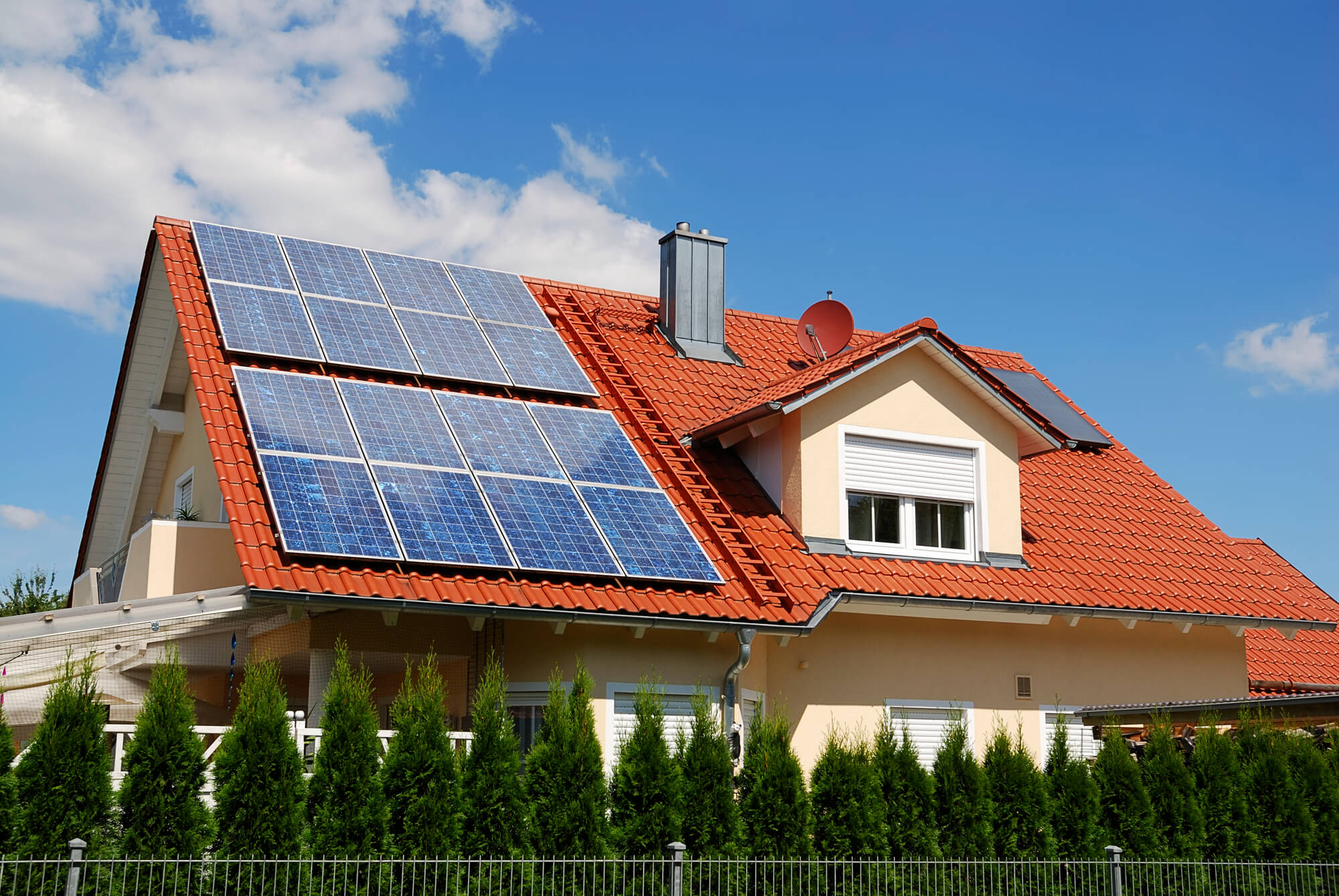
Flexible panels lack the rigidity and long-term durability needed for permanent home installations, and their shorter typical lifespan and lower total output make rigid monocrystalline panels a far better value for stationary residential use where curved-surface flexibility isn’t needed.
Installation Considerations
Flexible panels are typically adhered directly to a surface rather than mounted with racking, which means airflow beneath the panel is limited — this can raise operating temperature and slightly reduce output compared to rigid panels with a standoff air gap.
Need solar for your home, not just your RV? Get a free quote: (855) 427-0058
Frequently Asked Questions
What are flexible solar panels used for?
RVs, boats, backpacks, and other curved or weight-sensitive applications where rigid panels can’t be mounted.
How long do flexible solar panels last?
ETFE-backed panels last 10+ years, while cheaper PET-backed panels typically last only 3-5 years.
Are flexible solar panels as efficient as rigid panels?
They’re comparable at 15-21% efficiency but generally degrade faster due to thinner cell structure and flexing.
Can flexible solar panels be used on a home roof?
They’re not typically used for permanent home installations since rigid panels offer better durability and value.
What’s the difference between ETFE and PET backing?
ETFE resists UV degradation better and lasts longer; PET is cheaper but degrades faster.
Do flexible solar panels get hotter than rigid panels?
Yes — they’re often adhered directly to a surface with less airflow, which can raise temperature and slightly reduce output.
Are flexible solar panels good for RVs and boats?
Yes — their low weight and ability to conform to curved surfaces make them well-suited for these applications.
Summing Up
Flexible panels serve portable and curved-surface applications well, but rigid panels remain the better choice for home solar. For a whole-home solar quote, call (855) 427-0058 or visit us.solarpanelsnetwork.com.
Updated