
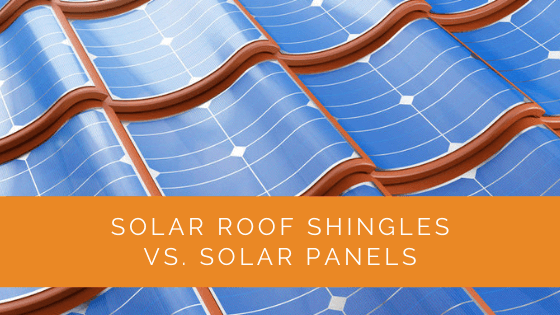
Solar roof shingles and traditional solar panels both convert sunlight into electricity—but they take very different approaches. If you’re considering going solar and your roof needs work, you might wonder whether integrated shingles are worth the premium over standard panels. Solar panels typically win on efficiency and value, but shingles make sense in specific situations, particularly if you’re replacing your roof anyway or have strict aesthetic requirements.
What Are Solar Roof Shingles?
Solar shingles—also called solar tiles or building-integrated photovoltaics (BIPV)—have embedded solar cells and function as both roofing material and energy generators. Rather than mounting panels on top of your existing roof, you install shingles as the roof itself. The major players are Tesla Solar Roof, GAF Energy Timberline Solar, CertainTeed Apollo, and Luma Solar.
Cost Comparison
Solar Panel Costs
A typical 6 to 10 kW solar panel system costs $24,000 to $36,000 before incentives (~$3 to $3.60/watt installed). After the 30% federal ITC, net cost: $16,800 to $25,200.
Solar Shingle Costs
Solar shingles run $20,000 to $100,000+ depending on roof size and solar coverage. Per watt of capacity, shingles cost $8 to $10+—60% to 190% more than panels. The higher price reflects the fact that you’re buying a complete roofing system, not just energy hardware.
The 30% federal ITC applies to both, but for shingles it only covers the solar tiles themselves—not the non-solar roofing tiles that cover non-solar areas of the roof.
Real-World Example
6 kW system: Panels cost ~$27,000 before credit ($18,900 after). Shingles cost ~$54,000 before credit ($37,800 after). Shingles cost roughly double after incentives.
Efficiency: Panels vs Shingles
Modern monocrystalline solar panels achieve 18% to 22%+ efficiency. Solar shingles range from 14% to 18%. Lower efficiency means more roof area is needed to generate the same power—or lower total output from the same roof space. For homeowners trying to offset their full electricity bill, the efficiency gap means higher total costs with shingles to reach the same energy target.
Installation and Installer Availability
Solar Panels
Panels mount on top of your existing roof in 2-5 days. If your roof is in good condition (15+ years of life remaining), this is straightforward. If you need a roof replacement later, you’ll pay $1,500-$3,000 to temporarily remove and reinstall the panels.
Solar Shingles
Shingles replace the entire roof surface, taking 1-2 weeks to install. It’s a one-time integration—no future roof replacement needed for 20-25+ years. However, far fewer installers are certified for shingles. Tesla only uses its own crews. GAF and CertainTeed work through a smaller network of licensed contractors. In many regions, finding a qualified shingle installer is significantly harder than finding a panel installer.
Aesthetics and HOA
Solar Panels
Panels are visible and somewhat utilitarian. Many homeowners don’t mind—or appreciate the visible signal of energy efficiency. But some HOAs restrict their placement or require specific framing and color options.
Solar Shingles
Shingles blend almost seamlessly into a standard roof from a distance. They have a slightly glassier, darker surface than regular shingles up close, but they don’t stick up or create visual clutter. If your HOA prohibits visible panels, shingles bypass that restriction entirely since they’re technically roofing material.
When Solar Shingles Make Sense
You’re Replacing Your Roof Anyway
If your roof needs replacement (15+ years old, storm damage), you’re already facing a $15,000-$25,000+ bill. Upgrading to solar shingles at the same time is more cost-effective than installing them on a new conventional roof later. You’re not paying “extra” for the solar portion—you’re swapping the roofing cost for an integrated energy-generating system.
HOA Restrictions
If your HOA prohibits visible solar panels, shingles are your path to solar without a board battle.
Aesthetics Are Non-Negotiable
If a seamless, integrated look is a priority and your budget supports the premium, shingles deliver what panels can’t.
When Solar Panels Win
Your Roof Is Young
If your roof has 10+ years remaining, panels are far cheaper. Get solar now without replacing the roof.
Budget Matters
Panels are 50-70% cheaper, often by $15,000-$30,000+ on a typical home. That savings could fund batteries or other home upgrades.
You Want Maximum Efficiency
Higher efficiency means a smaller, cheaper system that still meets your energy goals. For homes with limited south-facing roof space, this matters.
You Want Flexibility
Panels are modular—add more panels, upgrade the inverter, add batteries later. Shingles are fixed; modifications are complex and expensive.
A Note on Tesla Solar Roof
Tesla’s system uses a mix of solar tiles and non-solar tiles. Only the solar tiles generate power. Because of this, cost varies dramatically based on roof layout—historical reports suggest $50,000 to $70,000+ for a typical home. Pricing requires a site inspection. Installation timelines are often several months, and availability is limited to specific regions.
Frequently Asked Questions
Are solar shingles more durable than solar panels?
Both last about 25-30 years. Shingles are designed as roofing, so they handle weather well, but repair complexity is higher—a shingle failure may require a technician to diagnose electrical issues rather than simply swapping a panel. Panels are easier to service.
Do solar shingles qualify for the 30% federal tax credit?
Yes. The 30% federal ITC under the Inflation Reduction Act applies through 2032 to solar shingles as it does to panels. The credit covers only the solar tile portion—not the non-solar roofing tiles used in areas where panels aren’t needed.
Which brands of solar shingles are available?
The main options are Tesla Solar Roof, GAF Energy Timberline Solar, CertainTeed Apollo, and Luma Solar. Availability varies by region. Tesla uses its own installers exclusively; others work through licensed contractor networks. Check regional availability before committing.
Can I add more solar shingles later?
Technically yes, but it’s complex. Adding shingles later means re-integrating roofing material, which is far more involved than adding panels to an existing rack. Shingles are not modular in the same way as panels.
Do solar shingles affect home resale value?
Both add resale value as energy-efficient improvements. Panels have a longer track record and broader buyer familiarity. Shingles are newer—some buyers may be unfamiliar or cautious about future repair costs. This gap is narrowing as solar shingles become more mainstream.
Do solar shingles work in cold climates?
Yes. Both shingles and panels perform well in cold weather—solar cells are actually more efficient at lower temperatures. Snow slides off angled surfaces, but a major snowstorm can temporarily reduce output for either type of system.
Summing Up
Solar roof shingles are an attractive integrated solution, but come with a 60-190% cost premium over panels and lower efficiency. For most homeowners, solar panels are the better choice: cheaper, more efficient, easier to install, and modular if you want to expand later.
Shingles win when you’re already replacing your roof, HOA rules prohibit visible panels, or a seamless aesthetic is a non-negotiable priority with budget to match.
Ready to get quotes from local installers? Call (855) 427-0058 or get a free quote to compare options in your area.
Updated