
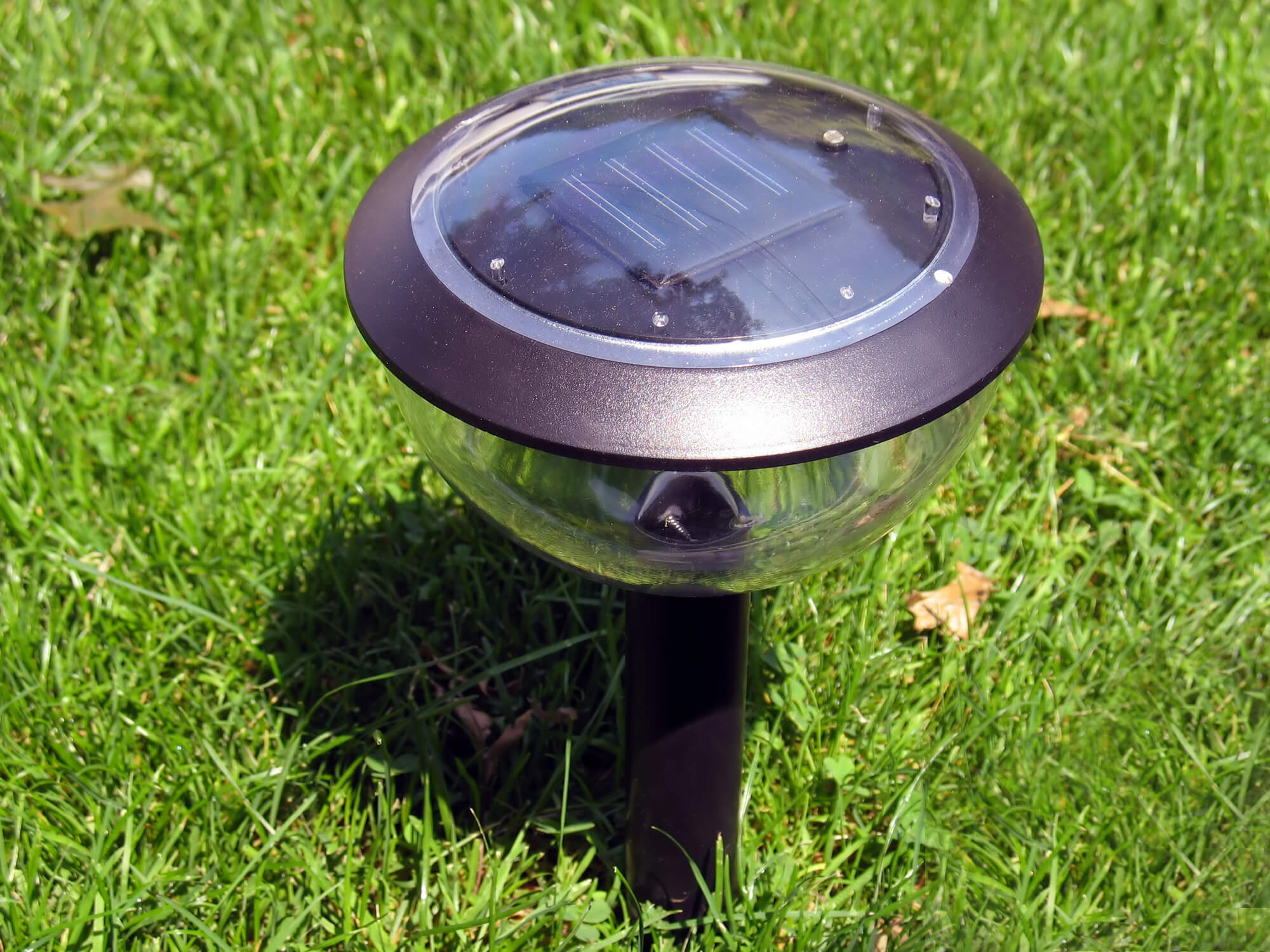
Solar lights are self-contained power systems in miniature — each unit captures sunlight, stores energy in a battery, and releases it on demand to power an LED. Understanding how the components work together explains why solar lights behave the way they do, what makes some units better than others, and how to troubleshoot common problems.
The Solar Panel: Capturing Light
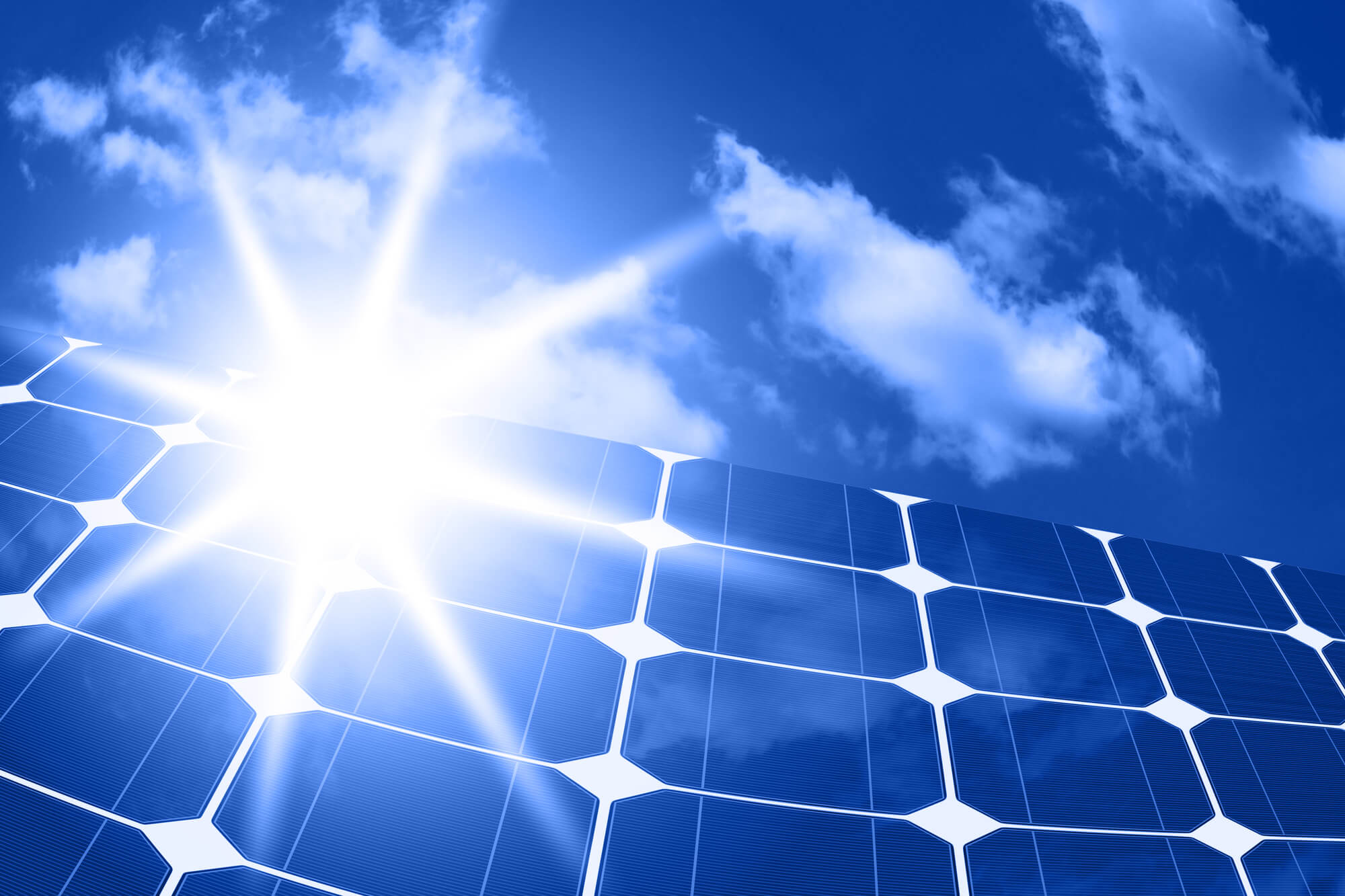
Every solar light contains one or more small photovoltaic (PV) cells, usually monocrystalline or amorphous silicon, integrated into the top housing or a separate panel. The PV cell works through the photovoltaic effect: photons from sunlight excite electrons in the silicon crystal, generating a direct current (DC) electrical flow.
In practice, a small solar light panel might produce 0.5V–2V at 50–300 milliamps in full sun — enough current to charge a NiMH battery over 6–8 hours. The output varies proportionally with light intensity: direct midday sun produces maximum output, while overcast skies typically reduce output by 40–70%, and shade from trees or structures can reduce it by 80–90%.
The panel also serves a second function: detecting daylight. The same PV cell that charges the battery during the day produces a small voltage that the control circuit reads as “it’s daytime.” When that voltage drops (at sunset or in deep shade), the circuit switches the LED on. This is why solar lights sometimes turn on prematurely on heavily overcast days — the light level has dropped enough that the circuit interprets it as evening.
The Battery: Storing Energy
The battery stores the electrical energy generated during the day for use at night. Solar lights use rechargeable batteries — typically one of three chemistries:
Nickel-Metal Hydride (NiMH): The most common type in budget to mid-range solar lights. NiMH cells are inexpensive, tolerant of the partial-charge cycling that solar charging produces (charge partially each day, discharge at night), and available in standard AA and AAA sizes. Capacity typically ranges from 300–2,000 mAh. Lifespan: 1–3 years in outdoor solar service. They’re safe if the casing cracks (no fire risk). Alkaline batteries must never be substituted — they’re not designed to be recharged and can leak or rupture.
Lithium-ion (Li-ion) or LiPo: Used in mid-range to premium solar lights where high energy density is needed in a compact form factor. Higher capacity per unit volume than NiMH, but more expensive and require battery management circuitry to prevent overcharge. Most common in solar security lights with high-lumen LEDs that require more energy than NiMH can efficiently deliver.
Lithium Iron Phosphate (LiFePO4): Increasingly used in quality solar lights and portable solar generators. Better thermal stability than Li-ion, much longer cycle life (2,000+ cycles), and improved cold-weather performance. Lifespan: 3–7 years. The preferred chemistry for solar lights that see heavy use or extreme temperatures.
Battery capacity (mAh) directly determines how long the light can run after a full charge. A 600 mAh NiMH battery at 1.2V powering a 100mA LED circuit can theoretically run for 6 hours (with losses, realistically 4–5 hours). Solar light specifications that list “up to 12 hours” are usually based on dim mode (50% or less LED output).
The Control Circuit and Light Sensor
A small control circuit (IC chip) manages the charge/discharge cycle and LED switching. Its primary functions:
Light detection: The circuit monitors the voltage from the solar panel. When voltage exceeds a threshold (daytime), it connects the panel to the battery for charging. When voltage falls below the threshold (night, or heavy shade), it disconnects the battery from the panel circuit and connects it to the LED circuit — the light turns on.
Charge management: The circuit prevents overcharging by limiting current and monitoring battery voltage. In budget lights, this is a simple transistor circuit. In better lights, it’s a proper charge controller that implements staged charging (bulk, absorption, float) similar to larger solar systems.
Battery protection: The circuit disconnects the LED load when battery voltage drops below the minimum threshold, preventing deep discharge that damages the battery. This is why solar lights go dark hours before the battery is fully depleted — the cutoff voltage is typically 1.0V per NiMH cell, well above the 0V “dead” point.
Some solar lights include additional features: PIR (passive infrared) motion sensors that trigger higher LED output when movement is detected, timers that switch the light off after a set number of hours, and multi-mode buttons that let users select always-on dim mode, motion-only, or dim + motion-triggered bright mode.
The LED: Producing Light
Modern solar lights use LEDs (light-emitting diodes) exclusively — incandescent and CFL bulbs have entirely disappeared from solar lighting products. LEDs are ideal for solar lights because they draw very little current (a bright LED might draw only 50–200 milliamps at 3V), operate efficiently at the low voltages battery systems provide, have a very long operational lifespan (25,000–50,000 hours), and produce almost no heat.
LED output is measured in lumens. A modest solar pathway light might produce 10–30 lumens, sufficient to mark a path edge. Security-focused solar lights with motion sensing produce 400–2,500 lumens when triggered. The LED’s light color (measured in Kelvin) ranges from warm white (2700–3000K, reddish-warm tone) to cool white (5000–6500K, blue-white tone). Higher-K LEDs appear brighter to the eye for the same lumen output, which is why security lights often use 6000K+.
The Full Operating Cycle
A solar light goes through a daily charge-discharge cycle:
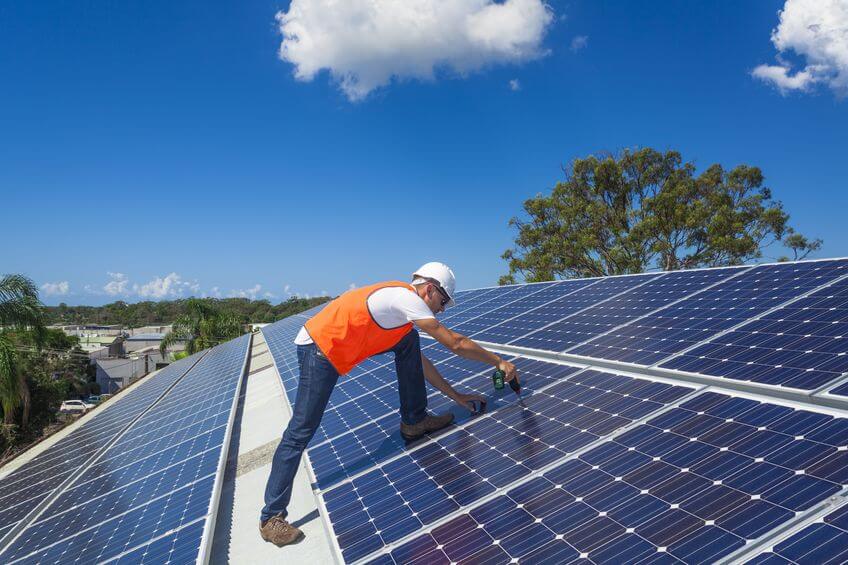
Daytime charging: Sunlight hits the panel, generating current. The control circuit detects daylight (panel voltage above threshold) and routes current to charge the battery. Charging continues throughout daylight hours — a full charge from a depleted battery requires 6–8 hours of direct sun for typical NiMH-equipped lights.
Dusk detection: As the sun sets and panel voltage drops below the light-detection threshold, the control circuit switches from charge mode to discharge mode. The battery connects to the LED circuit and the light activates.
Nighttime operation: The LED runs from battery power. If the light has motion sensing, the LED typically runs at 5–20% brightness in idle mode and brightens to 100% for 20–60 seconds when motion triggers the PIR. When battery voltage drops to the cutoff threshold, the control circuit disconnects the LED to protect the battery.
Winter limitations: Shorter days mean less charging time. In December at northern latitudes (45°N+), solar lights may receive only 4–5 hours of useful sun. Combined with cold temperatures reducing NiMH battery capacity by 20–30%, winter run times can drop to 2–4 hours versus 6–8 hours in summer. This is not a malfunction — it’s physics. LiFePO4 batteries hold capacity better in cold, which is why premium solar lights perform more consistently year-round.
Frequently Asked Questions
Do solar lights need direct sunlight to charge?
Not strictly, but direct sunlight is significantly more effective than indirect light. Solar panel cells respond to the visible light spectrum and near-infrared, which penetrates cloud cover partially. On an overcast day, a solar panel typically produces 20–40% of its full-sun output. For pathway and garden lights with modest battery capacity, overcast charging may provide only 2–4 hours of runtime versus 6–8 hours on a sunny day. Panels work in diffuse light, but performance scales directly with intensity. Position panels in the sunniest location possible and avoid even partial shading from trees, eaves, or structures.
Why do solar lights stop working after a few months?
The most common cause is battery failure. NiMH batteries in budget solar lights typically last 1–2 years before capacity degrades enough that the light runs for only 1–2 hours or fails to light at all. Replacing the battery (usually a standard AA or AAA NiMH cell, $2–5) restores the light to normal operation. Other common causes: soiled solar panel reducing charging current (clean with a damp cloth), failed light sensor (light staying on all day discharges the battery), or water ingress corroding the circuit board. See the guide on why solar lights stop working for a full troubleshooting flow.
Why do solar lights come on during the day sometimes?
A solar light that activates during the day is usually experiencing one of two issues. First, the light sensor (the solar panel) is shaded or dirty — if the panel isn’t receiving direct light, its voltage stays below the “daytime” threshold, causing the circuit to interpret overcast or shade as night. Clean the panel and ensure it’s positioned in full sun. Second, a failed or corroded light sensor may output constantly low voltage, putting the circuit in permanent “night” mode. In motion-sensing lights, check that the PIR sensor cover hasn’t become obstructed — some designs use a separate LDR (light-dependent resistor) rather than the solar panel for day/night detection, and this component can fail.
How long should solar lights stay on at night?
Runtime depends on battery capacity, LED draw, and the amount of charge acquired during the day. Well-charged solar lights with fresh NiMH batteries in summer should run 6–10 hours in low/medium mode. Lights with motion sensing in idle dim mode may last 10–14 hours because idle current draw is very low. If your lights are going dark after only 2–3 hours, suspect a degraded or depleted battery as the most likely cause — replace the battery before investigating other issues.
Can I charge solar lights with a regular light bulb?
Yes, artificial light can charge solar lights, but very slowly and inefficiently compared to direct sunlight. A standard 100W incandescent bulb held 1 foot from the solar panel provides roughly 3–5% of the charging power of direct sunlight. An LED grow light with a spectrum matched to PV cells (400–700nm, particularly red and blue wavelengths) is more effective — perhaps 15–25% of sunlight efficiency. In practice, charging from indoor lights requires the panel to be very close to a high-intensity source for many hours. It’s a workable emergency solution but not a substitute for adequate outdoor sun exposure.
Summing Up
Solar lights are integrated systems where each component depends on the others: the panel captures and converts light to current, the control circuit manages charging and switching, the battery stores energy overnight, and the LED converts stored energy to light. Most performance problems trace back to one component in this chain — usually the battery (degraded capacity) or the panel (shading or soiling). Understanding the system makes troubleshooting straightforward and helps set realistic expectations for seasonal performance variation.
Updated