
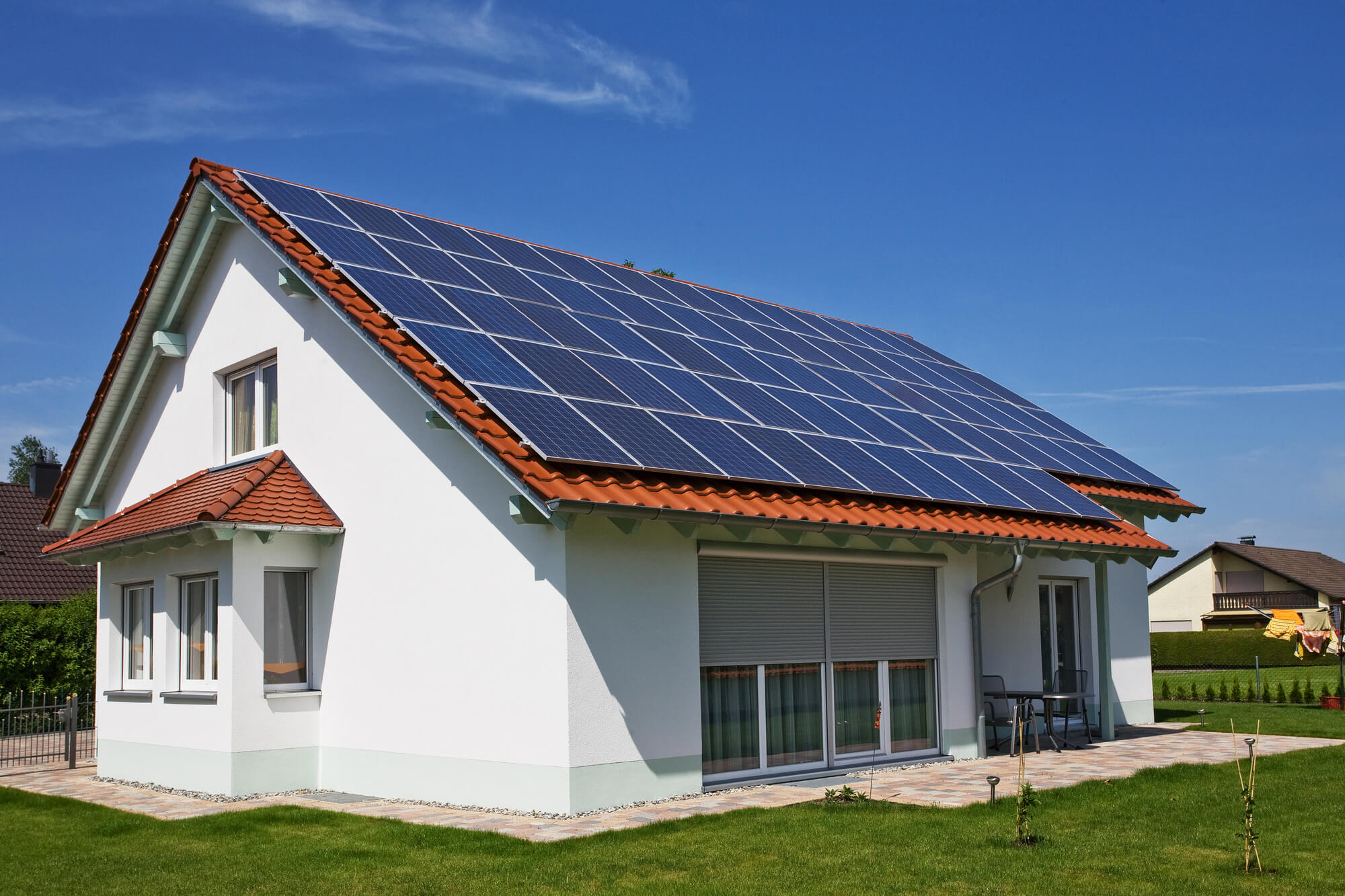
A solar lease lets you put panels on your roof and use the electricity they generate without buying the system outright. You pay a fixed (or slightly escalating) monthly payment to the leasing company, which owns and maintains the system, while you get the benefit of lower electricity costs. It’s a different financial structure from a loan or cash purchase, with its own tradeoffs.
How a Solar Lease Works
The leasing company (often the installer or a third-party financier) installs, owns, and maintains the solar system on your roof. In exchange, you pay a fixed monthly lease payment — typically set to be lower than your prior average electric bill — for a term usually running 20–25 years. You still buy any electricity beyond what your panels produce from the utility as normal.
Lease vs. Power Purchase Agreement (PPA)
A closely related option is a PPA, where instead of a fixed monthly lease payment, you pay per kilowatt-hour actually produced, usually at a rate below your utility’s price. Both structures share the core feature that the installer/financier — not you — owns the system.
| Lease | PPA | |
|---|---|---|
| Payment structure | Fixed monthly amount | Per kWh actually produced |
| Weather/output risk | You pay the same regardless of output | Lower bill in low-production months |
| Who owns the system | Leasing company | Financier/installer |
Escalator Clauses
Many leases and PPAs include an annual escalator clause — typically 1–3% per year — that raises your payment over time. This is meant to track rising utility rates, but if your utility’s rates rise more slowly than the escalator, your savings shrink or disappear over the life of the contract. Always ask for the escalator rate in writing before signing.
The ITC Doesn’t Go to You
Because the leasing company owns the system, they — not you — claim any federal solar tax credit. As of 2026, the Section 25D residential credit has expired for homeowners who buy and own systems, but the Section 48E commercial credit remains active through 2027 for installers offering leases and PPAs, meaning the leasing company can still factor that credit into your lease pricing even though you don’t claim it yourself.
Selling Your Home With a Leased System
A solar lease is a legal obligation that transfers with the home — you generally have three options when selling: transfer the lease to the buyer (subject to the buyer qualifying with the leasing company), buy out the remaining lease and convey the system as owned, or have the leasing company remove the system. Buyers and their lenders sometimes hesitate over an active lease, so this is worth planning for well before listing your home.
Lease/PPA vs. Buying: When Each Makes Sense
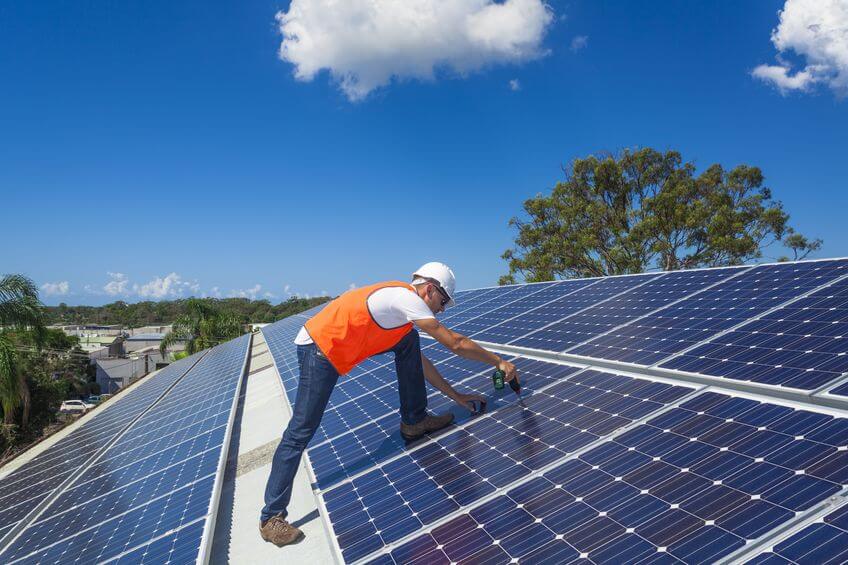
A lease or PPA makes the most sense if you want $0-down solar with no maintenance responsibility and don’t mind not owning the system or claiming any tax benefit. Buying (cash or loan) makes more financial sense over the long run if you plan to stay in the home for the full system life, since owned systems typically deliver larger total savings and add resale value that a leased system does not.
Frequently Asked Questions
How does a solar lease work?
A leasing company installs, owns, and maintains solar panels on your roof, and you pay a fixed monthly lease payment — typically lower than your prior electric bill — for a term usually of 20-25 years.
What’s the difference between a solar lease and a PPA?
A lease has a fixed monthly payment regardless of how much electricity the system produces, while a PPA charges per kilowatt-hour actually produced. Both leave system ownership with the installer or financier.
Do I get the federal solar tax credit with a lease?
No. The leasing company owns the system and claims any applicable federal credit, though as of 2026 that’s the Section 48E commercial credit (active through 2027), not the expired Section 25D residential credit.
What happens to my solar lease if I sell my house?
You typically have three options: transfer the lease to the buyer (pending their approval by the leasing company), buy out the remaining lease so the system conveys as owned, or have the leasing company remove the system.
What is an escalator clause in a solar lease?
An escalator clause raises your monthly lease payment by a set percentage (often 1-3%) each year. If it outpaces your utility’s actual rate increases, your savings can shrink over the contract’s life.
Is a solar lease or buying the system better?
A lease/PPA offers $0-down solar with no maintenance responsibility but smaller long-term savings and no added home value. Buying typically delivers larger total savings and resale value if you plan to stay in the home long-term.
Can I negotiate the terms of a solar lease?
Some terms (escalator rate, buyout price, transfer conditions) can vary between companies, so it’s worth comparing multiple lease/PPA offers and reading the full contract, including buyout and transfer provisions, before signing.
Summing Up
A solar lease trades ownership for a simpler, lower-commitment path to solar savings — you pay a fixed monthly amount while the leasing company owns, maintains, and claims tax benefits on the system. It’s a reasonable option if $0-down and no maintenance responsibility matter most to you, but understand the escalator clause and home-sale implications before signing. For a comparison of lease, PPA, and ownership options in your area, call (855) 427-0058 or visit us.solarpanelsnetwork.com.
Updated