
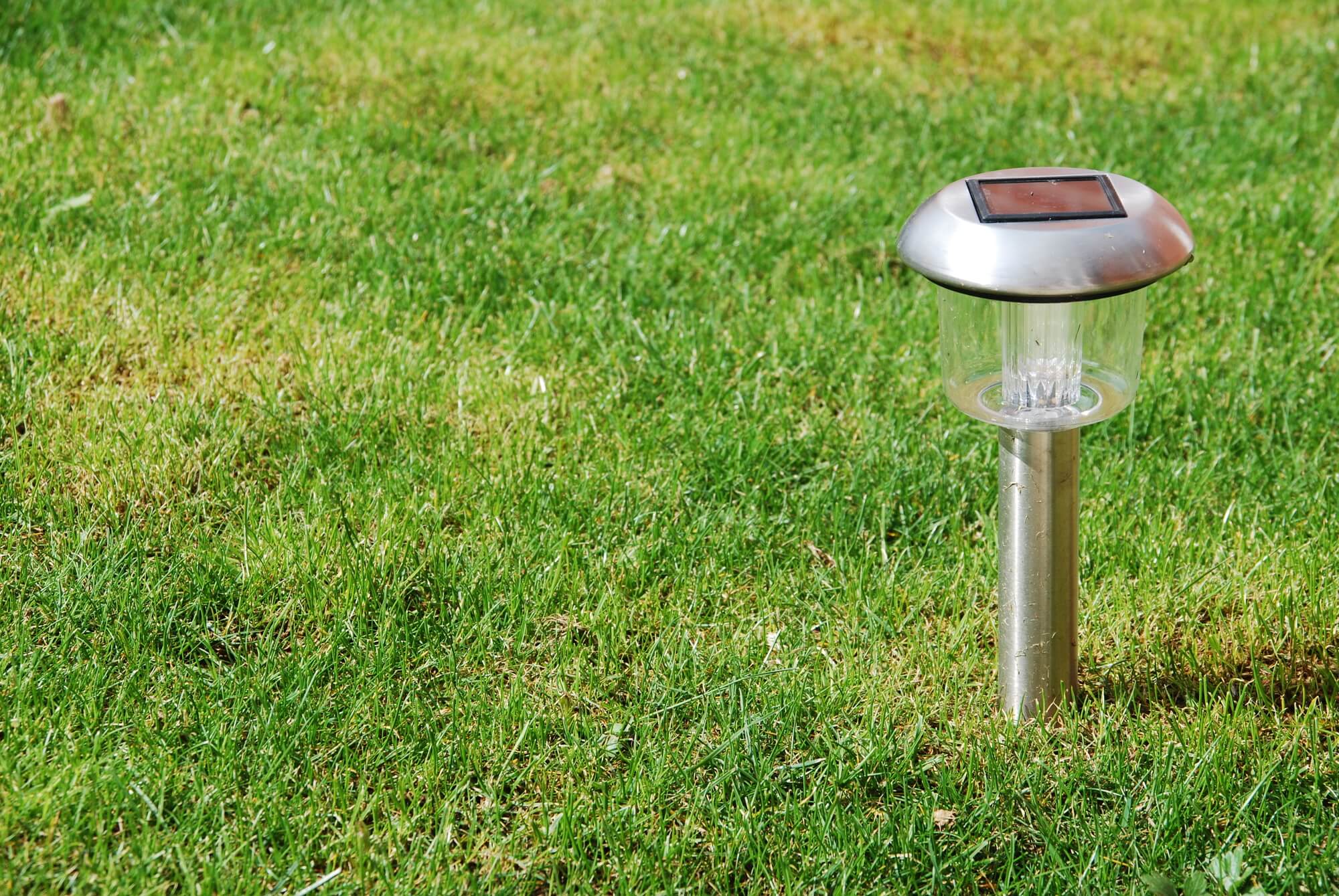
Solar lights brighten gardens, patios, and pathways using free sunlight, with no wiring or electricity required. While commercial solar lights cost $10–$100 each, building your own solar light is an affordable DIY project that costs just $5–$20 in materials. Whether you’re creating simple solar path lights, decorative solar lanterns, or functional solar spotlights, this guide covers multiple designs, components, and step-by-step instructions for making solar lights at home.
Understanding Solar Light Components
All solar lights share the same basic components: a solar panel, rechargeable battery, LED bulb, light sensor, and housing. Understanding how these work together helps you build reliable, long-lasting lights.
Solar Panel
The solar panel (typically 0.5–2 volts, 200–600mA) charges the battery during the day. Larger panels (2+ watts) charge faster and work better in partial shade. Panel efficiency matters; monocrystalline panels outperform amorphous panels in low-light conditions.
Rechargeable Battery
Most solar lights use AA or AAA NiMH (nickel-metal hydride) rechargeable batteries. These store energy during the day and power the LED at night. Capacity is measured in mAh (milliamp-hours); 1,200mAh is typical for a single AA battery. Higher mAh = longer runtime.
LED Bulb
LEDs are ideal for solar lights because they consume minimal power (30–500mW) and produce bright light. Color options include white (brightest, 5,000–6,500K), warm white (relaxing, 2,700–3,000K), and colored LEDs (red, blue, green for decorative effects).
Light Sensor (Dusk-to-Dawn Controller)
A simple photoresistor (LDR) or specialized IC chip automatically turns the light on at dusk and off at dawn. This prevents battery drain during daylight. Some DIY versions use mechanical switches or manual on/off controls instead.
Simple Solar Light Project: DIY Solar Jar Light
Difficulty Level: Beginner (No Soldering Required)
Materials
- Glass jar or clear plastic bottle
- Solar light kit (buy pre-assembled from Amazon, $5–$15) OR individual components (see below)
- Battery (AA or AAA NiMH rechargeable)
- LED bulb (warm white, 20–30mA draw)
- Small solar panel (1–2 watts)
- Dusk-to-dawn controller or simple switch
- Super glue or weatherproof sealant
- Decorative elements (stones, moss, yarn, etc.)
Construction Steps (Using Pre-Made Kit)
Step 1: Choose Your Container
Select a clear glass jar (mason jar, wine bottle, or clear plastic bottle works well). Smaller jars (8–12 oz) are perfect for single LEDs; larger jars hold multiple lights.
Step 2: Prepare the Solar Light Kit
Buy an inexpensive solar garden light kit online ($5–$10). These kits include pre-wired panels, controllers, and LEDs. Disassemble the kit.
Step 3: Place Components in the Jar
Insert the solar panel and battery into the jar. Position the LED to shine upward for nice internal illumination. Use a wire nut or waterproof connector to join the components if needed. If using a pre-made kit with all components sealed, simply place the entire unit inside the jar.
Step 4: Seal and Decorate
Seal the jar lid with waterproof silicone caulk, ensuring the solar panel faces upward. Decorate the inside with colored sand, pebbles, or moss for aesthetic appeal. Paint the jar lid matte black to improve solar absorption.
Step 5: Test
Place in bright sunlight for 6–8 hours to charge the battery. Move to a dark room in the evening; the light should illuminate automatically. If it doesn’t, check battery polarity and connections.
Performance and Lifespan
A simple solar jar light provides 4–8 hours of illumination per night after a full day’s charge. Lifespan depends on battery quality; expect 2–4 years before the battery no longer holds charge effectively.
Intermediate Project: Solar Light with Custom Electronics
Difficulty Level: Intermediate (Basic Soldering Required)
Building from individual components offers more control over brightness, color, and function. This approach costs $10–$20 but requires basic soldering skills.
Materials
- Solar panel: 2V, 500mA (cost: $3–$5)
- Rechargeable battery: 1.2V AA NiMH (cost: $1–$2)
- LED: Warm white, 20mA rating (cost: $0.50)
- Dusk-to-dawn IC chip (optional, e.g., LM3914) or simple photoresistor LDR circuit
- Resistors and capacitors (if building circuit from scratch): $1–$2
- PCB board or breadboard (reusable): $2–$5
- Soldering iron, solder, wire
- Waterproof housing (plastic box or 3D-printed case): $2–$5
Circuit Design: Simple No-IC Version
The simplest circuit connects:
- Solar panel positive → Battery positive
- Solar panel negative → Photoresistor (LDR) to ground
- LDR junction → LED anode (through 220 ohm resistor for current limiting)
- LED cathode → Battery negative
This circuit automatically lights the LED when light falls below a threshold (when the photoresistor’s resistance rises at dusk). The solar panel charges the battery during the day.
Construction Steps
Step 1: Design the Circuit
Sketch your circuit on paper, planning component layout. Ensure the solar panel connects to charge the battery during daylight and the LED circuit activates at night.
Step 2: Solder Components
Solder components onto a small PCB board, starting with the largest (battery holder) and ending with small components (resistors, LED). Use flux to improve solder flow and heat-shrink tubing to insulate connections.
Step 3: Assemble in Housing
Mount the PCB in a waterproof plastic box. Drill holes for the solar panel (facing upward) and LED (facing outward). Use silicone caulk to seal all openings.
Step 4: Test Thoroughly
Charge in sunlight 6–8 hours. Move to darkness; the LED should illuminate. Adjust the photoresistor sensitivity if needed (use a variable resistor/potentiometer).
Performance
Custom-built solar lights can be tuned for brightness and on-time duration. A 1,200mAh AA battery with a 20mA LED provides roughly 50 hours of continuous lighting, or 8–10 hours per night for 5–6 nights. Add more batteries in parallel to extend runtime.
Advanced Project: Brightest Solar Spotlight
Difficulty Level: Advanced (Requires Soldering and Circuit Design)
For maximum brightness, use high-power white LEDs (5W+) and larger solar panels with multiple batteries. This approach illuminates an entire patio or garden.
Materials
- Solar panel: 10W, 18V (cost: $20–$30)
- MPPT charge controller: $20–$40 (optimizes charging efficiency)
- Lithium battery bank: 48V, 10Ah (cost: $100–$200) OR multiple LiFePO4 cells
- High-power LED: 5W–30W, warm white (cost: $5–$15)
- LED driver circuit: $10–$20
- Aluminum heatsink for LED: $5–$10
- Motion sensor (optional): $3–$8
- Waterproof aluminum housing: $20–$50
High-power spotlights cost $200–$500 to build but rival commercial solar spotlights at a fraction of the price and with customization options.
Harvesting Components from Existing Solar Lights
If you don’t want to source individual components, salvage working parts from dollar-store solar lights. Most quality solar light kits can be repurposed into custom projects.
Steps
- Buy 3–5 inexpensive solar lights ($1–$3 each)
- Disassemble each unit carefully
- Collect solar panels, batteries, LEDs, and controllers
- Test each component with a multimeter
- Combine working components into a custom light fixture
This approach costs $10–$20 for materials that would normally cost $50+ if purchased individually.
Design Variations
Solar Wine Bottle Lights
Place a solar light kit in the neck of an empty wine bottle. During the day, the bottle acts as a lens, concentrating light into the battery. At night, the light shines through the colored glass for an attractive decorative effect. Popular for garden parties and patios.
Solar Stake Lights
Mount a light on a tall stake or pole (PVC pipe, metal rod) inserted into the ground. Ideal for pathway lighting or marking garden edges. Include a large solar panel at the top for efficient charging.
Solar Hanging Lanterns
Suspend a solar light from a hook or rope. Mount the solar panel on top of the lantern housing. This works beautifully on patios, decks, and tree branches.
Solar Spotlights
Use high-power LEDs angled to illuminate specific features (plants, sculptures, architecture). Add lens optics for focused beams.
Motion-Activated Solar Lights
Include a passive infrared (PIR) motion sensor that triggers the LED only when motion is detected. This extends battery life and provides security lighting. Motion sensors cost $5–$15.
Maximizing Solar Light Performance
Placement
Position lights where they receive 6+ hours of direct sunlight daily. South-facing locations (Northern Hemisphere) are ideal. Avoid shade from trees or buildings, which reduces charging efficiency by 50–75%.
Angle and Tilt
Tilt the solar panel toward the sun at an angle equal to your latitude. This maximizes charging throughout the year. Vertical panels work but charge more slowly.
Clean Regularly
Dust and debris reduce solar absorption by 10–20%. Clean panels monthly with a soft cloth and water.
Seasonal Adjustments
In winter, charge times extend and LED runtime decreases due to shorter days and weaker sun angle. Consider moving lights to sunnier locations or adding larger solar panels in winter.
Advanced Enhancements: Improving Homemade Solar Light Performance
Adding Reflectors for Greater Brightness
Mount reflective material (aluminum foil, mirror, or specialized reflective film) behind or beside the solar panel to redirect additional sunlight. This can increase charging speed by 20–30%. For the light itself, parabolic reflectors focus LED output, increasing effective brightness by 40–60%.
Upgrading to Larger Solar Panels
Standard solar lights use 0.5–2 watt panels. Upgrading to 5–10 watt panels (available online for $20–$50) enables much faster charging and longer runtime. The tradeoff is increased size and cost, but performance in partially shaded areas improves dramatically.
Dual-Battery Configuration
Using two batteries instead of one doubles runtime without significant cost increase. Batteries can be wired in parallel (same voltage, double capacity) or series (double voltage, same capacity). Parallel wiring is safer and most appropriate for DIY lights.
Smart Lighting Modes
Advanced DIY projects can incorporate motion sensors that trigger full brightness when movement is detected, then reduce to dim mode when no motion is present. This extends battery runtime by 2–3 times. Motion sensor modules cost $5–$15 and integrate easily into LED circuits.
Lifetime Value: Why Homemade Solar Lights Win
The economics of DIY solar lights are compelling. A homemade light costing $10 in materials provides years of operation without electricity cost. Commercial lights priced $50–$100 offer similar components and lifespan. Building ten lights for $100 total versus buying ten for $500–$1,000 represents massive savings. Over 10 years, the cost per light per year for homemade units is under $1, versus $5–$10 for commercial equivalents.
Beyond cost, building your own lights provides educational value and allows customization. You can create lights perfectly sized for your garden, choose exact colors and brightness levels, and repair components easily when replacements are needed. Community gardens, schools, and environmentally conscious homeowners often embrace solar DIY projects as both practical and educational endeavors.
Troubleshooting Common Issues
Light Won’t Turn On
Cause: Dead battery or bad connection
Fix: Check battery polarity, test with a multimeter, replace if voltage is below 1.0V
Very Dim Light
Cause: Weak battery or dirty solar panel
Fix: Clean solar panel, test battery voltage, extend charge time
Light Stays On During Day
Cause: Broken photoresistor or sensor failure
Fix: Replace the dusk-to-dawn controller or repair the LDR circuit
Short Runtime
Cause: Battery degradation (normal after 2–3 years)
Fix: Replace battery with a fresh NiMH cell
Frequently Asked Questions
What’s the cheapest way to make solar lights?
Buy used or broken solar lights at thrift stores ($0.50–$1) and harvest working components. Combine parts into custom lights for $5–$10 total material cost.
How long do homemade solar lights last?
Solar panels last 25+ years. LEDs last 25,000–50,000 hours. Batteries degrade after 2–4 years of daily charging. Replacing the battery keeps the light functional for decades.
Can I use rechargeable batteries other than NiMH?
Yes. Lithium-ion and LiFePO4 batteries work but cost more. They hold charge longer (2–3 months vs. 1 month for NiMH) and have longer lifespans (5–10 years). For most DIY lights, NiMH is adequate and inexpensive.
Do homemade solar lights work in winter?
Yes, but with reduced performance. Shorter days mean less charging time; longer nights mean more discharge time. Winter runtime might drop from 8 hours to 3–4 hours. Adding larger solar panels or extra batteries mitigates this.
Summing Up
Making your own solar lights is a fun, inexpensive DIY project suitable for all skill levels. Simple jar lights cost $5–$15 and require no soldering; intermediate projects with custom electronics cost $15–$30; advanced high-power spotlights cost $100–$300 but match commercial performance. Using harvested components from inexpensive lights reduces costs further. Regular maintenance (cleaning panels, replacing aged batteries) keeps homemade solar lights functional for 25+ years. Whether building decorative garden lights or functional security lighting, solar DIY projects harness free solar energy while reducing electricity costs.
For professional solar lighting solutions that integrate with your home’s overall energy system, call (855) 427-0058 to explore comprehensive solar and lighting packages.
Updated