
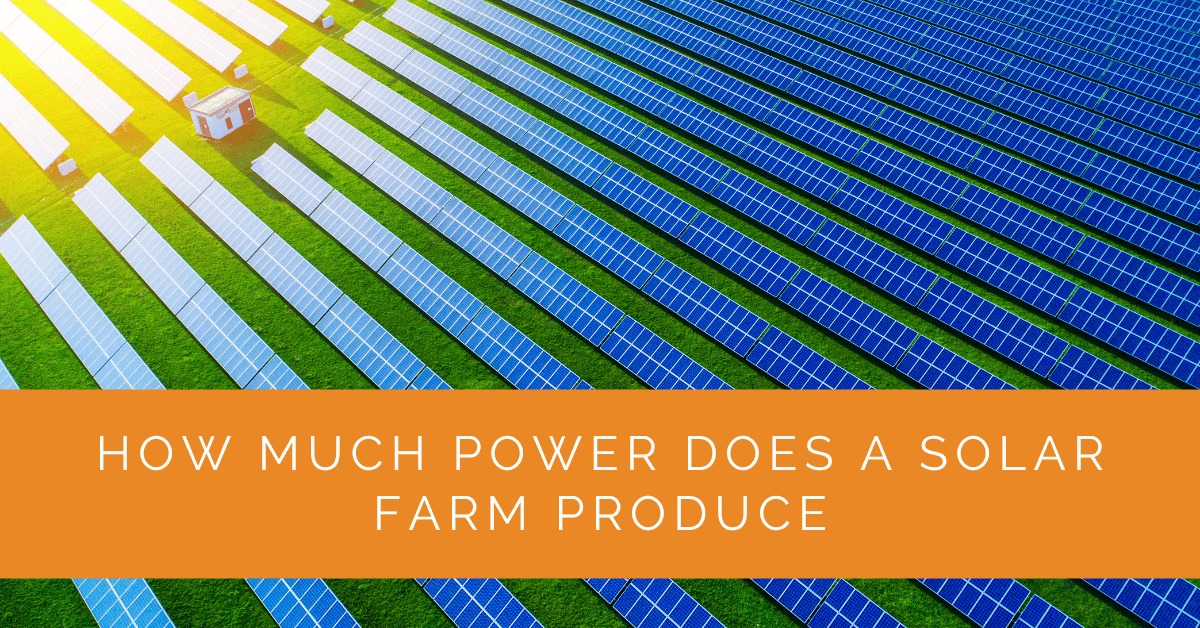
Solar farms have transformed from experimental renewable energy projects into major contributors to US electricity generation. Understanding how much power a solar farm produces requires understanding capacity, capacity factors, and how farms of different sizes translate into real-world electricity generation. Whether you’re curious about the solar farm you see while driving down the highway or you’re researching how solar contributes to national energy goals, the numbers reveal a compelling story about solar’s growing role in powering America.
A single 1 MW solar farm produces approximately 1.5 to 2.5 million kilowatt-hours of electricity annually, depending on location and weather. That’s enough to power 150 to 250 average American homes for a year.
What Is a Solar Farm?
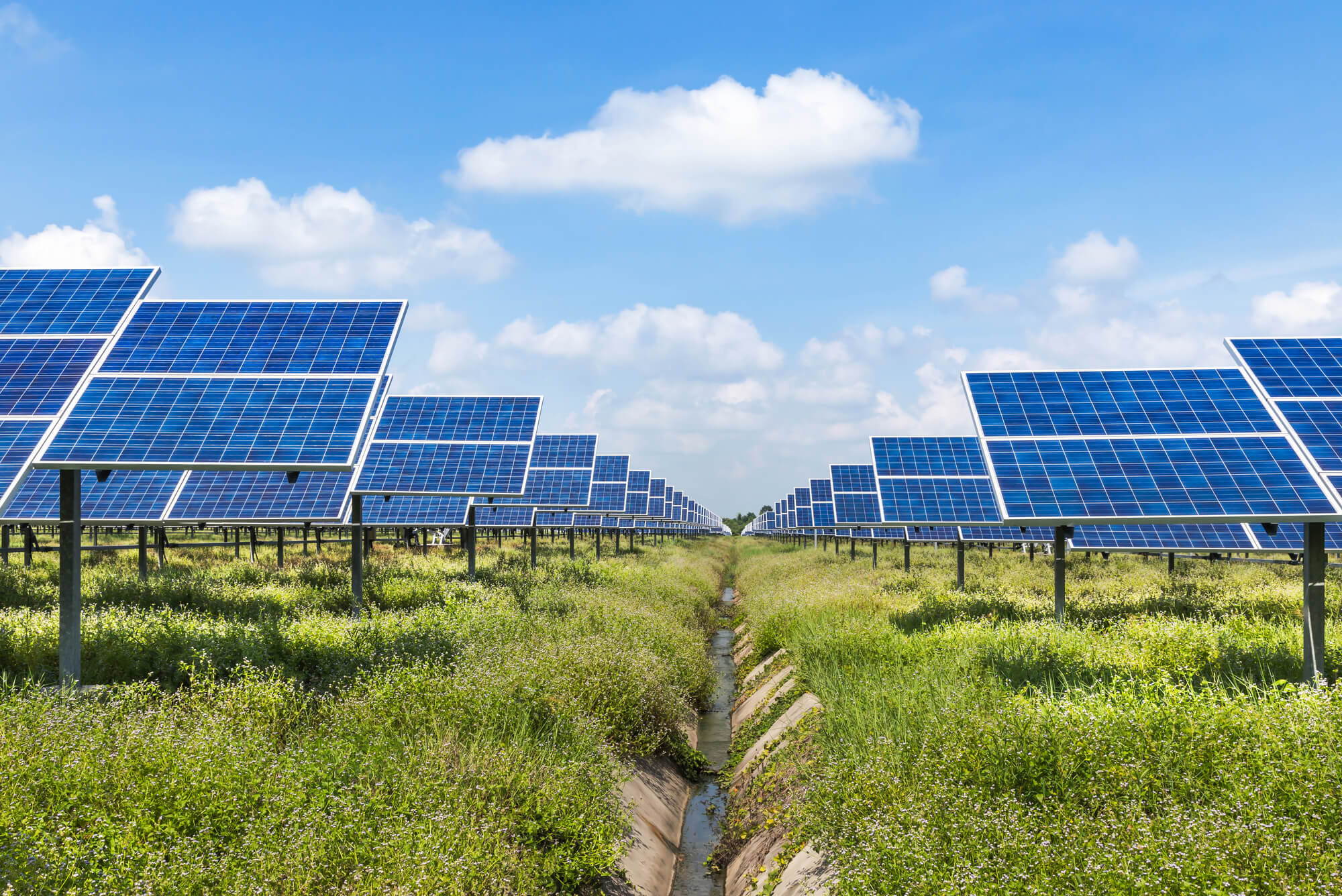
A solar farm is a large array of ground-mounted solar panels, typically ranging from 1 megawatt (MW) to 500+ megawatts in capacity. Unlike rooftop residential systems (typically 5-10 kW), solar farms are utility-scale installations designed to feed electricity directly into the power grid.
Solar Farm Output by Size
1 MW farm: 1.5–2.5 million kWh/year → 150–250 homes.
10 MW farm: 15–25 million kWh/year → 1,500–2,500 homes.
100 MW farm: 150–250 million kWh/year → 15,000–25,000 homes.
500 MW farm: 750–1,250 million kWh/year → 75,000–125,000 homes.
Capacity Factor: The Critical Concept
Solar panels only generate power during daylight hours, and output varies with weather and seasons. Capacity factor is the ratio of actual energy output to theoretical maximum if operating 24/7.
A 100 MW farm with a 20% capacity factor produces (100 MW × 20% × 8,760 hours) = 175,200 MWh annually. US solar farms achieve 15–25% capacity factors depending on location: Southwest (Arizona, California) reaches 20–25%; Midwest/Northeast reaches 12–18%; Pacific Northwest reaches 10–15%.
Factors Affecting Output
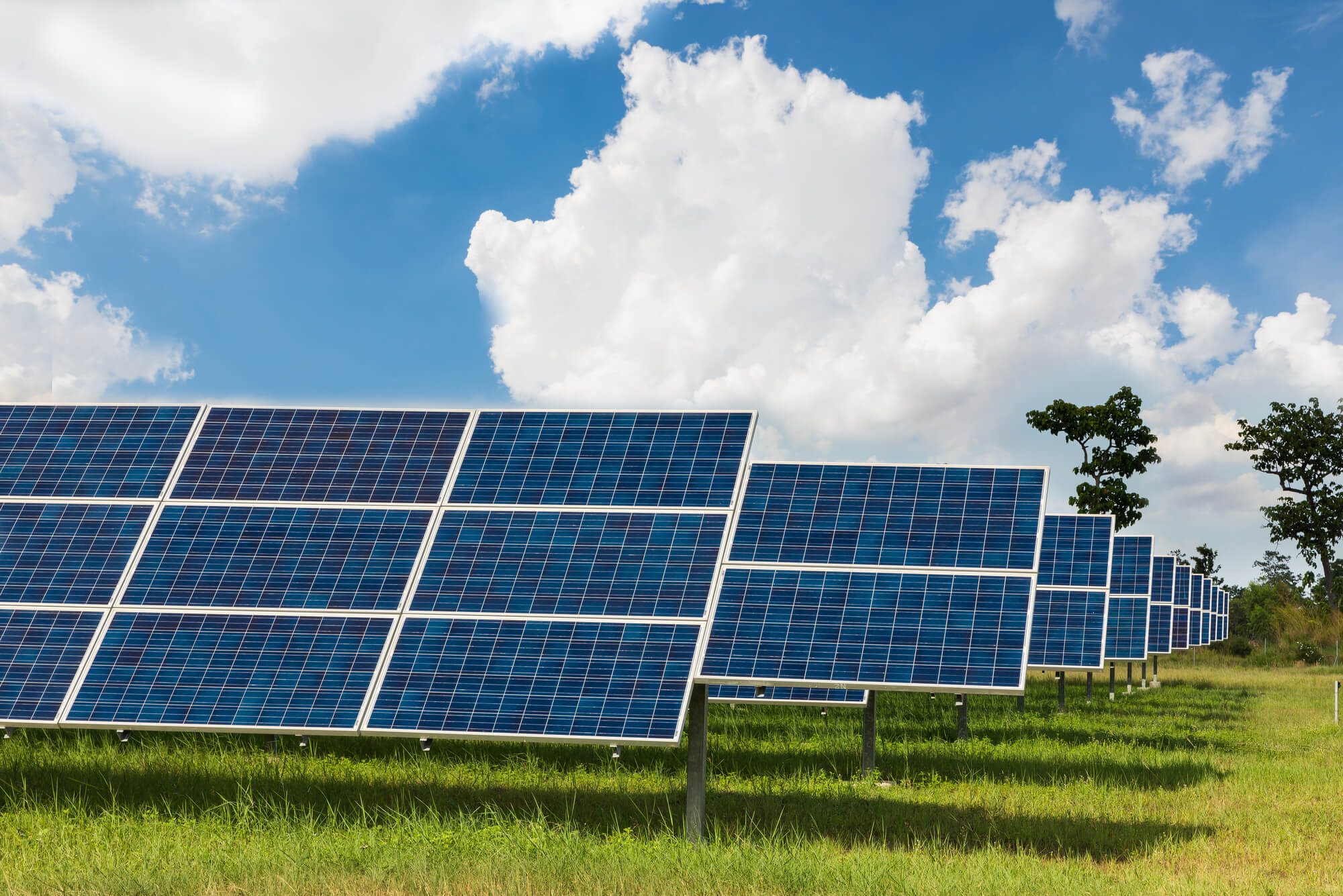
Geographic location, seasonal variation, cloud cover, panel efficiency (18–22% for modern monocrystalline), array tilt and tracking systems (single-axis tracking adds 20–30% output), and dust/soiling (1–5% loss in dry climates) all affect how much a solar farm produces.
The World’s Largest Solar Farms
The Bhadla Solar Park in India (2,700 MW) generates ~4 billion kWh/year — enough for 400,000 homes. Solar Star in California (579 MW) generates 870–1,000 MWh/year, serving roughly 90,000 homes. Topaz Solar Farm in California (550 MW, completed 2015) generates 900+ MWh/year.
Frequently Asked Questions
How much electricity does a 1 MW solar farm produce annually?
A 1 MW solar farm produces approximately 1.5 to 2.5 million kilowatt-hours annually, enough to power 150–250 average American homes. The exact output depends on capacity factor, which ranges from 10–15% in cloudy northern regions to 20–25% in sunny southwestern locations.
What is capacity factor in solar farming?
Capacity factor is the ratio of actual energy produced to the theoretical maximum if a solar farm operated at full power 24/7. US solar farms typically achieve 15–25% capacity factors, accounting for nighttime, seasonal variation, clouds, and equipment losses.
How much land does a solar farm occupy?
Approximately 4–8 acres per megawatt. A 100 MW farm requires 400–800 acres, with 30–40% of that area actually under panels and the remainder used for access roads, setbacks, and open space.
How many homes can a 100 MW solar farm power?
A 100 MW farm producing 150–250 million kWh annually can power approximately 15,000–25,000 homes at average US consumption of 10,500 kWh per year.
Which US state has the best conditions for solar farms?
The Southwest (Arizona, southern California, southern Nevada, Texas panhandle) offers the best solar resources — high insolation, minimal cloud cover, achieving capacity factors of 20–25%. However, solar farms are economically viable throughout most of the US due to declining panel costs.
Summing Up
Solar farms have become major grid contributors. A 1 MW farm produces 1.5–2.5 million kWh annually, powering 150–250 homes. Utility-scale 100–500+ MW farms are the future of solar development. The world’s largest, Bhadla in India, reaches 2,700 MW; the largest US farm, Solar Star in California, generates enough electricity for roughly 90,000 homes.
Capacity factor — the realistic output accounting for night, seasons, and weather — is the key metric for understanding solar farm economics. Sunny southwestern locations achieve 20–25%; cloudier northern regions achieve 12–18%. As costs decline, expect continued growth in US solar farm deployment throughout the decade.
Ready to get quotes from local installers? Call (855) 427-0058 or get a free quote to compare options in your area.
Updated