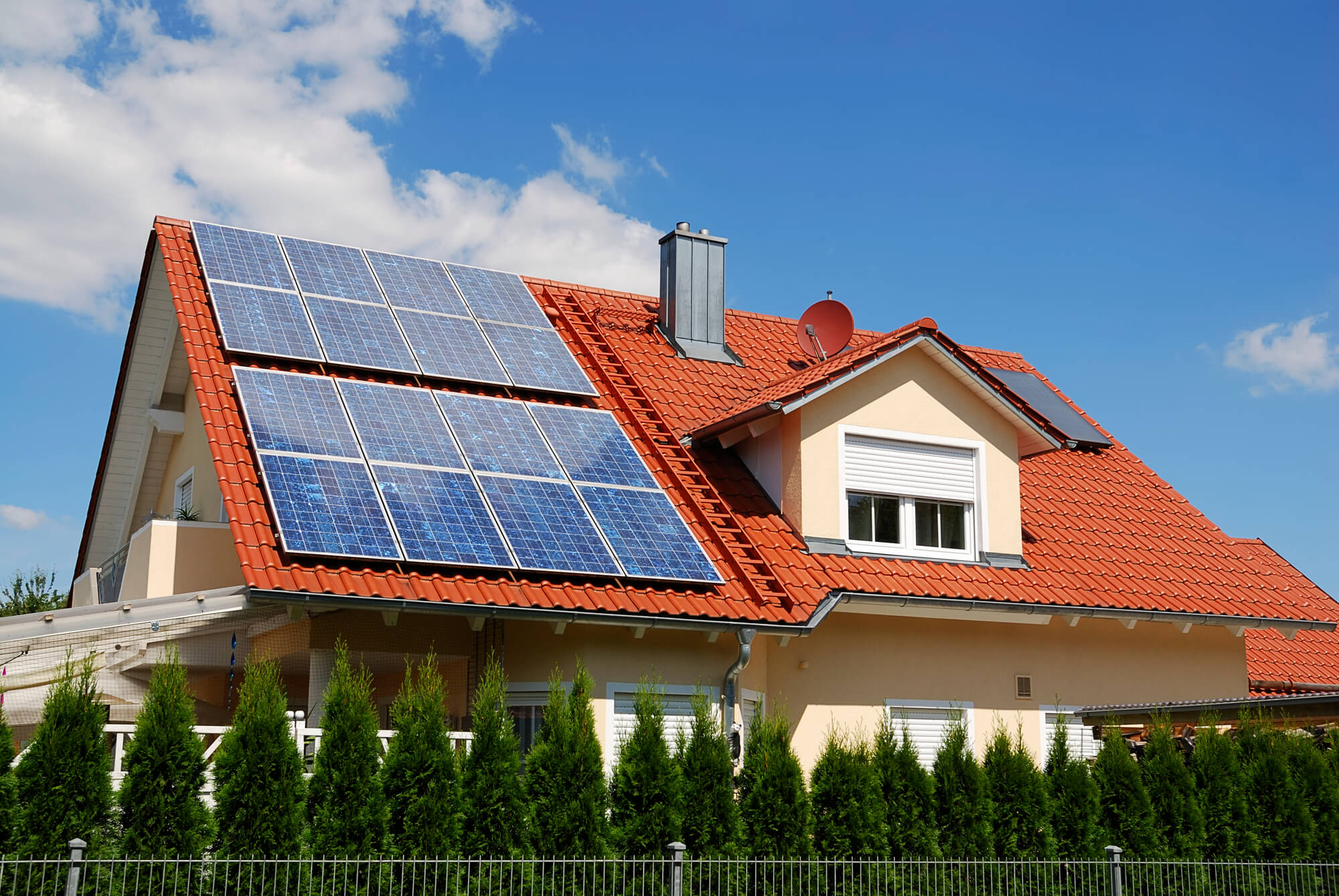
Buying a home with an existing solar panel system can be a smart investment—but the details matter greatly. Is the system owned outright, financed through a loan, or leased from a third party? Can you take over ownership smoothly, or will you inherit ongoing monthly payments? These questions directly affect whether solar panels are an asset or a liability when you’re ready to close.
Contents
- 1 The Three Solar Ownership Scenarios
- 2 Verifying System Age and Condition
- 3 Home Value Impact
- 4 The 30% Federal Tax Credit: Can the New Owner Claim It?
- 5 Questions to Ask the Seller Before Closing
- 6 Post-Closing Steps
- 7 Frequently Asked Questions
- 7.1 Can I remove the solar panels if I buy the home and don’t want them?
- 7.2 Does homeowners insurance cover solar panels?
- 7.3 Can I get a mortgage on a home with a leased solar system?
- 7.4 What happens if the solar system stops working after I buy?
- 7.5 What do I do if the system was never registered or monitored?
- 7.6 Does owning a home with solar affect my property taxes?
- 8 Summing Up
The Three Solar Ownership Scenarios
Scenario 1: Fully Paid-Off Owned System (Best Case)
If the system is completely paid off, ownership transfers to you as part of the property deed at closing. You own the panels outright, receive all electricity production credits, and are responsible for maintenance. There are no ongoing payments or third-party agreements.
Ask the seller to provide: proof of purchase (original installation contract), confirmation there are no outstanding loans or liens on the system, and warranty documents. Verify you can transfer the monitoring app (Enphase, SolarEdge, etc.) to your name after closing.
Scenario 2: System with an Outstanding Solar Loan
If the seller financed the system, the loan may be secured (attached to the property as a lien) or unsecured (personal debt not attached to the home). A secured loan will appear on the property title. Your title company will require the seller to pay it off at closing—meaning you won’t inherit the payments. An unsecured loan stays with the borrower and doesn’t transfer to you.
During due diligence, ask whether the solar loan is secured or unsecured. Request a current payoff statement. If it’s a UCC-1 filing (a legal notice of secured debt), full payoff before closing is non-negotiable.
Scenario 3: Leased System or Power Purchase Agreement (Most Complicated)
With a lease or PPA, a solar company (Sunrun, Vivint, etc.) owns the panels. When you buy the home, you don’t automatically inherit ownership—instead, you must either assume the lease (taking over the monthly payments and remaining contract term), buy out the lease ($5,000-$30,000 depending on remaining term), or have the seller handle the buyout before closing.
Get a copy of the lease or PPA contract during your inspection period. Contact the solar company directly to understand transfer terms, credit requirements, and buyout amount. This conversation should happen before you finalize your offer.
Verifying System Age and Condition
Solar panels last 25-30 years, but the inverter is the weak point. A string inverter (most common) lasts 10-15 years. A microinverter (one per panel) lasts 25+ years. If the system is 10+ years old with a string inverter, factor in a replacement cost of $3,000-$8,000 installed within a few years.
Ask for 12 months of production data from the monitoring app (Enphase Enlighten, SolarEdge app, SMA Sunny Portal). Production should show consistent seasonal variation—higher in summer, lower in winter—with no sudden drops. A sharp mid-year drop suggests a performance problem. Hire a solar engineer for an inspection ($200-$500) if numbers look off.
Also check the roof. If the roof is 10+ years old, budget for replacement during your ownership—which means a $1,500-$3,000 cost to temporarily remove and reinstall the solar panels.
Home Value Impact
A Lawrence Berkeley National Lab study found homes with owned solar systems sell for approximately $15,000 more than comparable homes without solar (based on an average 5 kW system). The premium only applies to owned systems. Leased systems add little to no value and may complicate your mortgage approval—some lenders treat solar leases as a debt obligation. Check with your mortgage lender early in the process.
The 30% Federal Tax Credit: Can the New Owner Claim It?
No. The ITC can only be claimed by the original installer. As the buyer, you cannot claim the credit on an existing system, even if the original owner never used it. The ITC remains available through 2032 for new installations (e.g., if you add battery storage in the future).
Questions to Ask the Seller Before Closing
- Is the system owned outright, financed, or leased?
- Are there any liens or UCC filings on the solar system?
- What’s the inverter brand/model, and when was it installed?
- Can you provide 12 months of production monitoring data?
- What warranties remain, and can they be transferred?
- What is the roof’s age, and has it been inspected recently?
- What is the current net metering agreement with the utility?
If leased, also ask: What’s the monthly payment, remaining term, annual escalator rate, and buyout amount? Has the solar company confirmed the lease is transferable?
Post-Closing Steps
After closing, transfer the monitoring app login to your name by contacting the inverter manufacturer with your proof of ownership. Confirm the net metering agreement with your utility. If the system is leased, contact the solar company with closing documents to formally transfer the lease. Confirm your homeowner’s insurance covers the system.
Frequently Asked Questions
Can I remove the solar panels if I buy the home and don’t want them?
If owned, yes—removal costs $1,000-$3,000. If leased, the solar company owns them and won’t remove unless you buy out the lease. It’s usually better to keep an owned system and benefit from the reduced bills rather than pay for removal.
Does homeowners insurance cover solar panels?
Owned solar systems are typically covered under your dwelling coverage (similar to your roof). Leased systems are covered by the solar company’s insurance. Notify your insurer of the solar system and confirm it’s included in your replacement cost estimate.
Can I get a mortgage on a home with a leased solar system?
Yes, but lenders view leased systems more cautiously. Some require the lease to be paid off before closing, or they count the monthly payment as debt. Talk to your mortgage lender early in the process—before making an offer—to understand their policy. Shop multiple lenders if your primary lender is hesitant.
What happens if the solar system stops working after I buy?
Owned systems: you’re responsible for repairs (though manufacturer warranties may cover components). Leased systems: the solar company handles all repairs at no cost. Request warranty documents during inspection period so you know what’s covered and for how long.
What do I do if the system was never registered or monitored?
This is a red flag. Hire a solar inspector to verify the system is functioning and up to code. Contact the original installer for installation records. If you can’t verify the system’s condition before closing, use that as a negotiating point to either reduce the price or have the seller hire an inspector and make any necessary repairs.
Does owning a home with solar affect my property taxes?
In many states, solar installations are exempt from property tax increases. About 36 states have some form of solar property tax exemption, meaning the added home value from solar doesn’t raise your property tax assessment. Check your state’s specific law—this is a meaningful benefit in high-property-tax states.
Summing Up
Buying a home with solar panels is often a great deal—but only if you understand what you’re inheriting. Owned systems add value and simplify the transaction. Financed systems require checking for liens. Leased systems require careful evaluation of transfer terms and buyout costs. Before closing, request production data, verify system age and inverter condition, confirm roof life, and understand any ongoing payment obligations. A well-maintained owned system is an asset; a poorly documented leased system can be a headache. Do your due diligence during the inspection period, not after the keys are in your hand.
Ready to get quotes from local installers? Call (855) 427-0058 or get a free quote to compare options in your area.
Updated