
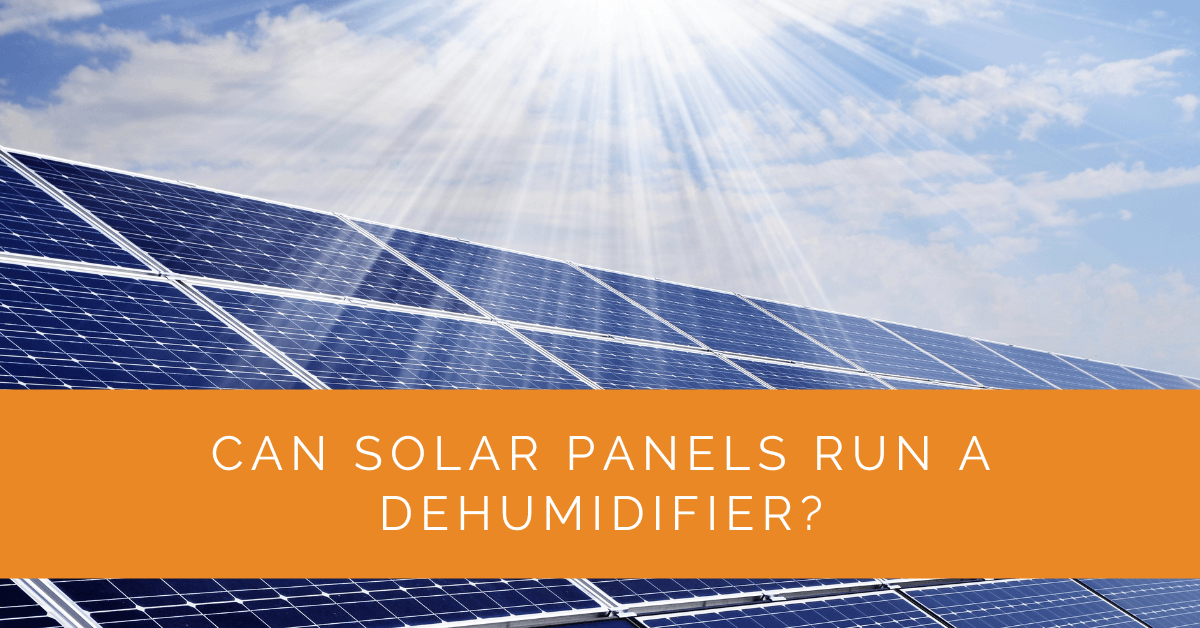
With the increasing interest in solar power and its potential applications, many wonder if solar panels can effectively power dehumidifiers. This article will explore the possibilities and benefits of using solar panels to run dehumidifiers. From understanding how dehumidifiers work to sizing the solar panel system, we will delve into the details of harnessing solar energy for efficient moisture control.
Key Takeaways
- Solar panels can effectively power dehumidifiers, offering an eco-friendly and cost-effective solution for moisture control.
- Solar-powered dehumidifiers provide energy independence, cost savings, and environmental benefits by utilizing clean and renewable solar energy.
- Proper calculation of wattage requirements, sizing the solar panel system, and considering inverters ensure optimal performance when running a dehumidifier with solar panels.
How Dehumidifiers Work
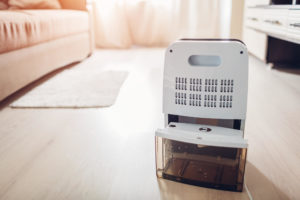
Dehumidifiers are appliances designed to reduce the humidity level in the air. They draw in moist air, pass it through a cooling coil, and condense the moisture into a collection tank or drain. The resulting drier air is then reheated and released back into the environment.
Traditional dehumidifiers rely on electricity from the grid to power their operations. However, with solar panels’ increasing availability and affordability, using solar power to run dehumidifiers has gained traction. Solar panels, which convert sunlight into electricity, offer a clean and renewable energy source for powering various household appliances.
Solar-Powered Dehumidifiers: An Overview
Solar-powered dehumidifiers provide an eco-friendly alternative to traditional models, harnessing the power of solar energy for efficient moisture control. These dehumidifiers utilize solar panels to generate electricity, reducing reliance on grid electricity and offering several advantages.
- Energy Independence: Solar-powered dehumidifiers allow you to operate them using renewable energy from the sun, reducing your dependence on traditional electricity sources. By using solar power, you can potentially lower your electricity bill and minimize your carbon footprint.
- Cost Savings: As solar energy is a free and abundant resource, utilizing it to power your dehumidifier can result in significant cost savings. You can reduce energy consumption and enjoy long-term financial benefits by harnessing the sun’s power.
- Environmental Benefits: Solar-powered dehumidifiers are environmentally friendly, utilizing a clean and renewable energy source. By opting for solar energy, you contribute to reducing greenhouse gas emissions and help combat climate change.
Types of Solar-Powered Dehumidifiers
Solar-powered dehumidifiers come in different types, each catering to specific needs and environments. Let’s explore two main types:
Standalone Solar-Powered Dehumidifiers
Standalone solar-powered dehumidifiers are designed specifically to operate on solar power. These portable units have built-in solar panels, allowing them to generate electricity directly from sunlight. Standalone solar-powered dehumidifiers are typically used in smaller to medium-sized spaces such as bedrooms, basements, or offices.
One of the advantages of standalone solar-powered dehumidifiers is their ease of installation. They can be placed in locations with maximum sun exposure, ensuring optimal energy generation. To enhance efficiency, these units often feature energy-efficient components, such as low-power consumption fans and compressors.
Hybrid Solar-Powered Dehumidifiers
Hybrid solar-powered dehumidifiers combine solar energy with traditional electricity sources. These units are designed to switch between solar and grid power, offering flexibility in various conditions. Hybrid dehumidifiers detect the availability of solar energy and utilize it whenever possible, automatically switching to grid power when sunlight is insufficient.
The hybrid functionality ensures continuous operation even during cloudy days or times when solar energy alone may not be sufficient. These dehumidifiers provide a seamless transition between solar and grid power, ensuring efficient moisture control without interruptions.
Powering Dehumidifiers with Solar Panels
Several factors need to be considered to effectively power a dehumidifier with solar panels, including the wattage requirements and sizing of the solar panel system.
Calculating the Wattage Requirements
Determining the wattage requirements is crucial to ensure your solar panel system can generate enough power to run the dehumidifier effectively. The wattage requirements depend on the size and capacity of the dehumidifier, as well as its power consumption.
To estimate the wattage needed, refer to the specifications provided by the dehumidifier manufacturer. Typically, the power consumption is stated in watts or kilowatts. For example, a medium-sized dehumidifier might consume around 500 watts.
Considering the power consumption, you can determine the amount of solar energy required to power the dehumidifier consistently. This calculation enables you to select the appropriate solar panel capacity and ensure it meets the dehumidifier’s energy demands.
Sizing the Solar Panel System
Properly sizing the solar panel system is crucial for optimal performance. The size of the solar panel system depends on factors such as geographical location, available sunlight, and the energy requirements of the dehumidifier.
In areas with abundant sunlight, a smaller solar panel system may be sufficient to power the dehumidifier. However, regions with less sunlight or high humidity levels might require larger solar panel systems to generate the necessary electricity consistently.
To accurately size the solar panel system, consulting with a solar energy professional is recommended. They can assess your needs, consider the environmental conditions, and provide recommendations on the number and capacity of solar panels required.
Using an Inverter for AC-Powered Dehumidifiers
Most dehumidifiers available in the market operate on alternating current (AC). You will need an inverter if you plan to power an AC-powered dehumidifier with solar panels.
An inverter converts the direct current (DC) electricity the solar panels produce into AC electricity, compatible with AC-powered dehumidifiers. It enables you to effectively utilize solar energy and power the dehumidifier without compatibility issues.
When choosing an inverter, ensure that it can handle the power requirements of the dehumidifier. Consider the inverter’s capacity, efficiency, and compatibility with your specific dehumidifier model. Proper wiring and adherence to electrical codes are essential for safety and optimal performance.
Using solar panels to power your dehumidifier allows you to use renewable energy, reduce your electricity bills, and minimize your environmental impact. Solar-powered dehumidifiers provide a sustainable solution for maintaining optimal humidity levels in various spaces, such as basements, bathrooms, or areas prone to high humidity.
Solar-Powered Dehumidifiers vs. Traditional Dehumidifiers
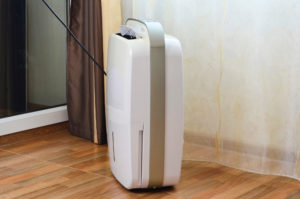
When comparing solar-powered dehumidifiers with traditional models, several factors come into play:
- Energy Source: Solar-powered dehumidifiers rely on renewable solar energy, while traditional dehumidifiers depend on grid electricity. Solar power offers a clean and sustainable energy source, reducing your carbon footprint and environmental impact.
- Cost Savings: Solar-powered dehumidifiers can result in significant cost savings over time. By utilizing solar energy, you can reduce your electricity bills and mitigate the rising grid electricity costs.
- Dependence on Sunlight: Solar-powered dehumidifiers depend on sunlight to generate electricity. While they can still operate during cloudy days, their performance might be affected. In contrast, traditional dehumidifiers can operate consistently regardless of weather conditions.
- Versatility: Traditional dehumidifiers offer various options and capacities suitable for various applications. However, advancements in solar-powered dehumidifiers have expanded their versatility, making them viable options for many indoor spaces.
Choosing between a solar-powered dehumidifier and a traditional dehumidifier depends on your specific needs and circumstances. A solar-powered dehumidifier can be an excellent choice if you live in an area with ample sunlight and want to embrace renewable energy sources. It offers energy independence, cost savings, and environmental benefits. On the other hand, traditional dehumidifiers provide consistent performance regardless of sunlight availability and offer a wide range of options to suit different humidity levels and room sizes.
Frequently Asked Questions
How many solar panels do you need to run a dehumidifier?
It depends on the dehumidifier’s wattage and your local sunlight availability. A typical dehumidifier uses 300 to 700 watts. A single 400-watt solar panel can generate about 1,600 watt-hours per day in sunny conditions. Running a 500-watt dehumidifier for 8 hours uses 4,000 watt-hours, so you’d need approximately 2 to 3 solar panels. In cloudier regions or for larger dehumidifiers, you may need 4 to 6 panels. Always size your system conservatively to account for seasonal variations.
Do you need battery storage to run a dehumidifier on solar power?
Battery storage isn’t required if you run the dehumidifier only during daylight hours when your panels are generating power. However, if you want to run it at night or on cloudy days, you’ll need a battery system. A lithium battery bank with 5 to 10 kilowatt-hours of capacity would provide reliable backup for typical 8-hour nightly operation. Grid-tied systems with net metering can also offset dehumidifier use without needing batteries by selling excess daytime production to the grid.
What are the best dehumidifiers for off-grid solar use?
Look for dehumidifiers rated between 30 and 70 pints per day with Energy Star certification, as they’re more efficient than standard models. Desiccant dehumidifiers often use less power than refrigerant models and work better in cold basements. Portable units are better for off-grid systems because they’re flexible and don’t require installation. Brands like Frigidaire, hOmegirl, and Eva-Dry make efficient compact models that use 300 to 500 watts. Avoid commercial-grade dehumidifiers, which typically draw too much power.
How much will you save by running a dehumidifier on solar power?
Annual savings depend on your electricity rates and regional sunlight. If you pay $0.12 per kilowatt-hour and run a 500-watt dehumidifier for 8 hours daily, you’d save about $175 per year in electricity costs. With a 2,000 to 4,000-dollar solar panel investment (before battery costs), payback takes 10 to 20 years. However, if you pair the dehumidifier with a full home solar system, the marginal cost is minimal and total household savings are much higher. Battery costs reduce the ROI advantage for dehumidifier-only systems.
How can you maximize dehumidifier efficiency on solar power?
Run the dehumidifier during peak sunlight hours (10 a.m. to 3 p.m.) when your panels generate the most power. Set the humidity target to 50 to 60 percent rather than lower levels, as this requires less energy. Use a timer to automate operation. Ensure the dehumidifier’s intake vents and filters stay clean. Seal air leaks in basements or crawl spaces to reduce moisture infiltration. In larger spaces, using multiple smaller dehumidifiers instead of one large unit can be more efficient. Place the dehumidifier in the center of the room for better moisture capture.
Should you use grid-tied or off-grid solar for a dehumidifier?
Grid-tied systems are simpler and more cost-effective if you have grid access. You simply run the dehumidifier normally and offset its usage with solar production. Off-grid requires expensive battery storage but gives you true energy independence. Many homeowners with basements choose hybrid systems: a small grid-tied panel array covers the dehumidifier during the day, reducing grid dependence without the battery expense. Grid-tied is also better for winter months when dehumidification needs are lower and solar production is weak.
Can you run a dehumidifier on a portable solar generator?
Yes, but it’s limited by the generator’s capacity and recharge speed. A 2,000 to 3,000-watt solar generator can run a dehumidifier during the day but will deplete quickly if used at night. For continuous operation, you’d need a generator with at least 5,000 to 10,000 watt-hours of storage, which costs $3,000 to $8,000. Portable generators are better for temporary or backup dehumidification rather than permanent basement moisture control. For ongoing use, a permanent solar panel installation with fixed battery storage is more practical and cost-effective.
Summing Up
Running a dehumidifier on solar power is practical and cost-effective, especially for grid-tied systems. You’ll need 2 to 3 solar panels to generate enough daytime power for a typical unit, and battery storage is optional depending on your usage patterns. If you’re already planning to install home solar panels, adding dehumidifier coverage requires minimal additional investment. The key is choosing an efficient dehumidifier rated for your space and operating it strategically during peak sunlight hours.
If you’re also thinking about solar panels for your home, call (855) 427-0058 for a free quote — it takes just a few minutes to find out what installation would cost and save you in your area.
Updated