
Can You Power a Hot Tub with Solar Panels? A Complete Guide for 2026
Yes, you can power a hot tub with solar panels—but it requires careful planning, adequate system sizing, and often battery storage to run jets and heaters 24/7. Solar hot tubs are increasingly popular among homeowners looking to cut energy costs by 20–70%, though success depends on your location, system design, and hot tub specifications.
Table of Contents
How Solar Panels Power a Hot Tub
Hot tubs demand significant electrical power, typically 5–10 kW during operation. The two methods to power a hot tub with solar are solar thermal heating and solar photovoltaic (PV) systems.
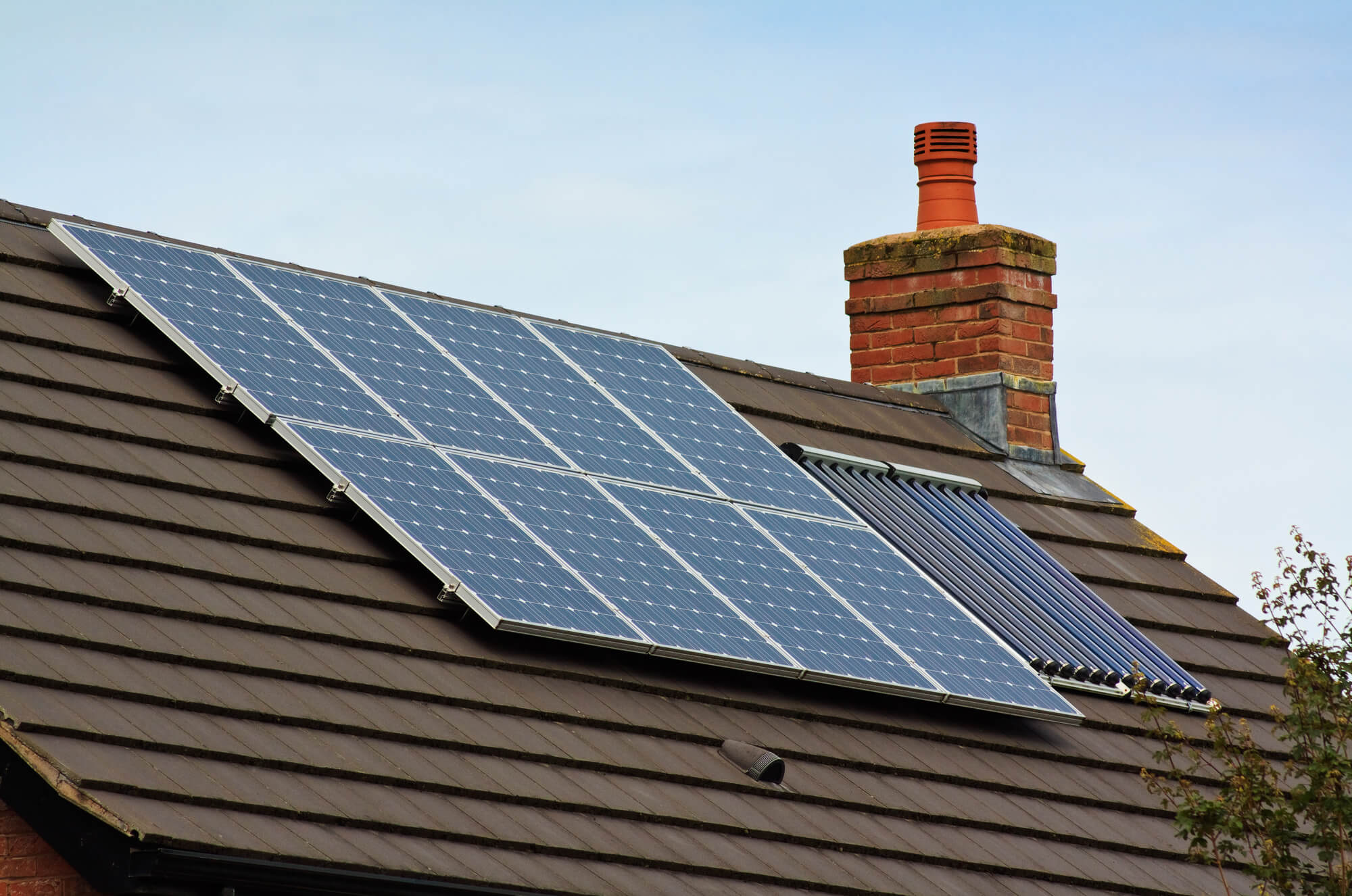
Solar thermal heating uses dedicated solar thermal panels to warm water through a heat exchanger. These panels reach temperatures of 120–140°F and reduce energy consumption by heating water directly from the sun. However, thermal systems can only work during daylight hours and lack precise temperature control.
Solar PV systems convert sunlight into electricity that powers your hot tub’s pump, heater, and jets through an inverter. This approach gives you full control over temperature, operation schedules, and integration with your home’s electrical grid. Most successful solar hot tubs use PV systems paired with battery storage.
System Sizing for a Solar-Powered Hot Tub
Proper sizing is critical. A typical above-ground hot tub uses 4,000–7,500 watts during operation. In-ground models may require 8,000–10,000 watts for heating and circulation.
To calculate your solar requirement:
- Measure daily hot tub hours: If you run your hot tub 4 hours per day at 6 kW average load, you need 24 kWh per day.
- Factor seasonal variation: Solar output drops 40–50% in winter. Design for worst-case month energy needs.
- Size your solar array: A 5–8 kW system (15–25 solar panels) is typical for year-round hot tub operation in sunny regions. Cloudier climates may need 10–12 kW systems.
- Plan battery storage: A 10–15 kWh battery bank allows evening and night operation without grid support.
Under perfect conditions, a 5 kW solar system generates 5,000–6,000 kWh annually and can fully offset a hot tub using 3,500 kWh per year. Most residential hot tubs consume 3,000–5,000 kWh annually depending on heating season and usage patterns.
Component Costs for a Solar Hot Tub System
A complete grid-tied solar hot tub system costs $12,000–$20,000 before incentives. A hybrid system with battery storage runs $18,000–$35,000 depending on battery capacity and power rating.
Cost breakdown for a typical 6 kW system:
- Solar panels (18 panels, 6 kW): $3,600–$5,400
- Inverter (string or hybrid): $2,000–$4,000
- Mounting and racking: $1,500–$2,500
- Battery storage (10 kWh, optional): $5,000–$8,000
- Electrical work and permits: $2,000–$4,000
- Labor (professional installation): $3,000–$6,000
The 30% federal investment tax credit (ITC) through 2032 reduces costs by $3,600–$7,000 on a $12,000–$23,000 system. Many states offer additional rebates for residential solar installations.
Grid-Tied vs. Off-Grid Systems
Grid-tied systems connect directly to your utility power and automatically draw grid electricity when solar output is insufficient. This is the most affordable option ($12,000–$18,000) and allows year-round hot tub use without battery costs. You export excess solar generation to the grid and receive credits under net metering (though NEM 3.0 has reduced these credits in some states).
Hybrid systems combine solar panels, battery storage, and grid connection. They provide backup power during outages, allow full 24-hour operation, and maximize self-consumption of solar energy. Hybrid systems cost 50% more but deliver energy independence and higher monthly savings (60–70% reduction vs. 20–30% on grid-tied systems).
Off-grid systems are rarely cost-effective for hot tubs since they require oversized solar arrays and 15–20 kWh battery banks ($50,000+). Only pursue off-grid hot tubs if your property lacks reliable grid connection.
Real-World Performance and Payback
A homeowner in California with a 6 kW solar system supplying an electric hot tub can save $800–$1,200 per year. With a system cost of $14,000 after the ITC, the payback period is 12–17 years. In sunnier climates (Arizona, Florida, Southern California), payback drops to 10–13 years.
Hot tubs powered by solar in winter typically require supplemental heating. Most owners operate heaters only 2–4 months yearly, making a grid-tied system practical. Battery-backed systems shift heating to peak solar hours (10 a.m. to 4 p.m.), doubling efficiency.
Monthly energy cost reductions depend on local electricity rates:
- At $0.12/kWh: $360–$600 annual savings
- At $0.18/kWh: $540–$900 annual savings
- At $0.25/kWh: $750–$1,250 annual savings
Best Practices for Hot Tub Operation with Solar
Maximize your solar hot tub efficiency with these strategies:
Use a timer: Program your hot tub to heat during peak solar production hours (11 a.m. to 3 p.m.). Preheat water before evening use to reduce nighttime heating demand. This cuts energy consumption by 30–40%.
Maintain a lid: A thermal cover reduces water evaporation and heat loss by 50%, lowering heater runtimes and extending battery life.
Lower winter temperatures: Reducing setpoint from 104°F to 101°F cuts heating load by 20% and energy costs proportionally.
Reduce jet time: Jets consume 2–3 kW per hour. Running jets only 1–2 hours daily instead of continuously cuts system size requirements by 30%.
Install variable-speed pumps: Modern variable-speed circulation pumps use 75% less energy than single-speed models for equivalent water quality.
Seasonal Considerations for Solar Hot Tubs
Solar hot tub performance varies significantly by season. During summer (June–August), a 6 kW system in the US South or Southwest generates 30–40 kWh per day, far exceeding a hot tub’s typical 6–12 kWh daily demand. In this period, even a modest system fully powers a hot tub with surplus generation exported to the grid.
Winter performance (December–February) drops 50–70%. A 6 kW system may produce only 12–15 kWh per day, and hot tub demand increases as water cools. Many solar hot tub owners accept reduced winter operation or enable grid-supplemented heating during this period.
Spring and fall (March–May, September–November) offer balanced performance, with systems producing 20–25 kWh daily and nearly offsetting total hot tub consumption.
Battery Storage Benefits
Adding battery storage (10–15 kWh LiFePO4 or lead-acid) enables true 24/7 hot tub operation independent of grid timing. Instead of drawing grid power at night, you store afternoon solar energy and discharge it for evening hot tub use.
Battery-backed systems deliver additional benefits:
- Demand charge avoidance: Shifting peak loads away from utility peak hours (4–9 p.m.) can save $30–60 monthly on commercial or time-of-use residential rates.
- Backup power during outages: Hybrid systems with battery storage keep your hot tub running during grid failures.
- Higher self-consumption: Without battery, excess midday solar is exported to the grid at wholesale rates. With battery, you keep that energy for evening use.
- Resiliency: In states moving to net metering 3.0, battery systems reduce exposure to lower grid export rates.
Installer Selection and Permits
Solar hot tub systems require the same permits and interconnection approvals as standard residential solar. Hire a NABCEP-certified installer with experience in battery integration if you plan storage.
Permitting timelines: 4–8 weeks for design review, electrical permits, and utility interconnection. Some jurisdictions require a separate permit for modifying your electrical service to accommodate solar and battery systems.
When getting quotes, ask installers about:
- Hot tub heating loads and their impact on system sizing
- Battery integration strategy (AC-coupled or DC-coupled)
- Winter performance expectations and backup heating options
- Monitoring and control system (many modern systems allow app-based temperature and operation scheduling)
- Warranty coverage on labor and equipment
Environmental and Financial Incentives
The 30% federal investment tax credit reduces net system cost significantly. A $16,000 system becomes $11,200 after ITC. This incentive applies to solar panels, inverters, and battery storage through 2032.
State and utility rebates add further savings in many regions:
- California: SOMAH (Self-Generation Incentive Program) provides $0.30/watt rebates for battery systems.
- New York: Solar Renewable Energy Credits (SRECs) generate $0.10–0.15/kWh exported to the grid.
- Illinois: ComEd and Ameren offer $250–500 rebates for solar installations.
- Massachusetts: Mass Save provides rebates up to $1,500 for residential solar.
Consult EnergySage or your state energy office to identify local incentives before purchasing.
DIY vs. Professional Installation
Professional installation is strongly recommended for solar hot tub systems. Improper sizing, inverter selection, or electrical integration can damage your hot tub heater, void equipment warranties, or create fire and safety hazards.
Licensed installers carry insurance, obtain required permits, and provide performance warranties. DIY installation risks electrical shock, permit violations, and system underperformance. The labor cost ($3,000–$6,000) is justified by safety, warranty compliance, and optimized system design.
Frequently Asked Questions
How many solar panels do I need to power a hot tub?
A typical hot tub requires 15–25 solar panels (5–8 kW system). Exact numbers depend on hot tub wattage, daily runtime, location, and seasonal adjustments. A professional solar designer will calculate this based on your specific situation. Use PVWatts (pvwatts.nrel.gov) to estimate production at your location, then divide annual hot tub consumption by annual production per kW.
Can I use a portable solar panel system for my hot tub?
Portable panels are not practical for continuous hot tub operation. They generate 400–500W per panel and would require 15–20 panels plus constant repositioning. Fixed rooftop systems are far more practical and cost-effective. Portable panels are better suited for occasional RV or camping use.
What happens to my hot tub on cloudy days?
On cloudy days, solar output drops 50–80%. Grid-tied systems automatically draw grid power to maintain operation. Battery-backed systems shift to battery discharge. Many owners reduce heating or skip hot tub use on extended cloud cover to maximize battery reserves. Plan 2–3 days of autonomy in battery capacity to handle extended cloudy weather.
Will solar panels damage my roof?
Professional installations use flashing and mounting systems designed for 25–30 year lifespan. Properly installed systems do not damage roofs. If you need roof replacement within 5 years, plan it simultaneously with solar installation to avoid $3,500–$6,000 removal and reinstallation costs. Always inspect flashing annually to prevent water intrusion.
Can I add solar to my existing hot tub?
Yes. Existing hot tubs integrate seamlessly with grid-tied solar systems. A licensed electrician connects solar inverter output to your main electrical panel, and your hot tub operates as normal—just powered by solar when available and grid when needed. Some hot tub controllers have smart features that defer heating to peak solar hours, maximizing efficiency.
Is a solar hot tub worth the cost?
Yes, if you plan to keep the hot tub 10+ years in a sunny region. Payback ranges 8–15 years depending on location, utility rates, and system size. After payback, you enjoy 10–15 years of minimal heating costs. In cold climates with low utility rates, payback extends to 15–20 years, making the investment marginal.
Summing Up
Solar-powered hot tubs are viable for most homeowners, cutting energy costs by 20–70% annually. A 6 kW system costs $12,000–$18,000 after the 30% federal ITC and typically pays back in 10–17 years depending on location and utility rates. Grid-tied systems are the most cost-effective entry point; hybrid systems with battery storage offer energy independence and higher savings but at greater upfront cost.
If you’re also thinking about solar panels for your home, call (855) 427-0058 for a free quote — it takes just a few minutes to find out what installation would cost and save you in your area.
Updated