

Metal roofs offer excellent durability, longevity, and increasingly popular aesthetic appeal, making them common on both residential and commercial properties. If you’re considering solar installation on a metal roof, you’re likely wondering: is it possible? Will the installation damage the roof? Will the roof’s metal properties interfere with solar performance? The answer is yes, solar panels work exceptionally well on metal roofs, often better than on traditional asphalt shingles, though some special considerations apply.
This guide explains why metal roofs are actually ideal for solar, addresses common concerns, and explores the installation process specific to metal roof systems.
Why Metal Roofs Are Excellent for Solar Panels
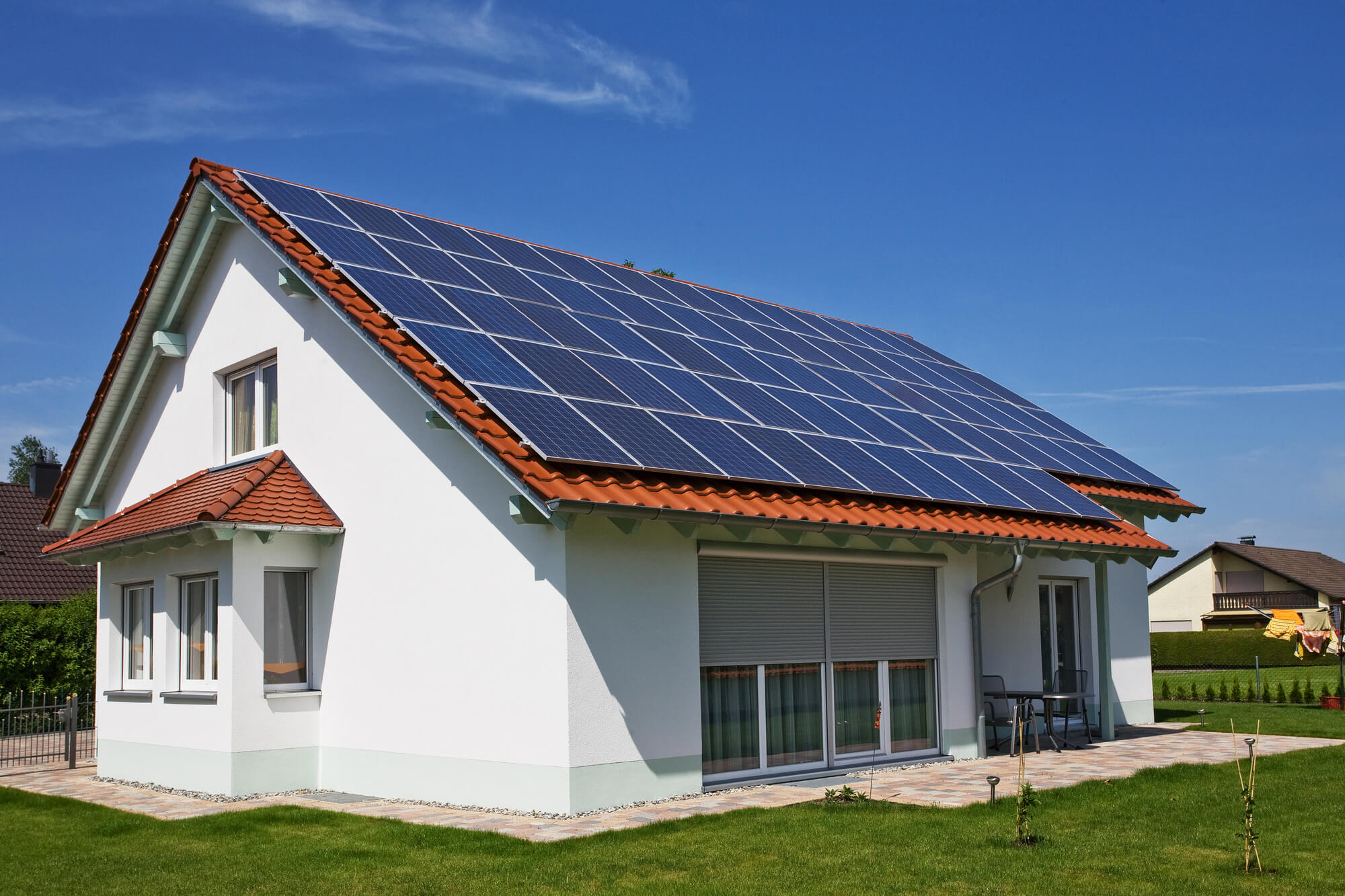
Metal roofs are actually superior surfaces for solar installation compared to traditional asphalt shingles. Several factors contribute to this advantage. First, metal roofs have exceptional longevity: 40-70 years or more depending on material and maintenance. Since solar panels last 25-30 years, a metal roof installed recently ensures the underlying roof structure will outlast your solar system without replacement. Asphalt shingles, lasting only 15-25 years, often require replacement during a solar system’s lifespan, necessitating expensive panel removal and reinstallation.
Second, metal roofs are extremely durable and weather-resistant. The risk of roof leaks from solar installation is actually lower on metal roofs than asphalt shingles. Metal roofing systems are engineered to shed water, and properly installed solar flashing integrates seamlessly with metal roofing profiles. Asphalt shingle roofs are more susceptible to weather damage, and penetrations required for solar mounting and electrical connections create higher leak risk on aged shingles.
Third, metal roofs support solar weight more effectively than traditional materials. Metal roofs are structural systems capable of supporting substantial loads, while asphalt shingles are primarily waterproofing layers with limited load-bearing capacity. A 10 kW solar array weighing 20,000 pounds (distributed across many panels) is easily supported by metal roofing systems but stresses lower-quality asphalt shingle installations.
Fourth, metal roofs have exceptional reflectivity and thermal properties. Some metal roofing materials reflect 70-90% of incident solar radiation, keeping homes cooler in summer. Solar panels absorb radiation, but properly installed systems include ventilation gaps allowing airflow beneath panels, reducing heat buildup on the underlying roof. This combination (reflective metal roof plus ventilated solar) creates an ideal thermal environment.
Metal Roof Types and Solar Installation Considerations
Different metal roofing systems require slightly different solar installation approaches. The most common residential metal roof types include standing seam (overlapping vertical ribs with hidden fasteners), corrugated (repeating wave pattern), and metal shingles (individual shingles mimicking traditional roofing). Each type interfaces differently with solar mounting systems.
Standing seam metal roofs are ideal for solar installation. The raised ribs provide structural elements for mounting hardware that clamps directly to the ribs, requiring no roof penetrations. This clamp-based mounting system is faster, cleaner, and eliminates leak risk entirely. The ribs also provide natural conduits for electrical wiring, allowing cables to run along the ribs and down the roof interior without surface-mounted conduit.
Corrugated metal roofs require traditional penetrating mounts (bolts through the roof) or specialized clamps that work with the wave pattern. These systems work but require careful flashing to ensure water doesn’t migrate into roof cavities along the corrugations. Proper installation includes sealing and flashing at each penetration point, adding cost but maintaining reliability.
Metal shingles can be mounted similarly to asphalt shingles using penetrating hardware, though clamp systems exist for some metal shingle profiles. Installation requires identifying structural supports beneath the shingles and using appropriate fasteners and flashing. Metal shingle roofs are generally well-suited to solar but not as ideal as standing seam systems due to the penetration requirement.
Installation Methods: Clamp vs. Penetrating Mounts
Standing seam clamp mounting (also called “rail-less” or “rail-free” systems) represents the ideal installation method for metal roofs. Clamps grip the seam from both sides, distributing load along the seam without requiring fasteners or roof penetrations. This system is faster (no drilling), eliminates leak risk, and is reversible—removal leaves no holes or damage. Costs are comparable to traditional penetrating systems despite the specialized hardware.
Penetrating mount systems use bolts, lag screws, or other fasteners that pass through the roof into structural supports (rafters or roof trusses). Each penetration requires flashing (typically aluminum or rubber), sealing, and weatherproofing to prevent water intrusion. While effective, this method is slower and carries slightly higher leak risk if installation or flashing is substandard. However, tens of millions of solar installations use penetrating mounts successfully, and proper installation from qualified installers ensures reliable long-term performance.
The choice between systems depends on your metal roof type. Standing seam roofs should use clamp systems when possible for optimal results. Corrugated and shingle metal roofs typically use penetrating systems, which work reliably with proper installation. Discuss with your installer which system is optimal for your specific metal roof profile.
Electrical Integration on Metal Roofs
Metal roofs actually improve electrical integration compared to asphalt shingles. The conductive metal surface provides natural grounding, important for electrical safety. Solar systems require proper grounding for the DC circuits and inverter equipment; the metal roof itself can partially serve this grounding function when properly integrated.
Electrical wiring runs along the roof to the inverter location. On metal roofs, cables can run along the ribs or grooves of standing seam or corrugated systems, providing natural conduit. On asphalt shingles, surface-mounted conduit is typically required, which is less aesthetically integrated. The metal roof’s structure facilitates cleaner electrical integration.
Grounding connections between the solar system and the home’s electrical panel are standard on all roofs. Metal roofs don’t complicate this process and may simplify it by providing natural grounding paths. Your installer will ensure all grounding is properly engineered and code-compliant regardless of roof type.
Flashing and Weatherproofing: Critical Details
Proper flashing is the critical detail separating reliable solar installations from leak-prone ones. Flashing is material (typically aluminum or rubber) that bridges the gap between the solar mounting hardware and the roof surface, directing water away from penetrations. On metal roofs, flashing selection and installation is particularly important because metal’s thermal expansion/contraction rates differ from other materials.
Aluminum flashing is common and works well on metal roofs, as both expand and contract similarly. Rubber-based flashing is also suitable. The key is using flashing specifically designed for metal roof integration, not generic flashing meant for asphalt shingles. Your installer should specify flashing appropriate for your metal roof type and material.
Installation sequence matters. Proper technique installs flashing before mounting hardware, ensuring water flows outward around the flashing and down the roof. Poor installation (hardware first, flashing second, improper orientation) creates dams that trap water. Hiring experienced installers familiar with metal roof solar integration prevents these issues.
Factory-sealed and caulked systems add additional weatherproofing. After hardware installation and flashing, technicians seal around fasteners and flashing edges with compatible sealants (typically polyurethane or silicone rated for metal roofs). This adds a redundant barrier against water intrusion, particularly important in high-rain climates.
Structural Assessment for Solar on Metal Roofs
Despite metal roofs’ superior load capacity, structural assessment before installation remains essential. A 10 kW solar array weighs 20,000+ pounds distributed across approximately 25-30 panels. While metal roofing systems easily support this weight, the underlying roof structure (trusses, rafters) must be verified to support it as well.
Professional installers perform structural calculations considering roof pitch, truss spacing, material, and condition. For most residential metal roofs installed in the last 20 years, solar loads are easily accommodated. Older metal roofs or roofs with existing damage might require reinforcement, adding cost. Structural assessment typically costs $200-400 but prevents future problems and provides documentation for insurance and home sale purposes.
Local building codes may require structural engineering certification. In seismic zones or areas with heavy snow loads, engineering stamps are common and proper. In mild climate areas, standard installation practices may be sufficient. Your installer will understand local code requirements and ensure compliance.
Roof Maintenance and Solar System Coexistence
Metal roof maintenance and solar panel presence are compatible. Metal roofs require minimal maintenance compared to asphalt shingles: occasional cleaning of debris, inspection of fasteners and sealants, and rust prevention for steel roofs (though many modern metal roofs are galvanized or coated for corrosion resistance).
Solar panels require occasional cleaning (removing dust, pollen, bird droppings) but this is simplified on metal roofs. The combination of metal’s smooth surface and solar panel presence actually reduces debris accumulation compared to asphalt shingles, which trap debris. Professional solar cleaning services can service both the panels and roof, maintaining both systems efficiently.
Future roof maintenance such as fastener replacement or sealant reapplication must work around the solar array. Some maintenance becomes impossible without panel removal. This is why solar on a recently installed metal roof (within the last 5 years) is ideal—the underlying roof won’t require major maintenance until well after the solar system’s lifespan expires.
Cost Implications: Solar on Metal Roofs
Solar installation costs on metal roofs are typically comparable to or slightly lower than asphalt shingles, contrary to common assumptions that specialty systems cost more. Standing seam clamp systems (the ideal solution for many metal roofs) are competitively priced with penetrating systems. The labor advantage of standing seam systems (faster installation with no drilling) can offset specialized hardware costs.
Cost savings emerge in the long term. No roof replacement is needed during the solar system’s life, whereas asphalt shingles on older roofs might require costly replacement and panel removal ($3,000-5,000). If you’re planning to install solar, choosing a metal roof during a roof replacement project often achieves similar total cost (roof + solar) compared to asphalt shingles + solar, while providing superior long-term value.
Insurance and financing may also favor metal roofs. Some insurance companies offer discounts on metal roofs due to their superior durability and wind resistance. Lenders may view metal roofs + solar favorably due to the aligned lifespan and absence of future roof replacement costs.
Compatibility with Different Metal Roof Materials
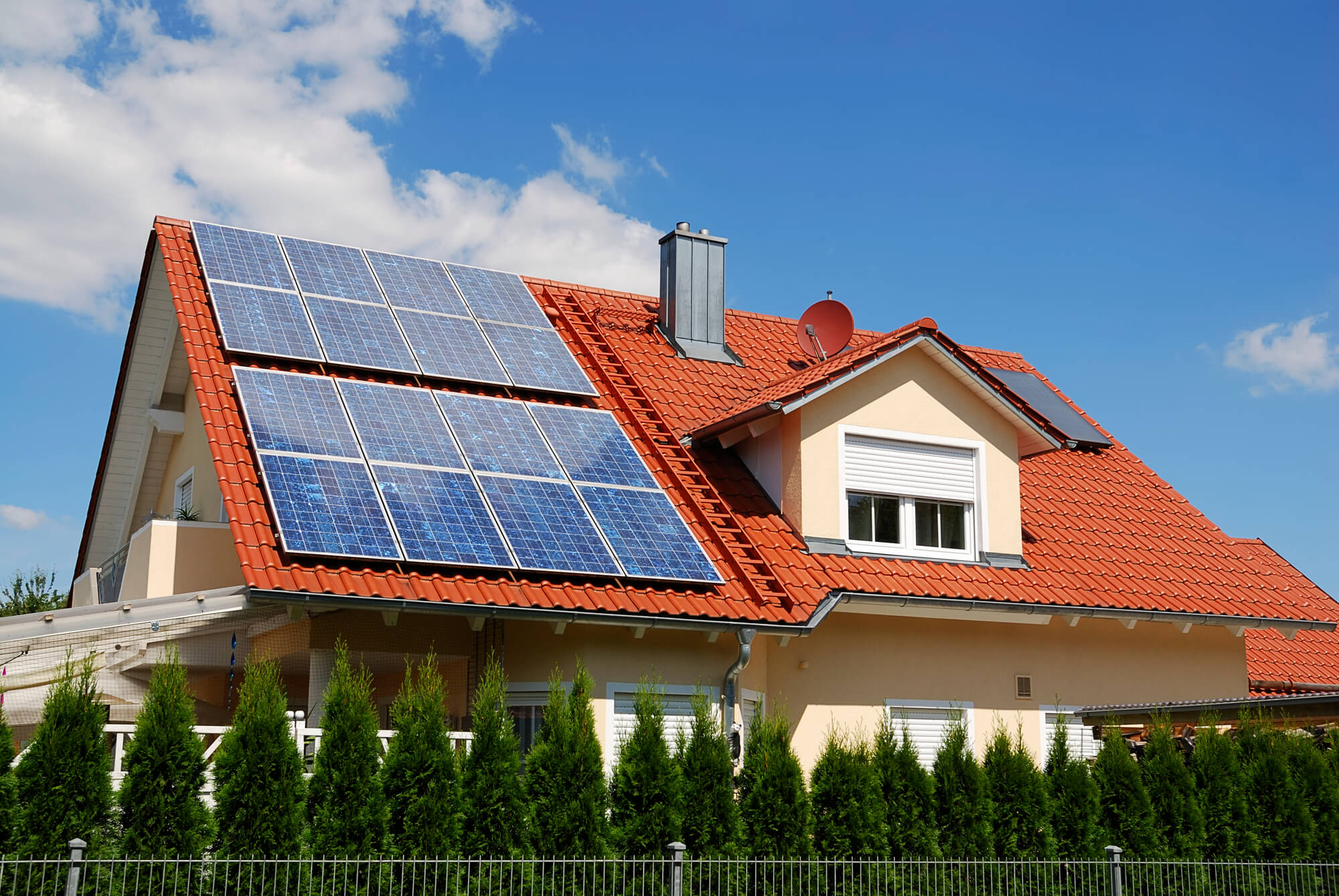
Steel metal roofs (the most common residential type) are excellent for solar. Steel is structural, durable, and easily supports solar mounting. Galvanized or painted steel prevents rust and maintains appearance. Stainless steel roofs offer premium durability but are uncommon due to cost. All steel roofs work well with solar.
Aluminum roofs are equally suitable for solar, with the advantage of superior corrosion resistance in salt-spray environments (coastal areas). Aluminum’s thermal expansion matches aluminum flashing used in solar systems, creating compatible material pairing. Aluminum is slightly less structural than steel, but residential-grade aluminum roofing easily supports solar loads.
Copper and zinc roofs are premium materials that patina over time, developing characteristic green or gray finishes. Both work well with solar, though aesthetics must be considered (solar panels on a patina roof create visual contrast). Copper and zinc are expensive, so solar installation represents a significant investment, but the systems work reliably.
Metal shingles or standing seam systems in any metal material type (steel, aluminum, copper, zinc) all support solar installation through appropriate methods. Your installer will tailor the approach to your specific metal roof type and material.
Frequently Asked Questions
Will solar panels damage my metal roof?
No, professional solar installation on metal roofs doesn’t damage the roof. Standing seam systems use non-penetrating clamps, avoiding any holes. Penetrating systems use proper flashing that directs water away from any holes. Modern installations include weatherproofing and sealants ensuring long-term reliability. The roof will outlast the 25-30 year solar system lifespan.
Do metal roofs interfere with solar panel performance?
No, metal roofs don’t interfere with solar performance. Metal’s electrical conductivity actually aids grounding. The reflective properties of metal roofs might slightly reduce performance if panels are positioned directly over highly reflective areas, but proper installation orients panels for optimal sun exposure, minimizing this effect. Most metal roofs are actually ideal for solar.
What’s the best type of metal roof for solar?
Standing seam metal roofs are ideal for solar because they allow non-penetrating clamp mounting, eliminating leak risk and simplifying installation. Corrugated and metal shingle roofs work well too but typically require penetrating mounts with flashing. All metal roof types support solar successfully with proper installation methods.
Should I install a metal roof before adding solar?
If your roof is nearing end-of-life (asphalt shingles 15-20 years old), replacing with a metal roof before solar installation offers excellent long-term value. Metal’s 40-70 year lifespan means no roof replacement during the solar system’s 25-30 year life. Combined project costs (roof + solar) are often similar to asphalt + solar while providing superior long-term value and reliability.
Can I clean my solar panels if I have a metal roof?
Yes, cleaning is simplified on metal roofs. The smooth metal surface is easier to walk on than asphalt shingles (with proper safety equipment), and debris doesn’t accumulate as readily. Many solar cleaning services routinely clean panels on metal roofs. Combine panel and roof cleaning for efficiency.
What if I need roof maintenance while solar is installed?
Minor metal roof maintenance (fastener replacement, sealant reapplication) can work around solar panels. Major work might require temporary panel removal. This is why solar on a recently installed metal roof is ideal; you won’t need major maintenance for 20-30 years, well after the solar system’s lifespan. Choose metal roofs for this long-term compatibility.
Summing Up
Metal roofs are excellent substrates for solar installation, often superior to traditional asphalt shingles. The 40-70 year lifespan of metal roofing aligns perfectly with solar’s 25-30 year system life, eliminating the need for expensive roof replacement during the solar system’s operational period. Non-penetrating clamp mounting systems available for standing seam metal roofs eliminate leak risk entirely. Even penetrating systems on corrugated or shingle metal roofs work reliably with proper flashing and installation. Structural capacity, electrical integration, weatherproofing, and long-term durability all favor metal roofs for solar integration. If you’re considering both a roof replacement and solar installation, choosing a metal roof before solar provides superior performance, reliability, and long-term value compared to traditional asphalt shingles.
Ready to install solar on your metal roof or replace an aging roof with metal before solar installation? Call (855) 427-0058 for a professional assessment of your roof‘s solar readiness, or visit https://us.solarpanelsnetwork.com/ to explore system options and roofing solutions tailored to your location and needs.
Updated