Solar Panels Guides, Advice & Insights

Expert articles on solar panels covering installation guidance, costs, incentives, performance, maintenance, and choosing the right system for homes and businesses.

The Falling Price of Solar Power

Solar panel prices have fallen roughly 90% over the past 15 years, driven by manufacturing scale, technology improvements, and global competition. Panel hardware now represents only about 15-20% of total installed system cost, with labor, permitting, and soft costs making up the rest. Solar Cost Decline Timeline Period Approx. Cost per Watt Key Driver 2010 Read more »
How Do Solar Panels Lower Your Electric Bill?

how-do-solar-panels-lower-your-electric-bill If you’ve ever wondered how solar panels could reduce your electricity bill, the answer is straightforward: they replace expensive grid electricity with free power from the sun. By generating your own electricity, you dramatically cut the amount of power you need to buy from your utility company every month. In 2026, with electricity rates Read more »

What Is Energy Independence?

Energy independence means relying less on the utility grid and volatile electricity rates, whether through partial offset with grid-tied solar or full off-grid autonomy. A solar-plus-battery system is the most practical path to meaningful energy independence for most homeowners. Levels of Energy Independence Level System Type Grid Reliance Partial Grid-tied solar, no battery High — Read more »

Solar Panel Aesthetics

Curb appeal concerns keep some homeowners from going solar, but today’s panels offer far more aesthetic options than the bulky, visible-frame systems of a decade ago. All-black panels, low-profile racking, and building-integrated options now let solar blend seamlessly with most home styles. Solar Aesthetic Options Option Look Cost Premium All-black panels Sleek, uniform, minimal visual Read more »

Home Battery Backup vs. Generators

Choosing between a solar-charged home battery and a traditional fuel generator for backup power involves real tradeoffs in cost, noise, maintenance, and switching speed. Batteries offer instant, silent switchover with no fuel needed, while generators provide unlimited runtime (with fuel) at a typically lower upfront cost. Battery vs. Generator Comparison Factor Battery Backup Fuel Generator Read more »

Solar for Condo Owners

Condo owners face unique challenges with solar since they don’t own their roof outright, and shared building governance adds a layer of complexity that single-family homeowners don’t encounter. Community solar, balcony plug-in panels, and coordinated building-wide rooftop installations each offer paths to solar access for condo residents. Solar Options for Condo Owners Option How It Read more »

Understanding NEM 3.0: A Guide for California Homeowners

If you live in California and are considering residential solar, you’ve likely heard about NEM 3.0 (also called Net Energy Metering 3.0 or the Solar Billing Plan). The name might not conjure excitement, but the policy change behind it has dramatically reshaped the solar calculus for California homeowners. On April 15, 2023, California switched from Read more »

Why People Don’t Get Solar Panels and Why They Should

Despite falling costs and growing awareness, most US homeowners still haven’t gone solar. Upfront cost, roof or shading constraints, misinformation, and the recent expiration of the residential tax credit are the biggest barriers holding homeowners back. Top Reasons Homeowners Don’t Go Solar Barrier Why It Matters Upfront cost $15,000-$30,000+ before incentives Roof/shading issues Not every Read more »

Is My Roof Even Suitable for Solar?

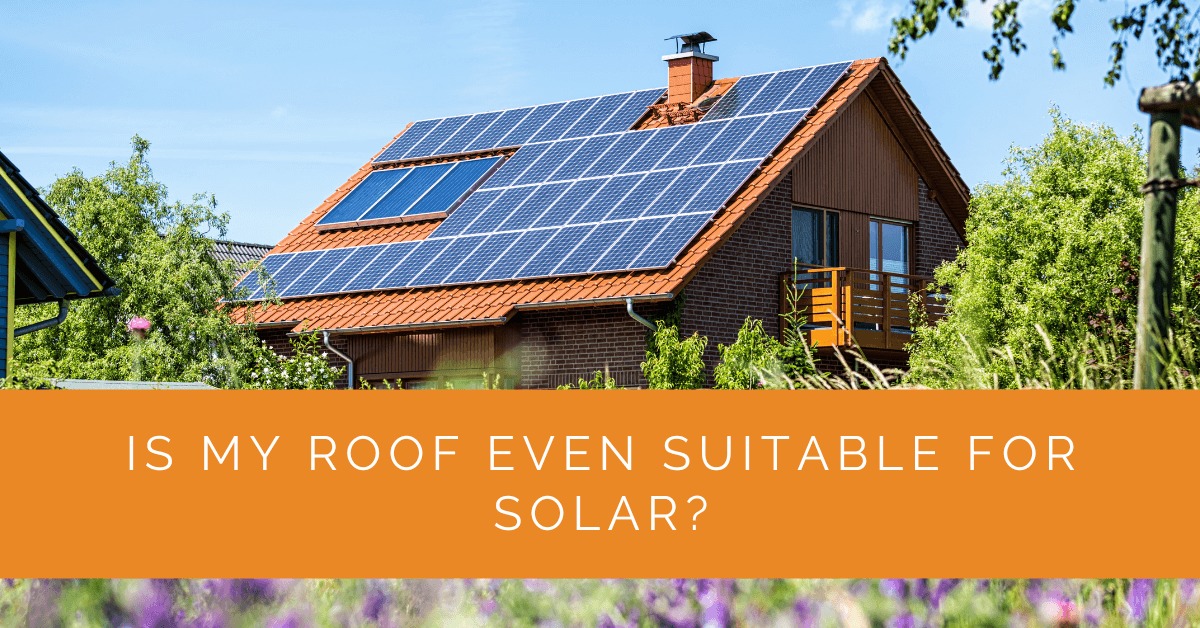
Not every roof is an ideal candidate for solar, but most homes have at least one viable option once orientation, shading, and structure are properly assessed. The key factors are roof age, structural condition, orientation, shading, and available area — and a professional site assessment can confirm suitability even when a quick visual check leaves Read more »

Solar for Tiny Houses

Tiny houses have small roofs and often modest energy needs, making them well-suited to compact solar systems — but the right setup depends heavily on whether the home is stationary, mobile, grid-tied, or fully off-grid. A 1-3 kW system typically covers a tiny house’s energy needs, whether parked on a foundation or towed between locations. Read more »