Solar Panels Guides, Advice & Insights

Expert articles on solar panels covering installation guidance, costs, incentives, performance, maintenance, and choosing the right system for homes and businesses.

Should I Oversize My Solar System?

Oversizing a solar array relative to inverter capacity — a technique called DC/AC ratio oversizing — can boost total energy harvest, but it comes with tradeoffs worth understanding before committing. A modest oversize (DC/AC ratio of 1.1-1.3) is common practice and usually beneficial, while excessive oversizing wastes panel capacity to clipping losses. What Is the Read more »
How to Compare Solar Quotes

Comparing solar quotes goes well beyond the bottom-line price — equipment tier, warranty terms, and installer credentials all significantly affect the long-term value of a system. Using $/watt as your primary comparison metric, along with careful attention to equipment specs and warranty coverage, helps you evaluate quotes on equal footing. Key Metrics for Comparing Quotes Read more »

How Long to Charge a Solar Battery

Charging time for a solar battery depends on panel wattage, available sunlight, and the battery’s total capacity — there’s no single answer, but the underlying math is straightforward once you know these three variables. A basic sizing calculation using peak sun hours and charge controller type gives a reliable estimate for planning purposes. The Basic Read more »

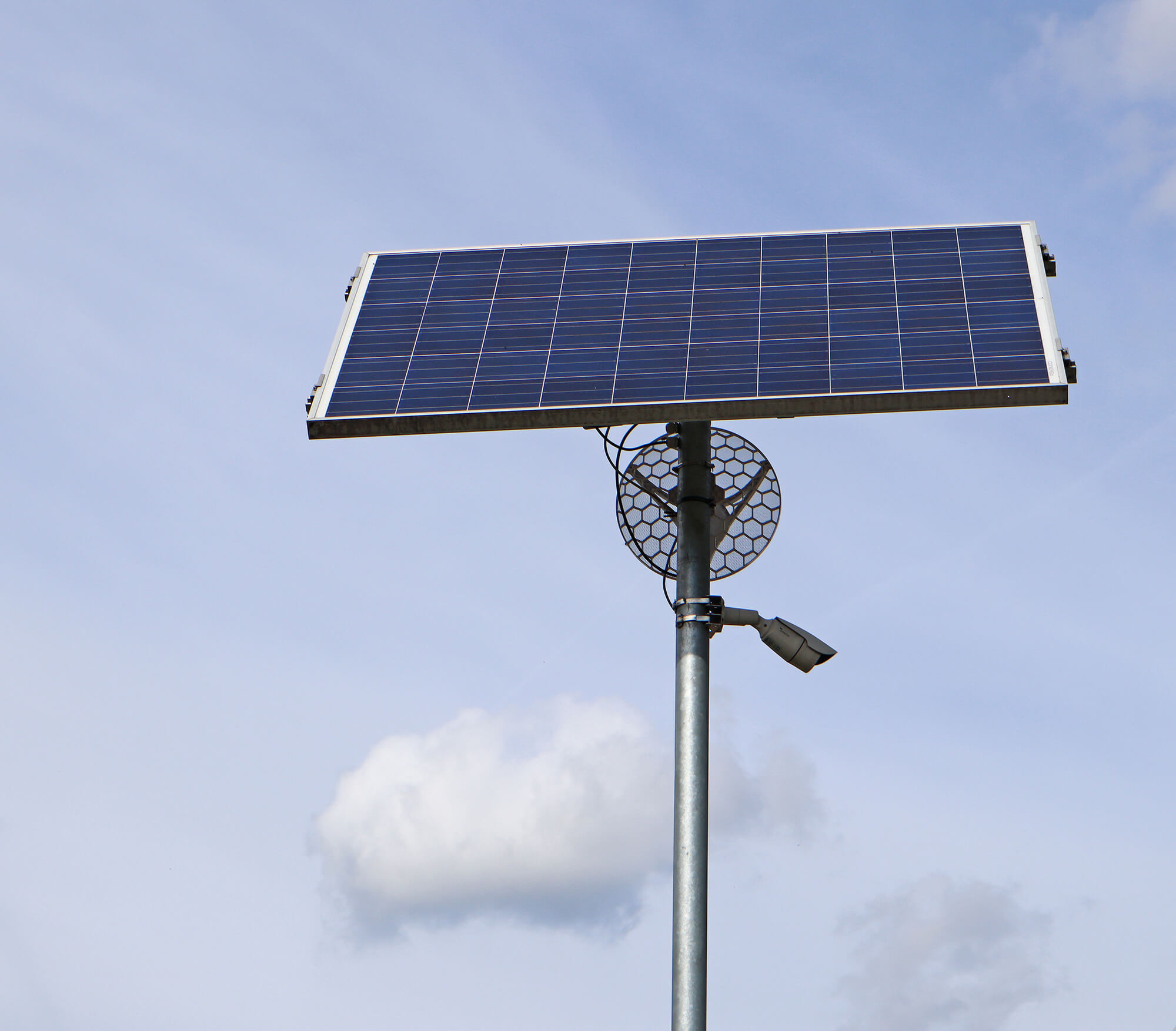
Pole Mount Solar Panels

Pole-mounted solar panels offer a flexible installation option for smaller arrays, particularly useful when roof space is limited or unsuitable and a full ground mount isn’t practical. Top-of-pole and side-of-pole configurations each suit different array sizes and site conditions, with tracking options available for either. Top-of-Pole vs. Side-of-Pole Mounts Type Best For Considerations Top-of-pole Small-to-medium Read more »

Troubleshooting Guide: Solar Panels Not Working

When solar panels stop producing power or show a sudden output drop, the cause is usually one of a handful of common issues — and most can be diagnosed with your monitoring app before calling a technician. Inverter faults, shading, soiling, and wiring issues account for the vast majority of solar production problems. Common Causes Read more »

Exploring Liquid Solar Panels

“Liquid solar panels” is a term that spans several distinct emerging technologies — quantum dot solutions, perovskite coatings, and thermal/CSP systems — most of which remain in research or early commercialization rather than being widely available consumer products. No true liquid photovoltaic product is commercially mainstream today, but several related technologies show real promise. Technologies Read more »

The Impact of Solar Panel Cracks

Solar panel cracks range from visible glass fractures to microscopic silicon cell cracks (microcracks) invisible to the naked eye. Both types affect panel performance — visible cracks allow moisture infiltration that accelerates degradation, while microcracks disrupt current flow through cells and reduce output. Understanding solar panel cracking helps you identify whether a crack is a Read more »

Exploring Frameless Solar Panels

Frameless solar panels eliminate the traditional aluminum frame border, creating a sleeker, more seamless appearance — popular for aesthetics-focused installations and certain commercial applications. They offer a cleaner look and can reduce weight, but typically come at a cost premium and require different mounting hardware than framed panels. Frameless vs. Framed Panel Comparison Factor Framed Read more »

Exploring Solar Panels with Built-in Batteries

Solar panels with fully integrated batteries — storage built directly into the panel itself rather than as a separate component — remain an emerging concept rather than a mainstream residential product. Most “solar plus battery” systems today use separate, discrete battery units paired with panels, and this is likely to remain the standard approach for Read more »

Depreciation of Solar Panels

Businesses installing solar panels can recover a significant portion of the cost through depreciation, on top of the federal tax credit — a benefit not available to homeowners installing on their primary residence. Commercial solar systems qualify for MACRS 5-year depreciation, plus first-year bonus depreciation, dramatically improving project economics. Solar Depreciation Basics for Businesses Depreciation Read more »