Solar Panels Guides, Advice & Insights

Expert articles on solar panels covering installation guidance, costs, incentives, performance, maintenance, and choosing the right system for homes and businesses.

What Is the Best Angle for Solar Panels?

The two most essential elements that act as catalysts in enhancing the energy you receive are the orientation and inclination of the solar panel. If you’re willing to dig deeper, examine how these factors affect the energy you receive. Are you switching to environment-friendly options to use energy? Do you have a blue rooftop? Are Read more »
What Is the Average Size of a Solar Panel?

The average residential solar panel measures about 65 inches wide by 39 inches tall (approximately 1,650 mm × 990 mm) and weighs 40–50 pounds. That’s roughly the size of a sheet of plywood — large enough to generate useful power, small enough that a typical roof can fit 20–30 panels with room to spare. Understanding Read more »

Solar Panels For Businesses

Solar panels for businesses offer a distinct financial profile from residential solar, with active tax credits, depreciation benefits, and financing options that residential buyers no longer have access to. Section 48E’s 30% investment tax credit, combined with MACRS depreciation and demand charge reduction, makes commercial solar an increasingly attractive investment for businesses of all sizes. Read more »

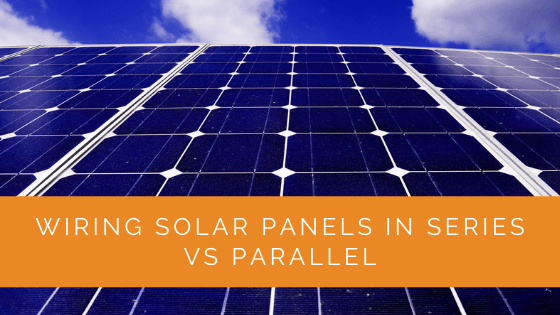
Wiring Solar Panels in Series vs Parallel

Solar panels can be wired in series (positive to negative, chaining panels together to increase voltage) or in parallel (positive to positive, negative to negative, to increase current while keeping voltage constant) — or in a series-parallel combination that increases both. The choice between series and parallel wiring affects inverter compatibility, wire sizing, power losses, Read more »

How To Test Solar Panels

You must’ve seen people installing solar panels on their rooftops and realizing a little too late that they are non-functional. It’s probably because they skipped out on testing their solar panels before installing them. Switching to clean energy is a big decision that has a genuine impact on the environment. However, many people overlook the Read more »

How to Become a Certified Solar Installer

The gold standard certification for solar installers in the United States is the NABCEP PV Installation Professional (PVIP) credential, issued by the North American Board of Certified Energy Practitioners. NABCEP certification demonstrates verified competency in solar PV system design, installation, and safety, and is increasingly required by utilities, commercial clients, and state incentive programs. The Read more »

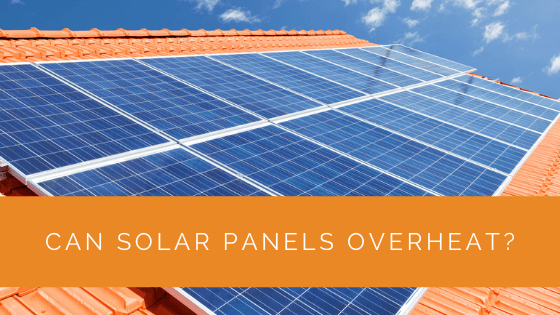
Can Solar Panels Overheat?

Solar panels don’t overheat in the dramatic sense — they won’t melt, catch fire, or shut down from heat under normal operating conditions. But high cell temperatures do cause a real and measurable reduction in power output that affects system performance throughout hot weather. Understanding how heat affects solar panels helps you choose the right Read more »

Can Solar Panels Work at Night?

Solar panels cannot generate electricity at night — the photovoltaic effect that powers them requires sunlight, not just ambient light or moonlight. But that doesn’t mean your home goes dark after sunset: batteries and net metering both solve the nighttime power gap in different ways. Why Panels Don’t Work at Night Solar panels generate electricity Read more »

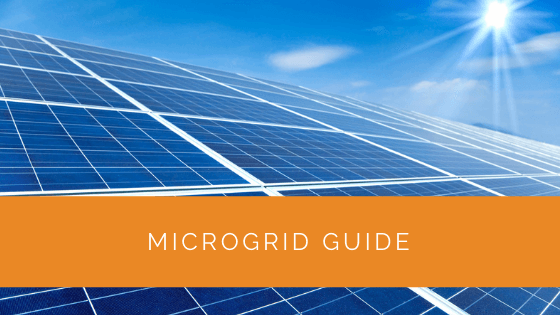
Microgrid Guide

A microgrid is a localized energy system that can generate, store, and distribute power independently of the main utility grid — and solar plus battery storage is now the most common way to build one. Microgrids range from single-home backup systems to campus- and community-scale networks, all sharing the same core ability to “island” from Read more »

Will Solar Panels Pay for Themselves?

Whether solar panels pay for themselves depends on your upfront cost, local electricity rates, sun exposure, and financing method — but for most homeowners who purchase (rather than lease) their system, the answer is yes, typically within 7-12 years. Without the expired 25D tax credit, payback periods have lengthened somewhat compared to prior years, but Read more »