
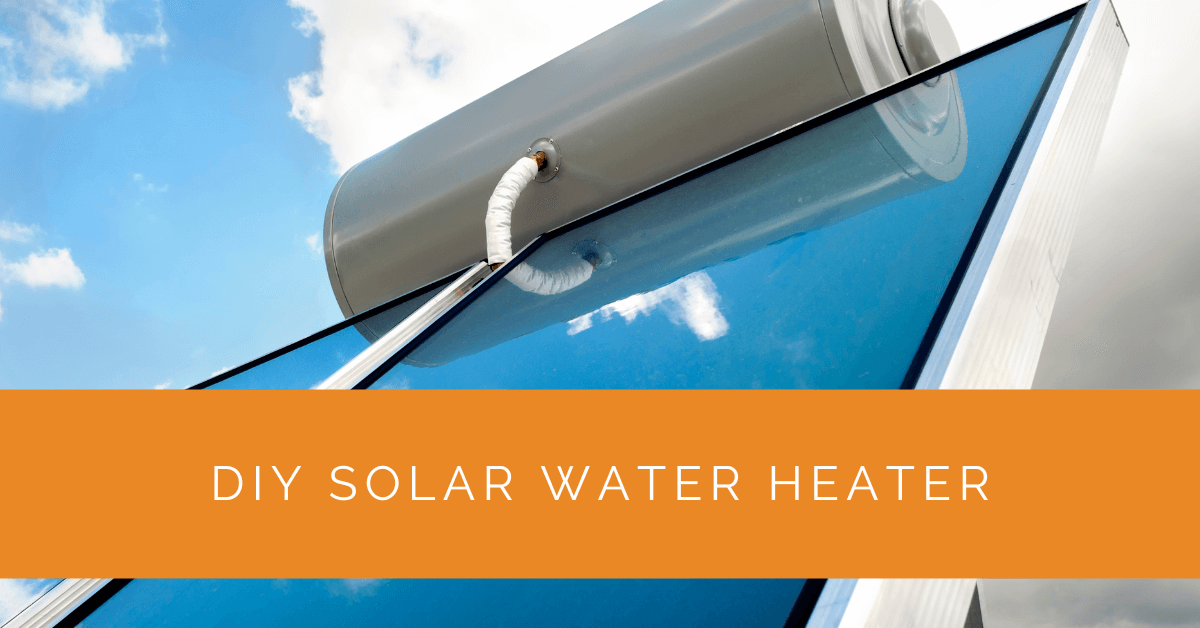
A solar water heater can reduce your water heating energy costs by 50–80%, but commercial systems often cost $3,000–$5,000 or more. Building your own DIY solar water heater is a rewarding project that can be completed for under $300 using basic materials and hand tools. Whether you’re a seasoned DIYer or a beginner, this comprehensive guide walks you through multiple solar water heater designs, materials needed, construction steps, and performance tips to achieve reliable hot water using the sun’s free energy.
Understanding Solar Water Heating Basics
Solar water heaters work on a simple principle: sunlight heats water flowing through dark tubes in an insulated box. The heated water rises and flows to storage, while cooler water sinks and recirculates. No moving parts or electricity required. This thermosiphoning effect—natural convection—drives water circulation automatically on sunny days.
Types of Solar Water Heaters
Active Systems (Pumped): Use electric pumps to circulate water. Require controllers and electricity but offer more control. Complex and expensive for DIY.
Passive Systems (Thermosiphon): Rely on natural convection. Simpler, cheaper, and more reliable for DIY. Most effective when the storage tank sits above or beside the solar collector.
DIY projects almost universally focus on passive systems because they require no pumps or electricity.
Simple Batch Water Heater (Simplest DIY Option)
How It Works
A batch heater is the easiest DIY option. Water sits in a dark container that’s insulated and exposed to direct sunlight. In 3–6 hours of full sun, water heats to 130–160°F (54–71°C). A simple valve lets you draw hot water when needed.
Materials
- 1 insulated cooler box or large wooden box (30–50 gallon capacity)
- Rigid foam insulation or fiberglass batts
- Black plastic water tank or multiple black water jugs
- Clear plastic sheeting or transparent acrylic
- PVC fittings and tubing (1–1.5 inch diameter)
- Gate valve for water drain
- Waterproof sealant or silicone caulk
- Weatherproof black paint
Construction Steps
Step 1: Prepare the Box
Use a large cooler (like those used for camping) or build a wooden box frame. Line the inside with 4–6 inches of foam insulation, securing with construction adhesive.
Step 2: Paint Surfaces Black
Paint the inside bottom and sides of the insulated box with weather-resistant black paint. This increases heat absorption. Also paint the water tank or jugs with black paint (leave inlet/outlet clear).
Step 3: Install the Water Tank
Place the black water tank in the center of the insulated box. For multiple jugs, arrange in a grid pattern. Leave space around the tank for water circulation.
Step 4: Add the Clear Cover
Install clear plastic sheeting or transparent acrylic over the open top of the box. This creates a greenhouse effect, trapping heat inside. Secure with weatherproof caulk and seal all edges to prevent drafts and water leaks.
Step 5: Install Input/Output Ports
Drill holes near the bottom of the water tank for cold water inlet and near the top for hot water outlet. Install PVC fittings and tubing. Add a gate valve at the lowest point for draining.
Step 6: Test and Insulate Exposed Piping
Wrap exposed PVC tubing with foam pipe insulation to prevent heat loss. Test the system by filling slowly and checking for leaks before installing permanently.
Performance and Limitations
A simple batch heater provides 20–40 gallons of 130–150°F water on a sunny day. Performance drops significantly on cloudy days or in winter. Most users integrate with a backup conventional water heater for consistent hot water year-round.
Flat-Plate Collector Solar Water Heater (More Efficient)
How It Works
A flat-plate collector consists of absorber plates (dark metal tubes) mounted on an insulated frame under a transparent cover. Water flows through the tubes, getting heated by direct sunlight. The collector is mounted at an angle on the roof or ground, with a storage tank positioned above for natural thermosiphon circulation.
Materials
- Aluminum or copper tubing (1/2 inch diameter)
- Wooden frame (2×4 lumber) or aluminum extrusion
- Black absorber plate (copper, aluminum, or steel) or flat black paint
- Tempered glass or polycarbonate transparent cover
- Foam insulation (4–6 inches)
- Water storage tank (20–80 gallon, insulated)
- PVC and copper fittings
- Silicone sealant and weatherproof casing
- Roof mounting hardware
Construction Steps
Step 1: Build the Frame
Construct a rectangular frame from 2×4 lumber sized to hold your desired collector area (typically 4’ x 8’ for residential systems, but smaller DIY versions work well). Angle the frame at latitude + 15° for optimal sun exposure in your region (consult a solar angle calculator).
Step 2: Insulate the Bottom and Sides
Line the back and sides with 4–6 inches of foam insulation, securing with construction adhesive. Seal all gaps with weatherproof caulk.
Step 3: Install the Absorber Plate
Paint the bottom of the frame with flat black paint or mount dark-colored copper or aluminum tubing in a serpentine pattern (coiled back and forth). The coils should be in tight contact with a black metal backing plate to maximize heat transfer. Space coils 4–6 inches apart.
Step 4: Connect Water Tubing
Connect the absorber coils to PVC or copper inlet and outlet lines. Use a ball valve at the inlet to control water flow. The outlet should be positioned lower than the storage tank to prevent backflow.
Step 5: Install the Transparent Cover
Mount tempered glass or polycarbonate sheet over the absorber plate, leaving a 1–2 inch air gap for insulation. Ensure the cover is sealed with weatherproof silicone. Use a single-pane clear glass for best solar transmission (avoid tinted glass).
Step 6: Mount Storage Tank
Position the insulated storage tank as close to the collector as possible, and preferably 1–2 feet higher to allow gravity-fed circulation. Insulate all water lines with foam pipe wrap.
Performance
Properly built flat-plate collectors heat 40–80 gallons of water to 140–160°F on a sunny day. Efficiency is 40–60%, meaning 40–60% of incident solar energy heats the water. Morning performance is lower; peak heating occurs between 10 AM and 3 PM.
Evacuated Tube Solar Collector (Most Efficient But Complex)
Evacuated tube collectors consist of double-walled glass tubes with vacuum insulation (similar to thermos bottles). Water flows through tubes inside the vacuum. They’re more efficient than flat-plate collectors, particularly in cold climates, but are more complex and expensive to build DIY. Unless you have significant solar experience, flat-plate collectors are a better first project.
Material Selection Tips
Absorber Plates
Copper: Best conductor, most expensive ($300–$500 per system). Resists corrosion well. Ideal for performance-focused projects.
Aluminum: Good conductor, moderate cost ($100–$200). Lighter weight. Susceptible to corrosion in salty coastal environments.
Steel: Cheapest ($50–$100) but rusts easily. Paint thoroughly and consider galvanizing or stainless coatings.
Black Paint Approach: Paint the inside of the collector box flat black. This simple approach costs $10–$20 and works surprisingly well for small DIY systems.
Water Tubing
Copper Tubing: Best thermal conductivity, lasts 40+ years. Costs $30–$50 for 25 feet. Professional systems use 3/8 or 1/2 inch diameter.
PVC Tubing: Cheaper ($5–$10 for 25 feet) but lower thermal conductivity and degrades faster under UV/heat. Avoid for the absorber; use for inlet/outlet lines only.
Flexible Irrigation Tubing: Budget option ($20 for 100 feet). Works for simple batch heaters but less efficient for main absorber.
Storage Tank
Insulated water tanks are ideal but expensive ($300–$800). Alternatives:
- Black plastic drum (55 gallons): $50–$100, wrap heavily with foam insulation
- Used stainless steel hot water tank: $100–$300, excellent insulation
- Cooler with modifications: Budget option for small systems
Installation and Safety Considerations
Roof Mounting
If mounting on the roof, ensure the structure supports the weight (water is 8.3 lbs per gallon, plus the collector frame). Flashing and waterproofing are critical to prevent leaks. Consider ground-mounted systems if roof installation seems risky.
Freeze Protection
In cold climates, water freezes in winter. Options:
- Drain-Down System: A valve drains the collector when temperatures drop below 45°F. Simplest DIY approach.
- Antifreeze Loop: A heat exchanger transfers heat from an antifreeze-filled collector loop to the potable water tank. Complex but effective.
- Seasonal Use: Shut down the system in winter and return to conventional hot water. Simplest for mild climates.
Pressure Relief
Hot water expands. Install a pressure relief valve set to 30 PSI to prevent over-pressurization and rupture. This is essential for safety.
Thermostat and Mixing Valve
Solar water can exceed 160°F, risking scalding. Install a mixing valve (thermostat) that blends cold water with hot to maintain a safe output temperature (120–130°F). This is standard plumbing practice.
Performance Optimization
Collector Orientation and Tilt
Position the collector facing true south (in the Northern Hemisphere; true north in the Southern Hemisphere). Tilt angle should equal your latitude + 15° in winter or latitude – 15° in summer. A compromise angle is simply your latitude, providing year-round average performance.
Minimize Shading
Ensure no trees, buildings, or structures shade the collector between 9 AM and 3 PM. Even partial shading significantly reduces performance.
Insulation Quality
Heat loss through the bottom and sides of the collector directly reduces efficiency. Use 4–6 inches of foam insulation (R-value 20+). Wrap water lines with 1 inch pipe insulation.
Clean Transparent Cover
Dirt, dust, and pollen on the glass reduce solar transmission by 10–20%. Clean the cover monthly, especially in dusty climates.
Cost Comparison: DIY vs. Commercial
Simple Batch Heater: $200–$400. Provides 20–40 gallons of hot water daily. Good for backup or supplemental heating.
DIY Flat-Plate Collector: $500–$1,500 including tank. Provides 40–80 gallons of hot water daily. Suitable for supplementing conventional water heater.
Commercial Solar Water Heater: $3,000–$6,000 installed. Provides complete hot water solution with 20+ year lifespan and warranty.
DIY systems save money upfront but require hands-on maintenance. They’re excellent for those seeking to reduce heating costs and don’t mind occasional troubleshooting.
Hybrid Approach: Combining DIY Solar with Existing Plumbing
The most practical approach for homeowners is integrating a DIY solar water heater with existing conventional systems. Your current water heater continues providing reliable hot water on cloudy days and winter months, while solar handles the bulk during sunny seasons. This hybrid strategy maximizes savings while eliminating the inconvenience of running out of hot water.
Installation Configuration
Connect the solar tank outlet to the cold water inlet of your conventional water heater. When solar preheats water to 100–120°F, the conventional heater requires minimal energy to reach 140°F. This configuration requires minimal plumbing work—typically a few fittings and low-pressure PVC lines.
Expected Performance Gains
In a sunny climate, a simple DIY solar heater providing 20–40 gallons of 100°F preheated water daily reduces conventional heater operation by 40–60%. Annual savings of $300–$600 are realistic. In cooler climates, winter solar gain is minimal, but summer savings can exceed $50–$100 monthly, offsetting winter losses.
Frequently Asked Questions
How much money can I save with a DIY solar water heater?
A family of four uses approximately 30–50 gallons of hot water daily. Solar water heaters provide 40–80% of annual hot water needs, saving $300–$800 per year on water heating energy (assuming $0.50–$1.00 per therm gas/electric cost). A $1,000 DIY system pays for itself in 1.5–3 years.
Can I integrate a DIY solar water heater with my existing water heater?
Yes. Install the solar tank as a pre-heater before the conventional water heater. Cold water enters the solar tank first, gets heated partially by the sun, then flows to the conventional heater for final temperature adjustment. This hybrid approach maximizes solar contribution while maintaining reliable hot water.
What happens on cloudy days?
Solar water heaters underperform on cloudy days, particularly in winter. On overcast days, a DIY system might heat water only to 80–100°F instead of 140°F. This is why backup conventional hot water is necessary.
Can I use the system year-round in a cold climate?
Yes, but with reduced winter performance. Install a drain-down valve to prevent freezing. In winter, expect 30–40% of annual hot water to come from solar instead of 60–80% in summer.
Is professional installation recommended?
For simple batch heaters, DIY is straightforward. For rooftop flat-plate collectors, professional installation ensures proper flashing, leak prevention, and structural safety. Many homeowners build the collector themselves but hire professionals for roof integration.
Summing Up
Building a DIY solar water heater is an achievable, cost-effective project that reduces water heating energy consumption by 40–80%. Simple batch heaters cost under $400 and provide supplemental hot water; flat-plate collectors cost $1,000–$1,500 and heat significant volumes. Proper insulation, orientation, and freeze protection ensure reliable performance. While commercial solar water heaters offer longer warranties and professional installation, DIY systems empower homeowners to harness solar energy and reduce long-term utility bills.
Whether building a simple system or considering a professionally installed solar water heater as part of a comprehensive home energy upgrade, call (855) 427-0058 to discuss how solar energy can reduce your overall heating and electricity costs.
Updated