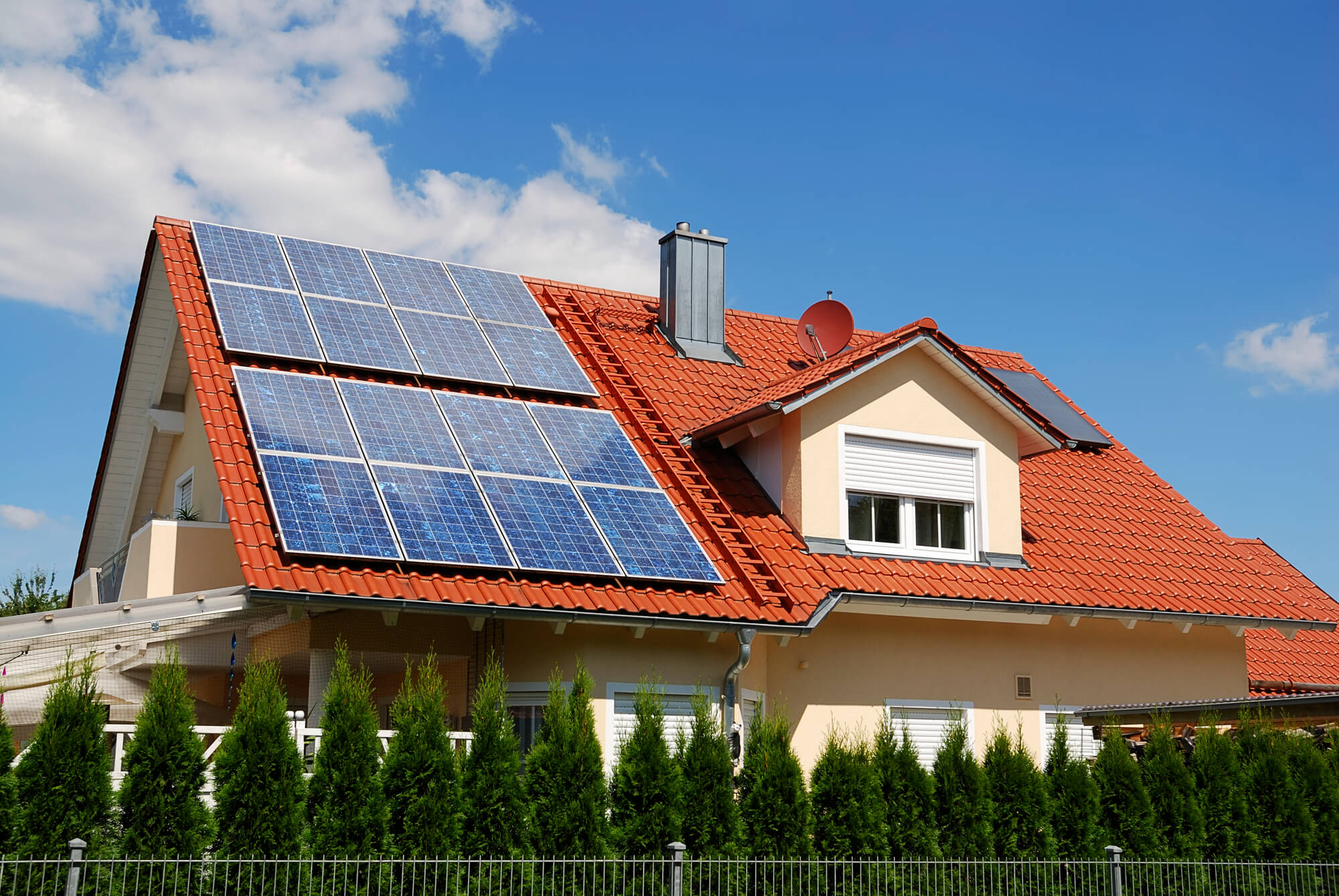

If your roof is getting old, this is one of the first questions any good solar installer will ask: do you need a new roof before adding solar? The answer isn’t always yes — but getting it wrong costs money. Installing solar on a roof that fails in five years means paying $3,000 to $6,000 to remove and reinstall the system when the roofer comes. Here’s how to think through the decision.
Contents
- 1 The 10-Year Rule
- 2 Average Roof Lifespans by Material
- 3 Signs Your Roof May Need Replacement Before Solar
- 4 The Cost of Getting It Wrong
- 5 When to Combine Roof Replacement and Solar Installation
- 6 Metal Roofs: The Ideal Solar Substrate
- 7 What Your Solar Installer Should Do During the Site Visit
- 8 Frequently Asked Questions
- 9 Summing Up
The 10-Year Rule
Most reputable solar installers won’t mount panels on a roof with less than 10 years of remaining useful life. This threshold protects both you and the installer — a roof failure after installation means an expensive service call and potential warranty complications.
The logic: solar panels are warranted for 25 years and typically last 30+. If your roof has 12 years left, you’ll need to remove and reinstall the panels at least once during the system’s life. If the roof has 20+ years remaining, the math looks much better.
Average Roof Lifespans by Material
| Roofing Material | Average Lifespan | Solar Assessment |
|---|---|---|
| 3-tab asphalt shingles | 15 – 20 years | Replace if over 12 years old |
| Architectural/dimensional shingles | 25 – 30 years | Assess condition if over 15 years old |
| Metal standing seam | 40 – 70 years | Almost never needs replacement first |
| Metal R-panel / corrugated | 30 – 45 years | Usually fine; check coating condition |
| Clay or concrete tile | 30 – 50 years | Assess tile condition; replace cracked tiles |
| Slate | 75 – 150 years | Rarely needs replacement before solar |
| Modified bitumen (flat) | 10 – 20 years | Replace if over 10 years; seams critical |
| TPO / EPDM (flat) | 15 – 25 years | Penetration-free ballasted mount preferred |
Signs Your Roof May Need Replacement Before Solar
Age alone isn’t the only indicator. Look for these signs of a roof that needs work before solar panels add load and penetrations:
- Curling, cracking, or missing shingles: Granule loss and curling shingles indicate approaching end of life
- Moss or algae growth: Indicates moisture retention and shingle deterioration beneath
- Sagging or uneven surfaces: Could indicate structural sheathing damage or rafter issues — a serious problem that needs addressing regardless of solar
- Daylight visible from the attic: Gaps in sheathing mean the roof is already compromised
- Water stains or active leaks: A leaking roof must be fixed before adding penetrations
- Multiple repair patches: Frequent repairs signal a roof approaching the end of its serviceable life
The Cost of Getting It Wrong
If you install solar and then need a roof replacement within 5 years, you’ll pay a separate contractor to:
- Disconnect and remove the solar system ($1,000 to $2,000)
- Complete the roof replacement
- Reinstall the solar system and reconnect ($1,500 to $3,000)
Total additional cost: $2,500 to $5,000, depending on system size and installer availability. On a $25,000 solar investment, that’s significant. If you were going to need a new roof within 5 to 7 years anyway, doing it before solar avoids this cost entirely.
When to Combine Roof Replacement and Solar Installation
Doing both at the same time — a “solar-ready” roof replacement — is often the most cost-effective approach. Benefits:
- Roofer can install solar-specific underlayment and flashing in the areas where mounting hardware will penetrate
- Shared mobilization: contractors are already on site with equipment
- Some coordination discount is possible when working with an installer who handles both
- You start with a clean, new-warranty roof under your panels
Combined roof + solar projects typically cost 10 to 20% less than doing them sequentially, because much of the labor overlaps. Get itemized quotes for both scenarios before deciding.
Metal Roofs: The Ideal Solar Substrate
Standing seam metal roofs are the gold standard for solar mounting. S-5! clamps and similar products grip the raised seams without any roof penetrations at all. The metal roof’s 40 to 70-year lifespan means it will outlast the solar panels. If you’re replacing a worn asphalt roof and planning to add solar within the next few years, a standing seam metal roof is worth the premium — it’s the last roof you’ll ever need to buy, and solar installation on it is both easier and cheaper.
What Your Solar Installer Should Do During the Site Visit
A good installer will inspect your roof and give you an honest assessment. Red flags that suggest the installer is cutting corners:
- No roof inspection or questions about roof age
- Willingness to install on obvious damaged shingles without comment
- No discussion of roof warranty implications
Ask your installer directly: “What is your assessment of my roof’s remaining life, and will installing solar now create any risk of problems before I’d need a roof replacement?” A reputable installer will tell you honestly if the roof should be addressed first.
Frequently Asked Questions
Will solar panels damage my roof?
Not if they’re installed correctly. Professional installations with proper flashing and sealant at every penetration point are watertight and don’t damage the shingles. Roof damage from solar almost always results from poor installation — improperly flashed penetrations or installers who cut corners on sealant. Get multiple quotes and check installer reviews specifically for roof penetration workmanship.
Can I get solar if my roof is 15 years old?
It depends on the roof material and condition. A 15-year-old architectural shingle roof in good condition might have 10 to 15 years of life left — acceptable for a solar installation. A 15-year-old 3-tab shingle roof is near end of life and warrants professional inspection before you commit to solar panels. Have a roofer assess remaining life before the solar site visit.
Does my roofing manufacturer’s warranty cover solar panel penetrations?
Some do, some don’t. Many asphalt shingle manufacturers allow penetrations by licensed contractors using their approved flashing products without voiding the warranty. Others exclude all third-party penetrations. Check your roofing warranty documentation or call the manufacturer’s customer service with your shingle model and ask specifically about solar mounting.
Will solar panels add too much weight to my roof?
Standard residential solar panels weigh 40 to 50 pounds each, plus racking adds 3 to 5 pounds per panel. A 20-panel system adds about 1,000 pounds spread over 400 square feet — roughly 2.5 pounds per square foot. Most residential roofs are designed to carry 20 pounds per square foot (live load), so solar is well within structural limits. If you have any concerns about your roof’s structural condition, a structural engineer can assess it for $300 to $500.
How long does it take to install a new roof and solar together?
A full roof replacement takes 1 to 3 days. Solar installation follows 2 to 4 weeks later (after permitting). Total timeline from project start to operational solar: 4 to 8 weeks, similar to a solar-only installation. The difference is a week or two for roof scheduling and drying before solar mount installation.
Summing Up
Whether you need a new roof before solar depends on your current roof’s age, material, and condition. The 10-year rule is a practical guide: if your roof has less than 10 years of remaining life, replace it first or do both simultaneously. Getting this decision right saves you $3,000 to $5,000 in future removal and reinstallation costs. A professional roof inspection before your solar site assessment costs $200 to $400 and provides the clarity you need to make the right call.
For a professional solar installation with a thorough roof assessment included, call Solar Panels Network USA at (855) 427-0058 for a free quote.
Updated