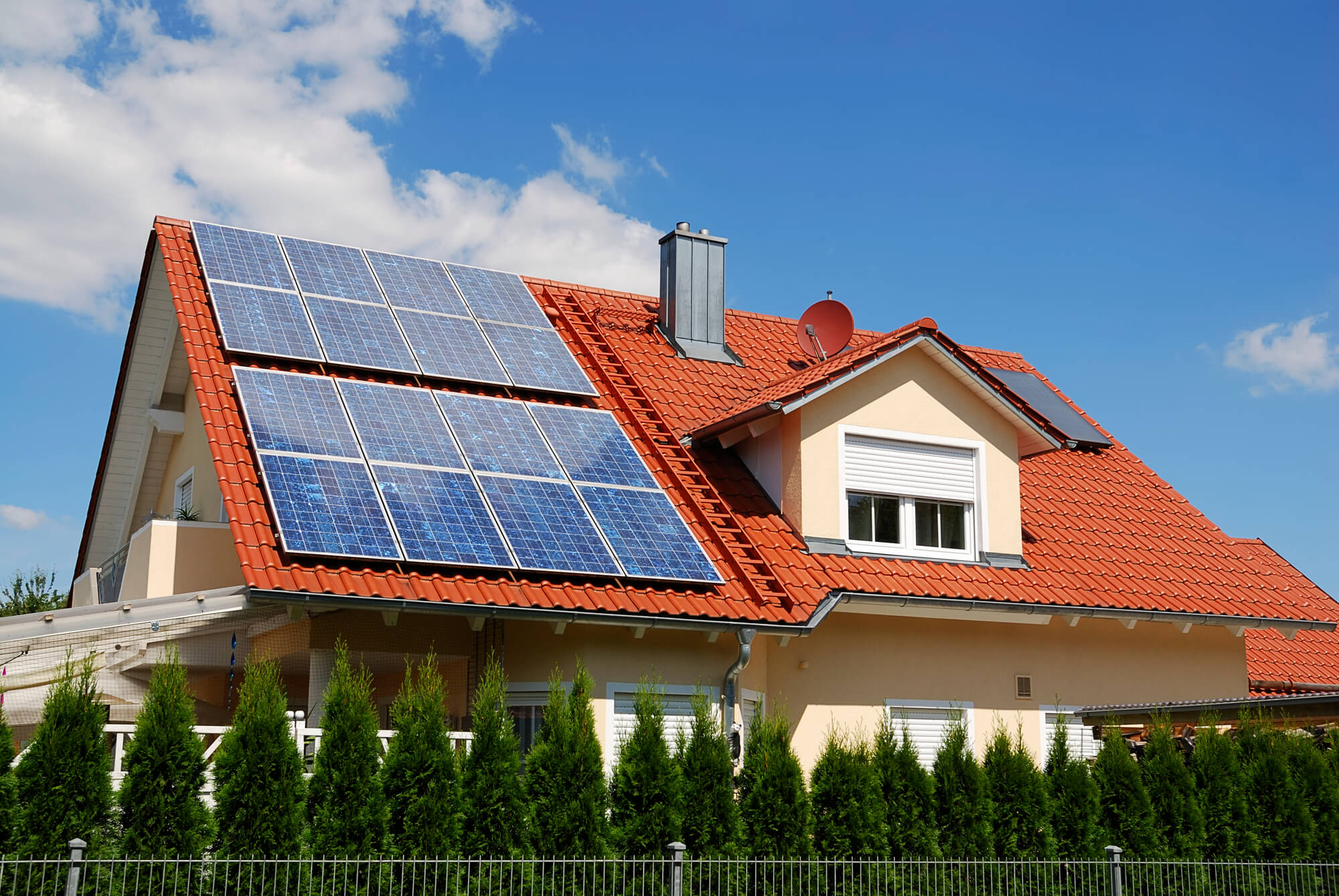
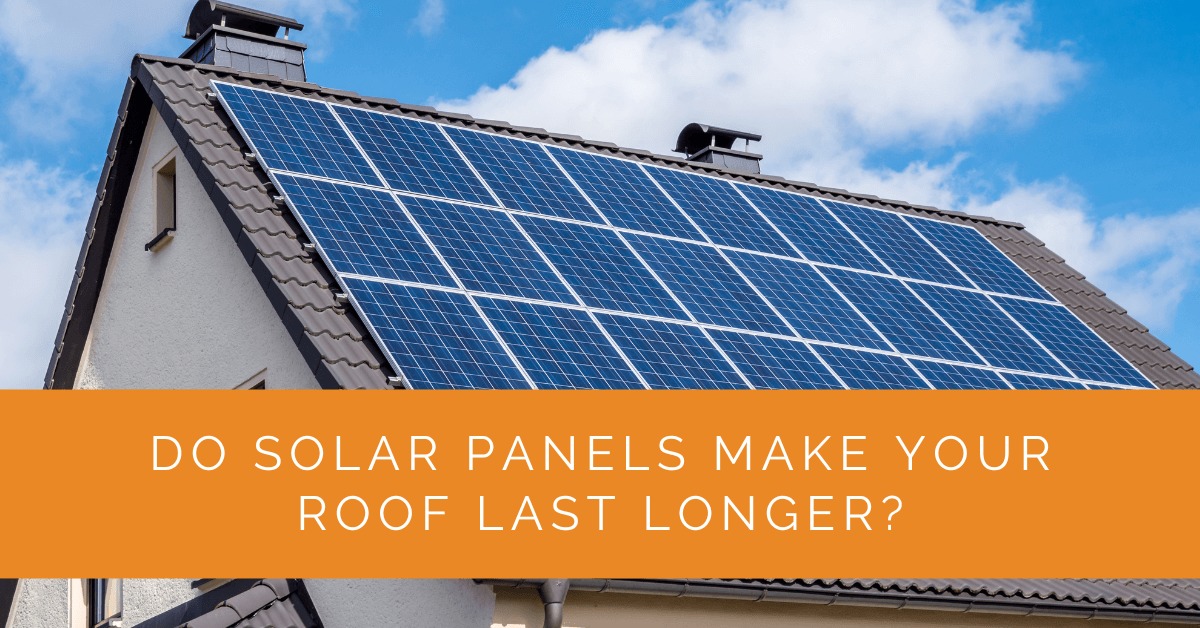
Solar panels can protect your roof and potentially extend its lifespan—but only under specific conditions. The relationship between panels and roof longevity depends on installation quality, roof condition before panel installation, climate, and maintenance practices. Understanding these dynamics helps you decide whether solar represents roof investment or risk, and how to maximize protective benefits if you proceed with installation.

This guide explores how solar panels affect roofs, what protection they provide, what risks they introduce, and what preconditions must exist for panels to genuinely extend roof lifespan. The short answer: quality installation on a healthy roof can add 5-10 years to lifespan; poor installation on an aging roof can shorten it. Smart planning determines which outcome is yours.

How Solar Panels Protect Roofs From UV Damage

Sunlight contains ultraviolet (UV) radiation that degrades roofing materials. Asphalt shingles oxidize under UV exposure, losing flexibility and becoming brittle. Warranty for shingles typically covers 20-30 years, but UV degradation accelerates this timeline; many roofs fail functionally around 15-20 years. Solar panels, by shading the underlying shingles, reduce UV exposure by 100% in the covered area. Shingles under panels avoid decades of UV bombardment, effectively pausing degradation during the panel lifespan.

This protection is significant. A roof subject to 30 years of continuous UV damage under a healthy 25-year shingle warranty faces declining performance as the warranty expires. The same roof, with panels covering 60% of its surface from year 5 onward, experiences only 20 years of full UV exposure; panels provide 10+ additional years of reduced UV stress to the unshaded portions. Over a panel’s 25-30 year lifespan, this UV protection genuinely extends roof service life by 5-10 years if no other damage occurs.

Temperature Moderation and Thermal Stress Reduction

Roofs endure extreme temperature swings: summer sun pushes shingle temperatures to 160°F or higher; winter cold drops them below freezing; daily cycles create expansion and contraction stress. This thermal cycling causes micro-cracks, seal degradation, and material fatigue. Additionally, heat accelerates chemical aging—higher temperature accelerates oxidation reactions in asphalt. A cooler roof ages more slowly.

Solar panels create air gaps between panels and roof, enabling airflow that cools the roof surface. Research indicates this temperature reduction averages 5°C (9°F), with some studies showing 10°C+ reductions in high-sun climates. Lower temperature means slower oxidation, reduced thermal cycling stress, and less seal degradation. For every 10°C temperature reduction, material aging roughly halves. This thermal benefit, combined with UV protection, compounds to significant roof life extension—potentially adding 10+ years compared to unshaded roofs in hot climates.

Weather Shield: Hail, Snow, and Impact Protection

Solar panels absorb direct impact from hail, debris, and snow loads that would otherwise damage shingles. Panels are tested and rated for hail impact (IEC 61215 includes hail impact tests at 25mm diameter ice balls, simulating severe hail); most quality panels withstand these impacts. Hail that would dent or crack unshaded shingles strikes panels instead, with panels designed to survive such impacts without power loss.

Snow accumulation also stresses roofs; deep snow loads weigh heavily on shingles and flashing. Panels shed snow more readily than shingles due to smooth surfaces and slight tilt angles. Reduced snow load under panels means less weight-induced stress, less seasonal roof damage, and lower risk of ice dam formation along panel edges (where water can pool and freeze). In snowy climates, this protection is material—snow loading is a leading cause of roof damage and structural stress in heavy-snow regions.

Ice and freeze-thaw cycles crack and separate roofing materials. Panels reduce ice formation on shaded roof areas and moderate temperature swings under panels, reducing freeze-thaw stress. This is particularly valuable in northern climates where freeze-thaw cycling is a leading cause of premature roof failure.

Critical Precondition: Roof Must Be Healthy Before Panel Installation

The protective benefits of solar panels exist only if your roof is in good condition before installation. Installing panels on an aging roof (15+ years old, showing damage or wear) is problematic. Once panels are installed, roof repairs become expensive and difficult—panels must be removed, roof work performed, and panels reinstalled, costing $3,000-$8,000+ depending on work scope. Additionally, panels cover damage, delaying discovery; an aging roof that might have been replaced preventively gets ignored, and problems worsen silently under panels.

Best practice: assess roof condition before solar planning. If your roof is 15+ years old, get an inspection from a roofing contractor. If the roof is in good condition (no leaks, no missing/curling shingles, no moss/algae growth, original flashing intact), installing panels is reasonable. If the roof shows significant wear, replace it before installing panels. The upfront cost of roof replacement (typically $8,000-$15,000 for asphalt shingles) is far less than the long-term problem of panels on a failing roof.

Installation Quality Dramatically Affects Roof Impact

How panels are installed determines whether they protect or damage roofs. Proper installation involves adding flashing around mounting points, using sealed, waterproof penetrations, and distributing weight evenly across structural supports. Properly installed panels don’t damage roofs; they actually reduce exposure damage. Improper installation—loose penetrations, inadequate flashing, mounting errors—creates water entry points, ice dam conditions, and concentrated weight stress.

Common installation mistakes that damage roofs: installers drilling excessive holes without proper flashing (water enters at penetrations); under-sizing mounting equipment (concentrated loads at few points rather than distributed load); failing to adequately seal flashing (water pools and leaks develop); and misplacing mounting points relative to roof framing (loads concentrate on weak points rather than structural supports). Additionally, quality installers inspect roof condition and address small issues before installation; poor installers simply bolt panels down without assessment, leaving pre-existing damage unaddressed.

Choose installers with strong reputation for quality workmanship. Ask for references and follow-up with past customers about roof condition post-installation. Verify installers use quality flashing materials (aluminum or stainless steel, not plastic), seal all penetrations with appropriate flashing, and distribute mounting loads appropriately. A quality installation adds roof life; poor installation subtracts years and introduces costly water damage.

Warranty Implications and Insurance Considerations

Most roofing warranties explicitly exclude damage caused by solar installations. If panels are installed and later leaks develop, the roofer can claim the installation caused the leak and deny warranty. This is why pre-installation roof condition and proper installation are critical. Similarly, many homeowners insurance policies require disclosure of roof-mounted solar. Some insurers increase premiums (treating additional structural load as increased risk); others provide no additional coverage for panels themselves (separate panel warranty covers panel defects, not installation-related damage).

Before installing panels, review your homeowner’s insurance policy with your agent. Understand your roof’s warranty status and any exclusions. Ensure your homeowner’s policy covers panel installations and liability if panels fail. Additionally, verify your solar contractor carries appropriate insurance (general liability, errors and omissions) and that their workmanship is guaranteed. Many solar companies warranty their installation workmanship for 10 years; this should cover roof leaks caused by improper installation.

Roof Maintenance and Inspection With Panels

Once panels are installed, regular roof inspection becomes more important, not less. Annual inspections should check flashing around penetrations, roof condition in unshaded areas (which continue aging), and gutter/drainage systems. Panels make full roof access difficult, but a portion inspection (edges, unshaded areas, valleys) should occur yearly. Bi-annual professional inspections (performed by roofers with panel experience) identify developing issues before they become expensive problems.

Maintenance includes keeping gutters clean (debris blocks drainage, causing water backup under panels), ensuring roof ventilation isn’t compromised by panels, and addressing small issues (missing shingles, cracked flashing, moss/algae growth) promptly. Proper drainage and ventilation protect both panels and roof. If your roof began developing issues before panels were installed, address them before installation; if issues develop post-installation, address them promptly before they worsen and cause water damage.

Geographic and Climate Considerations

Roof protection benefit varies by climate. In hot, sun-intensive climates (Arizona, Southern California, Southwest), UV protection and temperature reduction provide substantial benefit. Roofs without panels in these regions age significantly in 15-20 years; panels add measurable roof life. In moderate climates (northern states, temperate zones) with less extreme sun, benefits are smaller but still meaningful—perhaps 5 years added lifespan rather than 10.

In very cold climates with heavy snow, freeze-thaw protection and snow load reduction provide significant benefit. In wet, humid climates prone to moss and algae, panel airflow actually helps reduce moisture accumulation under panels, providing protection. However, in these climates, improper drainage around panels becomes more critical—water must flow away from panel penetrations. The takeaway: solar provides roof protection in all climates, but the magnitude varies. In harsh-sun or harsh-freeze climates, protection is most valuable.

Financial Modeling: Roof Replacement Cost Avoidance

To evaluate whether solar roof protection justifies installation costs, model the financial impact. Assume your roof would last 20 years without panels. With panels adding 5-10 years of life, roof replacement is deferred from year 20 to year 25-30, or potentially never occurs during panel lifespan (25-30 years). Future roof replacement costs are time-devalued—a $12,000 roof replacement deferred 10 years has present value of only $5,000-$7,000 (depending on discount rate), because the cost occurs far in future.

If your solar system costs $15,000 before incentives but avoids a $12,000 roof replacement 10 years sooner, the net financial benefit is modest—the roof replacement cost is deferred, not eliminated, and occurs later. However, combined with electricity savings (typically $800-$1,500/year, totaling $8,000-$15,000 over 10 years), the economics become favorable. Treat roof protection as bonus benefit of solar, not primary financial justification. The primary financial case for solar is electricity bill reduction; roof life extension is valuable secondary benefit.

Special Cases: Tile, Metal, and Flat Roofs

Different roof materials interact with panels differently. Tile roofs are very durable (50+ year lifespan) and don’t benefit materially from UV protection. However, they can be damaged during panel installation if installers aren’t experienced with tile work (cracked tiles, broken seals). Metal roofs also have long lifespan and don’t need UV protection, but they conduct heat; panels might actually reduce cooling benefit of white metal roofs in hot climates. Installation on metal roofs requires special flashing to prevent water entry at penetrations.

Flat roofs are common on commercial buildings and some homes. Flat roofs face greater water pooling risk; panels must be installed to maintain roof slope and drainage. Improper flat roof solar installation creates water traps, accelerating roof failure. However, properly installed panels on flat roofs can actually extend lifespan by reducing UV exposure and temperature cycling on the underlying membrane. Work with contractors experienced in your specific roof type—installation approach varies significantly.

When NOT to Install Panels Due to Roof Condition

Avoid solar installation if your roof is 15+ years old and showing significant wear, has known leaks or damage, lacks proper structural support for additional load, or is scheduled for replacement within 5 years. In these cases, replace the roof first, then install panels on your new roof. The upfront cost is higher, but long-term economics and risk profile are far better.

Additionally, avoid installation on roofs with structural issues, inadequate ventilation, or previous leak history without clear resolution. Panels hide problems and make diagnosis difficult once installed. Finally, if your roof has active roof warranty coverage that includes terms excluding solar installations, verify the warranty remains valid post-installation, or the warranty benefit is lost.

Frequently Asked Questions

Can solar panels actually extend my roof’s life?

Yes, if conditions are right. Solar panels protect shingles from UV degradation and reduce temperature stress, potentially extending roof life 5-10 years. However, this benefit only exists if your roof was in good condition before installation and panels are installed properly with quality flashing and penetrations.

Should I replace my roof before installing solar?

If your roof is 15+ years old and showing wear, yes—replace it before solar installation. Installing panels on an aging roof complicates future repairs and doesn’t address underlying damage. Replacing first costs more initially but saves money and headaches long-term.

How much do leaks cost if panels are installed incorrectly?

Water damage from improper panel flashing can cost $5,000-$30,000+ depending on damage extent. Interior water damage, mold, structural wood rot, and insulation damage add quickly. This underscores importance of quality installation and proper flashing—cheap installation can create expensive damage.

Does my homeowner’s insurance cover solar panels?

Most homeowner’s policies don’t cover panel-specific damage; separate equipment warranties apply. However, insurance should cover damage caused by improper installation (contractor liability). Verify your coverage with your agent before installation.

Will solar panels void my roof warranty?

Many roof warranties exclude damage caused by solar installation. This is why proper installation is critical—if your contractor installs correctly and doesn’t cause damage, the warranty remains valid. Poor installation can void warranty and create liability for the installer.

How often should I inspect my roof after panel installation?

Inspect annually, focusing on flashing around penetrations and unshaded roof areas. Professional roofer inspections every 2-3 years (if possible without removing panels) identify developing issues early. Prompt attention to small problems prevents expensive water damage.

Summing Up

Solar panels can genuinely extend roof lifespan by 5-10 years by reducing UV exposure, moderating temperature, and providing weather protection. However, this benefit exists only if two preconditions are met: your roof was in good condition before installation, and panels were installed properly with quality flashing and sealed penetrations. Poor installation on an aging roof can shorten lifespan and create expensive water damage.

If your roof is 15+ years old or showing wear, prioritize roof replacement before solar installation. New roofs enjoy maximum protection benefit from panels, and you avoid the complication of panel removal for roof repairs. Treat roof protection as valuable secondary benefit of solar, not the primary financial justification. Electricity bill reduction is the main financial driver; roof life extension compounds the value proposition. Install with reputable contractors, inspect regularly, and maintain proper drainage—these practices ensure solar protects rather than damages your roof.

Get a Free Solar Quote → (855) 427-0058

Updated