

Real-world solar panel output rarely matches the rated capacity printed on the spec sheet — several environmental and technical factors reduce actual production below theoretical maximums. Temperature, shading, orientation, soiling, and panel degradation are the biggest factors affecting solar panel output.
Factors Affecting Solar Panel Output
| Factor | Typical Impact |
|---|---|
| Temperature | -0.24% to -0.45% per °C above 25°C |
| Shading | Can drag down entire string with string inverters |
| Orientation/tilt | Up to 20-30% difference from optimal to poor orientation |
| Soiling (dust/dirt) | 1-5% annual output loss without cleaning |
| Panel degradation | 0.25-0.55%/year depending on cell technology |
Temperature Effects
Panels lose efficiency as they heat up above their 25°C rating point — the temperature coefficient (-0.24% to -0.45% per °C depending on cell type) means hot climates see meaningfully reduced output compared to cooler ones.
Shading Impact
Even partial shading on one panel can drag down an entire string’s output with string inverters — microinverters and power optimizers minimize this weak-link effect.
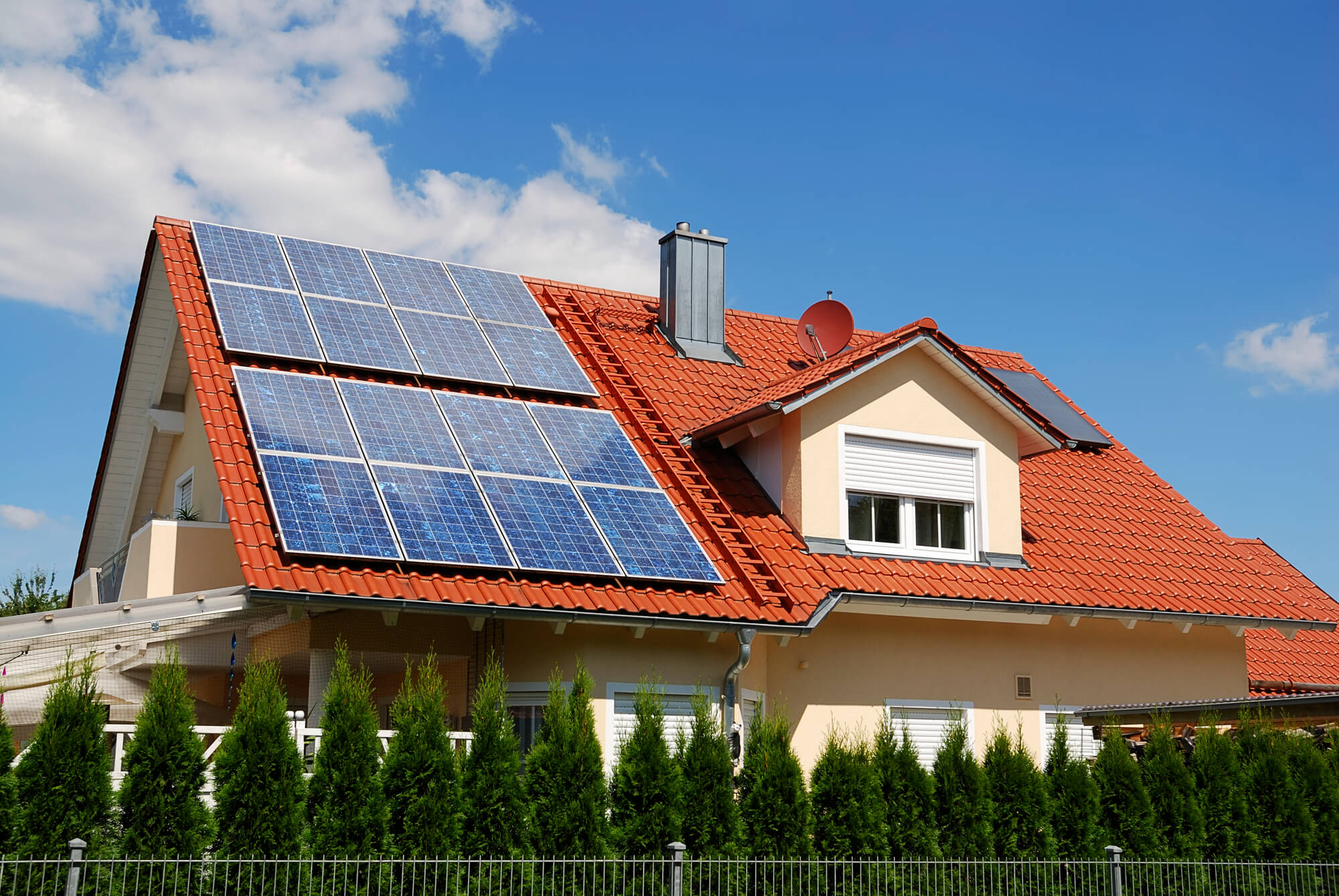
Orientation and Tilt
Panels facing true south (northern hemisphere) at latitude-matched tilt produce the most energy — poor orientation or tilt can reduce output by 20-30% compared to optimal placement.
Soiling and Degradation
Dust, pollen, and debris accumulation reduces output 1-5% annually without cleaning, while natural panel degradation (0.25-0.55%/year depending on technology) gradually reduces capacity over the system’s lifespan.
Get a production estimate for your specific home: (855) 427-0058
Frequently Asked Questions
Why don’t my solar panels produce their rated wattage?
Temperature, shading, orientation, and soiling all reduce real-world output below rated capacity.
How much does temperature affect solar panel output?
Roughly -0.24% to -0.45% per °C above the 25°C rating point.
Does shading really matter that much?
Yes — with string inverters, even partial shading can drag down an entire string.
How much does dirty panels reduce output?
Typically 1-5% annually without periodic cleaning.
What panel technology has the lowest degradation rate?
HJT and IBC panels, typically 0.25-0.35%/year.
Can I reduce these output-limiting factors?
Yes — proper orientation, shade mitigation, and periodic cleaning all help.
How do I know if my system is underperforming?
Compare actual production to PVWatts estimates or your monitoring app’s expected output.
Summing Up
Understanding these factors helps set realistic expectations for solar production. For a personalized production estimate, call (855) 427-0058 or visit us.solarpanelsnetwork.com.
Updated