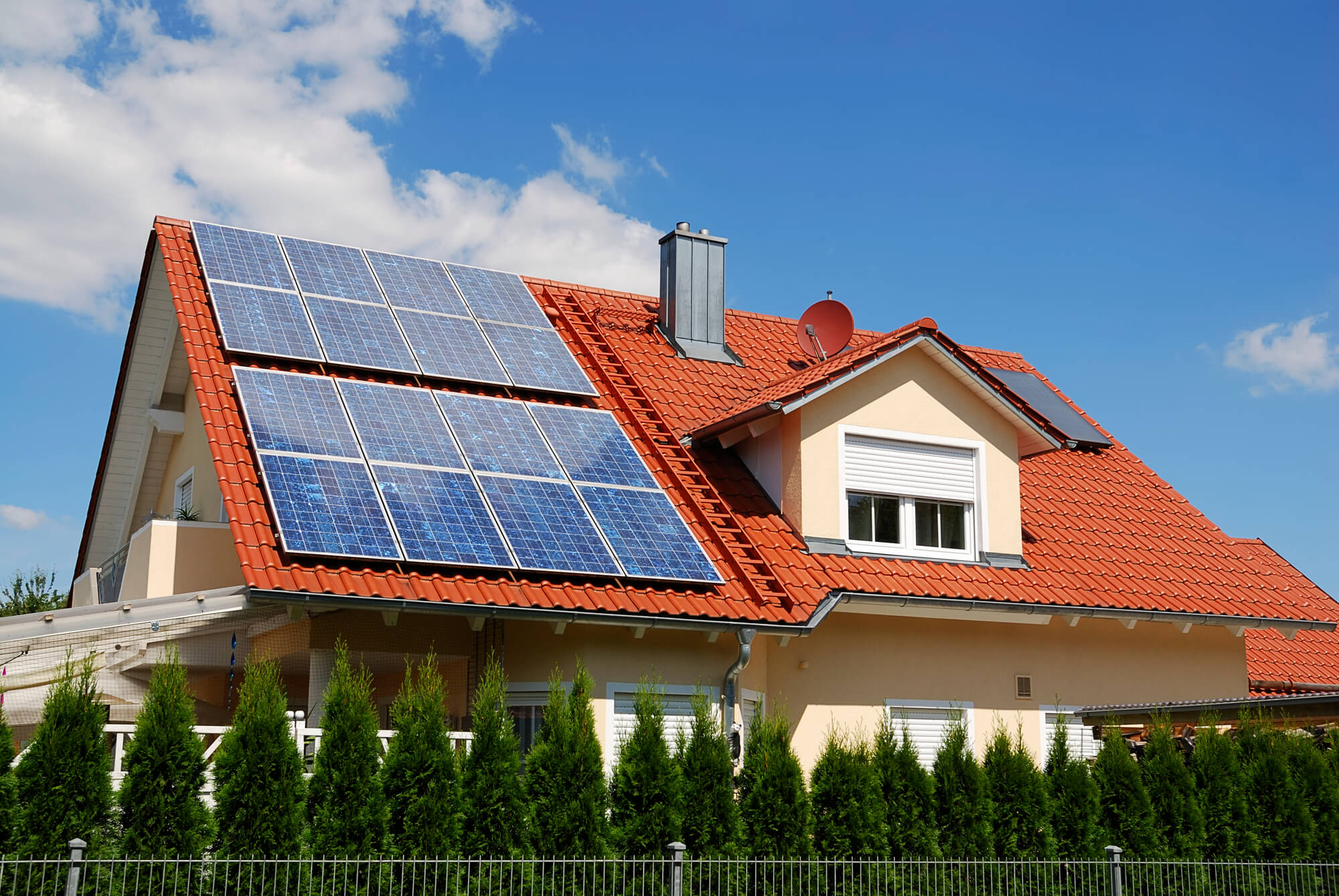
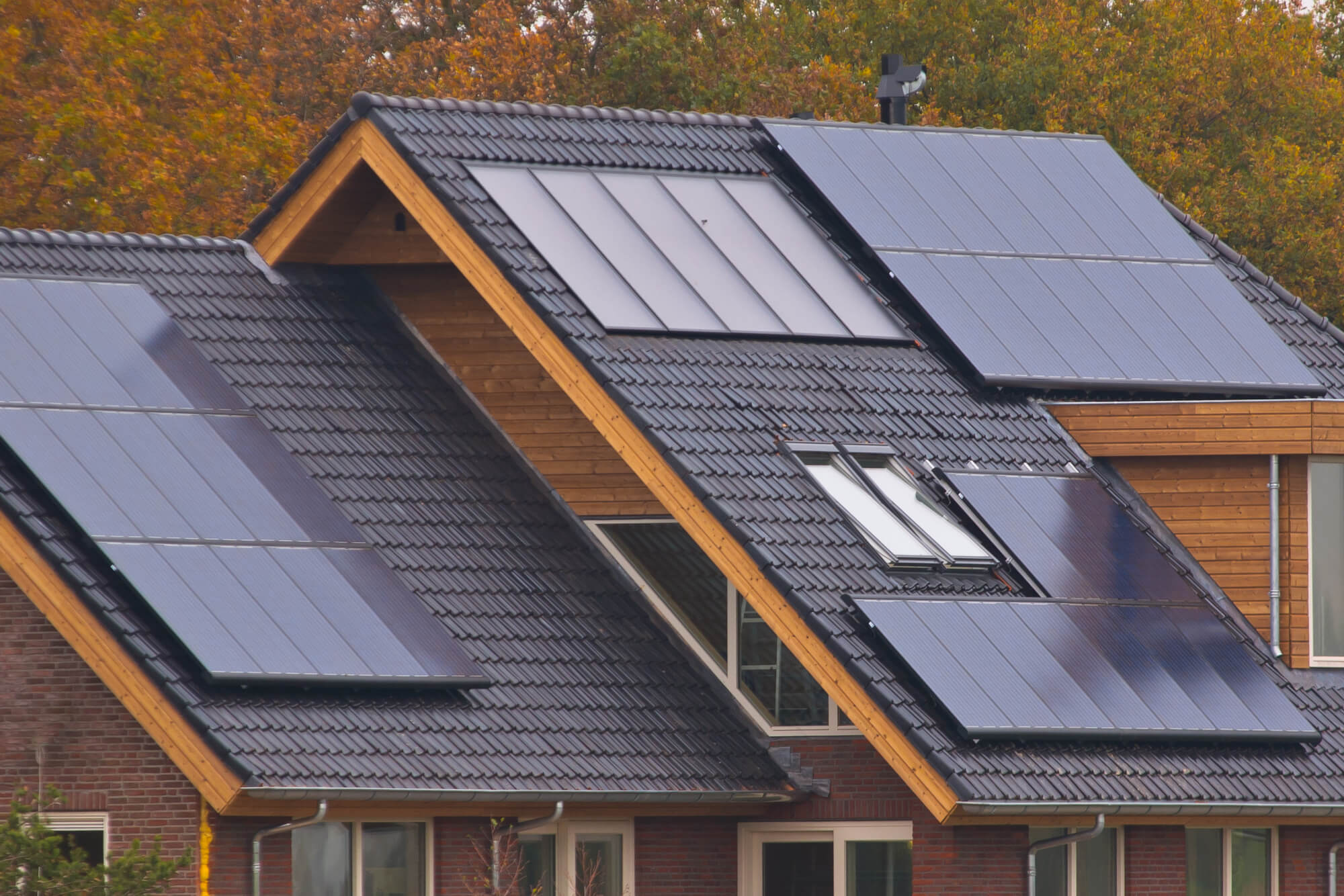
Frameless solar panels eliminate the aluminum perimeter frame found on traditional panels, replacing it with structural glass-to-glass bonding that creates a cleaner, more integrated appearance and potential performance improvements. Instead of a metal frame containing cells and encapsulant, frameless panels use tempered glass on front and back with photovoltaic cells bonded directly between them. This design reduces panel weight by 10-15%, improves water sealing and longevity in humid environments, simplifies installation, and creates a sleek aesthetic that appeals to homeowners prioritizing visual appearance.

Frameless technology represents a significant innovation in panel design, but adoption remains limited—less than 5-10% of residential installations use frameless panels today due to higher cost, limited manufacturer availability, and minimal performance advantage over framed panels. Understanding the trade-offs between aesthetic benefits, cost, durability, and actual performance is essential for evaluating whether frameless panels justify their premium pricing.

Design and Construction Differences

Traditional solar panels use an aluminum extrusion frame that houses silicon cells, encapsulant (ethylene vinyl acetate or EVA), and a backsheet layer. The frame provides structural support, mounting points, and environmental sealing. Manufacturing involves assembling these layers, welding the frame, and using sealant (typically silicone) around the frame perimeter to prevent water ingress.

Frameless panels use a fundamentally different approach. Silicon cells are bonded directly between tempered glass panes (typically 4-6mm thick on front, 2-3mm on back) with a special structural adhesive (typically polyurethane or silicone-based). The glass layers provide structural rigidity that the aluminum frame traditionally supplied. No separate frame is needed, and the glass-to-glass construction eliminates traditional mounting edge sealing challenges.

This design shift provides several mechanical advantages. Glass-to-glass bonding creates a more rigid structure than a framed design with internal cell layers—the panel can be handled more roughly without internal damage. The double-glass construction provides superior environmental sealing compared to frame+backsheet designs, which can develop micro-gaps where water enters over decades. And the design is inherently lighter (typically 18-24 pounds per panel vs. 40-50 for framed monocrystalline).

Aesthetic Advantages

The primary driver of frameless adoption is visual appearance. Frameless panels integrate seamlessly with roofing because the black or dark glass surface extends edge-to-edge without metal interruption. Framed panels show visible aluminum borders that some homeowners find visually obtrusive, especially on light-colored roofs or in visible locations.

For homes where aesthetics matter—properties with significant curb appeal, homes in HOA-managed communities with appearance standards, historic districts, or simply homeowners who prefer integrated appearance—frameless panels offer clear visual advantage. Architectural integration improves perceived value and can positively impact home resale, where solar system appearance affects buyer perception.

However, most buyers don’t distinguish between framed and frameless panels, and the aesthetic benefit doesn’t translate to higher home value or faster resale. The aesthetic premium exists primarily for individual homeowner preference, not for objective market value recovery.

Cost and Pricing Premium

Frameless panels cost 15-30% more per watt than equivalent framed monocrystalline panels. A standard 400-watt monocrystalline panel costs $120-$180 per panel (about $0.30-$0.45 per watt at retail); a frameless 400-watt panel costs $180-$250 per panel ($0.45-$0.60 per watt). For an 8 kW system, this premium translates to $2,400-$4,800 in additional module cost for the aesthetic benefit alone.

Installation complexity is similar between framed and frameless panels—both mount to racking the same way, require electrical connections, and integrate with inverters identically. The cost premium is purely material-based, not labor-based. On a total system cost of $18,000-$22,000, a $3,000 frameless premium is 15-18% of total cost for primarily aesthetic benefit.

Performance Claims vs. Reality

Manufacturers claim that frameless panels offer performance advantages including improved heat dissipation, better water sealing, and reduced cell degradation from moisture ingress. Let’s evaluate these claims:

Heat Dissipation: Frameless panels do dissipate heat slightly more efficiently because the glass-to-glass structure and lack of air gaps in the frame reduce thermal resistance. Testing shows frameless panels operate 2-5 degrees Celsius cooler than framed panels under identical conditions. Since panel efficiency decreases roughly 0.4-0.5% per degree Celsius of temperature rise, this 2-5 degree improvement translates to 0.8-2.5% better electrical output in hot climates. In temperate climates, the benefit is negligible.

Water Sealing: Glass-to-glass bonding eliminates the frame-to-backsheet gap where water can potentially enter over decades. This is a real advantage for long-term durability in humid or coastal environments. Accelerated life testing suggests frameless panels maintain better moisture barriers after 20+ years in humidity chambers. However, decades of field data for standard framed panels show moisture ingress is rare when panels are installed with proper grounding and bonding—the risk is theoretical rather than common.

Cell Degradation: Light-induced degradation (LID) affects some high-efficiency panels and is slightly worse in humid environments where moisture combined with UV light accelerates degradation. Frameless panels’ superior moisture barrier theoretically reduces LID risk. However, most quality panels today use anti-LID coatings that minimize this issue regardless of frame design.

In practical terms, the performance advantage of frameless over quality framed panels is 0.8-2.5% in electrical output (primarily from heat dissipation), with longer-term durability benefit that’s difficult to quantify because field data is limited.

Weight Reduction Benefits

Frameless panels weigh 10-15% less than equivalent framed panels (typically 18-24 pounds vs. 40-50 pounds). This weight reduction matters for installation speed, roof stress, and racking requirements.

Installation Speed: Lighter panels are easier for installers to handle, potentially reducing installation time by 5-10% (one laborer can manipulate panels more easily). This translates to negligible labor cost savings on a 25-50 hour project (perhaps $50-$150 total savings), not significant enough to offset the module cost premium.

Roof Stress: A complete solar system adds 2-4 pounds per square foot of roof load. This is typically well within roof design limits (standard residential roofs handle 20-40+ pounds per square foot of snow load). Reducing panel weight from 3.5 lbs/sf to 3.0 lbs/sf is negligible for roof stress calculations and provides no practical benefit.

Racking Requirements: Racking design is based on minimum wind speed, not panel weight. Reducing panel weight by 10% doesn’t reduce racking cost—you still need equivalent structural support for wind resistance. So weight reduction provides no economic advantage for racking.

Durability and Longevity

Frameless panels have been commercially available since the early 2000s, with most premium frameless systems in North American residential use since 2010-2015. This provides roughly 10-15 years of field data, compared to 30+ years for framed panels. Long-term data is therefore limited.

Laboratory accelerated aging tests suggest frameless panels degrade slightly slower than framed panels, particularly in humid environments. Real-world performance tracking (from utility-scale installations using frameless panels) shows degradation rates similar to or slightly better than framed equivalents—about 0.5-0.6% annually for quality frameless panels vs. 0.5-0.8% for framed panels.

Potential failure modes for frameless panels include: (1) adhesive degradation if the polyurethane or silicone bond fails over 25-30 years (no long-term data available), (2) glass edge chipping if panels are mishandled (less likely than internal cell damage, but possible), and (3) delamination if manufacturing quality is poor. Warranty coverage mirrors framed panels (25-year output warranty, 10-12 year material warranty for most brands), indicating manufacturers are confident in long-term reliability despite limited field data.

Solar panels installed on residential roof

Manufacturer Availability and Market Leaders

Frameless solar panel manufacturing is limited to a small subset of major companies. Primary manufacturers include:

SunPower. Offers frameless high-efficiency monocrystalline panels (22%+ efficiency) at premium pricing ($0.50-$0.65 per watt). SunPower frameless panels are widely available through authorized distributors in the United States.

Panasonic. Manufactures frameless HIT (heterojunction) panels with high efficiency (21-22%) and excellent temperature performance. Availability is limited; Panasonic discontinued residential panel manufacturing in 2021, though existing stocks remain available through some installers.

Hanwha SolarOne and other Asian manufacturers. Several Chinese and Korean manufacturers produce frameless panels primarily for export markets. Availability in the U.S. residential market is limited, with most sales directed toward utility-scale projects.

Canadian Solar and Enphase micro-inverter systems. Some integrated photovoltaic-plus-microinverter offerings include frameless panel options, though availability is limited.

Unlike standard monocrystalline framed panels (available from 20+ quality manufacturers), frameless options are concentrated among a handful of premium suppliers. This limits consumer choice and installation options in many regions.

Installation and Racking Considerations

Frameless panels mount to standard solar racking systems identically to framed panels—the racking system is universal and doesn’t change. However, some design considerations apply:

Edge Protection: The lack of a frame means glass edges are exposed. Racking must protect panel edges from direct contact or stress concentration. Most racking systems do this automatically through proper design, but frameless panels require slightly more careful racking design to avoid edge contact.

Electrical Grounding: Frameless panels ground through direct glass-to-metal contact at mounting points. Proper grounding hardware and design are essential. This is straightforward with modern racking but requires attention during installation.

Aesthetic Gaps: When mounted, frameless panels appear seamless in appearance. However, small gaps between panel edges and racking remain visible. Some high-end installations use custom racking or aesthetic trim to minimize visible gaps, adding cost.

Comparison: Frameless vs. Framed Performance

MetricFrameless PanelFramed Panel (Std.)
Efficiency20-22%19-21%
Weight18-24 lbs40-50 lbs
Cost per Watt$0.45-$0.65$0.30-$0.45
Operating Temp2-5°C coolerBaseline
Hot Climate Output1-2% higherBaseline
Moisture SealingSuperiorExcellent
Field Data10-15 years30+ years
AestheticSeamless, premiumVisible frame

Is Frameless Right for Your Situation?

Frameless panels make sense if you meet these criteria:

Aesthetics are a high priority. You prefer seamless panel appearance and are willing to pay 15-30% premium for visual integration.

You live in a hot climate. The 1-2% output advantage from lower operating temperature is meaningful in Arizona, Southern California, or Florida, helping justify cost premium.

You live in a humid coastal environment. Superior moisture sealing provides long-term durability advantage in high-humidity or salt-spray environments.

Budget is not the primary constraint. Frameless panels are premium products that add $3,000-$5,000 to total system cost for modest performance gains.

Frameless panels don’t make sense if you’re primarily motivated by cost, live in a temperate climate without extreme humidity, or have limited roof space where efficiency per panel is critical (in that case, standard premium monocrystalline actually offers better cost-to-efficiency ratio).

Frequently Asked Questions

Do frameless panels really last longer than framed panels?

Field data suggests frameless panels degrade slightly slower (0.5-0.6% annually vs. 0.5-0.8% for framed), but the difference is small and not statistically significant over 25 years. Long-term reliability is unknown—most frameless panels are less than 15 years old in real-world service. Warranty coverage (25-year output warranty) is identical between frameless and quality framed panels, indicating manufacturers have similar confidence in both designs.

How much extra electricity does frameless generate compared to framed?

In hot climates (Arizona, Southern California), frameless panels operate 2-5°C cooler due to better heat dissipation, resulting in 0.8-2.5% higher annual output. In temperate climates, the benefit is negligible (less than 0.5%). Over 25 years, a 1% output advantage on an 8 kW system generates roughly 10,000-15,000 additional kWh, worth $1,000-$1,500 at typical electricity rates. This is far less than the $3,000-$5,000 cost premium, so the financial return doesn’t justify frameless for most homeowners.

Can I mix frameless and framed panels in the same system?

Technically yes, but it’s not recommended. Mixing different panel types in the same string can reduce total output if panels have different efficiency or electrical characteristics (the lower-output panel limits the string’s current). Mixing creates warranty complications (two manufacturers, potentially different failure support). Most installers discourage mixing and recommend matching all panels. If budget is the constraint, using all framed panels provides better economics than mixing.

Are frameless panels better for coastal saltwater environments?

Yes. The glass-to-glass sealed construction is superior to framed design in high-salt-spray coastal environments where water and salt penetration can corrode aluminum frames over time. If you live within 1-2 miles of the ocean, frameless panels provide genuine long-term durability advantage. For inland coastal areas or locations without extreme salt spray, the advantage is minimal and doesn’t justify the cost premium.

Do frameless panels require different racking or installation?

No, frameless panels mount to standard solar racking identically to framed panels. No special racking is required, though proper edge protection and grounding attention are important. Installation labor time is similar—weight reduction saves perhaps 5-10% of installation time (negligible cost savings). Electrical integration is identical. Frameless panels are a drop-in upgrade from a system design perspective.

Will my home value increase more with frameless panels?

Probably not measurably. Buyer valuation of solar systems is primarily driven by electricity savings (total system size and output), not panel aesthetics or type. A well-integrated frameless system appears slightly more premium, but this has not been shown to increase home value beyond the electricity generation benefit. Unless you’re selling to a very aesthetics-conscious buyer willing to pay a premium for appearance, frameless panels won’t recover their cost premium at resale.

Summing Up

Frameless solar panels represent a premium design offering superior aesthetics, slightly better performance in hot climates, and improved moisture sealing in humid environments. However, these benefits come at a 15-30% cost premium ($3,000-$5,000 for a typical system) that rarely pays back through electricity generation alone. Frameless panels make financial sense only if you value appearance enough to pay a premium, live in an extreme hot or coastal environment where performance advantage is meaningful, or are willing to invest in premium appearance for personal satisfaction.

For most homeowners, standard quality monocrystalline framed panels from manufacturers like Trina, Canadian Solar, or Enphase deliver superior cost-to-performance ratio. The extra $3,000-$5,000 spent on frameless panels would be better invested in larger system capacity (more panels) or battery storage, which provide measurable financial return. Choose frameless only if appearance is a primary priority and budget allows for premium options.

Ready to design your solar system with the right panel technology for your situation? Whether you prioritize cost, performance, or appearance, our team can help you find the optimal solution. For a free consultation on solar panels tailored to your home and priorities, call (855) 427-0058 or visit https://us.solarpanelsnetwork.com/ today.

Updated