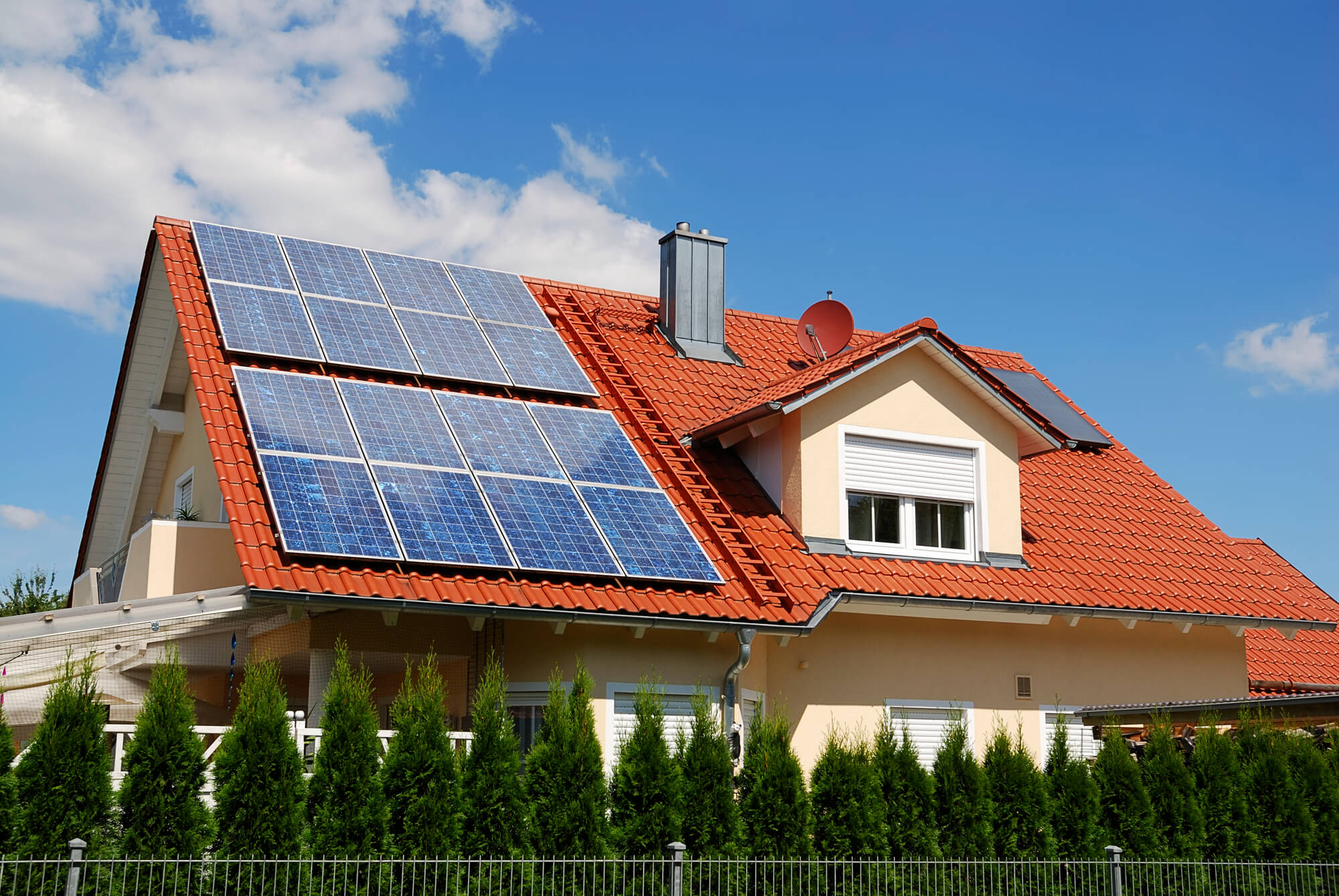
Solar panels are engineering marvels that convert sunlight directly into electricity through the photovoltaic effect. But understanding how they’re made—from raw silicon extraction through final assembly—reveals why solar technology costs what it does and helps you appreciate the sophistication underlying those rectangular modules on rooftops nationwide. The manufacturing process is highly specialized, capital-intensive, and involves multiple stages of purification, crystallization, cell creation, assembly, and rigorous testing.

This guide walks through the complete solar panel manufacturing journey, from mining raw materials in remote quarries to final quality testing of finished modules. Understanding this process clarifies why certain panels cost more, why manufacturing locations matter, and what quality indicators to look for when evaluating solar equipment for your home or business.

Stage 1: Raw Material Extraction and Purification

Solar panel manufacturing begins with silicon—the second most abundant element on Earth after oxygen. Silicon exists in quartz minerals mined from deposits worldwide; the US, China, Russia, and Scandinavia are major producers. Mining yields quartz sand and rock containing silicon oxide (SiO2). This raw ore has only 98-99% purity; turning it into usable solar-grade silicon requires serious chemical processing.

In the first purification step, ore is heated in an electric arc furnace to over 2000°C, reducing silicon oxide to metallurgical-grade silicon (98-99% pure). This molten silicon is then cooled and broken into chunks. While metallurgical-grade silicon is pure enough for some industrial uses, solar panels demand higher purity—over 99.9999% (six nines). Achieving this requires further chemical refining using processes like the Siemens process, where metallurgical silicon is converted to silane gas (SiH4), purified, then reduced back to ultra-pure polycrystalline silicon. This multi-step refining costs significant money and energy, representing a major portion of panel manufacturing expense.

Stage 2: Ingot Growth and Wafer Slicing

Ultra-pure polysilicon (poly) is melted in a crucible and either grown into monocrystalline ingots using the Czochralski (CZ) process or cast into blocks using the directional solidification (DS) process. In the CZ process, a small crystalline seed is lowered into molten polysilicon, then slowly pulled upward while rotating. The silicon cools and solidifies around the seed, growing a large cylindrical ingot of single-crystal silicon (monocrystalline). This process produces the highest-efficiency panels (22-24% typical) but is more expensive and energy-intensive than casting methods.

Directional solidification creates multicrystalline (polycrystalline) ingots by cooling molten silicon in a controlled manner, producing material with multiple crystal structures. Poly panels are less expensive and slightly less efficient (19-22% typical) than monocrystalline, but the cost advantage has made them historically popular. Modern manufacturing increasingly favors mono because efficiency gains justify the cost premium.

Once ingots are grown and solidified, they’re cut into thin wafers (180-200 micrometers thick) using diamond-wire saws. Wafer cutting produces significant material waste (kerf loss)—about 15-20% of each ingot becomes sawdust. This waste is recycled but represents inefficiency in the process. Wafer quality is critical—any cracks, contamination, or thickness inconsistencies reduce final cell efficiency.

Stage 3: Solar Cell Creation

Wafers undergo multiple processing steps to become photovoltaic cells. First, wafers are cleaned and textured (a light etching that creates microscopic pyramids on the surface, trapping light and increasing absorption). Next, phosphorus is introduced into the top surface of the wafer (doping), creating a p-n junction—the electrical boundary that creates the photovoltaic effect.

After doping, an anti-reflective coating is applied (typically silicon nitride), reducing light reflection and trapping more solar energy. Electrical contacts (metal grids) are then printed onto both sides of the cell using photolithography or screen printing, creating the pathways for electricity to flow out of the cell.

Final cell processing includes edge isolation (removing any conductive residue from edges), testing for defects (electroluminescence imaging detects microscopic cracks), and sorting by efficiency. Modern solar cells reach 22-24% efficiency (monocrystalline) or 19-22% (polycrystalline). Premium cells using advanced architectures like PERC (Passivated Emitter Rear Cell), HJT (Heterojunction), or TOPCon achieve 23-25% efficiency.

Stage 4: Module Assembly

Finished cells are assembled into modules (panels). Cells are electrically connected in series (typically 60-120 cells per module depending on wattage) and encapsulated using ethylene vinyl acetate (EVA) as a sealant. The cell strings are laminated between a glass front sheet and a polymer backsheet (typically PET or polyester) using heat and vacuum pressure.

The glass front (typically 3-4mm tempered glass) provides weather protection while transmitting 90%+ of incoming sunlight. The backsheet protects the rear from moisture and environmental damage. The laminated assembly is then encased in an aluminum frame for structural rigidity and easy mounting. A junction box (containing diodes and bypass switches) is mounted on the rear, managing current flow and protecting against reverse current.

Quality control during assembly includes visual inspections (checking for air bubbles, lamination defects), electrical testing (measuring output under controlled light conditions), and durability testing (thermal cycling, humidity exposure, mechanical stress) per international standards (IEC 61215 for silicon panels, IEC 61730 for safety).

Stage 5: Testing and Certification

Finished panels undergo rigorous testing before shipping. Key tests include: I-V curve testing (measuring electrical output at various light and temperature conditions), flash testing (exposing panels to standardized light, measuring instant power output), thermal imaging (detecting hotspots indicating defects), mechanical testing (wind load resistance, impact resistance), salt-mist testing (simulating coastal corrosion), and UV exposure testing (verifying backsheet and frame durability).

Panels must meet international standards: IEC 61215 (electrical performance and durability), IEC 61730 (electrical safety), and UL 1703 (US standard). Third-party testing by accredited labs (like TÜV, VDE, or Intertek) verifies compliance. This testing adds cost but ensures consistency and reliability. Budget manufacturers sometimes skip or reduce testing, increasing failure risk.

Manufacturing Quality Factors Affecting Performance

Panel efficiency and lifespan depend heavily on manufacturing precision and quality control. Key quality factors include: silicon purity (six-nines purity is premium; lower purity reduces efficiency), cell contact quality (poor metal contact reduces electrical output), encapsulant uniformity (non-uniform EVA causes moisture ingress), glass quality (lower-iron glass transmits more light), backsheet material (PET is lower quality; Tedlar/Kynar is premium, resisting UV better), frame integrity (thin aluminum corrodes faster), and manufacturing cleanliness (dust during assembly reduces efficiency 1-3%).

Efficiency is rated under standard test conditions (STC): 1000 W/m² irradiance, 25°C cell temperature, air mass 1.5 spectrum. Real-world efficiency is often 15-25% lower due to soiling, temperature effects, and non-optimal light angles. Premium panels maintain efficiency better in real-world conditions through superior materials and design.

Emerging Panel Manufacturing Technologies

PERC (Passivated Emitter Rear Cell): Adds a dielectric layer to the rear, reducing electron losses. Typical efficiency: 22.5-23.5%. Now mainstream (about 40% of global production). Slightly higher cost but significantly higher efficiency.

HJT (Heterojunction): Uses thin silicon layers (amorphous and crystalline) instead of boron/phosphorus doping. Typical efficiency: 23-25%. Lower degradation than traditional cells (0.3%/year vs 0.5%/year). Limited production currently, but expected to scale significantly by 2028-2030. Higher cost (~15-20% premium currently).

TOPCon (Tunnel Oxide Passivated Contact): Uses polysilicon and oxide layers for rear contact optimization. Typical efficiency: 23-25%. Competing with HJT for next-generation dominance. Production scaling rapidly.

Perovskite Tandem Cells: Stacks perovskite and silicon layers for combined efficiency of 30%+. Still in development/lab phase. Expected commercialization 2027-2030 if manufacturing challenges are resolved. Could revolutionize panel efficiency once mature.

Geographic Manufacturing and Quality Implications

Solar panel manufacturing is concentrated in China (80%+ global production), with secondary manufacturing in Southeast Asia, Vietnam, and India. US and European manufacturing is minimal due to labor costs and capital requirements. Chinese manufacturers like Jinko, JA Solar, LONGi, and Trina dominate the market, producing high-quality panels at scale due to decades of manufacturing expertise.

Manufacturing quality depends more on individual manufacturer reputation and certifications than country of origin. Premium Chinese panels (Jinko, LONGi, JA Solar) match or exceed European/US manufacturers in quality and efficiency. Budget Chinese manufacturers cut corners on materials and testing, reducing quality. US-manufactured panels may carry patriotic appeal but aren’t guaranteed higher quality than premium imports. Evaluate individual manufacturers, not geographic origin.

Environmental Considerations in Manufacturing

Panel manufacturing is energy-intensive, consuming 4-6 MWh per kilowatt of panel capacity. However, a solar panel generates more electricity over its 25-30 year lifespan than manufacturing consumes—the “energy payback period” is 2-3 years. After that, all electricity is net-positive renewable generation. Manufacturing also involves chemical processing, producing hazardous waste that must be properly contained. Environmental regulations in China and globally are tightening, pushing manufacturers toward cleaner processes.

At end-of-life, panels can be recycled: glass (30-40% of panel weight) is recoverable, aluminum frames (5-10%) are valuable, backsheet and EVA (20-30%) are harder to recycle but research is advancing, and silicon cells (30-50%) can be recovered through advanced processes. Recycling infrastructure is developing globally, with regulations in Europe already mandating manufacturer responsibility for end-of-life panels. Expect recycling to become more standardized and economical by 2028-2030.

Choosing Quality Panels: What to Look For

When evaluating solar panels for purchase or installation, understanding manufacturing quality indicators helps you choose wisely. Premium indicators include: certified efficiency (22%+ for monocrystalline is premium), low degradation rates (less than 0.5% annually), comprehensive warranty (25+ year performance warranty), third-party testing certifications (UL, IEC), low defect rates (industry reports, warranty claims), and brand reputation from trusted manufacturers. Budget panels often trade quality for cost—lower efficiency, higher degradation, thinner backsheets, weaker frame integrity. The 15-20% cost difference between premium and budget panels often translates to 30-40% lifespan and performance differences.

Ask installers for panel specifications: efficiency rating, degradation curve, warranty details, certification credentials. Compare side-by-side panels you’re considering, noting efficiency, warranty length, and frame material quality. Read independent reviews from solar research organizations. A slightly higher upfront cost for quality panels pays dividends over the 25-30 year lifespan—your system generates more electricity, maintains performance longer, and carries stronger warranty protection if issues arise.

Frequently Asked Questions

What’s the difference between monocrystalline and polycrystalline panels?

Monocrystalline panels (single crystal structure) are 2-4% more efficient (22-24% vs 19-22% typical) but more expensive due to manufacturing complexity. Polycrystalline panels cost less but have lower efficiency. Modern manufacturing increasingly favors monocrystalline because efficiency gains justify the cost premium over panel lifetime.

How long does solar panel manufacturing take?

From polysilicon production to finished panel takes 2-4 months depending on manufacturing methods and scale. Small batches take longer; high-volume automated manufacturing is faster. Once finished, panels ship to warehouses, which adds weeks depending on destination.

Why do panels cost so much if silicon is cheap?

Raw silicon is inexpensive, but purifying it to solar-grade (six-nines purity) is expensive, as is testing, assembly, and quality control. Manufacturing equipment, facilities, and labor represent major costs. Premium manufacturers add even more cost through rigorous testing and quality assurance.

Are panels made in the USA better quality?

US-manufactured panels can be high-quality, but origin doesn’t guarantee quality. Many quality panels are made overseas. Focus on certifications (UL, IEC), efficiency ratings, warranty terms, and brand reputation rather than country of origin. A quality Asian-made panel often outperforms a mediocre US-made panel.

What makes one panel more efficient than another?

Efficiency depends on material type (mono vs poly), cell design (PERC, HJT, etc.), and manufacturing precision. Premium manufacturers achieve 22-24% efficiency; budget panels achieve 18-20%. Higher efficiency means more electricity per square foot, important for space-constrained installations.

How is environmental impact managed in panel manufacturing?

Panel manufacturing is energy-intensive, but panels generate more electricity over 25-30 years than manufacturing consumes (2-3 year payback). Recycling recovers materials at end-of-life. Manufacturers increasingly use renewable energy in production, and regulations are tightening environmental standards worldwide.

Summing Up

Solar panel manufacturing is a sophisticated, multi-stage process converting raw silicon into finished electrical generators. From mining through purification, crystallization, cell creation, assembly, testing, and packaging, quality control is paramount. Understanding this process explains why quality panels cost more, what certifications matter, and why manufacturer reputation is worth paying for.

When choosing panels for your home or business, prioritize certified efficiency, comprehensive warranty, low degradation rates, and brand reliability. The 15-20% cost premium for quality panels versus budget alternatives yields 30-40% better lifetime performance and reliability. Your system operates for 25-30 years; investing in proven-quality panels from reputable manufacturers ensures maximum electricity generation, system reliability, and warranty protection throughout that extended lifespan.

Get a Free Solar Quote → (855) 427-0058

Updated