A solar fountain is a water feature powered entirely by sunlight — no electrical outlet, no wiring, no ongoing electricity cost. At its core, the technology is straightforward: a small solar panel converts sunlight into DC electricity, which powers a submersible pump that circulates water through the fountain. The result is a self-contained, portable garden water feature that runs automatically in sun and stops when it gets dark. Here’s how each component works, the important differences between direct-solar and battery-backup models, and what to look for when buying one.
Contents
The Basic Operating Principle
Solar fountains use the photovoltaic (PV) effect — the same fundamental mechanism as residential solar panels, just at a much smaller scale. When photons from sunlight strike the silicon cells in the solar panel, they excite electrons and create a flow of direct current (DC) electricity. That current is routed directly to a small brushless DC water pump, typically submersed in the fountain basin. The pump draws water from the basin, pressurizes it, and forces it through a nozzle or spray head to create the fountain effect. The water falls back into the basin and the cycle repeats.
The key characteristic: output is proportional to sunlight intensity. On a bright sunny day, the fountain runs at full height and flow rate. As clouds pass, flow reduces or the fountain pauses. When the sun goes down, the fountain stops entirely (in direct-solar models without battery backup).
Two Operating Modes: Direct Solar vs. Battery Backup
Solar fountains fall into two categories based on energy management:
Direct-solar (panel-to-pump) models: The solar panel connects directly to the pump with no energy storage. These are the simplest, least expensive, and most reliable designs — there’s no battery to degrade over time. The trade-off is inconsistent operation: the fountain only runs when there’s adequate sunlight. Even brief cloud cover causes it to sputter or stop. These are best suited for decorative bird baths and garden features where intermittent operation is acceptable.
Battery backup models: A rechargeable battery (typically lithium-ion or NiMH) is integrated between the solar panel and the pump. During peak sun hours, the panel both powers the pump and charges the battery simultaneously. When sunlight drops (clouds, shade, evening), the system draws from the battery to maintain continuous operation. Better models can run 4–8 hours on battery alone after a full day of sun, allowing the fountain to continue into the evening. These cost more upfront and the battery adds a component with a finite lifespan (typically 2–5 years before capacity degradation is noticeable).
For most garden and patio applications, a battery-backup model is worth the premium — the inconsistency of direct-solar models frustrates many buyers who expect reliable continuous flow.
The Solar Panel
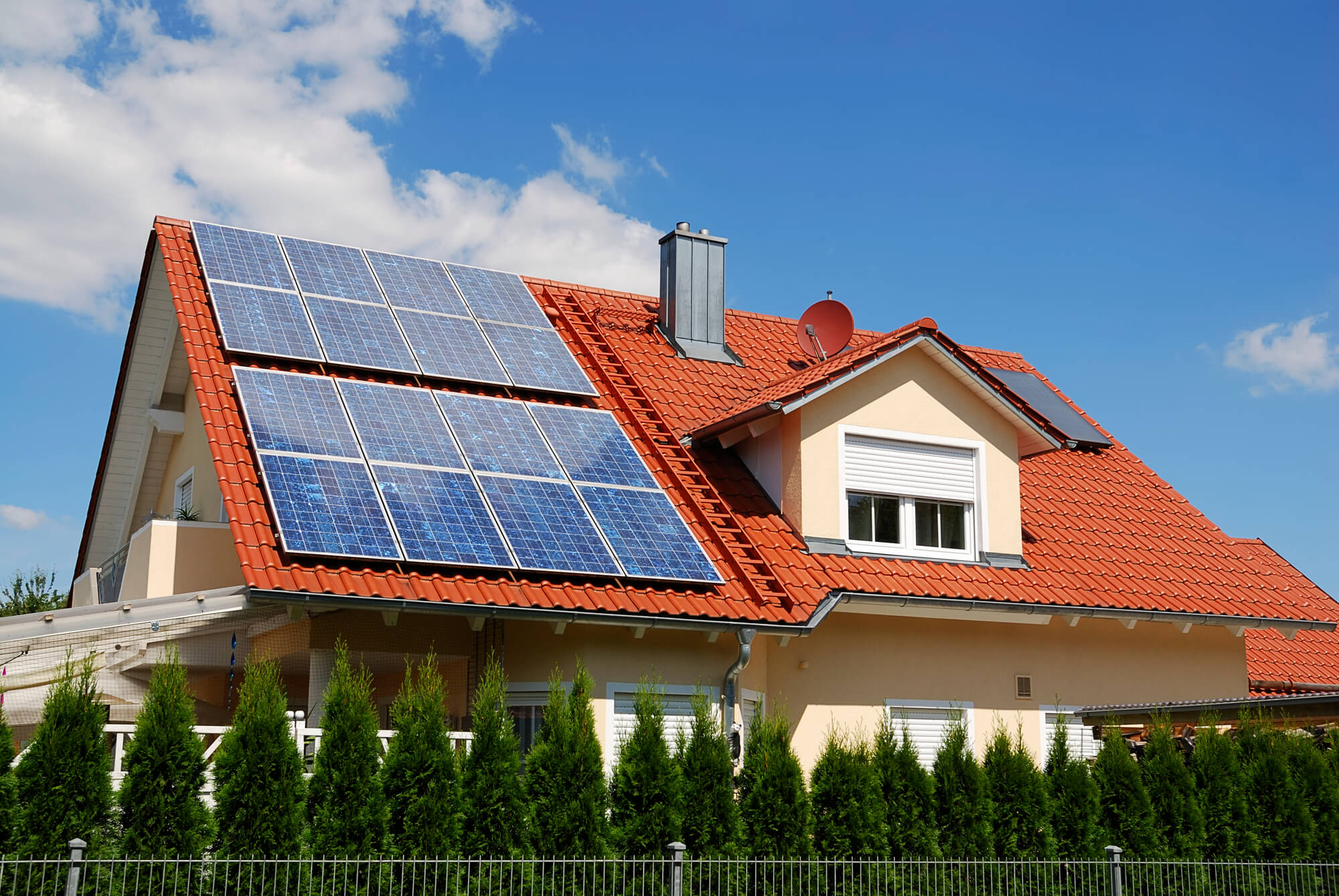
The solar panel on a fountain is much smaller than a residential panel — typically 2–10W, compared to 400+ W for home solar. These small panels use the same monocrystalline or polycrystalline silicon cell technology as larger panels, just fewer cells. Monocrystalline cells (black cells) are more efficient per square inch and perform slightly better in low-light conditions than polycrystalline (blue cells).
Panel placement is critical. The panel must receive direct sunlight — not shade from trees, fences, or the house — for maximum flow and battery charging. Even partial shading of a small panel (a leaf or branch across one corner) can significantly reduce output because the panel’s cells are connected in series. Most floating fountain models have the panel attached directly to the pump float, meaning the panel placement is wherever you put the fountain. Models with a separate, wired panel allow you to position the panel in full sun while placing the basin in a shadier, more aesthetically appropriate location.
The Pump
Brushless DC pumps are the standard for solar fountains. They’re more efficient than brushed motors, have no wearing brushes, and are rated for submersible continuous operation. Pump flow rates are expressed in gallons per hour (GPH) or liters per hour (LPH). Typical small solar fountain pumps move 100–400 GPH; larger decorative models with multiple spray heads may require 500–1,000 GPH.
Matching pump flow to your fountain’s design is important. Insufficient flow means weak, low-height jets. Excessive flow can be noisy or splash water out of the basin. Most solar fountain kits include a flow adjustment valve or offer multiple nozzle choices that let you tune the output.
Most submersible solar fountain pumps include a small filter cage around the intake to prevent debris from clogging the impeller. This filter must be cleaned regularly — it’s the most common cause of fountain failure or reduced flow in fountains that were previously working well.
Nozzles and Spray Patterns
Solar fountain kits typically include multiple nozzle options that change the spray pattern. Common options include a straight vertical jet, a tulip (radial spray), a fan spray, and a bell-shaped curtain of water. Some include nozzle adapters for adjustable spread angles. The spray pattern is mostly aesthetic — all nozzles work with the same pump as long as the nozzle flow resistance is appropriate for the pump’s pressure output.
In bird bath applications, a gentle misting or bell nozzle is usually preferred — birds are attracted to the sound and movement of water but may be deterred by a strong jet. For decorative pond features, taller jet nozzles create more visual impact.
Installing a Solar Fountain
Installation is simple for floating models: fill the basin or bird bath with water, set the floating fountain in the center, and place the solar panel in full sun. Ensure the water depth is sufficient for the pump intake (typically 4–6 inches minimum). Connect the panel cable to the pump if they’re separate, and you’re done — no electrical connection, no permits, no tools required.
For larger dedicated fountain basins, a separate wired panel model gives you more flexibility. Run the low-voltage DC cable from the panel (positioned in full sun) to the pump in the basin. Most solar fountain DC cables can be run up to 10–15 feet without significant voltage drop for the small currents involved. Keep the cable away from foot traffic areas and, if running across lawn, use a conduit or bury it to prevent damage from mowers.
Maintenance and Troubleshooting
Clean the pump filter every 2–4 weeks during the operating season. A blocked filter is by far the most common cause of reduced flow or pump failure. Remove the pump, open the filter cage, rinse the foam or mesh insert, reassemble, and return the pump to the basin.
Clean the solar panel if you notice reduced output or flow. Bird droppings, pollen, algae, and dust accumulate on small panels more proportionally than on large roof panels. Wipe with a damp cloth. Don’t use abrasive cleaners on the panel surface.
Winterize in cold climates. Most solar fountain pumps are damaged by freeze/thaw cycling. Remove the pump, drain it, and store it indoors over winter. Do not leave a pump running in a basin that could freeze solid around it. Most battery models should also be removed and stored in a temperature-controlled space over winter — lithium batteries lose capacity if stored at freezing temperatures for extended periods.
If the fountain has stopped working entirely: check the panel is in direct sun (not partially shaded), clean the filter, confirm the pump impeller isn’t jammed (use a pin to manually spin it through the intake port), and test the panel voltage with a multimeter if available. A healthy 2W solar fountain panel should produce 3–6V open circuit in bright sun.
Frequently Asked Questions
Do solar fountains work on cloudy days?
Direct-solar models typically stop or run intermittently on cloudy days because reduced sunlight drops below the minimum threshold to run the pump. Battery-backup models can continue operating on stored battery power for 4–8 hours after the sun goes behind clouds or sets. Thick overcast days will eventually deplete the battery in backup models too. For reliable operation on cloudy days, look for models with larger panels and higher-capacity batteries.
How deep does the water need to be for a solar fountain?
Most submersible solar pumps require at least 4–6 inches of water depth above the pump intake to avoid air entrainment (which causes the pump to run dry and potentially overheat). Check your specific pump’s minimum depth specification — it’s usually printed on the pump body or included in the kit instructions.
Can I use a solar fountain in a shaded area?
Not effectively with a direct-solar model — insufficient sunlight will prevent the pump from running or will cause very weak flow. For a shaded water feature, choose a model with a separated wired panel that can be positioned in a sunny spot 10–15 feet away while the basin remains in shade. This gives you the best of both worlds aesthetically.
Are solar fountain pumps reliable?
Good-quality brushless DC solar fountain pumps are quite reliable — most are rated for 3,000–5,000 hours of operation. At 8 hours/day operation, that’s 1–1.7 years before the pump may need replacement. Budget models with brushed motors may fail sooner. Keeping the filter clean dramatically extends pump life by preventing the impeller from running under strain.
Can a solar fountain power a large waterfall or pond feature?
Large waterfalls require high-flow pumps that exceed what small solar panels can power. A garden waterfall moving 1,000–2,000 GPH requires significantly more electrical power than a typical 5–10W solar fountain setup can provide reliably. Larger solar pond pump systems exist (50–100W panels paired with MPPT controllers and larger pumps), but these are more complex and expensive. For most full-sized pond waterfalls, a grid-tied pump with optional solar assist is more practical than pure solar power.
Summing Up
A solar fountain converts sunlight to electricity via a small PV panel, uses that electricity to power a submersible brushless DC pump, and recirculates water through nozzles to create the fountain effect — all without any grid connection. Direct-solar models are simple and inexpensive but only run in full sun. Battery-backup models are more versatile and run through clouds and into the evening. The most important maintenance task is keeping the pump filter clean. Panel placement in full, direct sunlight is the single biggest factor in performance — a partially shaded 5W panel outperforms a fully shaded 10W panel every time.
Updated