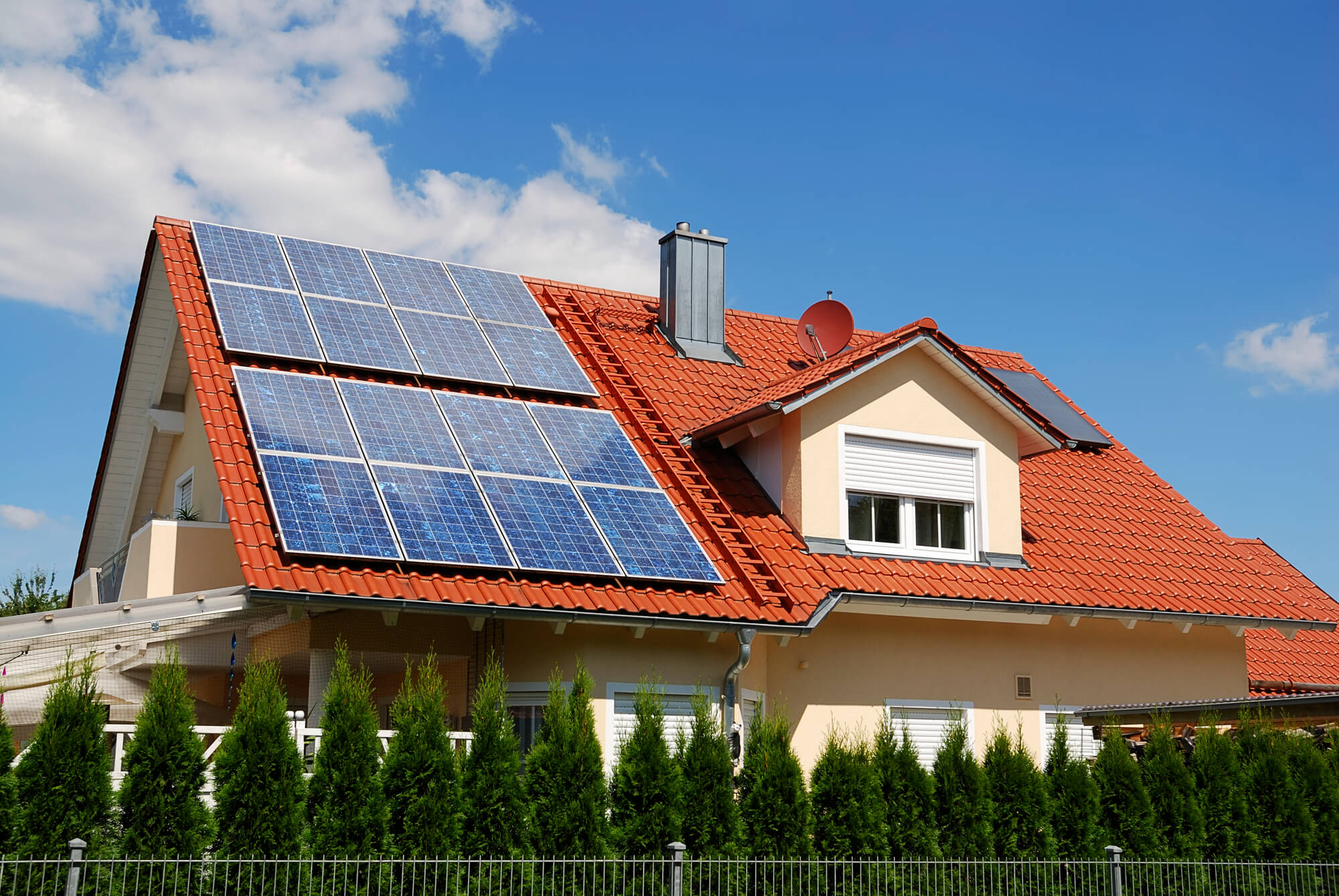
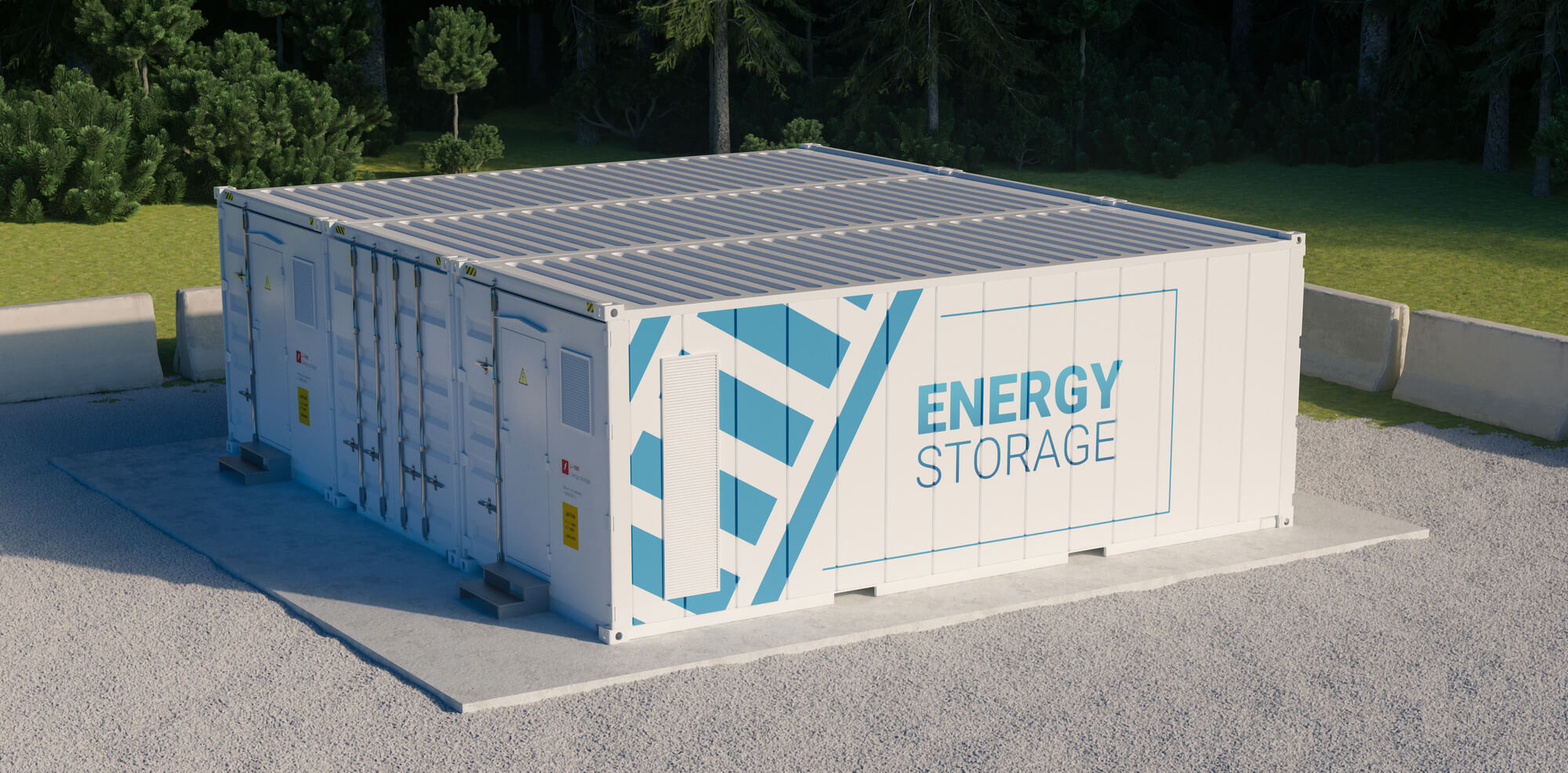
Solar panels generate electricity only when the sun is shining — but electricity demand is continuous. The gap between solar production and electricity consumption is the fundamental challenge that energy storage solves. How long solar energy can be stored depends on the storage technology used: home battery systems store energy for hours to days, grid-scale storage covers similar timeframes, and indirect storage mechanisms like net metering effectively store energy for months. Understanding the actual storage capabilities available to residential and commercial solar owners is essential for designing a system that meets your energy independence goals.

The Storage Challenge: Why Duration Matters

Solar panels produce most of their electricity during midday hours, with peak output around solar noon. Residential electricity consumption peaks in the morning and evening. This mismatch — sometimes called the “duck curve” — means that without storage, a solar home exports large amounts of electricity during the day and imports from the grid in the evening.

Storage duration matters because:

A battery sized for daily cycling stores surplus midday solar for use in the evening — covering a 6–12 hour gap. This is the most common residential use case.

A battery sized for multi-day backup stores enough energy to power the home through 2–5 cloudy days or a grid outage — requiring significantly more capacity.

Seasonal storage — storing summer surplus for use in winter — is economically impractical with current battery technology at the residential scale, because the required capacity would be enormous and batteries lose charge over time. Net metering effectively provides seasonal storage via the utility grid.

How Long Can Home Batteries Store Solar Energy?

Home battery systems (Tesla Powerwall 3, Enphase IQ Battery, LG Chem RESU, Franklin Electric apower) store solar energy in lithium-iron-phosphate (LFP) or lithium nickel-manganese-cobalt (NMC) chemistry batteries and can hold that charge for days to weeks with minimal loss.

Battery SystemUsable CapacityContinuous Power OutputEstimated Daily Use Duration
Tesla Powerwall 313.5 kWh11.5 kW8–16 hours (essential loads)
Enphase IQ Battery 10T10.08 kWh3.84 kW6–12 hours (essential loads)
Franklin apower 1010 kWh5 kW6–12 hours (essential loads)
Two Powerwall 3 units27 kWh11.5 kW (per unit)16–32 hours (essential loads)

Self-discharge: Modern lithium battery systems lose very little charge when idle — typically 1–3% per month. A fully charged Powerwall 3 that is not cycling will retain approximately 97–99% of its charge after one month. This makes battery storage practical for backup applications where the battery may sit fully charged for extended periods between grid outages.

Cycle life vs. calendar life: Batteries degrade through two mechanisms — cycling (each charge/discharge cycle consumes a small portion of the battery’s usable life) and calendar aging (slow chemical degradation regardless of use). Modern LFP batteries (used in Powerwall 3 and Enphase IQ) are rated for 4,000+ cycles with less than 20% capacity loss, and carry 10-year warranties. NMC chemistry batteries degrade somewhat faster at high temperatures. For practical purposes, a well-maintained home battery system stores solar energy effectively for 10–15 years before meaningful capacity loss occurs.

How Long Does Solar Energy Stay in a Battery?

The question of how long solar energy “stays in” a battery has two parts: physical charge retention, and practical discharge duration.

Charge retention: As noted above, modern lithium batteries retain 97–99% of their charge per month with minimal self-discharge. Stored solar energy from this morning’s production will still be available tonight, tomorrow, or next week with negligible loss.

Practical discharge duration: How long the stored energy lasts depends on how quickly you draw from the battery. Running an entire home at average US household consumption (1.25 kW average draw) from a 13.5 kWh Powerwall 3 yields approximately 10–11 hours of whole-home backup. Running only essential loads (refrigerator, lights, phones, internet: ~400W average) extends that to 30–35 hours. Many homeowners configure their battery for essential loads backup and continue using grid power for high-draw appliances (electric vehicle charging, electric oven, electric dryer), extending backup duration indefinitely as long as the solar array continues to recharge the battery during daylight hours.

Net Metering as Long-Term Solar Storage

For grid-connected homes, net metering effectively stores solar energy in the utility grid over longer timeframes than any residential battery can practically provide. Under traditional net metering (NEM 1.0 and NEM 2.0), excess solar production earns a full retail-rate credit on the utility bill. A home that produces more in summer than it consumes can accumulate credits that offset winter electricity consumption — functioning as seasonal storage mediated by the utility.

This “virtual storage” mechanism means that a grid-tied solar home without batteries can achieve net zero energy performance over a full year even if its daily and monthly production/consumption balance is uneven. The grid acts as a 100% efficient, unlimited-capacity storage system (from the homeowner’s perspective), with the utility serving as the intermediary.

California’s NEM 3.0 (effective April 2023 for new solar customers) reduced the value of net metering credits for excess daytime solar production to the wholesale “avoided cost” rate — roughly $0.03–$0.08/kWh — compared to the retail rate of $0.25–$0.35/kWh under NEM 2.0. This change significantly reduces the value of net metering as virtual storage in California and makes pairing solar with battery storage more financially attractive in that market.

Lead-Acid Battery Storage Duration

Off-grid solar systems — and some older grid-tied installations — use flooded lead-acid or sealed AGM/gel lead-acid batteries. These store solar energy reliably but with important differences from lithium-ion systems:

Capacity: Lead-acid batteries should only be discharged to 50% depth of discharge (DoD) to preserve battery life. A 200 Ah, 48V lead-acid bank (9.6 kWh nominal) delivers approximately 4.8 kWh of usable energy — roughly equivalent to a 5 kWh lithium system.

Self-discharge: Lead-acid batteries self-discharge at 3–5% per month (flooded) to 1–3% per month (sealed AGM). Higher than lithium, but still quite manageable for typical solar cycling applications.

Lifespan: Lead-acid batteries last 3–7 years in daily cycling applications — significantly shorter than lithium-ion. Off-grid systems requiring long-term, reliable storage increasingly use LFP lithium batteries for this reason despite the higher upfront cost.

Grid-Scale and Long-Duration Storage

At the utility and grid scale, storage technologies capable of longer durations are being deployed:

Pumped hydro storage accounts for approximately 95% of US grid-scale storage capacity. Water is pumped to an upper reservoir using surplus electricity and released through turbines when needed. Storage duration is effectively unlimited — water stays in the reservoir. Pumped hydro provides storage for days to weeks of grid balancing capacity.

Flow batteries (vanadium redox, iron-air) separate energy storage (electrolyte volume) from power output (cell stack size), making them well-suited for long-duration storage. Commercial flow battery systems are available at durations of 4–10+ hours and are increasingly deployed at utility and commercial scales.

Compressed air, gravity storage, and hydrogen represent long-duration storage technologies in various stages of commercialization. Hydrogen produced from solar electrolysis can theoretically store solar energy for months or years — but the round-trip efficiency (solar → electrolysis → fuel cell → electricity) of approximately 25–35% makes this impractical for most applications compared to battery storage.

Frequently Asked Questions

Can a solar battery power a house for a week?

A single home battery (13.5 kWh) running essential loads only (approximately 400W average) lasts approximately 30–35 hours. Powering essential loads for a full week requires roughly 67 kWh of usable storage — equivalent to five Powerwall 3 units. In practice, most multi-day outage situations involve the solar array continuing to recharge batteries during daylight, which significantly extends backup duration without requiring a very large battery bank. A well-designed solar + storage system for multi-day backup typically includes 3–5 batteries paired with a 10+ kW solar array.

Does temperature affect how long solar energy stays stored in a battery?

Yes. Cold temperatures reduce battery capacity and increase self-discharge rates in lead-acid batteries. Lithium-ion batteries (LFP and NMC) are much less affected by cold temperatures — usable capacity decreases by approximately 10–20% at freezing temperatures for LFP chemistry. Most residential battery systems (Powerwall, Enphase) include thermal management systems that maintain optimal operating temperatures. Avoid installing batteries in uninsulated garages or outdoor enclosures in climates with extreme cold or heat, as temperature extremes reduce both capacity and battery lifespan.

How does net metering compare to battery storage for storing solar energy?

Net metering is more cost-effective than battery storage for long-term (seasonal) storage, but batteries provide value that net metering cannot: backup power during grid outages, and optimization for time-of-use rate structures where exporting energy during peak-price periods and using stored energy during off-peak periods maximizes financial returns. The right answer for most grid-tied solar homeowners is a modest battery (1–2 units) for outage resilience combined with net metering for annual energy balancing.

Summing Up

Solar energy can be stored in home batteries for hours to days with minimal loss — modern lithium battery systems retain charge effectively for weeks with less than 3% monthly self-discharge. A single 13.5 kWh battery system covers 8–35 hours of home electricity needs depending on load profile. Net metering extends effective solar storage to months or a full year by using the utility grid as a virtual storage mechanism. For multi-day backup and complete energy independence, multiple battery units paired with a properly sized solar array provide reliable solar storage for homes and businesses across the US. The 30% federal ITC applies to both solar arrays and standalone battery storage systems through 2032.

Contact Solar Panels Network USA at (855) 427-0058 to discuss battery storage sizing for your solar system. Our specialists help homeowners select the right battery capacity for their backup power goals and utility rate structure.

Updated