Flexible solar panels typically last 10 to 15 years in real-world use, significantly shorter than rigid monocrystalline panels that routinely reach 25 to 30 years. The trade-off is intentional. You choose flexible panels when conforming to a curved surface matters more than longevity. Understanding why they degrade faster helps you decide whether they’re the right tool for your application.

This guide covers why flexible panels have a shorter lifespan, what affects how long yours will last, and when it makes sense to use them despite the shorter life expectancy.

Why Flexible Panels Degrade Faster Than Rigid Panels

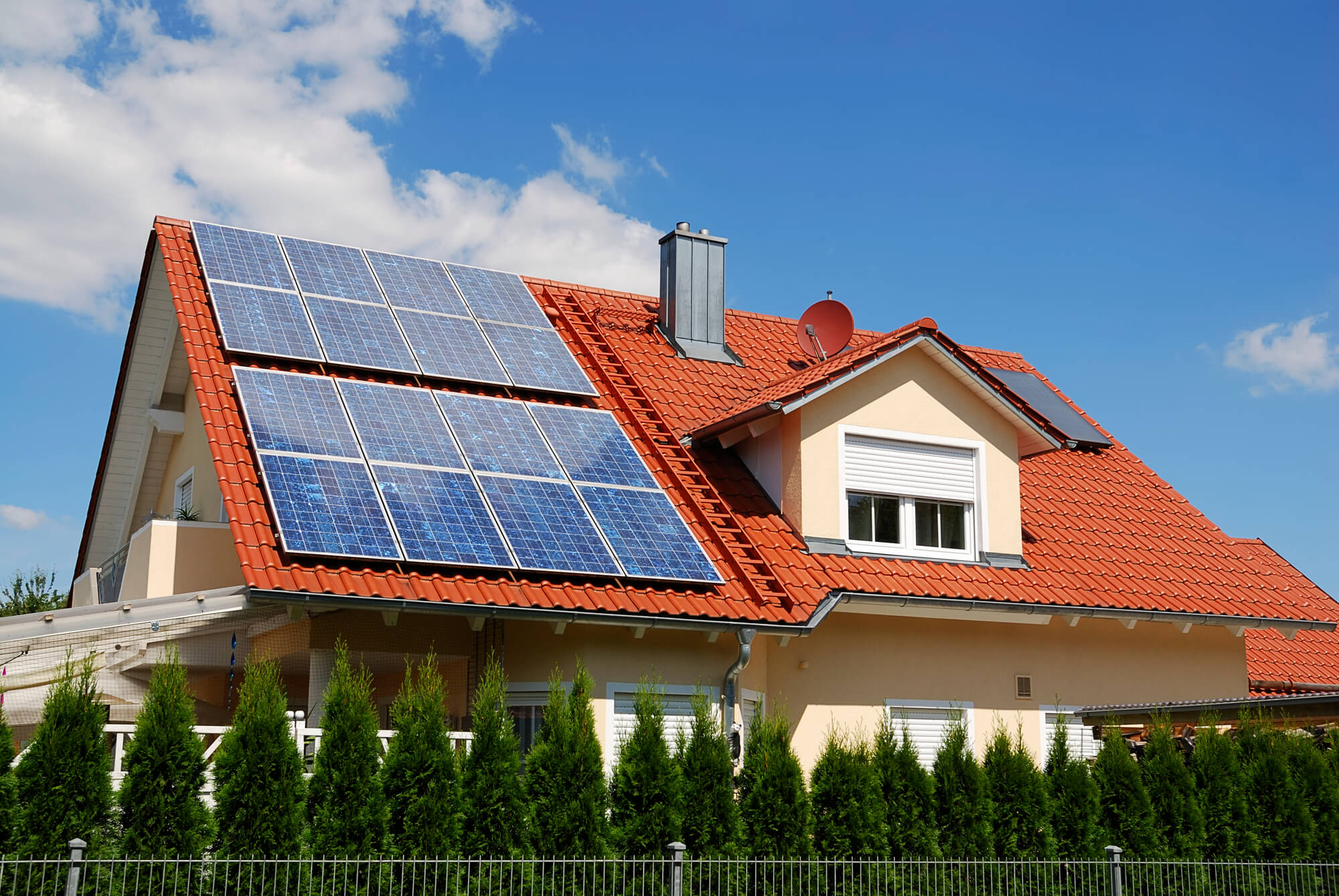
Rigid solar panels are built around a tempered glass front sheet and an aluminum frame. The glass is extremely resistant to UV radiation, moisture, and mechanical stress. The aluminum frame keeps everything rigid and prevents flexing that would stress the cells. This construction is why rigid panels hold up for 25 to 30 years with minimal degradation.

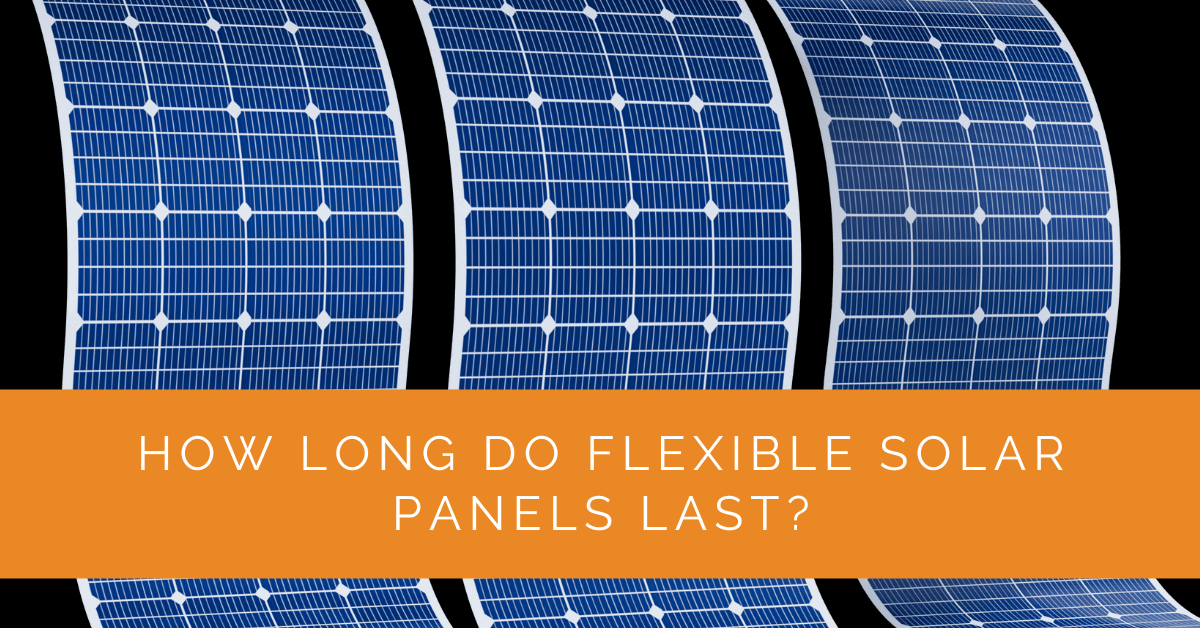
Flexible panels use a different approach. Instead of glass, they use a thin plastic film (usually ETFE or PET) as the front layer. Instead of rigid aluminum frames, the cells are embedded in flexible polymer substrates. This lets the panel bend and conform to curved surfaces, but it creates several durability vulnerabilities.

Plastic front sheets are more permeable to moisture than glass. Over time, moisture infiltrates the cell layer and degrades the electrical connections between cells. Plastic also yellows under UV exposure, reducing light transmission to the cells beneath. Flexible substrates that cycle repeatedly through tension and relaxation (as on an RV roof in wind, or a boat in swells) eventually develop micro-cracks in cells and connections. These effects accumulate and accelerate output loss.

How Fast Do They Degrade?

High-quality rigid panels degrade at roughly 0.3% to 0.5% per year. A 25-year-old panel from a quality manufacturer still produces about 88% to 92% of its original output. Most quality rigid panels carry a 25-year performance warranty guaranteeing at least 80% output at year 25.

Flexible panels degrade noticeably faster. A well-made flexible panel from an established brand might degrade at 1% to 2% per year. A lower-quality flexible panel with a thinner substrate and cheaper cell adhesives can degrade at 3% to 5% per year, losing half or more of its rated output within 10 years.

Most flexible panel manufacturers offer 5-year to 10-year performance warranties, which reflects this reality. Some higher-end flexible panels (SunPower’s flexible line, Maxeon-based products) offer longer warranties and better degradation rates, but at a significantly higher price point.

Factors That Affect Flexible Panel Lifespan

Installation Method

Flexible panels installed flat against a solid surface with no airflow beneath them run hotter than raised rigid panels. Heat accelerates degradation in all solar cells. If you’re adhering flexible panels directly to an RV roof or boat deck, the panel temperature during operation may regularly exceed 80 to 90 degrees Celsius, well above the typical 25-degree standard test condition. Some manufacturers recommend leaving a small gap or using standoffs to allow some airflow.

Climate and UV Exposure

High-UV environments (desert Southwest, high altitude) degrade plastic laminate front sheets faster. ETFE (ethylene tetrafluoroethylene) front sheets hold up significantly better than PET (polyethylene terephthalate) under UV. ETFE is more expensive but substantially more durable. If you’re evaluating flexible panels, check whether the front sheet is ETFE or PET. ETFE panels are worth the premium for any long-term outdoor installation.

Mechanical Stress

Applications that involve repeated flexing (a sail, a flexible awning that gets furled and unfurled, any mounting where the panel moves) stress the cells and connections much faster than a panel mounted flat and left in place. Flexible panels can flex, but they’re not designed for constant repeated flexing cycles. Marine applications on boats that pitch and roll are tougher on flexible panels than a fixed RV roof installation.

Panel Quality

Quality varies substantially in the flexible panel market. Higher-end panels from Renogy, SunPower, and Maxeon use better cell technology and more durable encapsulants. Budget flexible panels from no-name brands on Amazon may use thinner substrates, lower-grade adhesives, and weaker junction box construction. For any installation you expect to last more than 5 years, pay for a panel from an established brand with documented warranty support.

When Flexible Panels Are the Right Choice

Despite their shorter lifespan, flexible panels are genuinely the best solution in several applications. An RV roof with a slight curve can’t accommodate flat rigid panels without custom racking that adds height and wind resistance. A curved boat deck or a van roof with a crown needs flexible panels to achieve a low-profile installation.

Flexible panels also suit temporary installations, camping use, and applications where replacement every 10 years is acceptable. If you’re outfitting an RV you plan to own for 8 to 10 years before upgrading, a flexible panel that lasts that long serves the purpose without the structural weight and mounting complexity of rigid panels.

For any installation on a flat surface where rigid panels would fit, rigid panels are almost always the better long-term investment. The cost per year of operation over 25 years is lower for rigid panels even though their upfront cost per watt may be higher.

Extending the Life of Flexible Panels

Clean the panel surface regularly to remove dirt, bird droppings, and debris that create hot spots and reduce efficiency. Inspect the edges and junction box periodically for signs of delamination or moisture intrusion. If you see the plastic surface beginning to bubble, cloud, or discolor, that’s a sign of moisture infiltration or UV degradation starting. Catching these early and addressing them (resealing edges with compatible sealant) can slow further progression.

Keeping the panel as cool as possible during operation extends cell life. Where mounting allows, a gap beneath the panel improves thermal performance. Shading the panel when it’s not being used (when camped in shade, for example) reduces UV and heat accumulation over time.

Frequently Asked Questions

How long do flexible solar panels last?

Typically 10 to 15 years in real-world use, compared to 25 to 30 years for quality rigid panels. The shorter lifespan results from plastic front sheets that degrade under UV exposure, higher operating temperatures when installed flush against surfaces, and the inherent vulnerability of flexible substrates to moisture infiltration. High-quality flexible panels from established brands with ETFE front sheets last longer than budget options with PET fronts.

Why do flexible solar panels degrade faster?

Three main reasons: their plastic front sheets are more UV-sensitive and moisture-permeable than glass, they run hotter when mounted flat without air gaps beneath them, and their flexible substrates can develop micro-cracks in cells and connections over time, especially if subjected to repeated flexing or vibration. Rigid panels’ tempered glass and aluminum frames avoid all of these failure modes.

What is the warranty on flexible solar panels?

Most flexible panels carry 5-year to 10-year performance warranties, compared to 25-year warranties on quality rigid panels. Some higher-end flexible panels (SunPower, Maxeon-based products) offer longer warranties. Always check the specific warranty terms and the manufacturer’s reputation for honoring claims before purchasing.

Are flexible or rigid solar panels better?

Rigid panels are better for most applications where they physically fit: better efficiency, lower degradation rate, longer lifespan, and lower cost per year of operation. Flexible panels are better when you need to conform to a curved surface (RV roofs, boat decks, van builds) or need an ultra-low-profile installation where mounting rigid panels isn’t practical. The right choice depends on your specific installation requirements.

Can flexible solar panels be repaired?

Minor edge delamination and junction box issues can sometimes be addressed with UV-resistant sealants or replacement junction boxes. Cell degradation and moisture infiltration within the laminate cannot be repaired, and a panel with internal moisture damage is effectively finished. Replacement is the only option for significantly degraded flexible panels.

What are the best flexible solar panel brands?

Renogy is the most widely reviewed and supported consumer flexible panel brand with solid warranty service. SunPower makes high-efficiency flexible panels at a premium price. For marine applications, companies like Solbian and PowerFilm make high-quality flexible panels specifically designed for saltwater environments. Avoid no-name flexible panels from unverified sellers on Amazon, as quality control is inconsistent and warranty support often nonexistent.

Summing Up

Flexible solar panels last 10 to 15 years in typical use, significantly less than rigid panels that routinely reach 25 to 30 years. The shorter life stems from plastic laminate construction that degrades under UV exposure and is more vulnerable to moisture intrusion than glass-fronted rigid panels. Choose flexible panels when you genuinely need to conform to a curved surface or need an ultra-low-profile installation. For flat-surface applications where rigid panels would fit, rigid panels deliver better long-term value. If you do choose flexible panels, prioritize ETFE front sheets over PET, and buy from brands with established warranty support.

For home rooftop solar where rigid panels are installed by professionals, call (855) 427-0058 or get a free quote. Home installations use rigid commercial-grade panels with 25-year performance warranties.

Updated