
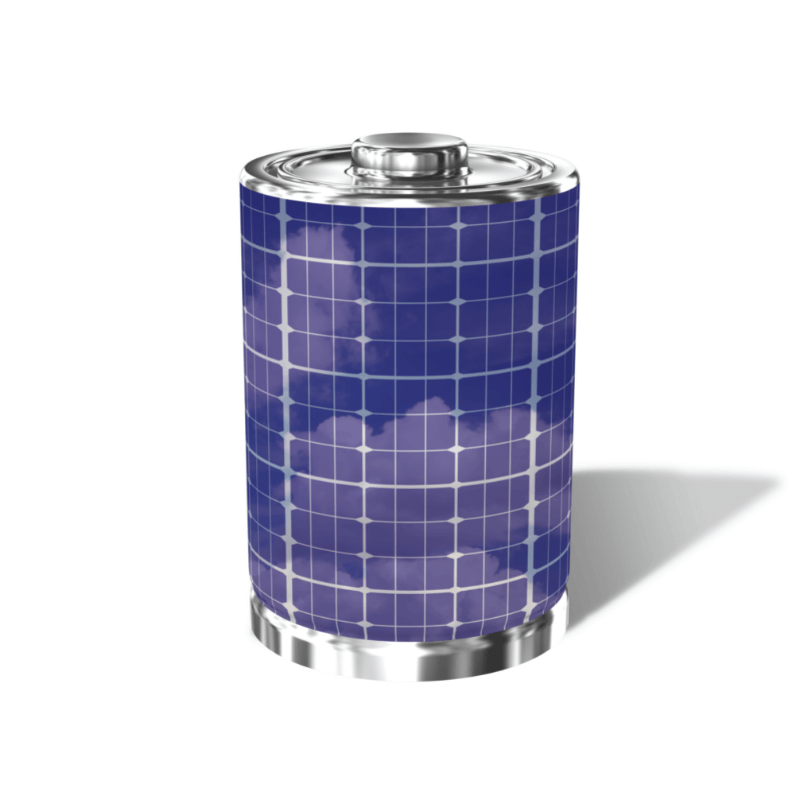
Solar batteries don’t fail suddenly — they gradually lose capacity over years of charge and discharge cycles. Most modern LFP (lithium iron phosphate) home batteries last 10-15 years or 3,000-6,000+ cycles before capacity drops enough to warrant replacement.
Lifespan by Battery Chemistry
The chemistry inside a battery is the single biggest factor in how long it lasts. LFP has become the dominant chemistry for home storage specifically because of its long cycle life and stability compared to older NMC (nickel manganese cobalt) chemistry.
| Chemistry | Typical Cycle Life | Typical Warranty | Common Products |
|---|---|---|---|
| LFP (LiFePO4) | 3,000-6,000+ cycles | 10 years / 70-80% retention | Tesla Powerwall 3, Franklin aGate, Enphase IQ |
| NMC | 1,000-2,000 cycles | 10 years / 60-70% retention | Older Powerwall, some EV-derived systems |
| Lead-acid (off-grid) | 300-1,000 cycles | 3-7 years typical life | Budget off-grid systems |
Depth of Discharge (DoD) Matters
How deeply you discharge a battery each cycle significantly affects its lifespan. Shallower discharges (using less of the battery’s capacity before recharging) put less stress on the cells and extend total lifespan, which is why LFP batteries — rated for 95-100% usable DoD — still recommend avoiding unnecessary deep, frequent full discharges when possible, though modern BMS software handles this automatically in most systems.
What “Warranty” Actually Guarantees
Most manufacturers warranty a battery for a specific number of years AND a minimum capacity retention percentage (commonly 70% after 10 years), whichever comes first. This means the battery isn’t expected to “die” at the warranty’s end — it’s expected to still hold roughly 70% of its original capacity, and will typically continue functioning (at reduced capacity) well beyond that point.
Factors That Shorten Battery Life
Several conditions accelerate degradation beyond the expected curve: consistently high temperatures (batteries installed in hot garages or direct sun degrade faster than climate-controlled installations), frequent full 0-100% cycling rather than partial cycles, poor ventilation or installation in extreme heat/cold, and using the battery well beyond its rated cycle count without monitoring.
How to Extend Your Battery’s Lifespan
Install the battery in a moderate-temperature location when possible, let the battery management system handle charge/discharge optimization rather than manually overriding it, and monitor performance through the manufacturer’s app to catch any unusual degradation early.
Ready to add battery storage to your home? Get a free quote: (855) 427-0058
Frequently Asked Questions
How long do solar batteries typically last?
Most modern LFP home batteries last 10-15 years or 3,000-6,000+ charge cycles before capacity degrades enough to warrant replacement.
What’s the difference in lifespan between LFP and NMC batteries?
LFP batteries typically last 3,000-6,000+ cycles compared to 1,000-2,000 cycles for older NMC chemistry, making LFP the current standard for home solar storage.
What does a battery warranty actually guarantee?
Most warranties guarantee a set number of years and a minimum capacity retention (commonly 70% after 10 years) – the battery isn’t expected to fail at that point, just to have degraded to that capacity level.
Does depth of discharge affect how long a solar battery lasts?
Yes – shallower, more frequent partial discharges generally put less stress on battery cells than repeated deep full discharges, though modern battery management systems optimize this automatically.
Does temperature affect solar battery lifespan?
Yes – consistently high temperatures accelerate battery degradation, so installations in moderate, climate-controlled locations tend to last longer than those in hot garages or direct sun.
How many charge cycles does a home solar battery get per year?
Most home batteries cycle roughly once per day for daily solar self-consumption, or up to 365 cycles per year, though usage patterns vary based on system size and household consumption.
When should I replace my solar battery?
Most homeowners consider replacement once capacity drops below a useful threshold for their needs (often around 70-80% of original capacity) or when the manufacturer’s warranty period ends and performance has noticeably declined.
Summing Up
With modern LFP chemistry, home solar batteries are built to last a decade or more, and understanding depth of discharge and temperature effects can help you get the most out of your system’s lifespan. To learn more about adding battery storage to your home, call (855) 427-0058 or visit us.solarpanelsnetwork.com.
Updated