
A standard residential solar panel weighs 40–50 pounds (18–23 kg). The exact weight depends on panel wattage, size, and construction — larger, higher-wattage panels weigh more, while thin-film and flexible panels are significantly lighter. For roof-mounted installations, structural engineers and installers calculate the combined dead load of panels plus racking hardware to confirm the roof can handle the added weight.
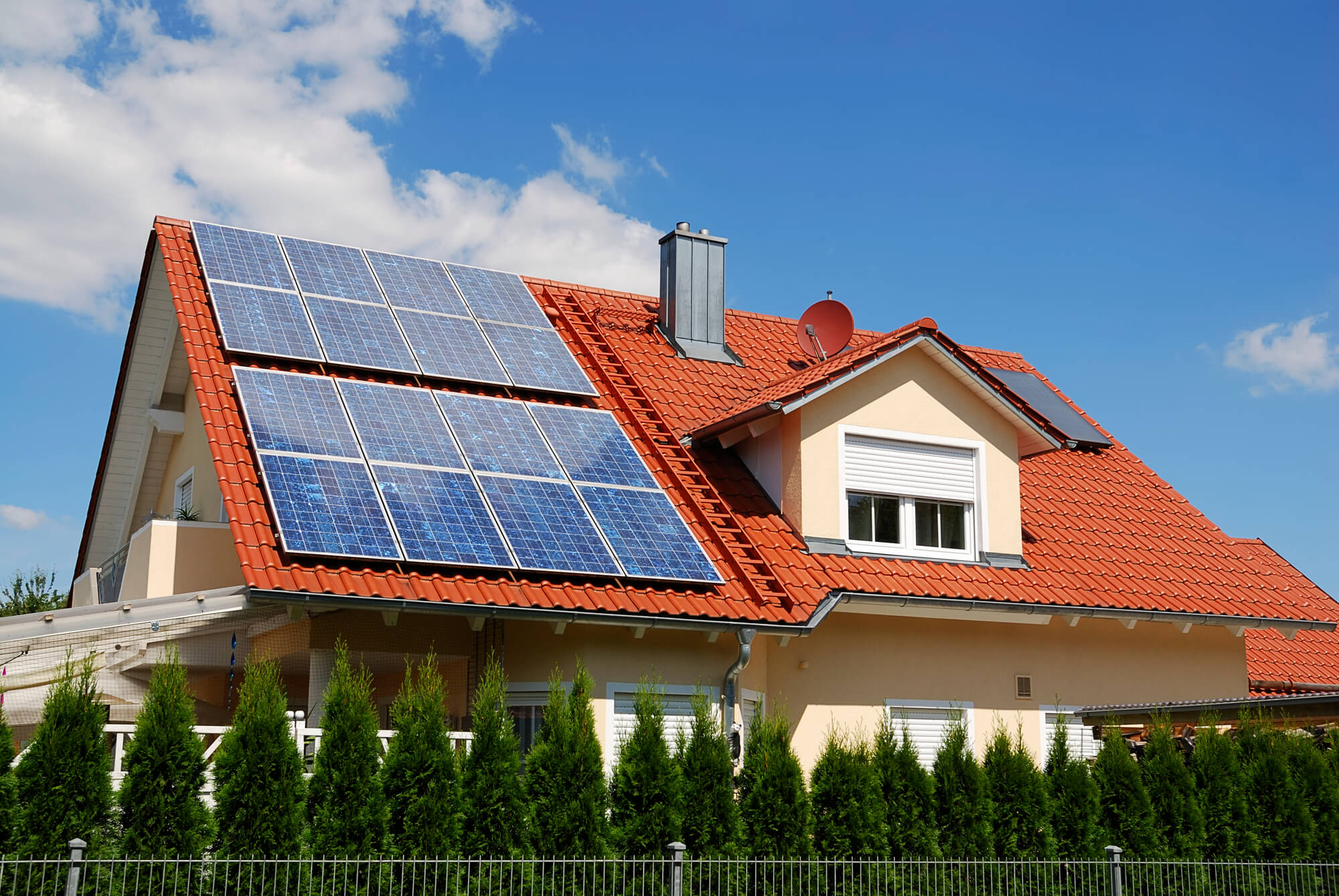
Typical Solar Panel Weight by Type
Solar panel weight varies primarily by size (which correlates with cell count and wattage) and construction:
| Panel Type | Typical Wattage | Dimensions | Weight |
|---|---|---|---|
| Standard residential mono (60-cell) | 250–300W | 65″ × 39″ | 38–42 lbs |
| Large-format residential mono (66-cell) | 350–400W | 70″ × 40″ | 42–50 lbs |
| XL commercial/utility (72-cell) | 400–450W | 79″ × 40″ | 50–60 lbs |
| High-density 96-cell (commercial) | 480–580W | 87″ × 44″ | 55–70 lbs |
| Flexible/thin-film (ETFE) | 50–200W | Varies | 4–8 lbs |
| Glass-glass bifacial | 400–600W | 80″ × 42″ | 55–75 lbs |
The standard 400W residential monocrystalline panel installed in the US in 2026 weighs approximately 44–48 pounds (20–22 kg). This is the panel weight to use for most roof load calculations.
What Contributes to Panel Weight
A solar panel’s weight comes from its constituent materials, each with different densities:
Tempered glass front sheet: The heaviest single component — typically 3.2mm tempered low-iron glass. Glass density is approximately 2.5 g/cm³. For a standard 400W panel (approximately 1.8m²), the glass alone weighs approximately 14–16 kg (31–35 lbs).
Aluminum frame: The frame that surrounds the panel provides structural rigidity. Aluminum is lighter than steel — approximately 2.7 g/cm³. A standard anodized aluminum frame adds approximately 2–4 kg (4–9 lbs).
EVA encapsulant layers: Two layers of ethylene vinyl acetate film sandwich the solar cells. Relatively light — adds approximately 1–2 kg total.
Solar cells: Monocrystalline silicon wafers approximately 180–200 microns thick. High density (2.33 g/cm³) but thin and small in total volume. 60–72 cells add approximately 1–2 kg.
Backsheet: A polymer layer (PVDF, PET, or in glass-glass panels, a second glass layer) protecting the back of the panel. Standard backsheet adds less than 1 kg; a glass back (glass-glass construction) adds another 14–16 kg, which is why bifacial glass-glass panels are significantly heavier.
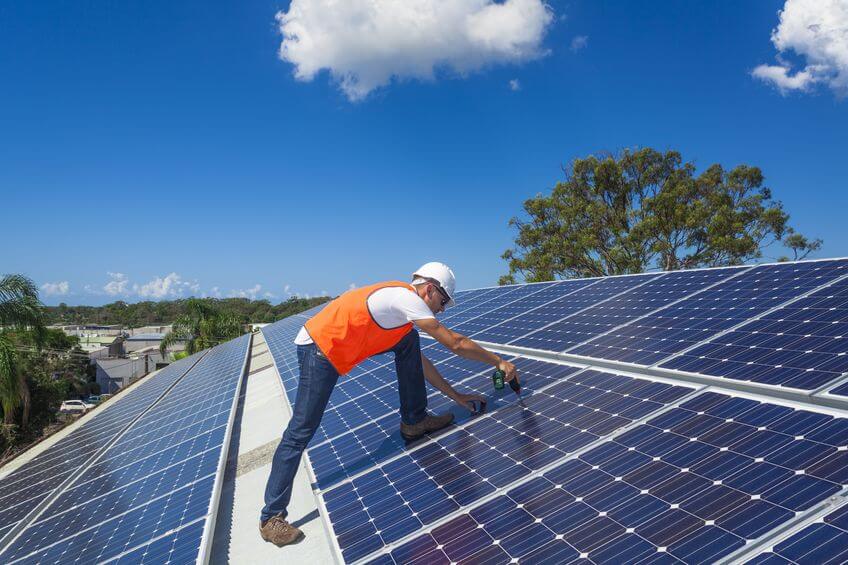
Roof Load Calculation for Solar Panels
For a standard residential installation, the total dead load added by solar panels plus racking is approximately:
Panel weight per square foot: A 400W panel covering approximately 19.4 sq ft and weighing 46 lbs adds approximately 2.4 lbs/sq ft from panels alone.
Racking and hardware: Aluminum rails, clamps, and standoffs typically add 2–4 lbs/sq ft for rail-based systems.
Combined dead load: Approximately 4–6 lbs/sq ft for a typical roof-mounted solar installation. Most residential roofs are structurally designed for dead loads of 10–20 lbs/sq ft (framing, sheathing, roofing materials), with live load capacity of 20–40 lbs/sq ft (maintenance workers, snow). Solar panels add modest load well within the capacity of most residential roofs built to modern code.
Snow load on panels: In regions with significant snow, the snow load on panels must also be considered. Fresh snow weighs approximately 5–20 lbs/sq ft at various depths. Solar panels are rated for mechanical loads of 2,400–5,400 Pa (50–113 lbs/sq ft), far exceeding realistic snow load scenarios. The structural concern is cumulative load at standoff attachment points, not the panel itself.
A professional installer assesses roof structural capacity as part of the site survey. In most cases, standard residential roof framing (2×6 or 2×8 rafters at 24″ OC) supports the panel and racking load without modification. Older homes with undersized framing or existing structural issues may require roof reinforcement before solar installation.
Weight of a Complete Residential Solar System
For a typical 20-panel, 8 kW residential system using 400W panels:
Panel weight: 20 × 46 lbs = 920 lbs
Racking hardware: 20 panels × ~19.4 sq ft × 3 lbs/sq ft = ~1,164 lbs (for racking coverage)
More practically: racking hardware for a standard installation adds 150–300 lbs total
Total system weight: approximately 1,050–1,200 lbs (475–545 kg) spread over approximately 388 sq ft of roof area.
Distributed over 388 sq ft, this is approximately 2.7–3.1 lbs/sq ft — well within normal residential roof structural margins.
Portable Solar Panel Weights
For portable applications (camping, RV, boats), weight is a primary purchase criterion:
Foldable suitcase panels (100W): Standard glass-face: 18–24 lbs. ETFE thin-film: 8–12 lbs. The glass-face versions have better durability; ETFE is better for backpacking applications where weight is critical.
Flexible rollable panels (100W, ETFE): 3–6 lbs. Suitable for ultralight applications where rigid glass panels are impractical.
Rigid portable panels (100–200W): 14–30 lbs depending on size. Standard tempered glass with aluminum frame. Most common for van life, RV roof installation, and semi-permanent off-grid setups.
Frequently Asked Questions
How much does a 400W solar panel weigh?
A standard 400W monocrystalline solar panel weighs approximately 44–50 pounds (20–23 kg). The exact weight varies by manufacturer — popular 400W panels include the Canadian Solar CS3N-400 (46.3 lbs), Q CELLS Q.PEAK DUO (44 lbs), and Jinko Tiger Neo 400W (48.5 lbs). Check the product datasheet for the precise weight of the specific panel you are considering.
Can my roof handle the weight of solar panels?
Almost certainly yes, if your home was built to modern building codes. Solar panels add approximately 2.5–4 lbs/sq ft to the roof dead load. Most residential roofs are engineered for 10–20 lbs/sq ft dead load capacity and 20–40 lbs/sq ft live load capacity — solar panels represent a modest addition within normal margins. Your installer will perform a structural assessment during the site survey. Homes with older, deteriorated framing or existing structural concerns may need evaluation by a licensed structural engineer before installation.
How much do 20 solar panels weigh together?
A 20-panel residential system using standard 400W panels weighs approximately 880–1,000 pounds (400–450 kg) for panels alone. Adding racking and mounting hardware brings the total system weight to approximately 1,000–1,200 pounds (450–545 kg), distributed over the panel footprint area. The weight per square foot is the relevant metric for structural assessment — approximately 2.5–4 lbs/sq ft.
Do heavier solar panels produce more power?
Not directly — panel weight correlates with physical size, and larger panels do produce more power, but efficiency (watts per square foot) is the better measure of power-to-size ratio. Glass-glass bifacial panels are significantly heavier than single-glass panels but their weight premium comes from the second glass layer, not from increased power output per se. The power-to-weight ratio of modern ETFE flexible panels is actually better than glass panels in watts-per-pound terms.
What is the lightest type of solar panel?
Flexible thin-film panels with ETFE facesheets are the lightest available solar panels — typically 3–8 lbs for a 100W panel. Amorphous silicon and CIGS thin-film technologies on flexible substrates achieve very low weight per watt. However, they sacrifice efficiency (8–14% vs 20–24% for monocrystalline) and durability (no rigid glass for hail protection). For fixed roof installations where weight is not a constraint, standard rigid monocrystalline panels offer the best value and durability.
Summing Up
The average residential solar panel weighs 40–50 pounds (18–23 kg), with most 400W panels in the 44–48 lb range. Glass-glass bifacial panels are heavier (55–75 lbs) due to the second glass layer. Flexible ETFE panels are dramatically lighter (3–8 lbs for 100W). For roof installations, the combined panel and racking load is approximately 4–6 lbs/sq ft — well within the structural capacity of most residential roofs built to code. Your installer assesses structural capacity during the site survey and flags any concerns before installation.
If you’re considering solar installation and have questions about your roof’s suitability — call (855) 427-0058 for a free consultation. Local installers conduct structural assessments as part of the proposal process at no cost.
Updated