The average American household saves $1,000 to $1,500 per year with solar panels, which compounds to $20,000 to $60,000+ in total savings over 25 years. However, this wide range depends entirely on where you live, your electricity rates, system size, and how much sun your roof receives. A California homeowner might save $3,000 per year; a Texas homeowner with similar sun but lower electricity rates might save only $1,200 per year.

Understanding how solar savings are calculated, what variables drive the biggest differences, and how to estimate your personal savings helps you decide if solar makes financial sense for your home.

The Basic Savings Formula

Annual Savings = Annual Solar Production (kWh) × Your Electricity Rate ($/kWh)

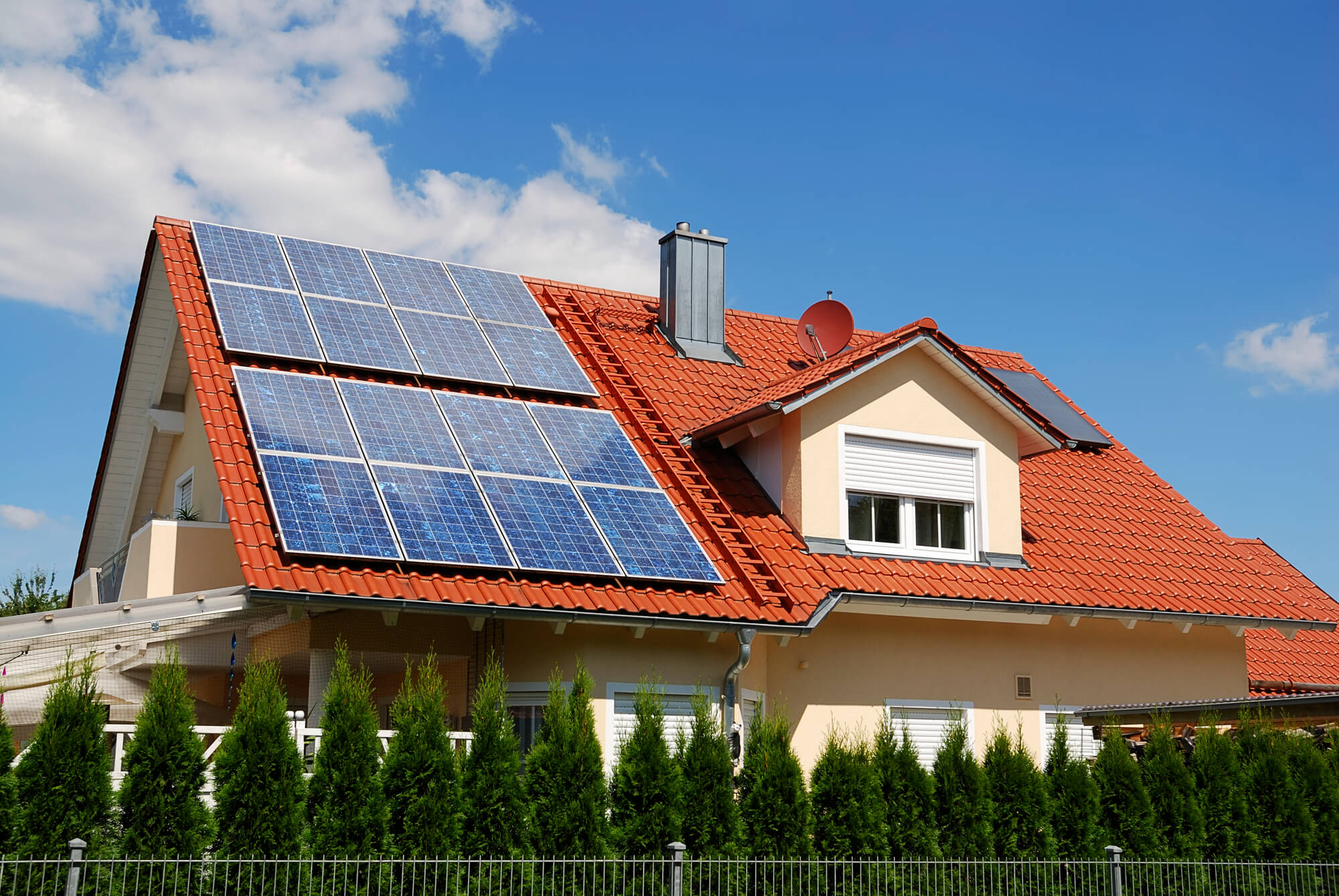
Solar panels on a red roof

Example: An 8 kW system in Arizona producing 12,000 kWh/year, with electricity rates of $0.12/kWh = $1,440/year savings. Same system in California at $0.32/kWh = $3,840/year savings. The same physical system generates vastly different savings based on electricity cost.

Key variables: system size (kW), location and sun hours, roof orientation, shading, local electricity rates, net metering policy, time-of-use rates, and panel degradation over 25 years.

State-by-State Savings Examples (8 kW System)

Solar Panels on a House Roof

California (San Francisco): $0.32/kWh × 10,000 kWh = $3,200/year → ~$75,000 over 25 years

Hawaii (Honolulu): $0.38/kWh × 12,000 kWh = $4,560/year → ~$110,000+ over 25 years (highest in US)

Massachusetts (Boston): $0.24/kWh × 8,500 kWh = $2,040/year → ~$48,000 over 25 years

New York (NYC): $0.22/kWh × 8,000 kWh = $1,760/year → ~$42,000 over 25 years

Colorado (Denver): $0.15/kWh × 10,000 kWh = $1,500/year → ~$36,000 over 25 years

Texas (Houston): $0.12/kWh × 10,500 kWh = $1,260/year → ~$30,000 over 25 years

Louisiana (New Orleans): $0.11/kWh × 9,000 kWh = $990/year → ~$24,000 over 25 years

Washington (Seattle): $0.13/kWh × 7,000 kWh = $910/year → ~$21,000 over 25 years (low sun hours)

Beyond Electricity Bill Savings: Additional Benefits

Solar Panels on Roof

Tax-free savings: Electricity bill savings are tax-free—like earning $2,500-$3,000 in gross income to save $2,000 on electricity.

Federal tax credit: The 30% ITC reduces your tax liability by 30% of system cost—$7,500 on a $25,000 system.

Net metering credits: Export excess summer production to the grid for bill credits (full or partial retail rate, depending on state).

Increased home value: Owned systems add approximately $4/watt to resale value—$32,000 for an 8 kW system.

Rate inflation protection: US electricity rates rose 39% in 2020-2025. Solar locks in your cost for 25+ years. A system saving $2,000/year at current rates saves $4,000+/year in year 25 as grid rates rise.

How to Calculate Your Personal Savings

Solar panels on the roof of a building

Step 1: Find your electricity rate on your bill ($/kWh). Step 2: Use NREL’s PVWatts calculator (pvwatts.nrel.gov) — enter address, roof orientation, system size in kW to get annual kWh estimate. Step 3: Annual savings = kWh × rate. Step 4: 25-year savings ≈ year 1 savings × 14-16 (accounting for 0.5%/year degradation and 2-3%/year rate increases). Step 5: Payback = Net cost after ITC ÷ Year 1 savings.

Why Solar Savings Increase Over Time

Even though panel output declines ~0.5%/year, electricity rates rise 2-3%/year on average. This means annual savings grow year over year. A system saving $2,000 in year 1 may save $4,000+ by year 25. This compound growth is one of solar’s most compelling long-term financial benefits.

How much can I save with solar panels per year?

Average US savings are $1,000-$1,500/year, but vary widely by location. California homeowners save $2,500-$4,000/year. Texas homeowners save $1,000-$1,500/year. Hawaii homeowners save $3,500-$5,000+/year. Your savings depend on electricity rates, system size, sun exposure, and local net metering policies.

What is the average 25-year savings from solar panels?

Average 25-year savings range from $20,000 (low-cost electricity states) to $110,000+ (Hawaii, California). For a typical mid-range system in a moderate-cost state, expect $35,000-$50,000 in total savings over 25 years. The federal 30% tax credit adds another $7,000-$10,000 in direct savings.

How long does it take to break even on solar panels?

Payback period typically ranges from 6-12 years depending on location, system size, and electricity rates. High-cost-of-electricity states like California have 6-8 year paybacks. Lower-cost states have 10-12 year paybacks. After breakeven, all remaining electricity (typically 13-19 years more) is free.

Do solar savings increase over time?

Yes. Even though panel output declines ~0.5%/year due to degradation, electricity rates rise 2-3%/year on average. This means your annual solar savings actually increase year-over-year. A system saving $2,000 in year 1 might save $4,000 by year 25, because the avoided grid electricity cost is much higher.

Are solar savings affected by electricity rate increases?

Yes, positively. US electricity rates have risen 39% over the past 6 years. Every rate increase makes your solar system more valuable, because you’re avoiding higher-cost grid electricity. Solar essentially locks in your current electricity cost and protects you from future rate hikes.

Summing Up

Solar panel savings vary dramatically by location, from $900/year in low-cost electricity states to $5,000+/year in Hawaii. The average American saves $1,000-$1,500 annually, compounding to $20,000-$60,000+ over 25 years. Beyond electricity bill savings, you also benefit from the 30% federal tax credit, increased home value, and protection against rising electricity rates.

Ready to see how much you could save with solar? Call (855) 427-0058 or get a free quote from local installers who will calculate personalized savings for your home based on your roof, location, and electricity usage.

Updated