
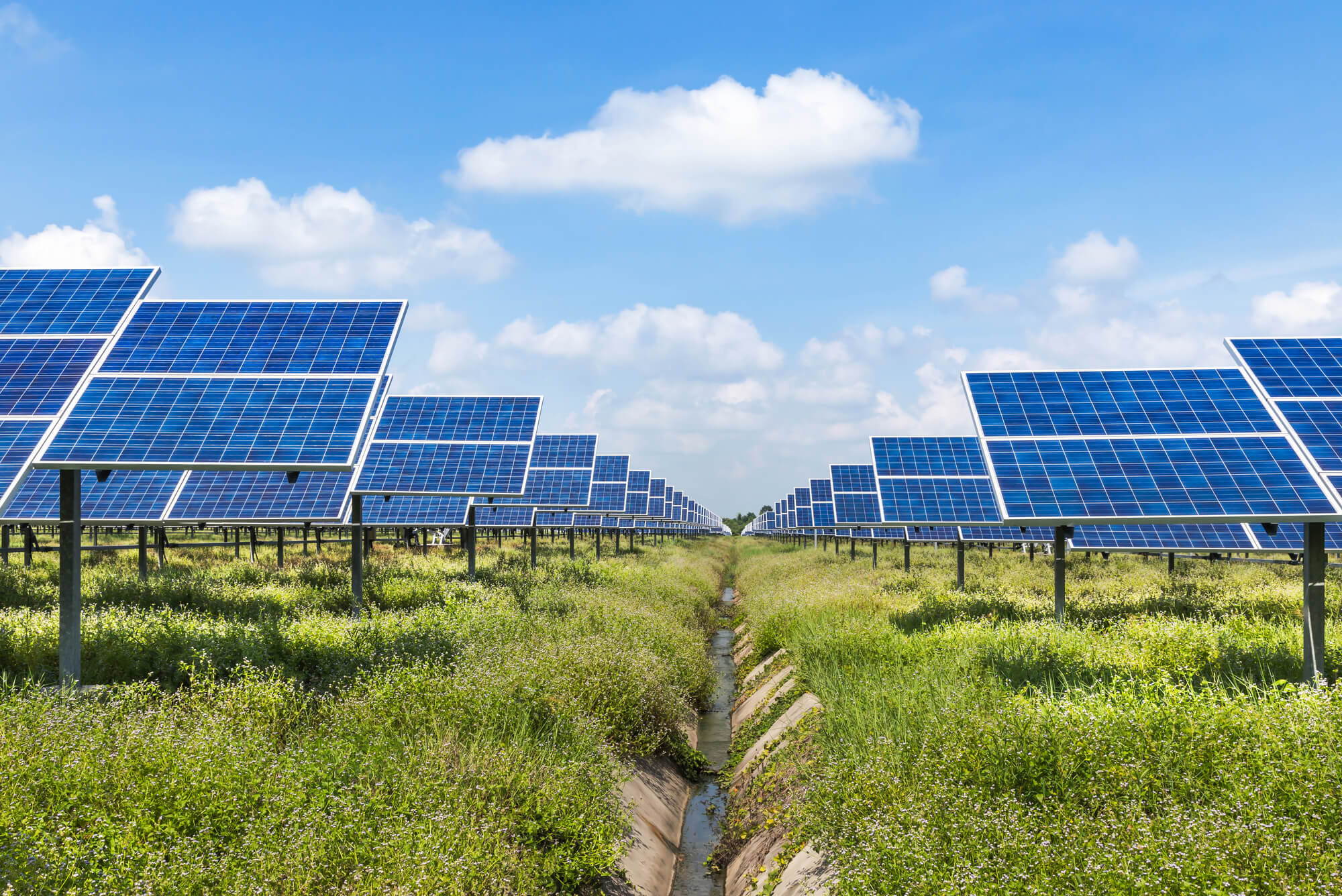
Building a solar farm presents an exciting opportunity to contribute to clean energy generation in a world increasingly focused on renewable energy. This comprehensive guide will walk you through starting a solar farm, from planning and design to construction and operation. Let’s delve into the details of each step to help you embark on your solar farm journey.
Planning and Preparation
The planning and preparation phase is crucial for laying the foundation of a successful solar farm project. It involves carefully considering various factors and conducting in-depth assessments to ensure optimal site selection and feasibility.
Site Selection
Selecting the right site is a critical first step in building a solar farm. Consider the following factors when evaluating potential locations:
- Solar Resource Availability: Assess the site’s solar irradiance and sunlight patterns. Look for areas with high solar potential and minimal shading from nearby structures or vegetation.
- Land Characteristics: Evaluate the land’s topography, soil quality, and drainage. Flat or gently sloping terrains are generally more suitable for solar installations, while areas prone to flooding or unstable soil may present challenges.
- Proximity to Electrical Infrastructure: Determine the site’s proximity to existing electrical infrastructure, such as substations or power lines. Access to reliable transmission and distribution lines simplifies grid connection and reduces costs.
- Environmental Impact Assessment: Conduct an environmental impact assessment to identify any potential ecological or environmental concerns associated with the site. Consider factors such as habitat conservation, water sources, and protected areas.
Feasibility Study
Conducting a comprehensive feasibility study is crucial before moving forward with a solar farm project. This study evaluates the project’s technical, economic, and regulatory aspects to ensure its viability. Consider the following during the feasibility study:
- Energy Generation Potential: Assess the solar resource potential of the site using historical weather data and solar modeling tools. This evaluation will provide insights into the expected energy generation capacity of the solar farm.
- Financial Analysis: Conduct financial analysis to determine the project’s economic viability. Consider factors such as capital investment, operating costs, expected revenue from energy sales, available incentives, and return on investment.
- Permitting and Regulatory Requirements: Identify the permits and regulatory approvals required for the project. This includes environmental permits, zoning permits, interconnection agreements, and compliance with local, state, and federal regulations.
- Grid Connection Assessment: Evaluate the grid connection possibilities and the capacity of the local electrical grid to accommodate the solar farm’s energy output. Assess the need for upgrades or reinforcements to the grid infrastructure.
- Community and Stakeholder Engagement: Engage with the local community and relevant stakeholders to address any concerns and build support for the project. Collaboration and open communication with community members, local authorities, and environmental organizations can help streamline the permitting process.
By conducting a thorough site selection process and feasibility study, you can ensure that your solar farm project aligns with your goals and has the potential for long-term success. These assessments provide the necessary groundwork for the subsequent design, permitting, and construction stages, enabling you to move forward in your solar farm venture confidently.
Design and Engineering a Solar Farm
The design and engineering phase of building a solar farm involves creating an efficient and optimized system layout that maximizes energy production while considering technical specifications and site constraints. This phase requires careful consideration of various factors to ensure a successful and cost-effective solar farm project.
System Sizing and Layout
Determining the optimal system size and layout is essential for maximizing energy generation and utilizing available land effectively. Consider the following aspects during the design process:
- Available Land Area: Assess the total land area available for the solar farm. Evaluate the land’s dimensions, shape, and potential limitations or restrictions that may impact the layout.
- Solar Irradiance: Analyze the solar resource data of the site to identify areas with the highest solar irradiance. Design the layout to optimize panel placement in these high-sun areas while accounting for any shading from surrounding structures or natural features.
- Electrical Infrastructure: Consider the existing electrical infrastructure and design the layout to minimize the distance between the solar panels and the interconnection point. This helps reduce transmission losses and simplifies the electrical wiring and connection process.
- Future Expansion: Consider the potential for future expansion of the solar farm. Leave room for additional solar panels or equipment if you plan to scale up the project in the future. Strategic planning for expansion can save time and costs down the line.
Component Selection
Selecting the right components for your solar farm ensures reliable operation and optimal performance. Consider the following factors when choosing solar panels, inverters, and other equipment:
- Solar Panels: Evaluate different types of solar panels, such as monocrystalline, polycrystalline, or thin-film, based on their efficiency, durability, warranty, and cost. Choose panels that best suit your project’s requirements and budget.
- Inverters: Select inverters compatible with the chosen solar panel technology and meet the system’s electrical requirements. Consider factors such as efficiency, reliability, monitoring capabilities, and warranty.
- Mounting Structures: Choose sturdy and durable mounting structures that withstand local environmental conditions, including wind, snow, and temperature variations. Ensure the structures are adjustable to optimize panel tilt angles for maximum energy production.
- Balance of System Components: Consider the selection of cables, combiner boxes, monitoring systems, and other balance of system components. Choose high-quality components compatible with solar panels and inverters to ensure seamless integration and efficient operation.
Collaborate with experienced solar engineers and suppliers to design a solar farm layout that maximizes energy generation, meets technical specifications, and complies with industry standards. By selecting the right components, you can enhance the performance and longevity of your solar farm, ensuring a successful and efficient renewable energy project.
Permitting and Regulatory Compliance
Navigating the permitting and regulatory landscape is critical to building a solar farm. The process involves obtaining the necessary permits, complying with regulations, and engaging with local authorities and stakeholders to ensure a smooth and successful project implementation.
Permitting Process
The permitting process involves obtaining the required approvals and permits at various stages of the solar farm development. Consider the following aspects during the permitting process:
- Environmental Permits: Assess the environmental impact of the solar farm and obtain the necessary permits for land use, water resources, and wildlife protection. This may include permits for wetland impact, erosion control, stormwater management, and endangered species protection.
- Zoning and Land Use Permits: Ensure compliance with local zoning regulations and obtain land use and development permits. This includes obtaining zoning variances, conditional use permits, or special permits specific to solar energy facilities.
- Construction Permits: Secure construction permits for site preparation, electrical infrastructure installation, and other construction-related activities. This ensures compliance with building codes, safety standards, and local regulations.
- Interconnection Agreements: Obtain interconnection agreements with the local utility or grid operator. These agreements outline the technical requirements, procedures, and terms for connecting the solar farm to the electrical grid.
Engaging with Local Authorities and Stakeholders
Engaging with local authorities and stakeholders is crucial to address concerns, gaining support, and navigating the permitting process. Consider the following approaches:
- Community Outreach: Engage with the local community to educate them about the benefits of solar energy and the positive impact of the solar farm project. Conduct public meetings, workshops, or informational sessions to address community members’ questions or concerns.
- Local Government Collaboration: Collaborate with local government officials, planning commissions, and regulatory bodies to ensure compliance with local regulations. Maintain open communication channels and address any specific requirements or concerns they may have.
- Environmental and Conservation Organizations: Consult with environmental and conservation organizations to understand their concerns and incorporate measures to mitigate environmental impacts. This collaboration can help build support for the project and demonstrate your commitment to responsible solar farm development.
By proactively engaging with local authorities, stakeholders, and the community, you can foster positive relationships, address concerns early on, and ensure a smoother permitting process. Seek guidance from experienced professionals and legal experts to navigate the complex regulatory landscape and ensure compliance with all applicable laws and regulations. A collaborative and proactive approach will contribute to the successful implementation of your solar farm project.
Construction and Installation
The construction and installation phase is where your solar farm takes shape. This stage involves site preparation, solar panel installation, and the establishment of the electrical system. Attention to detail and adherence to industry standards is crucial to ensure a safe and efficient solar farm installation.
Site Preparation
Before installing the solar panels, proper site preparation is necessary to create a solid foundation for your solar farm. Consider the following steps:
- Vegetation Clearing: Clear the site of any vegetation that may obstruct sunlight or interfere with the solar panel installation. This includes removing trees, shrubs, and other plants within the designated area.
- Grading and Leveling: Grade and level the ground to ensure a flat surface for solar panel mounting. This promotes optimal panel alignment and facilitates efficient installation.
- Infrastructure Improvements: Improve necessary infrastructure, such as access roads, security fencing, or drainage systems. These improvements enhance the overall functionality and security of your solar farm.
Solar Panel Installation
Installing solar panels is a critical aspect of building your solar farm. Follow these steps for a successful installation:
- Mounting Structure Assembly: Assemble the mounting structures according to the manufacturer’s instructions. Ensure the structures are robust, properly aligned, and securely anchored to the ground.
- Panel Placement: Carefully secure the solar panels onto the mounting structures. Ensure proper alignment and spacing between panels to maximize sunlight exposure and energy generation.
- Wiring and Electrical Connections: Connect the solar panels in series or parallel configurations according to the system design. Properly route and secure the electrical wiring, ensuring compliance with electrical codes and safety standards. Connect the panels to the inverters and other electrical components per the manufacturer’s guidelines.
Electrical System and Substation
Establishing the electrical system and substation is crucial for connecting your solar farm to the grid. Follow these steps for a successful installation:
- Inverter Installation: Install the inverters, which convert the solar panels’ direct current (DC) into usable alternating current (AC) electricity. Ensure proper placement, adequate ventilation, and adherence to manufacturer specifications.
- Transformer Installation: Install transformers to step up or down the voltage levels, as required for grid interconnection. Adhere to safety regulations and consult electrical professionals to ensure proper installation and compliance.
- Electrical Wiring and Connections: Connect the inverters, transformers, and other electrical components according to the system design and electrical diagrams. Properly label and secure all connections to ensure safety and ease of maintenance.
- Substation Establishment: Construct a substation to house the electrical equipment for grid interconnection. This includes switchgear, meters, protective devices, and communication systems. Ensure compliance with local electrical codes and regulations.
Operation and Maintenance
Once your solar farm is constructed and operational, proper operation and maintenance are essential to ensure optimal performance, maximize energy generation, and prolong the lifespan of your solar farm. Regular monitoring, maintenance activities, and safety measures are crucial components of this phase.
Monitoring and Performance
Monitoring the performance of your solar farm is key to identifying any issues and maximizing energy generation. Consider the following monitoring practices:
- Energy Production Monitoring: Utilize monitoring systems to track and analyze the energy production of your solar farm. Monitor the performance of individual panels, inverters, and the overall system to identify any underperforming components or potential faults.
- Data Analysis: Analyze the collected data to evaluate the performance of your solar farm over time. Identify any patterns or trends that may require attention, such as decreases in energy generation or inefficiencies in specific areas of the system.
- Fault Detection and Troubleshooting: Implement a comprehensive fault detection system to identify and address any equipment malfunctions or performance issues promptly. Regularly inspect the system for signs of damage, loose connections, or abnormal behavior.
Maintenance Activities
Regular maintenance activities are crucial for ensuring your solar farm’s long-term efficiency and reliability. Consider the following maintenance practices:
- Panel Cleaning: Regularly clean the solar panels to remove dirt, dust, and debris that can accumulate over time. This helps maintain optimal sunlight absorption and energy production. Use appropriate cleaning methods and avoid abrasive materials that can damage the panels.
- Electrical Component Inspections: Regularly inspect and maintain the electrical components of your solar farm. This includes checking wiring connections, inverters, transformers, and monitoring systems. Ensure that all connections are secure and functioning properly.
- Vegetation Control: Monitor and control vegetation growth around the solar farm to prevent the shading of the panels. Trim trees, shrubs, and other plants that may obstruct sunlight or pose a risk to the system.
- System Performance Testing: Conduct periodic performance testing to evaluate your solar farm’s overall efficiency and output. This may involve testing the voltage, current, and output of individual panels and analyzing the system’s performance against predicted values.
Safety and Security Measures
Implementing safety and security measures is vital for protecting your solar farm and ensuring the well-being of personnel. Consider the following practices:
- Safety Inspections: Regularly inspect the solar farm for any potential safety hazards. Check for loose connections, damaged equipment, or any other risks that may compromise the safety of workers or visitors.
- Security Measures: Implement appropriate security measures to protect your solar farm from theft, vandalism, and unauthorized access. This may include installing security cameras, fencing, signage, and access control systems.
- Emergency Response Planning: Develop an emergency response plan that outlines procedures for handling potential incidents, such as fire, extreme weather events, or equipment failures. Ensure that all personnel are trained and familiar with the plan.
By regularly monitoring performance, conducting maintenance activities, and implementing safety and security measures, you can ensure your solar farm’s long-term success and optimal performance. These practices will help you maximize energy generation, extend the lifespan of your equipment, and contribute to a sustainable and clean energy future.
Frequently Asked Questions
How much land do you need to build a solar farm?
A useful rule of thumb is 5 to 10 acres per megawatt (MW) of solar capacity. A small community solar project producing 1 MW needs roughly 5 to 8 acres. Utility-scale farms producing 100 MW+ need 500 to 1,000 acres. Land requirements depend on panel efficiency, ground coverage ratio, and the spacing needed for maintenance access between rows.
How much does it cost to build a solar farm?
Commercial solar farm costs typically run $0.89 to $1.50 per watt installed, meaning a 1 MW farm costs roughly $890,000 to $1.5 million before incentives. The federal Investment Tax Credit (ITC) can offset 30% of that. Land, interconnection fees, permitting, and grid infrastructure all add to the total. Smaller community solar projects cost more per watt due to reduced economies of scale.
How long does it take to build a solar farm?
From initial site assessment to commissioning, a small to mid-size solar farm typically takes 12 to 24 months. Permitting and utility interconnection approval account for much of that timeline. Actual construction once permits are secured can be completed in 3 to 6 months for a 1 to 5 MW project, depending on crew size and weather conditions.
What permits are needed to build a solar farm?
Solar farms typically need zoning approval or conditional use permits, environmental impact assessments, FAA notifications (for reflectivity in flight paths), state utility commission filings, and utility interconnection agreements. Requirements vary significantly by state and county. Working with an experienced solar development consultant helps navigate the permitting process efficiently.
How much money can a solar farm make?
Revenue depends on the power purchase agreement (PPA) rate, system size, and local solar resources. A 1 MW solar farm can generate roughly 1.2 to 1.8 million kWh per year. At a typical PPA rate of $0.04 to $0.07 per kWh, that translates to $48,000 to $126,000 per year in gross revenue before operating costs. Returns improve significantly with favorable land leases and strong PPA pricing.
Summing Up
Building a solar farm is a major undertaking that rewards careful planning. Land assessment, grid interconnection, permitting, and securing a power purchase agreement are the four pillars that determine whether a project succeeds financially. The opportunities are real, but so are the complexities. Working with experienced solar developers and legal advisors from the start dramatically improves your odds of a successful project. For expert guidance on solar installation in your area, call us free on (855) 427-0058 or get a free quote.
If you’re also thinking about solar panels for your home, call (855) 427-0058 for a free quote — it takes just a few minutes to find out what installation would cost and save you in your area.
Updated