
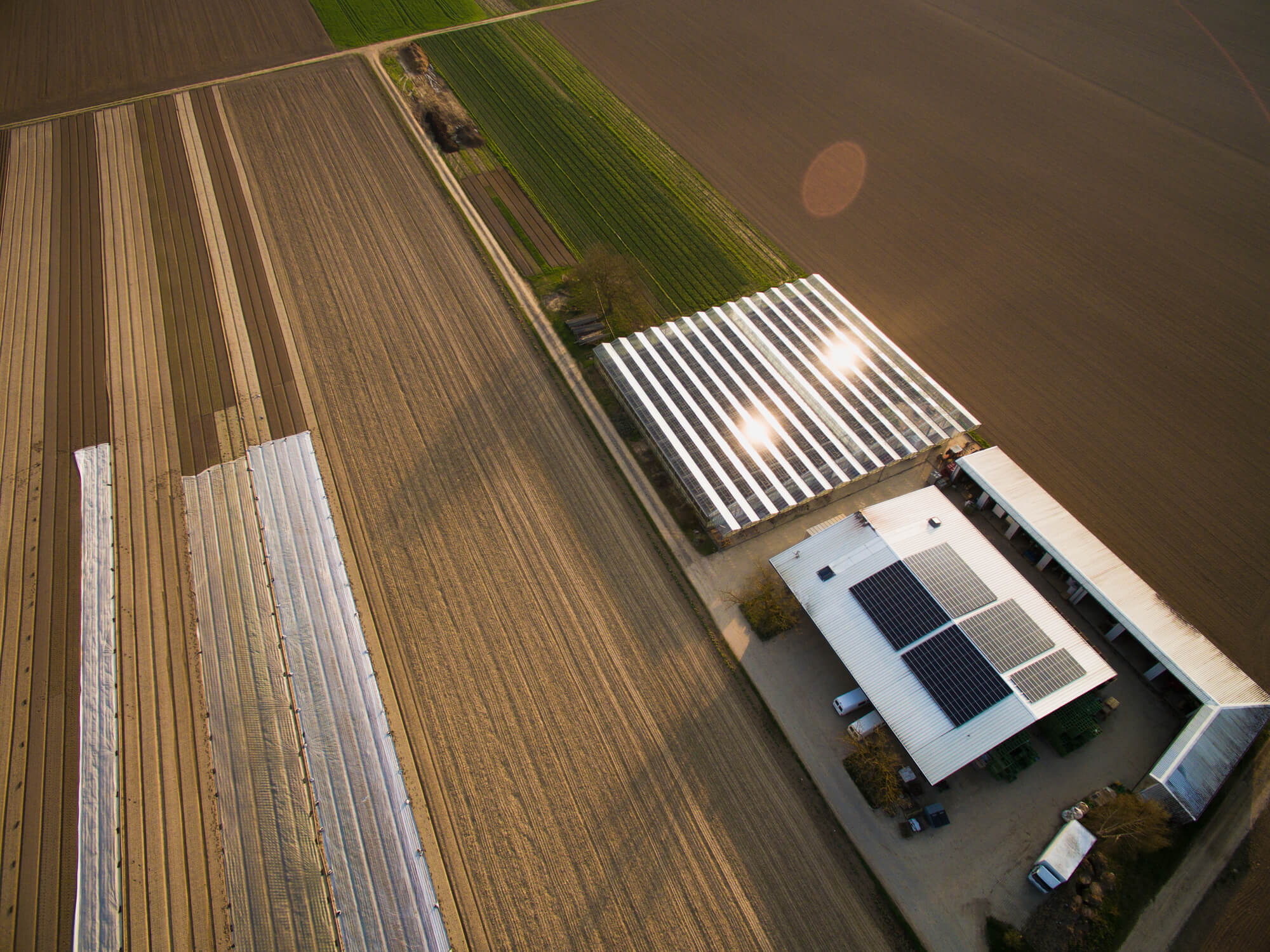
Keeping a greenhouse warm through cold months usually means either a fossil-fuel heater or an electric heat source — and solar can power either approach, or contribute passively without any equipment at all. The most effective solar greenhouse heating combines passive solar design with an active PV-powered or solar thermal heat source for cold nights.
Passive Solar Design
Simple design choices — orienting the greenhouse to maximize south-facing glazing, using thermal mass (water barrels, stone, concrete) to absorb daytime heat and release it at night, and minimizing north-facing glazing — can significantly reduce heating needs before any equipment is added.
Active Heating Options
| Method | How It Works | Best For |
|---|---|---|
| Solar PV + electric heater | Panels generate electricity to power a space heater or heat pump | Well-sized systems with battery backup |
| Solar PV + heat pump | Same PV generation, but heat pump delivers 2.5-4x more heat per kWh than resistance heating | Most efficient active option |
| Solar thermal (direct) | Collectors heat air or liquid directly, no electricity conversion | Simpler, lower-cost setups |
| Passive solar + thermal mass | No equipment; design captures and stores heat | Mild climates, supplemental heating |
Solar PV Paired with a Heat Pump
A heat pump delivers roughly 2.5-4x more heat per kWh of electricity than a standard resistance heater, making it the most efficient way to convert solar-generated electricity into greenhouse heat — particularly valuable in colder climates where heating load is significant.

Sizing Considerations
Greenhouse heating loads can be substantial, especially overnight when solar production is zero — battery storage or a grid-tied backup is typically necessary unless the greenhouse is only lightly heated or located in a mild climate. Undersizing the system for winter heating demand is a common and costly mistake.
Solar Thermal as a Simpler Alternative
Direct solar thermal collectors (heating air or a liquid medium without converting to electricity first) can be a simpler, lower-cost option for basic greenhouse heating, though they lack the flexibility of PV-generated electricity, which can also power fans, lighting, and other equipment.
Want to power your greenhouse and home with solar? Get a free quote: (855) 427-0058
Frequently Asked Questions
Can solar panels heat a greenhouse?
Yes — solar PV can power a space heater or heat pump, or solar thermal collectors can heat air/liquid directly.
What’s the most efficient way to heat a greenhouse with solar?
Pairing solar PV with a heat pump, which delivers 2.5-4x more heat per kWh than resistance heating.
Does passive solar design reduce greenhouse heating needs?
Yes — proper orientation and thermal mass can significantly cut heating requirements before any equipment is added.
Do I need a battery to heat a greenhouse with solar at night?
Usually yes, since solar production is zero at night when heating demand is often highest.
Is solar thermal simpler than solar PV for greenhouse heating?
Yes, but it lacks the flexibility of PV electricity, which can also power fans, lighting, and other equipment.
What is thermal mass in a greenhouse?
Materials like water barrels or stone that absorb daytime heat and release it slowly at night.
Can a solar greenhouse heating system fully replace a traditional heater?
In mild climates with good passive design, sometimes — but colder climates typically need a properly sized active system.
Summing Up
Combining passive design with solar-powered active heating gives greenhouses reliable, sustainable warmth. For solar solutions covering your greenhouse and home, call (855) 427-0058 or visit us.solarpanelsnetwork.com.
Updated