Solar outdoor lights provide convenient, maintenance-free illumination for pathways, patios, gardens, and security applications without wiring or electricity costs. However, many solar lights disappoint with dim output, especially older models or those installed in less-than-ideal conditions. The good news is that brightness is often limited not by fundamental design but by factors you can control: panel placement, cleanliness, battery condition, and LED quality. In most cases, simple adjustments and maintenance can significantly improve brightness.
This guide covers proven techniques to boost solar light brightness, from quick fixes requiring no tools to strategic upgrades that maximize performance. Whether your lights were already dim or have faded over time, you’ll find practical solutions to restore or enhance their illumination.
Contents
- 1 Understanding Solar Light Brightness Limitations
- 2 Maximize Solar Panel Exposure and Positioning
- 3 Clean Solar Panels and Light Optics Regularly
- 4 Replace or Upgrade the Battery
- 5 Upgrade or Replace the LED Module
- 6 Use Reflectors to Concentrate Sunlight
- 7 Replace Cloudy or Yellowed Light Covers
- 8 Optimize LED Color Temperature for Perceived Brightness
- 9 Combine Multiple Improvements for Maximum Effect
- 10 When to Replace Versus Upgrade
- 11 Frequently Asked Questions
- 12 Summing Up
Understanding Solar Light Brightness Limitations
Solar lights operate in a chain of efficiency: sunlight → solar panel → battery → LED → lens. Each step has losses and constraints.
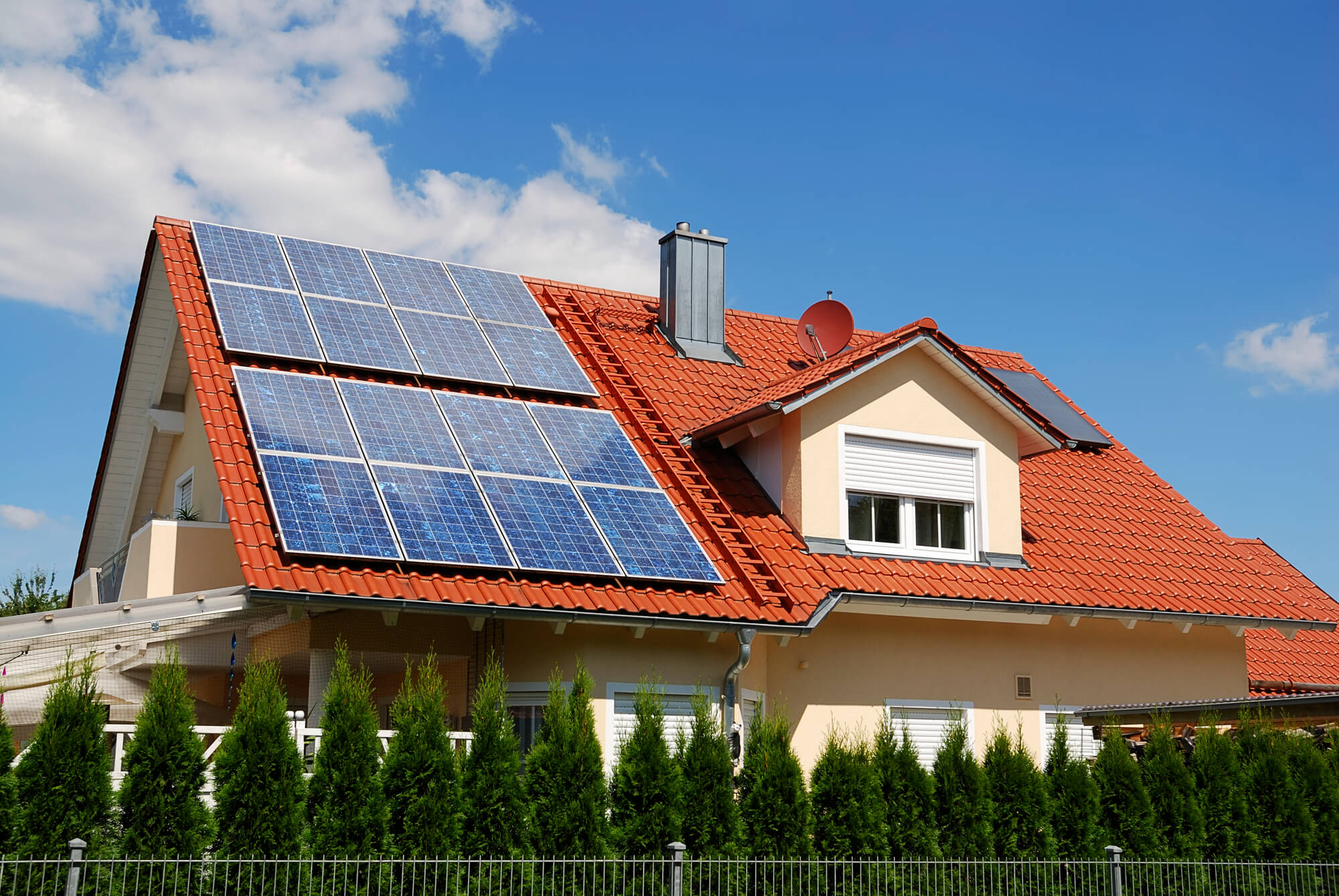
Solar Panel Limitations: Most outdoor solar lights use small panels (0.5–2 watts peak output). Unlike rooftop solar panels (15–22% efficient), budget solar light panels might achieve only 10–15% efficiency. Panel size and positioning directly determine available daytime power for charging.
Battery Constraints: Cheap solar lights use small, low-capacity batteries (300–600 mAh NiCd or NiMH). These store minimal energy—roughly enough for 4–8 hours of LED operation at rated output. Battery age degrades capacity; a 3-year-old solar light battery typically holds only 60–70% of original capacity. Degraded batteries can’t store sufficient daytime solar harvest to power full brightness all night.
LED Output: Solar light LEDs are typically low-power (0.5–3W), far smaller than home lighting LEDs. Power output determines brightness; a 1W LED produces roughly 50–80 lumens, while a 10W LED produces 1,000+ lumens. Budget lights use lower-power LEDs to reduce battery drain.
Loss Factors: Dust on panels, dirty lenses, internal reflection losses in optics, and voltage drop in wiring all reduce final brightness. A new solar light delivers 100% design brightness; the same light after a year of outdoor exposure might deliver only 60–70% due to soiling and degradation.
Understanding these limitations helps you target improvement efforts on the highest-impact changes.
Maximize Solar Panel Exposure and Positioning
The single biggest factor controlling solar light brightness is available sunlight. A light positioned in shade produces minimal output no matter how advanced the internals.
Sunlight Requirements: Solar lights need 6+ hours of direct sunlight daily to charge fully. “Direct” means unobstructed sunlight hitting the panel perpendicularly (ideally head-on). Dappled shade under trees, morning/evening angle sunlight, or reflected light from nearby surfaces is insufficient.
If your light is near a tree, tall building, or fence, repositioning it into full sun is the first step. Even moving a light 3–4 feet might shift it from partial shade into direct light, dramatically improving charging and brightness.
Angle Optimization: Solar panels charge most efficiently when facing the sun directly. In static installations, this means angling the panel slightly upward (typically 30–45 degrees from horizontal depending on latitude). Some solar lights allow manual tilt adjustment; others have fixed angles optimized for temperate latitudes.
Check your light’s current angle. If the panel is nearly vertical (typical in pathway stakes), it receives sunlight at grazing incidence for much of the day. Tilting the panel to a more horizontal angle (if design allows) increases midday charge rate by 30–40%. Some lights have adjustable brackets allowing angle modification.
Seasonal Adjustment: In seasonal climates, the sun’s altitude varies dramatically. Winter sun is much lower than summer sun. If your light has a tilting mount, adjusting the angle seasonally (steeper in winter, more horizontal in summer) can help. Most homeowners don’t bother, but if brightness is critical in winter, seasonal adjustment is worth considering.
Removing Nearby Obstructions: Trim branches and vines that have grown in front of lights. Even partial shading (25–30% panel coverage) cuts charging power by more than proportional amounts. Clean nearby surfaces so they don’t cast shadows on lights.
Clean Solar Panels and Light Optics Regularly
Dust, pollen, bird droppings, and weathering quickly degrade both panel efficiency and light output.
Panel Cleaning: A light layer of dust reduces panel output by 5–10%. Heavy soiling (pollen, salt spray in coastal areas, or bird droppings) can cut output by 20–30% or more. Clean your solar light panels monthly or quarterly, depending on your climate and environmental conditions.
Cleaning method: Use a soft, damp cloth (microfiber is ideal) with lukewarm water and a drop of mild dish soap. Gently wipe the panel surface. Avoid abrasive scrubbing, which scratches the glass or plastic. Dry with a soft cloth to prevent water spots. Never use pressure washers or harsh chemicals.
Lens and Diffuser Cleaning: The light lens or diffuser that covers the LED also accumulates dust and becomes cloudy. A cloudy lens scatters and absorbs light, reducing delivered brightness by 10–20%. Clean lenses the same way as panels: soft damp cloth with mild soap, then dry.
If a lens is permanently yellowed or clouded (common on 5+ year old lights), replacement is worthwhile. Some lights have replaceable lens covers (often available from the manufacturer for $5–$15). Cleaning a yellowed cover won’t restore clarity, but replacing it does.
Interior Mirror Surfaces: If your light design includes internal reflectors, dust inside also reduces efficiency. Disassembling solar lights to clean internal surfaces can be tricky (risk of damaging seals), but if the design allows easy access, wiping interior reflectors clean can improve brightness 5–10%.
Replace or Upgrade the Battery
Battery degradation is often the most significant cause of dim solar lights. A light may have worked brilliantly for the first year or two, then gradually dimmed as the battery aged.
Battery Types and Capacity: Solar lights typically use nickel-cadmium (NiCd), nickel-metal hydride (NiMH), or lithium-ion batteries. NiCd is cheapest but offers lowest capacity and lifespan. NiMH is more expensive and offers 2–3 times the capacity. Lithium-ion is most expensive and offers best energy density and lifespan.
Capacity is measured in mAh (milliamp-hours). A cheap light might use a 300 mAh battery; a quality light uses 600–1,500 mAh. Upgrading from 300 mAh to 1,000 mAh roughly triples available energy storage, allowing longer runtime and brighter operation throughout the night.
Identifying Your Current Battery: Check your light’s manual or label for battery specifications. If you can access the battery compartment, most rechargeable batteries are labeled with capacity (mAh) and chemistry (NiCd, NiMH, Li-ion).
Replacement Process: For lights with replaceable batteries, the upgrade is straightforward. Open the battery compartment, note the battery connector type (usually a simple mechanical clip or solder connection), and remove the old battery. Replace with a higher-capacity battery of the same physical size and connector type. Most outdoor solar light batteries are AA or AAA size, making replacements readily available ($5–$20 depending on chemistry and capacity).
Choose NiMH for best value and 2–3x the capacity of original NiCd. Lithium-ion batteries offer best performance but cost more ($15–$30 per replacement). Some lights have non-replaceable batteries soldered directly to circuit boards; these require a soldering iron to upgrade and may not be worth the effort.
Performance Improvement: A battery upgrade from 300 mAh NiCd to 1,000 mAh NiMH results in 30–50% improved brightness output and 100%+ longer runtime. Your light might now stay bright all night instead of dimming after a few hours. Over multiple seasons, improved battery capacity more than justifies the $10–$20 upgrade cost.
Upgrade or Replace the LED Module
The LED itself determines maximum possible brightness. A 0.5W budget LED can only produce 25–40 lumens no matter how much power you throw at it. A 3W quality LED produces 200–300 lumens.
LED Specifications: Most solar light LEDs are specified in watts (0.5–3W) or lumens (20–300 lumens). Lumens are the standardized measure of light output; higher is brighter. A 50-lumen light barely illuminates a nearby walkway; a 200-lumen light brightly lights a patio or garden area.
Check your light’s LED specification. If it’s a 0.5W LED (typically 20–40 lumens), upgrading to a 2–3W LED (150–250 lumens) results in 4–6x brightness increase, assuming your battery and charge controller support the higher power draw.
LED Upgrade Challenges: Many solar lights have LEDs soldered directly to the circuit board, making replacement difficult. If you’re comfortable soldering, you can remove the old LED and solder in a brighter replacement. LED upgrades cost $5–$15 per light.
Alternatively, some solar light manufacturers offer modular designs where the LED assembly is plugged in, allowing easy swapping. Check whether your light design supports this before purchasing a replacement light.
Compatibility with Battery: A major upgrade in LED power (say, from 1W to 5W) requires more charging power from the solar panel and more energy from the battery. If your panel and battery are undersized, upgrading the LED won’t yield proportional brightness gains. The light will discharge faster or won’t charge fully. Coordinate LED upgrades with battery upgrades for best results.
Use Reflectors to Concentrate Sunlight
A simple reflector behind or beside the solar panel redirects additional sunlight onto the panel, boosting charging power without cost or complexity.
DIY Reflector Methods: Aluminum foil, white paint, or small mirrors positioned behind the solar panel reflect wasted light back onto the panel. A reflective surface can increase effective panel input power by 10–20%, depending on geometry and reflector quality. This translates to 10–20% increased battery charging and proportionally longer or brighter operation.
Reflector Design: Position the reflector to catch early-morning and late-afternoon sunlight (low-angle sun) and redirect it onto the panel. A curved or angled reflector is more effective than flat. Experiment with reflector placement to find the best angle for your location.
Materials: Aluminum foil (cheap but degrades quickly in sunlight), white-painted cardboard (DIY but requires maintenance), or small aluminum mirrors (more durable). Cost is typically $2–$10 for a DIY reflector versus $0 for foil.
Drawbacks: Reflectors can look unsightly and require periodic maintenance (dust, weathering). In high-wind locations, they may blow away or require anchoring. For aesthetic reasons, many homeowners avoid them, but for pure performance gain, they’re effective.
Replace Cloudy or Yellowed Light Covers
Solar light covers and diffusers are typically plastic (cheaper) or tempered glass (more durable and transparent). Over years of outdoor exposure, plastic yellows and clouds, permanently reducing transmitted light.
Material Differences: New plastic covers are usually polycarbonate or acrylic, transparent and colorless. After 3–5 years of UV exposure, they yellow and become opaque. A yellowed cover blocks 20–40% more light than a new clear cover. Tempered glass doesn’t yellow but can crack if struck.
Replacement: Some solar lights have removable covers that snap or screw off. Check whether yours does. If the cover is glued on, replacement requires careful removal without damaging the light body. A replacement glass or plastic cover costs $5–$20, depending on size and material.
If replacement covers aren’t available, you can polish or carefully sand a yellowed plastic cover to restore some clarity. Very fine grit sandpaper (400+ grit) can smooth surface oxidation, restoring 30–50% of lost transparency. This is a temporary fix; the cover will yellow again in a few years.
Optimize LED Color Temperature for Perceived Brightness
Human perception of brightness depends on color temperature, not just lumen output. A warm-white (2700K) LED appears dimmer than a cool-white (5000K) or daylight (6500K) LED at the same lumen rating. This is because human eyes are most sensitive to green and blue wavelengths.
Warm White (2700–3000K): Appears dim and yellowy. Good for ambiance but lower perceived brightness. A 100-lumen warm-white light appears dimmer than a 100-lumen cool-white light.
Cool White (4000–5000K): Appears brighter and crisper. Better for security and task lighting. Preferred for pathway and garden lights where visibility matters.
Daylight (6500K+): Appears brightest and most intense. Best for security and functional illumination but can feel harsh for ambiance.
If your light is warm-white and you want perceived brightness improvement, upgrading to a cool-white or daylight LED of the same wattage yields a noticeable brightness boost. This is particularly true in security lights where visibility is the goal.
Combine Multiple Improvements for Maximum Effect
Individual improvements typically yield 10–30% brightness increases. Combining multiple improvements multiplies the gains.
Example improvement strategy for a 5-year-old dim solar light: (1) Clean panels and lens (+15% brightness), (2) Reposition to full sun from partial shade (+50%), (3) Replace degraded battery with higher-capacity NiMH (+40% runtime), (4) Upgrade LED from 1W to 2W (+100% brightness). Combined effect: approximately 2–3x overall brightness improvement.
Not all combinations are equally cost-effective. Repositioning is free and often yields the largest single gain. Battery replacement ($10–$20) offers excellent ROI. LED replacement ($5–$15) is worthwhile if the light has a replaceable LED module. Reflectors and cover replacements are lower-priority unless other improvements haven’t solved dimness issues.
When to Replace Versus Upgrade
At what point is replacement more sensible than upgrading?
Upgrade the light if: (1) The light body and optics are in good condition, (2) Only battery or LED have degraded, (3) Replacement cost ($15–$50) is substantially less than a new quality light ($30–$100), (4) Your light has a unique position or aesthetic you want to preserve.
Replace the light if: (1) The light body is physically damaged (cracked lens, corrosion, water leaks), (2) Non-replaceable battery is dead and the light uses soldered connections, (3) Multiple components are degraded (old battery, cloudy cover, dim LED), (4) The light is more than 8–10 years old and has outlived its expected lifespan, (5) You want significantly brighter output (more than 2–3x); new lights offer better integrated design.
For a light that cost $20 originally, spending $15–$25 in upgrades makes sense only if you get 80% of new-light brightness. If you need 5x brightness improvement, buying a new 200+ lumen light ($40–$80) is better than chasing multiple incremental upgrades.
Frequently Asked Questions
Budget solar lights deliberately use low-power LEDs and small batteries to reduce cost. A $15 light won’t match a $60 light in brightness, even when new. If you purchased a low-cost light and are disappointed, reposition it to full sun and upgrade the battery. If brightness improvement is still insufficient, replacement with a higher-quality light is more practical than multiple upgrades.
Rechargeable solar light batteries degrade with charge cycles. A budget NiCd battery lasts 300–500 cycles (~1–2 years of daily use). A quality NiMH battery lasts 500–1,000 cycles (~2–3 years). Lithium-ion lasts 500–2,000 cycles (~3–5 years). Cold climates and poor charge controller design accelerate degradation. Most solar lights noticeably dim after 2–3 years due to battery wear.
If you replace a solar light’s battery, use a rechargeable NiMH or lithium-ion battery compatible with the light’s charging circuit. Standard alkaline batteries won’t work (they’re not rechargeable). Check the voltage and capacity rating of the original battery and match those specifications. Oversized batteries physically won’t fit; mismatched voltages can damage the charging circuit.
For best performance, solar lights need 6+ hours of direct (not diffuse or reflected) sunlight daily. In direct sun, a quality solar light charges to full capacity by late afternoon. In partial shade (3–4 hours direct), the battery charges partially and the light may dim earlier than designed. In full shade (dappled sunlight), batteries barely charge and the light is too dim for practical use. Repositioning from shade to sun is the single biggest brightness improvement.
Cleaning typically improves brightness 10–20%, depending on how dirty the light is. A light coated with pollen or dust loses 5–10% output per week of neglect. Cleaning monthly can improve annual brightness by an average of 10–15%. For heavily soiled lights (especially in coastal, desert, or high-pollen regions), cleaning every 2–4 weeks yields even larger improvements.
No. Each solar light is independent; one light’s battery doesn’t charge another. If you want brighter illumination of a specific area, position multiple separate lights around it, or replace a single dim light with one brighter light. Multiple lights together provide more total lumens than a single light, but each light operates independently.
Summing Up
Dim solar lights are usually the result of one or more controllable factors: poor positioning, soiling, degraded batteries, or undersized LEDs. The most impactful improvements are repositioning into direct sunlight and replacing aged batteries with higher-capacity replacements. Cleaning is a low-cost maintenance task that preserves brightness over time. Upgrading the LED or adding reflectors provides additional gains for minimal cost.
Before purchasing replacement lights, evaluate what’s causing the dimness and target your improvements accordingly. In many cases, a $15–$30 investment in battery and panel upgrades restores a light to acceptable brightness. For lights that have failed physically or are more than 8–10 years old, replacement with a modern, higher-lumen light is more practical.
For guidance on selecting new solar lighting that matches your brightness and coverage needs, call (855) 427-0058 to discuss your outdoor lighting goals.
Updated