
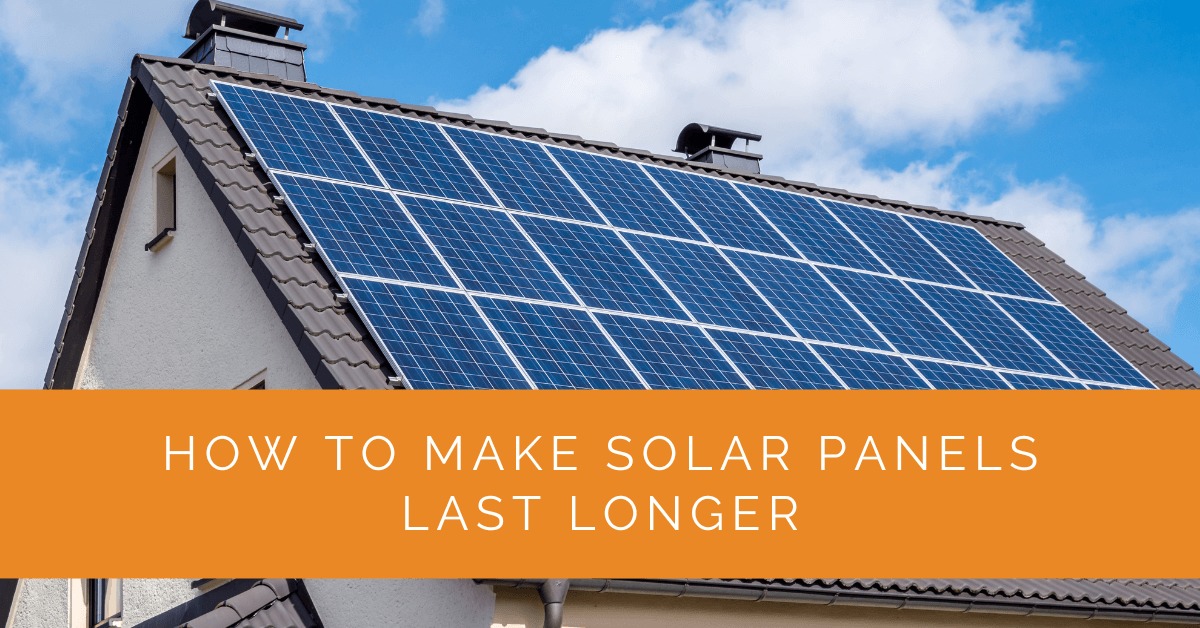
How to Make Solar Panels Last Longer: Maintenance & Care Guide
Modern solar panels last 25–35 years under normal conditions, with many systems still producing 80% of their original capacity after three decades. However, proper maintenance can extend lifespan to 40+ years and preserve power output at higher levels throughout the system’s life. This guide covers proven maintenance practices, seasonal care, and protective measures that maximize solar panel durability and performance.
Average homeowners spend $520 annually on professional maintenance, but many maintenance tasks can be performed DIY for under $100 per year, delivering equivalent results and protecting your $8,000–$15,000 system investment.
Understanding Solar Panel Degradation Mechanisms
Solar panels degrade slowly over time through several mechanisms. Normal degradation occurs at 0.3–1.0% per year, meaning a panel rated 300W at installation would produce 297W after year one, and drop to approximately 270W after 30 years (maintaining 90% of original capacity). This is expected and factored into 25-year warranties.
Accelerated degradation occurs through:
Potential-Induced Degradation (PID): In humid climates with high temperatures, moisture and electrical stress can accumulate negative charge in the silicon crystalline structure, reducing voltage output. PID typically causes 5–30% efficiency loss in affected panels. Modern panels use anti-PID designs, but older systems installed before 2015 may be vulnerable.
Light-Induced Degradation (LID): When fresh silicon cells are exposed to sunlight for the first time, a transient electrical defect forms, reducing initial output 2–3%. Quality panel manufacturers have minimized LID through manufacturing process improvements, but budget panels may experience larger initial losses.
Thermal cycling: Repeated expansion and contraction as temperatures fluctuate daily and seasonally stresses solder joints and interconnections. In regions with 40°F+ daily swings (desert or high-altitude climates), thermal stress accelerates cracking and micro-fracturing of cells.
Soiling (dirt, dust, bird droppings, pollen): Particulate matter blocks sunlight, reducing output 5–20% depending on accumulation rate and climate. Even thin films of dust reduce transmission measurably; heavy soiling can drop output by half.
Delamination: The ethylene-vinyl acetate (EVA) adhesive binding glass, cells, and backsheet together degrades in UV light, causing transparent areas and reduced structural integrity. Modern formulations resist delamination for 30+ years, but older panels may show browning or internal moisture.
Corrosion of metal components: Aluminum frames, copper busbars, and solder joints oxidize in salty air, moisture-rich environments, or acid rain regions. Corrosion increases electrical resistance and can cause local hot spots that accelerate cell failure.
Regular Cleaning and Soiling Prevention
Clean panels produce 5–20% more energy than dirty panels, depending on climate and soiling rate. Light dust and pollen accumulate at 1–2% per month in dry climates; coastal regions or areas with industrial pollution see 2–4% monthly losses.
DIY Cleaning: Wash panels quarterly (or monthly in dusty areas) using plain water and a soft-bristle brush. Mix mild dish soap into distilled water (avoid hard tap water, which leaves mineral deposits). Spray panels with a garden hose, gently scrub with a brush, rinse thoroughly, and allow to air-dry. Cost per cleaning: ~$0 (using household supplies). Time: 1–2 hours per 20-panel system.
Equipment:
- Soft-bristle brush or foam broom ($10–20)
- Long-handled extension pole ($15–30) to reach roof-mounted panels safely from the ground
- Garden hose with adjustable nozzle (likely already owned)
- Distilled water for final rinse ($2–3)
What to avoid: Pressure washers (>40 PSI damages sealants), abrasive pads, harsh chemicals, ammonia-based window cleaners, and metal scrapers. Avoid cleaning during extreme heat or cold; panel thermal shock (rapid temperature change) from cold water on hot panels can cause micro-cracks.
Professional cleaning: Costs $150–$500 per visit depending on system size, roof accessibility, and region. Most professionals charge $10–$20 per panel. Annual or semi-annual professional cleaning is worthwhile in high-soiling areas (near beaches, dirt roads, or industrial zones) or for homeowners with mobility limitations.
Preventive measures: Install hydrophobic coatings (anti-soiling treatments, $200–$400 for a 6kW system) that repel water and reduce dust adhesion, decreasing cleaning frequency to 1–2 times annually. Ceramic-based coatings last 3–5 years before re-application is needed.
Inspections: Detecting Problems Early
Annual professional inspections identify emerging issues before they cause significant damage. Inspectors use thermal imaging cameras, multimeters, and visual examination to assess:
Electrical performance: IV curve testing measures each string’s voltage and current output, identifying shading issues, wiring faults, or panel degradation faster than monitoring systems alone. Cost: $150–$300 for a 20-panel system.
Physical damage: Inspectors look for cracked glass, micro-fractures visible under thermal stress, delamination (EVA browning or internal separation), hot spots (regions of localized overheating), and loose MC4 connectors. Early detection of microcracks allows repair before they propagate and destroy cells.
Moisture ingress: Moisture inside panels causes corrosion and electrical faults. Thermal imaging shows warm/cool zones indicating internal water. Affected panels must be replaced; repair is not cost-effective.
Connector integrity: Loose or corroded MC4 connectors increase resistance, causing voltage drops and fire risk. Inspectors pull on connectors with a calibrated force gauge and replace any with visible oxidation or resistance above 1 milli-ohm.
DIY visual inspection: Monthly checks require no special tools. Look for cracked glass, dirt accumulation, visible corrosion on frames or connections, and compare monitoring app output to historical patterns. Any anomalies warrant professional evaluation.
Thermal Management and Ventilation
Solar panels operate most efficiently at 25°C (77°F). For every degree above this temperature, efficiency drops 0.4–0.5% due to reduced bandgap and increased thermal noise. On a 90°F day, a typical panel loses 8–10% of its peak power to thermal effects alone.
Improving panel cooling:
Roof ventilation: Allow airflow under panels by mounting them on rails with 50–150mm (2–6 inch) gap between the panel backsheet and roof surface. This gap allows cooling air to flow underneath, reducing panel temperature by 5–15°C compared to direct mounting. Cost: 5–10% higher installation cost, but performance gain of 2–3% annually justifies the expense in hot climates.
Seasonal maintenance of cooling airflow: In spring and fall, inspect panel undersides for debris (leaves, dust, nesting materials) blocking airflow. Clear annually to maintain cooling efficiency.
Albedo surfaces: Ground or roof surfaces immediately surrounding panels affect local temperature. Light-colored surfaces (concrete, metal) reflect heat; dark surfaces (asphalt, gravel) absorb it. Positioning light-colored objects near panels or painting the surrounding roof white reduces ambient temperature.
Airflow acceleration: In industrial or large systems, small 12V fans mounted under panel arrays can force convection, further cooling panels and recovering 1–2% additional output. This requires additional inverter and wiring but is economical for systems over 10kW.
Weather and Environmental Protection
Hail protection: Hail storms cause impact damage, cracking glass or fracturing cells internally without visible external damage. Regular inspection with thermal imaging detects impact damage before internal cracks propagate. Most residential panels meet IEC 61215 hail rating of 25mm ice balls at 23 m/s (typical severe hail). Stronger ratings exist but cost more. Insurance typically covers hail damage; file claims promptly to replace damaged panels.
Lightning and surge protection: Lightning strikes and grid voltage surges can damage electronics in the inverter and combiner box, though properly grounded systems are rarely affected. Surge protection devices ($100–$300 for whole-system protection) are worthwhile additions in lightning-prone regions (Florida, Arizona, Gulf Coast areas averaging 10+ strikes per year). If your area has high lightning frequency, request surge protection during system design.
Salt air and coastal corrosion: Coastal regions experience accelerated corrosion of aluminum frames and copper wiring from salt spray. Anti-corrosion measures include stainless steel fasteners, powder-coated aluminum frames, conformal coatings on circuit boards, and annual inspection for white oxidation on metals. Replace standard aluminum rails with marine-grade stainless within 1–2 miles of the ocean. Cost: 10–15% higher for marine-grade systems, but prevents $2,000–$5,000 in premature replacement costs.
Snow load and ice: Wet, heavy snow accumulation can degrade support structures over years. Remove snow within 48 hours of storms in areas averaging 12+ inches annually. Install snow guards (metal or plastic strips mounted on the lower rail) to prevent avalanche-like slides that damage roofing and walkways below.
Connection and Wiring Maintenance
Electrical connections are the most common failure point in aging systems. Most issues are preventable through regular inspection and tightening.
MC4 connectors: These multi-contact connectors link panels in series and connect strings to the combiner box. Every 2–3 years, visually inspect all MC4 connectors for green or white oxidation (corrosion). If present, disconnect the connector, clean contacts with a small brass brush, and apply a thin layer of dielectric grease (non-conductive paste that prevents oxidation, ~$3 per tube). Reconnect firmly; a proper connection clicks audibly.
Combiner box terminals: The combiner box where all panel strings connect shows high current density and heat generation. Annually inspect terminal blocks for discoloration, corrosion, or loose bolts. Tighten any loose bolts (6–8 Nm torque for standard M6 bolts) and clean oxidized terminals with electrical contact cleaner ($5–10 per can).
Grounding and bonding: Proper grounding protects against lightning, static discharge, and electrical shock. Have a licensed electrician verify grounding continuity every 3–5 years, checking that all conductive surfaces (frames, rails, combiner box) are electrically bonded to the home ground rod. Corrosion or loosening of ground bolts is common and easily repaired.
Inverter servicing: Most modern string and hybrid inverters have 10–15 year lifespans before capacitor failure or component wear becomes noticeable. Manufacturers recommend annual inspections after year 5, checking for capacitor bulging, burnt smell, or unusual fan noise. Preventive replacement of aging capacitors ($200–$400 labor plus $50–$150 parts) at year 10–12 avoids unexpected failures. Full inverter replacement costs $2,000–$4,000.
Seasonal Maintenance Checklist
Spring (March–May):
- Clean panels after winter dust/pollen accumulation
- Visually inspect for winter storm damage
- Check monitoring system for spring production curves; compare to prior-year data
- Inspect roof for any weather damage affecting panel mounts
Summer (June–August):
- Monitor for increased soiling; clean mid-summer if dust or pollen is heavy
- Verify cooling ventilation under roof-mounted panels; clear debris if present
- Check inverter fan operation during peak output hours
- Ensure no shading from tree growth or building modifications
Fall (September–November):
- Remove leaves and debris from panels and mounting structure
- Inspect for wind damage from fall storms
- Clean panels before winter to maximize production
- Check ground continuity and grounding bolts before winter electrical storms
Winter (December–February):
- Monitor for snow accumulation; clear after heavy storms
- Verify inverter is operating during available daylight despite short days
- Inspect electrical connections for corrosion in humid climates
- Plan spring professional service or repairs during low production season
Maximizing System Efficiency Through Monitoring
Modern monitoring systems (provided by most installers) track real-time and historical output, quickly revealing problems. Monitoring typically shows production per string and overall system output, with alerts if production drops suddenly.
Using monitoring data: Compare monthly production to prior-year same month, accounting for weather differences. If current month is 10%+ lower despite similar weather, investigate. Common causes include: soiling (clean and retest), shading from tree growth (prune or remove), inverter fault (professional service), or panel degradation (IV curve testing identifies affected panels).
Performance ratio: Divide actual output by expected output (based on panel size, solar irradiance, and temperature). A healthy system maintains 75–85% performance ratio. Lower ratios indicate inefficiency; higher ratios indicate over-performance (unlikely unless shading decreased, reducing temperature, then was resolved).
Production alerts: Set monitoring alerts to notify you if daily production drops below a threshold. Most systems allow automatic email or SMS alerts when output is 30%+ below expected levels, enabling rapid problem identification.
Warranty Maintenance Requirements
Panel and inverter warranties typically require proof of regular inspection or service to honor claims. Many manufacturers mandate annual professional inspections ($150–$300 per visit) to maintain warranty coverage. If you haven’t used professional service, confirm your specific warranty terms—some require it, others recommend but don’t mandate it.
Keep detailed records of all maintenance, cleaning dates, inspection reports, and repairs. Photos of any damage or anomalies, along with professional service reports, serve as warranty claim documentation if needed.
Troubleshooting Output Decline
Gradual decline over years: Normal degradation at 0.5–1.0% annually is expected and doesn’t warrant action. If decline exceeds 1.5% annually, investigate soiling, shading, or panel defects.
Sudden 10%+ drop: Indicates a discrete problem. Check monitoring system for per-string data: if one or two strings are below others, that segment may have a bad connection, inverter issue, or shade obstruction. Professional IV curve testing isolates the problem.
Inverter faults: Most modern inverters display error codes on the display panel or via monitoring app. Common faults include ground faults (safety disconnect), overtemperature (cooling issue), or grid fault (utility-side issue). Consult the inverter manual or call the installer for fault diagnosis.
Intermittent performance: Starts and stops without clear pattern suggests loose connections or animal damage (squirrels/birds chewing wires). Inspect visible wiring and call a professional for combiner box and roof inspection.
Summing Up
Solar panels naturally degrade 0.3–1.0% annually, but proper maintenance preserves efficiency near original levels for 25–35+ years. Regular cleaning (quarterly), visual inspections (monthly), professional servicing (annually), and seasonal maintenance of connections and ventilation are the key practices extending lifespan and maximizing energy production.
Typical annual maintenance costs $400–$700 for professional service and cleaning, but catch emerging problems early, preventing expensive repairs or early panel replacement. For homeowners committed to extended system life, the cost is modest compared to the 25–30 year value of maintained solar output.
Monitoring systems provide early warning of degradation; use production data to detect problems within weeks rather than waiting months for noticeable output loss. Most systems pay for themselves through improved performance, and peace-of-mind knowing your $8,000–$15,000 investment is protected.
For professional maintenance services, solar installation experts can perform comprehensive annual inspections, cleaning, and component upgrades to keep your system operating at peak efficiency. The 30% federal Investment Tax Credit (active through 2032 under the Inflation Reduction Act) applies to new system installations. If you’re considering a system upgrade or professional maintenance plan, call (855) 427-0058 to speak with solar specialists about comprehensive maintenance agreements and system optimization.
Updated