
Solar power itself is legitimate, well-proven technology — but the solar sales industry has a real reputation problem due to aggressive sales tactics and a minority of bad actors. Knowing the difference between the technology and the sales practices around it is key to avoiding a bad deal.
Is Solar Technology Itself a Scam?
No. Solar panels are a mature, well-understood technology that reliably converts sunlight into electricity, with most panels warranted for 25 years and typical degradation of just 0.3-0.5% per year. The “scam” reputation comes almost entirely from how some systems are sold and financed, not from whether the panels work.
Legitimate Concerns That Fuel the “Scam” Perception
Several real issues explain why some homeowners feel misled: door-to-door sales reps making inflated savings promises, financing terms (especially leases and PPAs) that aren’t clearly explained, dealer fees baked into loan APRs that inflate the effective interest rate, and installers who go out of business, leaving warranties unsupported.
| Red Flag | What It Means |
|---|---|
| “Free solar panels” | Usually a lease or PPA in disguise — you don’t own the system |
| High-pressure same-day signing | No time to compare quotes or read the contract carefully |
| Guaranteed savings claims | Actual savings depend on usage, rates, and system performance — can’t be guaranteed |
| No local reviews or licensing info | Possible fly-by-night installer with no accountability |
| Vague equipment specs in the contract | Makes it hard to verify you’re getting what you paid for |
How to Vet a Solar Installer Properly
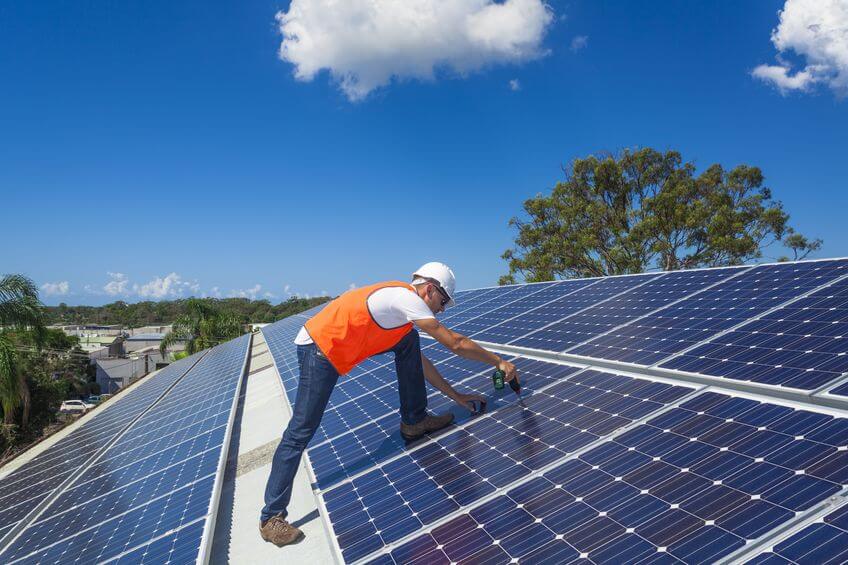
Get at least 3 quotes and compare cost per watt, not just total price. Verify NABCEP certification and check the installer’s license and insurance. Read reviews on independent platforms (not just testimonials on the company’s own site). Ask for the specific equipment brands and model numbers in writing, and understand exactly what financing structure you’re agreeing to — cash, loan, lease, or PPA all have very different implications for ownership and tax credit eligibility.
Understanding What You’re Actually Signing
A key source of confusion: the homeowner tax credit (Section 25D) expired December 31, 2025, so homeowners purchasing a system outright no longer get the 30% credit. Leases and PPAs let the installer claim the Section 48E credit instead (active through 2027), which is often reflected in the lease pricing — understanding this distinction helps you evaluate whether a “too good to be true” offer actually makes sense.
The Bottom Line on Solar Legitimacy
Solar isn’t a scam, but like any major home investment, it requires due diligence. A well-vetted installer, a clear understanding of your financing structure, and realistic (not inflated) savings expectations are what separate a good solar experience from a bad one.
Get a transparent, no-pressure free solar quote: (855) 427-0058
Frequently Asked Questions
Is solar power a scam?
No – solar technology is legitimate and well-proven, but the sales industry has real issues with aggressive tactics and unclear financing that fuel the “scam” perception.
What are common red flags when getting a solar quote?
Claims of “free solar panels,” high-pressure same-day signing, guaranteed savings claims, and vague equipment specs in the contract are all red flags.
What does “free solar panels” actually mean?
It usually refers to a lease or PPA where you don’t own the system – you’re paying for the electricity it produces, not receiving panels for free.
How can I verify a solar installer is legitimate?
Check NABCEP certification, verify licensing and insurance, read independent reviews, and get at least 3 quotes to compare.
Why do some homeowners feel misled by solar companies?
Inflated savings promises, unclear financing terms, and installers going out of business and leaving warranties unsupported are common sources of complaints.
Does the federal solar tax credit still apply to homeowners?
The homeowner Section 25D credit expired December 31, 2025. Leases and PPAs let the installer claim the Section 48E credit instead, through 2027.
How do I avoid a bad solar deal?
Compare multiple quotes on a cost-per-watt basis, verify installer credentials, get all equipment specs in writing, and fully understand your financing structure before signing.
Summing Up
Solar isn’t a scam, but the sales side of the industry requires the same due diligence as any major home investment – a vetted installer and clear financing terms make all the difference. For a transparent, no-pressure quote, call (855) 427-0058 or visit us.solarpanelsnetwork.com.
Updated