Solar Panels Network USA Blog

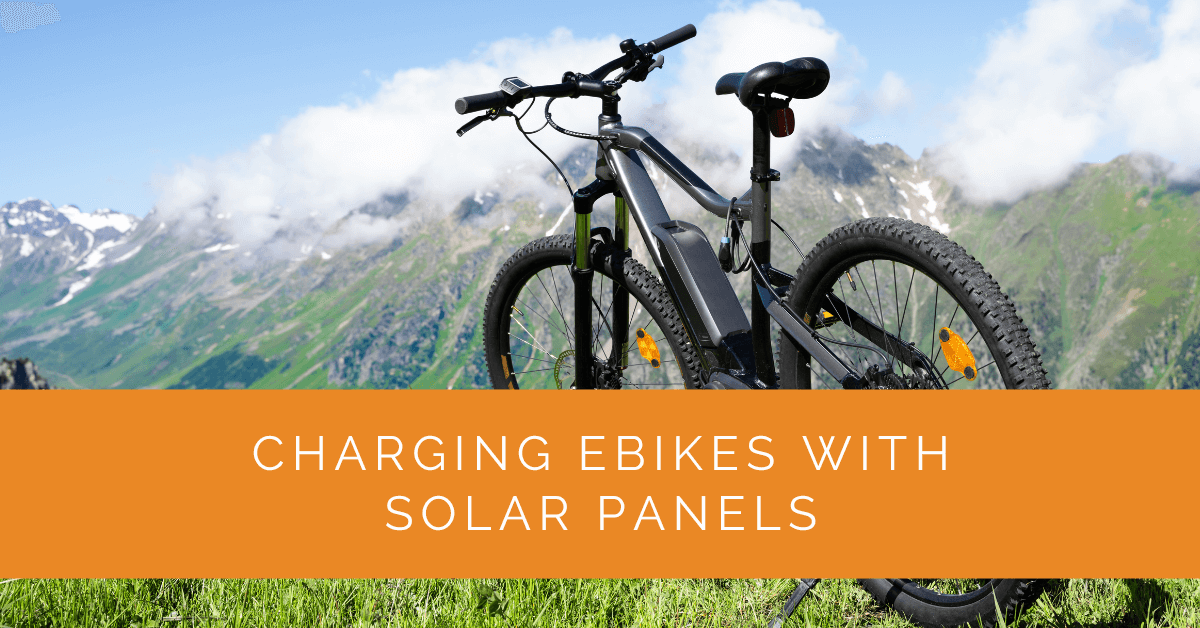
Charging eBikes with Solar Panels

Charging an e-bike with solar power is entirely feasible for most riders, requiring only a modest panel setup to keep up with typical riding habits. A 100-200W solar setup with a charge controller and small battery buffer can fully charge most e-bike batteries in 1-2 sunny days. Solar E-Bike Charging Setup E-Bike Battery Size Recommended Read more »

How to Save Energy at Home

Reducing household energy consumption saves money, reduces carbon emissions, and — when combined with solar panels — dramatically shrinks the size (and cost) of the solar system you need to achieve net-zero energy use. The most impactful home energy savings come from a handful of proven measures rather than dozens of small changes. This guide Read more »

Solar Panels in Coastal Areas: Dealing with Salt and Humidity

Coastal regions offer a promising landscape for harnessing solar energy due to their ample sunlight and proximity to water bodies. However, the salty and humid environment poses significant challenges to solar panels. In this article, we will explore the impact of salt and humidity on solar panels, the corrosion-related issues faced by coastal solar installations, Read more »

Solar Panels on Historic Buildings

Adding solar to a historic or preservation-restricted building requires balancing energy goals with preservation rules. Solar installation on historic buildings often requires special approval, but many jurisdictions offer preservation-friendly options like low-profile or rear-facing arrays. Preservation Regulations to Know Buildings on the National Register of Historic Places or in local historic districts often require approval Read more »

What Are Solar Panel Disconnect Switches?

A solar panel disconnect switch is a required safety component that allows a system to be safely isolated for maintenance, inspection, or emergency shutdown. Both AC and DC disconnects are typically required, and knowing their location and function matters for safety and code compliance. Why Disconnect Switches Are Required The National Electrical Code (NEC) requires Read more »

Solar Panels in Data Centers

Data centers are becoming one of the fastest-growing consumers of electricity, driven heavily by AI workloads — and solar is playing a growing role in meeting that demand. Major tech companies are signing large-scale solar power purchase agreements (PPAs) to offset data center energy consumption, though battery storage and grid backup remain essential for 24/7 Read more »

Solar Panels and Health Benefits

Beyond financial savings, solar energy adoption carries real public health benefits by displacing fossil fuel electricity generation and its associated air pollution. Reduced PM2.5, SO2, and NOx emissions from fossil fuel displacement are the primary health benefits linked to widespread solar adoption. Health Benefits of Solar Energy Adoption Pollutant Reduced Health Impact of Reduction PM2.5 Read more »

Solar Panels in Disaster Preparedness

Solar panels paired with battery storage offer meaningful disaster resilience, though the level of protection depends heavily on system design and battery capacity. Battery-backed solar systems can maintain power during grid outages, storm damage, and extended emergencies where fuel-based generators may run out. Solar Disaster Preparedness Scenarios Scenario Solar+Battery Response Standard grid outage Battery provides Read more »

Snail Trails on Solar Panels

Snail trails are dark, discolored streaks that appear on solar panels — typically following the pattern of the internal silver busbars and forming lines that look vaguely like the paths a snail might leave. They’re a known defect in crystalline silicon solar panels and indicate a specific type of cell degradation that can reduce panel Read more »

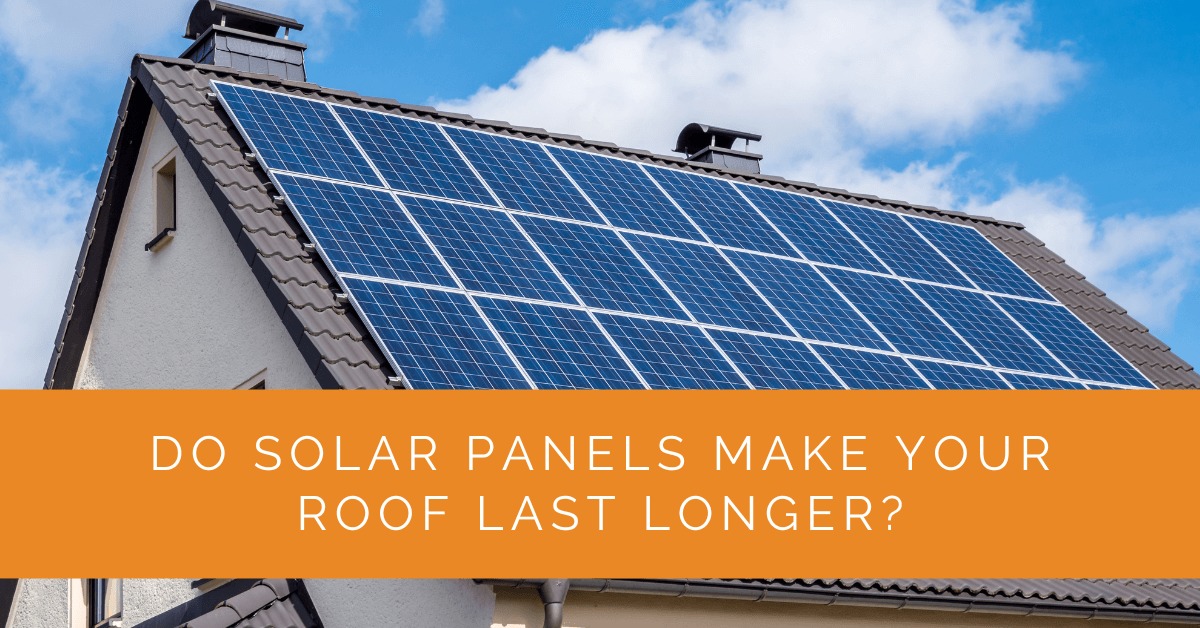
Do Solar Panels Make Your Roof Last Longer?

Solar panels can extend the life of the roof section beneath them by shielding it from UV exposure and moderating temperature swings, though this benefit depends on proper installation and doesn’t apply to the whole roof. Panels shield covered roof areas from UV degradation and thermal cycling, potentially extending shingle life in that specific area. Read more »