Solar Panels Network USA Blog

Best Solar Disk Lights

Our blog is reader-supported. When you buy through links on our site, we may earn an affiliate commission. Thank you for your support! The best solar disk lights on the market right now are the Peasur Mini Solar Ground Lights. This 12-pack of flat disc lights delivers impressive brightness with a 4.9-star rating, fits seamlessly Read more »
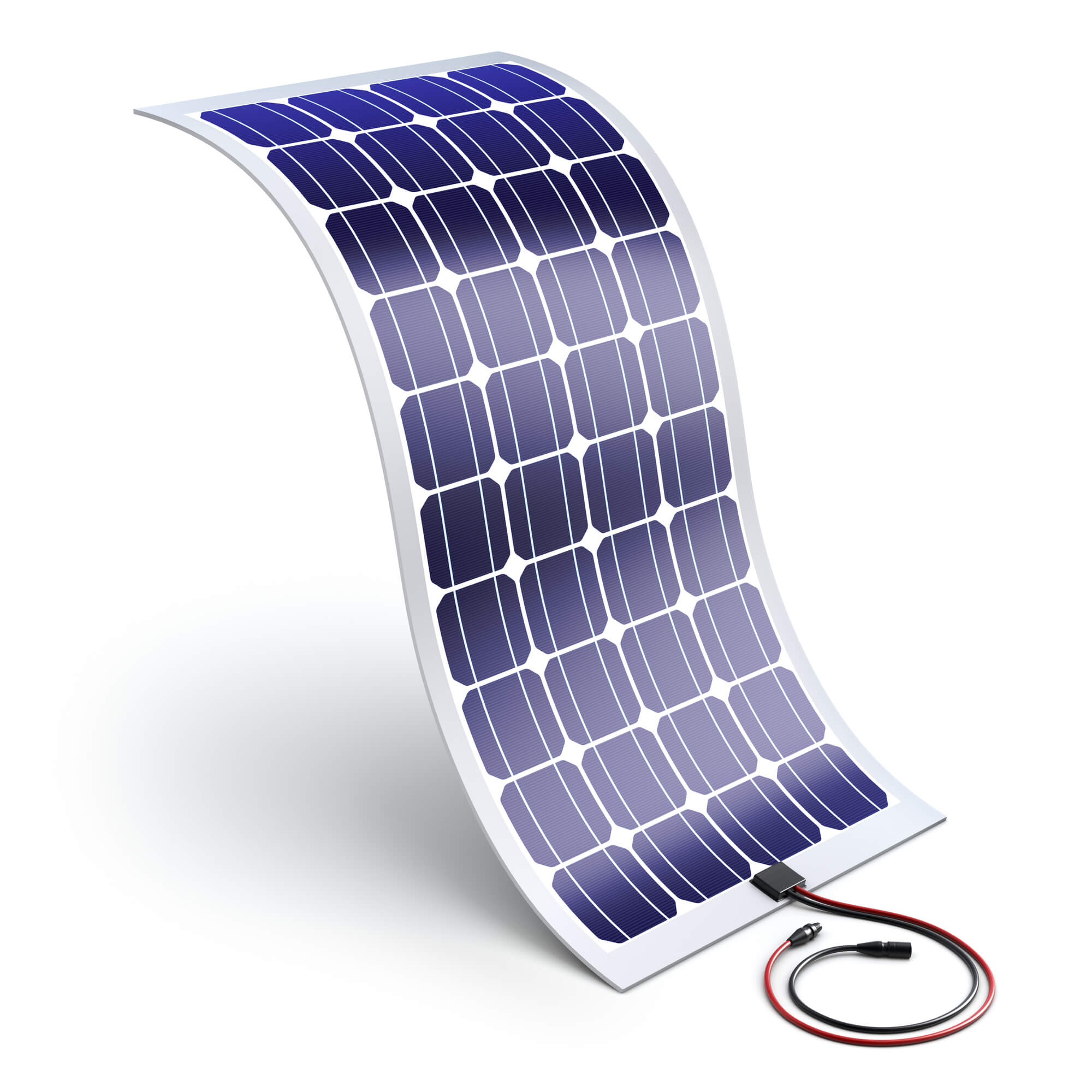
Common Flexible Solar Panel Problems and How to Fix Them

Flexible solar panels offer advantages that rigid panels can’t match — they conform to curved surfaces, weigh much less, and install easily on RV roofs, boat decks, and van rooftops without drilling or framing. But they also have well-documented failure modes that are less common in rigid framed panels. Understanding these problems helps you choose Read more »

How to Become a Certified Solar Installer

The gold standard certification for solar installers in the United States is the NABCEP PV Installation Professional (PVIP) credential, issued by the North American Board of Certified Energy Practitioners. NABCEP certification demonstrates verified competency in solar PV system design, installation, and safety, and is increasingly required by utilities, commercial clients, and state incentive programs. The Read more »

Can Solar Panels Overheat?

Solar panels don’t overheat in the dramatic sense — they won’t melt, catch fire, or shut down from heat under normal operating conditions. But high cell temperatures do cause a real and measurable reduction in power output that affects system performance throughout hot weather. Understanding how heat affects solar panels helps you choose the right Read more »

Can Solar Panels Work at Night?

Solar panels cannot generate electricity at night — the photovoltaic effect that powers them requires sunlight, not just ambient light or moonlight. But that doesn’t mean your home goes dark after sunset: batteries and net metering both solve the nighttime power gap in different ways. Why Panels Don’t Work at Night Solar panels generate electricity Read more »

Microgrid Guide

A microgrid is a localized energy system that can generate, store, and distribute power independently of the main utility grid — and solar plus battery storage is now the most common way to build one. Microgrids range from single-home backup systems to campus- and community-scale networks, all sharing the same core ability to “island” from Read more »

Will Solar Panels Pay for Themselves?

Whether solar panels pay for themselves depends on your upfront cost, local electricity rates, sun exposure, and financing method — but for most homeowners who purchase (rather than lease) their system, the answer is yes, typically within 7-12 years. Without the expired 25D tax credit, payback periods have lengthened somewhat compared to prior years, but Read more »

Leasing Vs. Buying Solar Panels

The choice between leasing and buying solar panels has shifted meaningfully since Section 25D’s expiration — the calculation homeowners used for years no longer applies the same way. Buying now offers no federal tax credit for homeowners, while leasing lets the leasing company claim Section 48E, potentially passing some savings through lower payments. Lease vs. Read more »

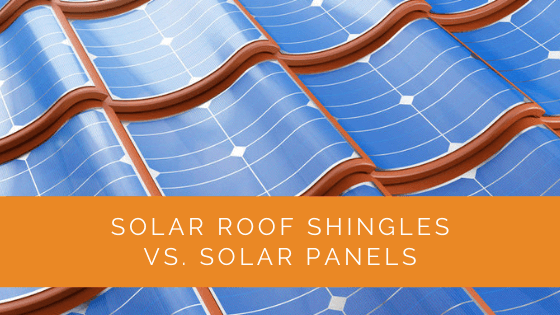
Solar Roof Shingles Vs. Solar Panels

Solar roof shingles, most notably Tesla’s Solar Roof, offer a more integrated aesthetic than traditional rack-mounted panels but come with meaningfully higher cost and different tradeoffs. Traditional panels remain the better value for most homeowners, while solar shingles suit those prioritizing appearance or needing a full roof replacement anyway. Head-to-Head Comparison Factor Traditional Solar Panels Read more »

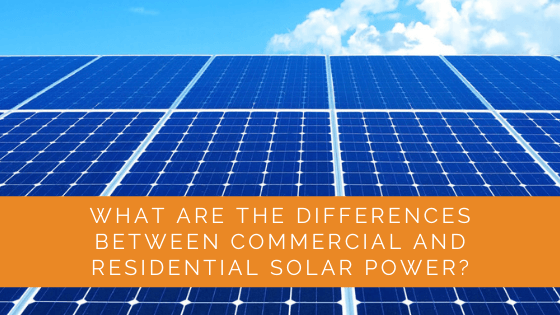
What Are the Differences Between Commercial and Residential Solar Power?

Commercial and residential solar power share the same underlying technology, but differ significantly in scale, financing, equipment, and the tax incentives that apply. Understanding these differences matters whether you’re a homeowner comparing options or a business owner evaluating a commercial installation. System Size and Scale Residential systems typically range from 5-15 kW, sized to offset Read more »