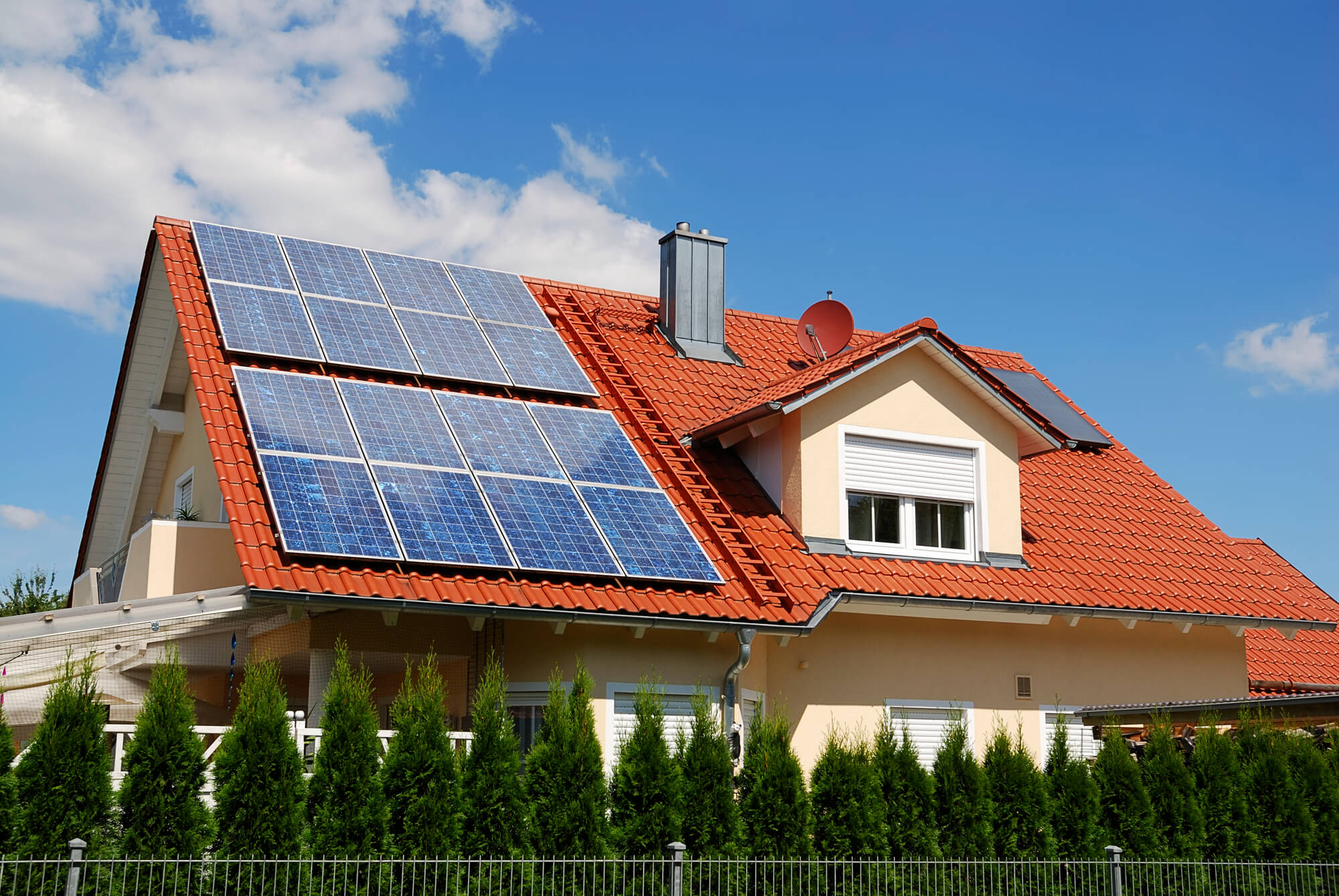
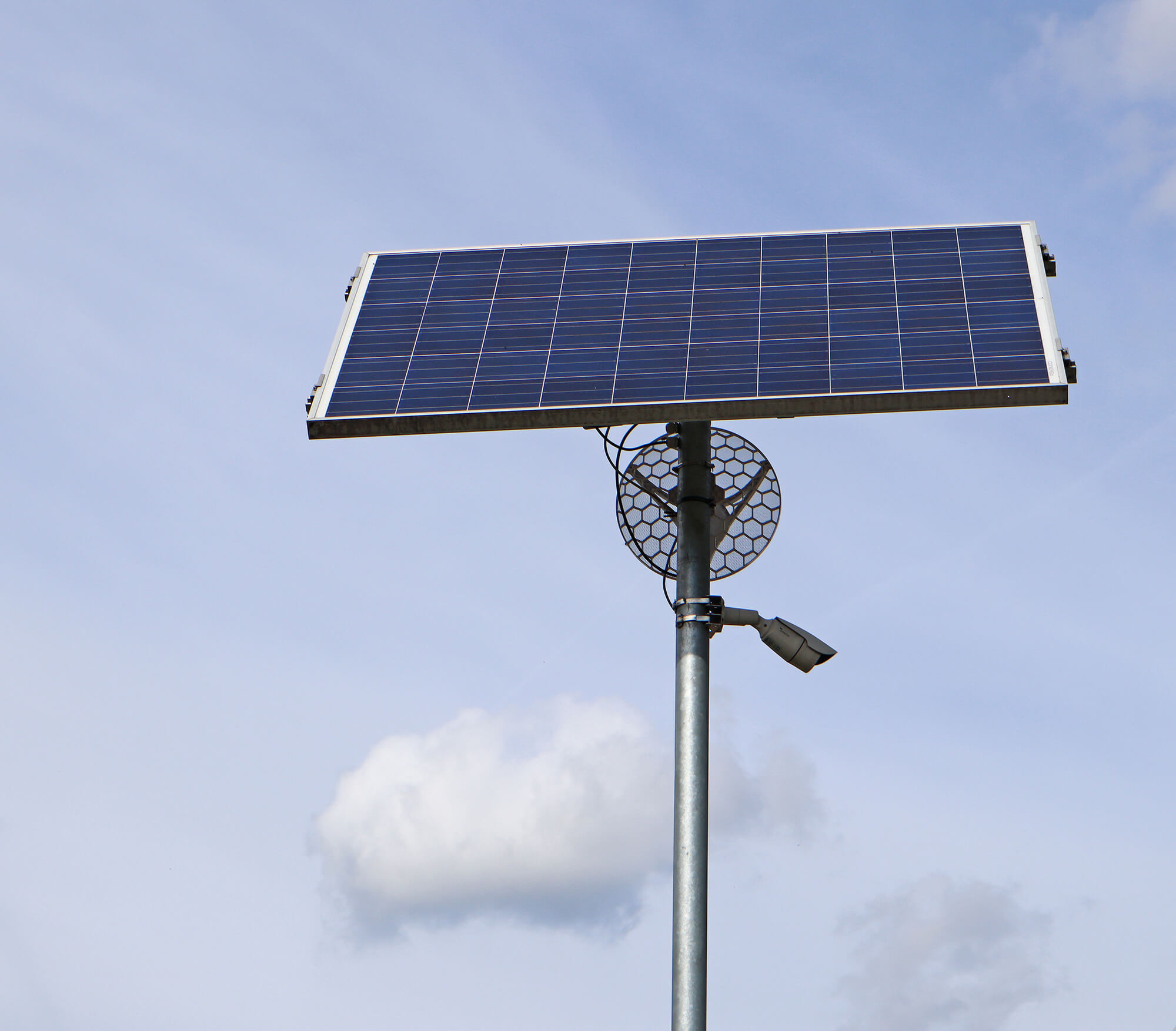
Rooftop solar is the default for most homeowners, but it’s not the only option. Pole-mounted systems place an array on a single or multi-pole structure on the ground, typically 8-15 feet tall. For properties with unshaded acreage, roofs too old or weak to support panels, or roofs facing the wrong direction, pole mounting is a smart alternative. Pole systems also enable tracking — automated or seasonal tilt adjustment to follow the sun’s path, boosting energy output 20–35% over fixed systems. This guide covers types of pole mounts, installation costs, permitting, when pole mounting makes sense, and how to compare them to roof and ground-mount options.

You’ll learn the structural requirements (footings, foundations, wind load ratings), how single-axis tracking works and what it costs, maintenance advantages of easy panel access, and the trade-offs: longer wire runs, space requirements, and higher installation labor. By the end, you’ll know whether a pole-mounted system is right for your property and what to budget for installation.

Pole-Mount System Types: Fixed vs. Tracking

Fixed Pole Mount: Panels are tilted at a fixed angle (typically 25–35° in most of the US) and don’t move. Simple, reliable, no moving parts. Cost: $1200–$2500 for the mounting structure, hardware, and installation per pole. Most common for residential systems.

Single-Axis Tracking (Seasonal): Panels are adjusted 2–4 times per year to track the sun’s seasonal path. Summer: shallow angle (15–20°). Winter: steep angle (45–55°). Adjustments take 1–2 hours and are done manually or with a hand crank. Cost: $2000–$4000 per pole system. Output gain: 5–10% annually over fixed.

Single-Axis Tracking (Automated): Motors automatically adjust panels throughout the day, tracking the sun’s hourly position. Output gain: 20–35% over fixed systems. Cost: $5000–$10,000 per pole for the tracking mechanism alone, plus installation. Requires reliable sunlight; cloudy climates see diminishing returns. More common in commercial and large residential systems in the Southwest.

Dual-Axis Tracking: Panels move both east-west (hourly) and north-south (seasonal). Highest output: 30–40% gain over fixed. Cost: $8000–$15,000+. Complexity and maintenance costs often outweigh benefits for residential systems; primarily used in utility-scale plants.

For most residential properties, fixed or seasonal single-axis pole mounts offer the best cost-to-benefit ratio.

Pole Mount Structure and Foundation Design

A pole-mounted solar system relies on proper structural design to handle wind, snow, and ground movement:

Single-Pole vs. Multi-Pole: Single-pole mounts (one vertical post) work for arrays up to 6–8 kW in moderate climates. Larger systems or high-wind areas require multi-pole frames for stability. Multi-pole bases are wider (8–12 feet) and more stable in heavy wind.

Foundation Types:
Concrete Pier (Most Common): Hole dug 3–4 feet deep (below frost line), concrete footing poured, steel post bolted to footing. Cost: $1500–$3000 per pole including excavation and concrete. Lasts 25–50 years if properly drained.

Ground Screw (Anchor System): Large screw anchors twisted into the ground (no digging required). Cost: $800–$1500 per pole. Faster installation, lower labor. Works well in softer soil; less suitable for rocky terrain.

Ballasted (Non-Penetrating): Heavy concrete or steel weights hold the frame down. No soil disturbance. Used in sensitive areas (archaeological sites, wetlands) or where digging is prohibited. Cost: $2000–$4000+ (concrete alone is heavy). Requires flat, level ground.

Your local soil type and frost line determine which method works. A structural engineer’s assessment may be required if your area has deep frost or loose soil. Budget $500–$1500 for an engineer’s site assessment and recommendations.

Pole-mounted solar panel system in a field

Wind and Snow Load Ratings

Pole-mounted arrays face more wind exposure than rooftop systems. Wind load capacity is critical:

Wind Rating Basics: Structures are designed for a specific wind speed. A “120 mph design wind” means the structure withstands 120 mph winds without failure. Most residential areas require 90–120 mph design wind; hurricane zones require 150+ mph.

How Pole Height Affects Wind Load: A taller pole experiences higher wind speeds and greater moment (twisting force). A 8-foot pole in a 100 mph wind experiences less force than a 15-foot pole in the same wind. Manufacturers provide wind load tables; verify your system’s rating matches your local building code requirement (ask your local building department).

Snow Load: In snowy climates, snow accumulation adds weight. A 6-inch snow pack adds 10–15 lbs/sq ft to the array. Pole mounts can be tilted at a steep angle (45°+) to shed snow; rooftop systems can’t. Steep tilt has trade-offs: lower winter generation (sun angle is lower in winter, so steep tilt isn’t optimal) but excellent snow shedding.

Trade-off: An optimal tilt for generation (25–35°) in a snowy climate may accumulate snow, adding weight and potentially requiring manual clearing. A steep tilt (45°+) sheds snow but generates less energy in winter. Some systems use seasonal adjustments: steep in winter for snow shedding, shallow in summer for generation.

Installation Labor and Cost Breakdown

Pole-mount installation is more labor-intensive than roof mounting because of foundation work:

Typical Costs for a 5 kW System:
– Solar panels: $2000–$2500 (same as roof mount)
– Mounting structure: $1500–$2500
– Foundation (concrete pier): $1500–$3000
– Wiring and electrical (longer runs): $1000–$2000
– Labor (installation, foundation work): $2500–$5000
– Permitting: $500–$1500

Total: $9000–$16,500 (roughly $1.80–$3.30/watt). Rooftop systems typically cost $8000–$14,000 for the same 5 kW (roughly $1.60–$2.80/watt), so pole mounting adds $1000–$2500 in foundation and labor costs.

The extra cost is offset by advantages: easier future maintenance (no roof work needed), better access for cleaning panels, and the option to add tracking later. For properties where rooftop isn’t viable (poor orientation, tree shade, roof too old), pole mounting may actually be cheaper than roof reinforcement or tree removal.

Wire Run and Distance Costs

Pole mounts installed far from the house require longer electrical runs. Longer wires mean higher voltage drop losses and more conduit:

Voltage Drop Loss: Electricity loses voltage over distance. A 100-foot wire run from a pole to an inverter can lose 2–5% of power. For a 5 kW array, that’s 100–250 W. It’s not huge but impacts annual output by $20–$60 worth of energy. Use larger-gauge wire (thicker) to reduce loss; each gauge increase costs $20–$50 per 100 feet.

Conduit and Installation: If the wire run isn’t buried, above-ground conduit (PVC or steel) is required for code compliance. Cost: $500–$2000 for a 100-200 foot run depending on terrain and depth (below-ground runs are more expensive due to trenching labor).

Practical Guideline: Pole-mounted systems work best within 100 feet of the house. Beyond that, voltage drop and wire costs become significant. If your ideal sunny spot is 200+ feet away, consider roof mount or ground mount closer to the house, or run a longer buried trench with larger conduit.

Permitting and Setback Requirements

Pole-mounted systems require site plan review and setback compliance:

Setbacks: Most jurisdictions require pole-mounted systems to be set back from property lines by at least 5–10 feet (varies by code). Height restrictions may also apply — some areas limit structures to 15–20 feet; others allow taller. Check your local zoning ordinance.

Neighbor Considerations: Although solar is a permitted use in most areas, a tall pole mount near a neighbor can cast shadows or be visually intrusive. Some jurisdictions require neighbor notification or approval. Proactive communication avoids legal disputes.

Permitting Timeline: Pole-mounted systems often take longer to permit than roof mounts because they involve structural and foundation review. Budget 8–12 weeks for plan review and approval. Some jurisdictions fast-track renewables; others are slower.

Seasonal Tilt Adjustment Strategy

If you opt for manual seasonal adjustment, here’s how to optimize it:

Spring (March): Tilt to 25–30° (summer angle). By late spring, sun is high; shallow angle maximizes generation.

Fall (September): Tilt to 45–50° (winter angle). Lower sun angle requires steeper tilt. Also helps shed accumulated leaves or light snow before winter.

Winter Snow Shedding: In climates with heavy snow, keep tilt at 45–55° all winter. Even if generation is lower, you avoid manual snow removal (which is dangerous and time-consuming). Snow sheds naturally off a 45° surface.

Seasonal adjustment takes 30–60 minutes per change and adds 5–10% annual output. It’s a low-tech, low-cost strategy compared to automated tracking.

Pole-Mount vs. Ground-Mount vs. Rooftop: When to Choose Pole

Choose Pole Mount If:
– Roof is shaded (tree coverage, adjacent buildings)
– Roof is too old (replacement would be expensive anyway)
– Roof faces north or east/west (suboptimal for south-facing solar)
– You have unshaded acreage
– You want easy future maintenance access
– You want the option to add tracking later

Choose Ground Mount If:
– You have space and the budget is flexible
– You want the lowest-cost per-watt (no roof penetrations, simple labor)
– Your property is very large (utility-scale approach)

Multiple pole-mounted solar panels in a field

Choose Rooftop If:
– Roof is new, structurally sound, and south-facing
– Property is small or urban (limited ground space)
– You want the simplest, fastest installation
– Pole mounts would be visually intrusive

Each has trade-offs. Pole mounts cost more upfront but offer flexibility, easy access, and potential for future optimization (tracking, tilt adjustment, expansion). Rooftops are cheaper if the roof is suitable, but you’re limited by roof orientation and size.

Maintenance and Cleaning Advantages

One underrated advantage of pole mounts: easy panel cleaning and access.

Rooftop Systems: Cleaning requires getting on the roof (safety hazard) or hiring a professional ($100–$300 per cleaning). Many homeowners skip cleaning; panels gradually accumulate dust, bird droppings, or pollen, reducing output by 5–25%.

Pole-Mount Systems: Panels are at 8–12 feet (accessible with a ladder). You can safely clean them yourself with a brush and water hose. Quarterly or annual cleaning takes 30 minutes and costs nothing. Cleaner panels = 3–5% higher annual output.

If you’re in a dusty climate (desert, agricultural area) or near trees (pollen, leaves), the maintenance advantage of pole mounts is real and worth factoring into long-term ROI.

Frequently Asked Questions

Can I install a pole-mounted system myself?

Foundation and structural work requires professional design and installation — it’s not a DIY project. Electrical connections must be code-compliant and inspected by the local authority. However, if you have construction experience, some installers allow homeowner assistance with non-structural tasks (clearing the area, helping with material handling). Most installers include all labor in the quote. Ask if they allow supervised DIY participation and whether it reduces cost.

What if I want to add more panels later?

A properly designed pole mount can be expanded. Ask your installer to oversize the foundation (deeper footings, thicker post) for future expansion. Adding more panels to the same pole costs less (same foundation) than installing a second pole. Plan for 20-30% growth in your initial design if expansion is likely.

How tall is too tall for a pole mount?

Residential pole mounts typically max out at 12–15 feet for single-pole systems, 20+ feet for multi-pole frames. Height is limited by: (1) wind load (taller = more wind exposure), (2) local zoning code (some limit to 15 feet), (3) visibility/aesthetics, and (4) structural cost (taller posts are more expensive). Ask your local building department what the height limit is for your property.

Does a pole-mounted system add to property taxes?

Solar systems (rooftop or ground-mounted) are typically exempt from property tax increases in most states under renewable energy tax incentives. However, a few states or municipalities may treat large pole-mounted systems differently. Check your state’s solar property tax exemption policy with your local assessor. The 30% federal ITC applies to pole mounts same as rooftop systems through 2032.

What happens to the ground under a pole mount?

The ground around a concrete pier footing can remain grass or garden; there’s no need for pavement. If the footing is properly drained, water should flow away and not pool. Some homeowners plant grass around the pole for aesthetics. Ground screw anchors are minimally intrusive — just a small disturbed area around the anchor point. You can mow or farm around the system without issues.

Can I use a pole mount with battery storage?

Absolutely. Pole-mounted arrays pair well with batteries for off-grid or backup power systems. The installation is identical: panels on the pole, wiring runs to a battery and inverter (usually installed in the house or a shed nearby). The benefit: your battery backup is independent of roof limitations. For off-grid properties, pole mounts are often preferred because they maximize generation with minimal roof footprint.

Summing Up

Pole-mounted solar systems are a practical alternative to rooftop installations when roof space is limited, shaded, or structurally unsuitable. While they cost $1000–$2500 more than equivalent rooftop systems due to foundation and labor, they offer advantages: easy access for maintenance, flexibility for future optimization (seasonal tilt, tracking, expansion), and no roof penetration (important if your roof is aging). In climates with significant snow, pole mounts with manual seasonal tilt adjustment offer excellent snow shedding and can be maintained safely from the ground. For properties with unshaded acreage and the option to add automated tracking, pole-mounted systems can deliver 20–35% more energy than fixed rooftop systems, potentially offsetting the higher upfront cost over 10–15 years. The federal Investment Tax Credit of 30% applies to pole mounts through 2032, further improving economics.

If you’re considering a pole-mounted system or aren’t sure if it’s right for your property, our solar engineers can assess your site, provide structural recommendations, and compare pole mount vs. rooftop economics. Call (855) 427-0058 for a free site evaluation. We’ll model your system options and help you understand the long-term benefits and costs. Visit us.solarpanelsnetwork.com to explore your solar potential.

Updated