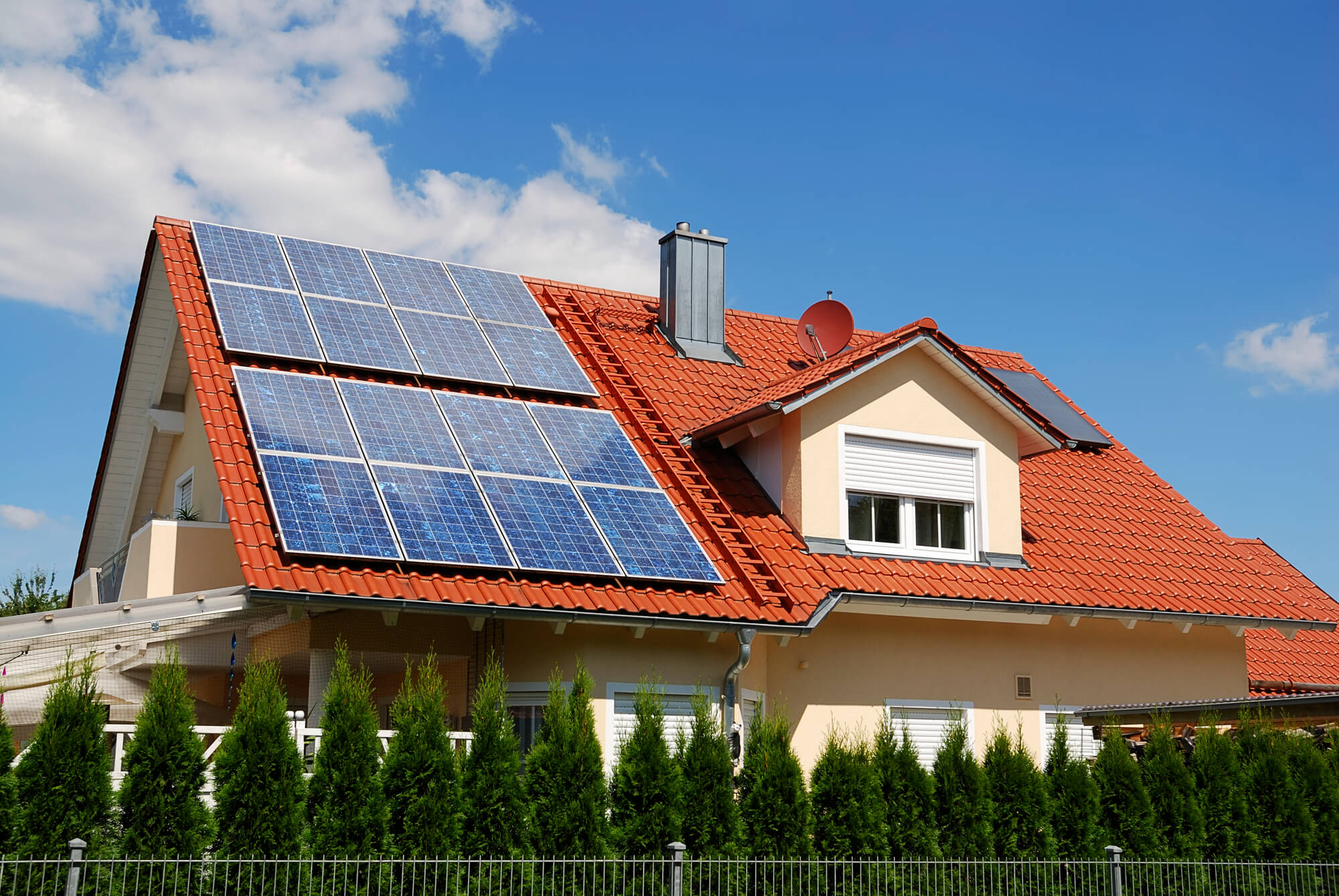
Selling a house with solar panels is generally a positive: studies consistently show solar adds to home value and helps properties sell faster. But whether those panels are owned outright or financed through a lease changes the picture entirely. Understanding the distinction — and knowing how to present solar to buyers — is what determines whether panels become a selling advantage or a negotiating headache.
This guide covers everything sellers need to know: the home value premium data, how leased systems are handled in a sale, the transfer process, buyer financing implications, and how to handle buyers who are uncertain about solar.
Contents
- 1 Do Solar Panels Increase Home Value When You Sell?
- 2 Owned vs. Leased Solar: How Ownership Status Changes Everything
- 3 The Solar Lease Transfer Process
- 4 How Solar Leases Affect Buyer Financing
- 5 How to Present Solar to Potential Buyers
- 6 Do Solar Panels Help Homes Sell Faster?
- 7 What If the Buyer Doesn’t Want the Solar Panels?
- 8 Frequently Asked Questions
- 9 Summing Up
Do Solar Panels Increase Home Value When You Sell?
Yes — if the system is owned. The most widely cited figure comes from a Lawrence Berkeley National Laboratory (LBNL) study analyzing 22,000 home sales across eight states, which found buyers paid a premium of approximately $4 per watt of installed solar capacity. For a typical 6 kW system, that translates to a roughly $24,000 value premium.
Zillow research corroborates this directionally, finding that homes with solar panels sell for about 4.1% more than comparable homes without them. On a $400,000 home, that’s a $16,400 premium.
The premium varies by market. High-electricity-rate states like California, Massachusetts, and New York show stronger premiums because the value of the system’s future energy savings is higher. In low-rate markets, the premium is smaller but still typically positive.
| System Size | LBNL Premium ($4/W) | Zillow Premium (4.1%) |
|---|---|---|
| 4 kW | $16,000 | Based on sale price |
| 6 kW | $24,000 | Based on sale price |
| 8 kW | $32,000 | Based on sale price |
| 10 kW | $40,000 | Based on sale price |
Important caveat: Appraisers determine value, and appraisal methodologies for solar vary widely. Some appraisers use the income approach (capitalizing energy savings), others use the sales comparison approach. If comparable sales with solar in your area are limited, the appraised value increase may be less than the market premium data suggests. Document your system’s production history and energy savings to give appraisers concrete data.
Owned vs. Leased Solar: How Ownership Status Changes Everything
This is the most important distinction in a solar home sale. Owned systems and leased systems are handled completely differently.
Owned systems (purchased outright or with a paid-off solar loan) transfer with the home as part of the sale. The buyer inherits a fully-owned asset with no ongoing obligations. These systems add the most value and create the fewest complications in a sale.
Financed systems with a solar loan are similar to owned systems — the homeowner owns the panels and the loan is their personal debt. The loan does not automatically transfer to the buyer. Sellers typically either pay off the loan at closing from sale proceeds, or the buyer assumes the loan (if the lender permits). Confirm your payoff amount before listing.
Leased systems and PPAs (Power Purchase Agreements) are fundamentally different. In a lease or PPA, a third-party company (SunPower, SunRun, Tesla Energy, etc.) owns the panels. You pay either a fixed monthly lease payment or a per-kWh rate for the electricity they produce. When you sell the home, you have two options:
- Transfer the lease/PPA to the buyer — The buyer assumes your agreement with the solar company, including all remaining payments. The solar company must approve the buyer’s credit.
- Buy out the lease — Pay the solar company the buyout amount (typically the net present value of remaining payments) and then the owned system transfers with the home.
Leased systems cannot be included in the appraised value because the homeowner does not own the asset. They may still make the home more attractive to buyers by lowering electricity bills, but they do not add to the appraised sales price the way owned systems do.
The Solar Lease Transfer Process
If you have a lease or PPA, the transfer process must begin early — ideally at or before listing. Here’s how it typically works:
Step 1 — Locate your agreement. Find your original lease or PPA contract. It will specify transfer rights, any restrictions, and the process for transferring to a new owner.
Step 2 — Contact the solar company. Notify your solar provider that you’re selling. Companies like SunRun, SunPower, and Tesla have dedicated home sale transfer teams. They’ll provide the transfer documents and disclose the process.
Step 3 — Buyer credit approval. The solar company will check the buyer’s credit. Most require a minimum credit score (often 650–700). If the buyer doesn’t qualify, they cannot assume the lease.
Step 4 — Disclose to buyers upfront. In most states, you’re legally required to disclose solar leases or liens. Disclose the monthly payment amount, the term remaining, and whether the rate escalates annually. Many leases have 2–3% annual escalators.
Step 5 — Coordinate at closing. The transfer paperwork is typically handled at or before closing. Build this timeline into your sale — lease transfers can take 2–4 weeks to process.
How Solar Leases Affect Buyer Financing
This is a critical issue many sellers overlook. When a buyer assumes a solar lease, that monthly payment may count toward their debt-to-income (DTI) ratio for mortgage qualification purposes — depending on the lender and loan type.
Under FHA and conventional lending guidelines, if the solar lease payment is clearly identified on title or the lease is recorded as a lien, lenders may include it as a monthly debt obligation. On a $200/month lease, this could reduce the buyer’s mortgage qualification by approximately $40,000–$50,000 (depending on their income and existing debts).
This means some buyers — particularly those at the limits of their DTI — may not qualify for financing if they assume your lease. Consult with a real estate attorney and be transparent with your agent about the lease terms before listing.
How to Present Solar to Potential Buyers
Buyers who don’t understand solar may view it as a complication. Your job is to make the value case clearly. Prepare a one-page solar summary that includes:
System specs: Panel brand, inverter type, total capacity (kW), and installation year. Panels from reputable manufacturers (SunPower, REC, LG, Q CELLS) reassure buyers.
Production history: Annual kWh produced for the last 1–3 years, pulled from your monitoring app (SolarEdge, Enphase, etc.). Show what the system actually produces versus what was estimated.
Electricity bill savings: Average monthly and annual savings on utility bills. This is the most compelling number for buyers — tangible ongoing savings.
Warranty status: Most panels carry 25-year production warranties. Inverter warranties are typically 10–25 years. State remaining warranty coverage.
Ownership confirmation: Clearly document that the system is owned (not leased) and free of any liens or encumbrances, if applicable.
Do Solar Panels Help Homes Sell Faster?
The data says yes, at least for owned systems. A Zillow analysis found homes with solar panels sell approximately 13–18 days faster than comparable homes without solar, on average. In high-electricity-cost markets, the speed premium is more pronounced because buyers place higher value on the energy savings.
Leased systems present a mixed picture. Some buyers see the lower electricity bills as attractive; others see the lease obligation as a complication and push back on price or walk away. Having a transparent, easy-to-understand explanation of the lease terms and a responsive solar company transfer team reduces friction.
What If the Buyer Doesn’t Want the Solar Panels?
For owned systems, buyers occasionally request panel removal — though this is uncommon and inadvisable. Removing solar panels requires patching the roof penetrations, reinstalling any removed roofing material, and disconnecting and capping the electrical wiring. Costs typically run $1,500–$5,000 depending on system size and roof type. The removed panels have limited resale value.
If a buyer insists on removal as a condition of sale, the cost can be negotiated as a credit or seller concession. However, most real estate agents recommend simply finding a different buyer — removing a functioning solar system to satisfy one buyer is rarely the right financial decision.
Frequently Asked Questions
Do I need to disclose solar panels when selling my house?
Yes, in most US states you’re required to disclose material facts about the property, and a solar lease or PPA is a financial obligation that must be disclosed. Even for owned systems, most sellers include system details in the MLS listing and disclosure documents. Failure to disclose a lease could expose you to legal liability after closing.
Can a buyer refuse to take over a solar lease?
Yes. If the buyer doesn’t want to assume the lease and you can’t afford to buy it out, it can complicate or kill the sale. This is why it’s worth knowing your buyout cost before listing and factoring that into your pricing strategy if needed.
Does leased solar add value to a home sale?
Not in the appraised sense — appraisers cannot add value for equipment the homeowner doesn’t own. However, leased solar may make the home more appealing to buyers who value lower electricity bills, even if it doesn’t increase the formal appraised value. The distinction between market appeal and appraised value matters for financing.
What happens to the solar tax credit when I sell?
The federal Investment Tax Credit (30% ITC, available through 2032) is claimed in the year of installation. If you’ve already claimed it, there’s nothing to transfer — it’s a one-time credit the original installer claimed. The buyer cannot claim it again. However, if you installed solar this year and sell before filing your taxes, you typically still claim the credit on your own return as the original owner.
Do I need a HELOC payoff at closing if I financed solar?
If you used a home equity loan or HELOC to finance solar, that lien must be paid off at closing like any other mortgage or home equity debt. The payoff amount comes from the sale proceeds. This is different from a solar loan in your name — some solar loans are unsecured personal loans with no lien on the property. Check your original financing documents.
Summing Up
Owned solar panels are one of the few home improvements with a documented positive return at resale — the $4/watt premium and faster sale times make a compelling case for solar as both an energy and investment decision. The complications arise primarily with leased systems, where transfer logistics, buyer credit approval, and DTI implications require early planning and clear communication.
The most important actions for any solar-equipped seller: know your ownership status, calculate your lease buyout cost if applicable, prepare a clear solar summary for buyers, and disclose everything upfront. Buyers who understand exactly what they’re getting — and see the electricity bill savings — will see solar as an asset, not an obstacle.
If you’re considering installing solar before selling, or you’re a buyer evaluating a solar home, contact Solar Panels Network USA at (855) 427-0058 for a free consultation. Our advisors can help you understand system value, ownership structures, and how solar factors into your specific transaction.
Updated