

Most solar panels are rectangular — but that’s not the whole picture. The shape of a solar panel is determined by the shape of its constituent solar cells, the arrangement of those cells, and the application the panel is designed for. Standard residential and commercial panels use a conventional rectangular layout, while specialty products for RVs, boats, curved surfaces, and architectural integration come in various other shapes.
This guide covers the common and specialty shapes of solar panels, why they’re shaped the way they are, and which applications call for non-standard form factors.
Standard Rectangular Solar Panels
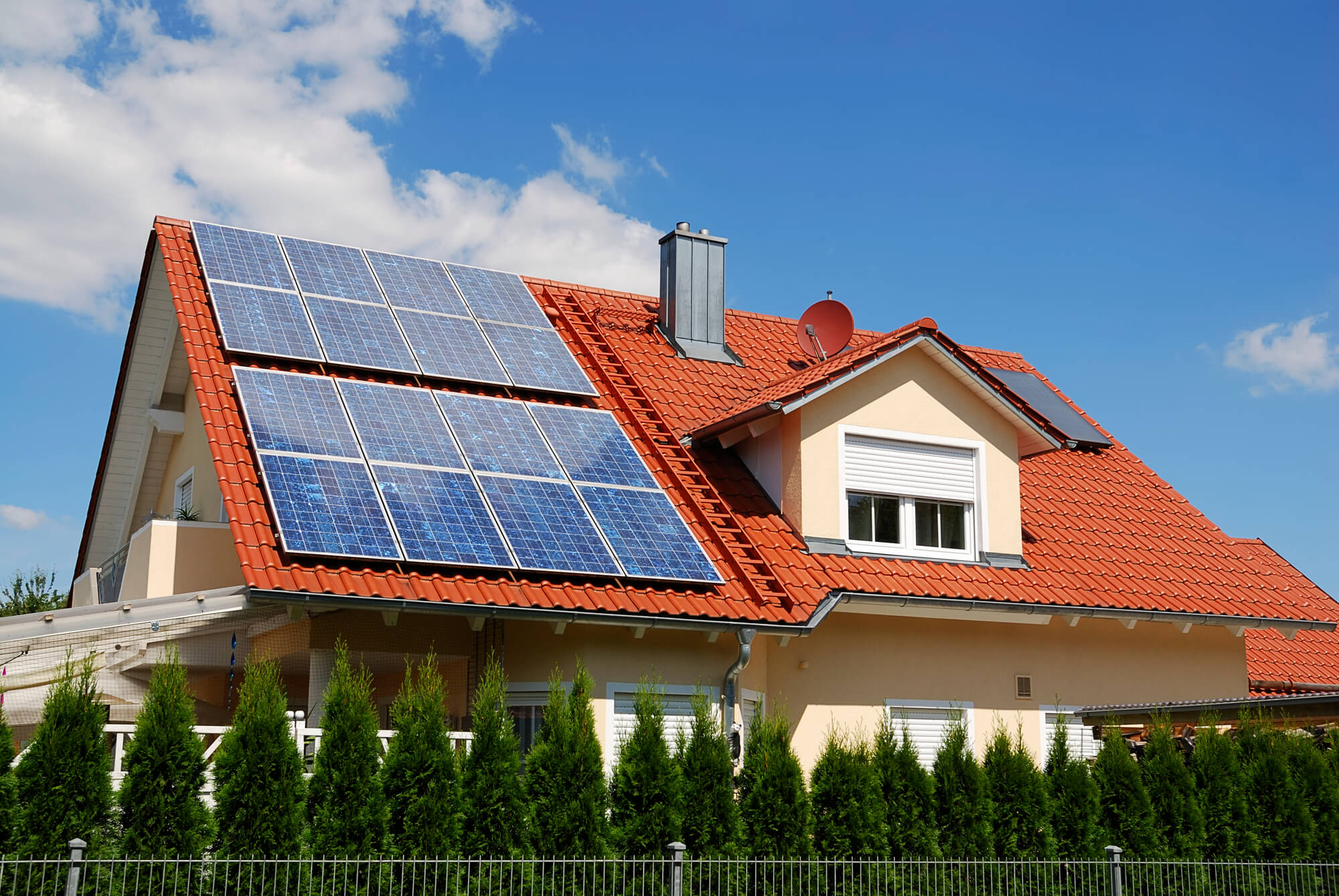
The vast majority of solar panels — residential, commercial, and utility-scale — are rectangular. The standard shape reflects the manufacturing process: silicon ingots are grown in cylindrical or square formations, sliced into square or pseudo-square wafers (with clipped corners on monocrystalline), then assembled in a grid pattern that naturally produces a rectangular panel.
60-cell panels (older standard): A 6×10 cell grid, producing panels approximately 1,650mm × 990mm (65″ × 39″). Common on panels produced before 2020. Wattage ranged from 300–350W. Rare in new 2026 production.
72-cell panels (commercial legacy format): A 6×12 cell grid, producing taller panels approximately 1,980mm × 990mm (78″ × 39″). Used in commercial and utility installations for the higher wattage per panel. Still produced but largely superseded by larger-format panels.
Current large-format panels (2024–2026 production): Manufacturers have moved to larger silicon wafers (M10: 182mm, G12: 210mm) and more cells per panel. Current residential and commercial panels are typically 60-cell or 66-cell in large-wafer format, measuring approximately 1,722mm–2,100mm × 1,100mm–1,140mm. Wattage ranges from 420W to 600W+ per panel. The rectangular format is retained, just larger and heavier (28–35 kg vs 20–22 kg for older 60-cell panels).
Half-cut panels: These are rectangular panels where the cells are cut in half (120 half-cells instead of 60 full cells, arranged in two sub-strings of 60). The physical panel shape remains rectangular and similar in size to standard panels. The half-cut architecture improves shading tolerance and reduces resistive losses — the panel looks the same from outside but performs differently under partial shading.
Square Solar Panels
True square solar panels are uncommon in residential applications. Some very small solar modules for garden lights, sensors, and IoT devices use square formats (50mm × 50mm, 100mm × 100mm, etc.) because they integrate more easily into compact product designs. A few specialty architectural BIPV panels are produced in square or near-square formats for facade integration where square geometry matches building module dimensions.
Small off-grid and hobby solar panels (1W–20W range) often come in square or nearly square formats, reflecting simpler cell arrangements (e.g., 4×4 or 6×6 cell grids).
Flexible Solar Panels (Non-Rigid, Conformable)
Flexible solar panels are thin-film or thin crystalline silicon panels that can bend to match curved surfaces. Their shape when deployed depends on the surface they’re mounted on, making them functionally non-rectangular in application:
ETFE-laminate flexible panels: Flat when unrolled, but can flex to a radius of approximately 30° or more during installation on curved RV roofs, boat decks, or van roofs. Sold as rectangles but installed conforming to surface curvature. Efficiency: 20–23% for premium ETFE flexible panels using monocrystalline cells. ETFE (ethylene tetrafluoroethylene) provides UV resistance and durability vs. cheaper PET-laminate flexible panels.
Portable foldable solar panels: Sold as rectangular or square panels that fold (in half, thirds, or quarters) for portability. When deployed, they’re approximately rectangular. Common in 100W, 200W, and 400W sizes for camping, overlanding, and emergency power.
Thin-film flexible panels: CIGS (copper indium gallium selenide) or amorphous silicon deposited on flexible substrates. Used in specialized applications: military field power, marine applications, integrated into soft goods (bags, tents). Efficiency lower (10–15%) than crystalline panels but extremely lightweight and fully conformable.
Non-Rectangular Specialty Shapes
Triangular solar panels: A specialty product designed for triangular or unusual roof sections — hip roofs with triangular end sections, A-frame structures, or architectural features with angled geometry. Made by cutting standard panels or by manufacturing custom cell arrangements. More expensive per watt than standard panels due to custom fabrication. Available from specialty BIPV manufacturers.
Hexagonal solar panels: Used primarily in decorative contexts and novelty applications. Not commercially significant for energy production due to poor roof coverage compared to rectangles. Some architectural concepts explore hexagonal modules for facade integration.
Roof tile / shingle format: Tesla Solar Roof glass tiles are roughly rectangular but much smaller than standard panels — individual “active” tiles approximately 430mm × 390mm, designed to look like conventional roofing tiles when installed. The shape serves an aesthetic purpose (appearing like standard roofing) rather than optimizing for per-tile energy production.
Round and circular cells: Some early solar panels (particularly from the 1970s–80s) used round silicon cells before square-wafer slicing became standard. Round cells waste space in a rectangular panel due to gaps at corners. Circular concentrating solar cells are used in CPV (concentrating photovoltaic) systems that focus sunlight onto small high-efficiency cells using lenses.
Why Panel Shape Matters for Installation
Standard rectangular panels optimize roof coverage: For pitched roofs, standard rectangles tile efficiently with minimal wasted space. Racking systems are designed around standard panel dimensions — non-standard shapes require custom racking or mounting solutions.
Panel orientation matters too: Standard residential panels can be mounted in portrait (tall) or landscape (wide) orientation, depending on racking system and roof geometry. Many installers default to portrait for residential, landscape for commercial. Half-cut panels have specific preferred orientations because of their two-submodule electrical architecture.
Roof shape affects which panel sizes work: A narrow hip roof section may only fit a single column of panels. Very large panels (2.1m × 1.14m, as typical in G12 format) may not physically fit in constrained roof areas accessible only through tight eaves. Standard 66-cell M10 panels (1.72m × 1.13m) are more flexible for residential installations.
Frequently Asked Questions
What shape are most solar panels?
The vast majority of solar panels are rectangular. Standard residential panels measure approximately 1,700–2,000mm tall and 1,000–1,150mm wide (67″–79″ × 40″–45″). This shape reflects the manufacturing process — silicon cells are square or pseudo-square and arranged in a rectangular grid. The rectangular shape also tiles efficiently on flat or pitched roofs and integrates with standard rail-based racking systems. Non-rectangular panels (triangular, flexible conformable, round) exist for specialty applications but represent a very small fraction of total installations.
What are the different sizes of solar panels?
Solar panels range from small 5W panels for garden lights to 600W+ utility-scale modules. Common residential and commercial sizes (2026): compact residential panels at 400–420W (approx 1,722mm × 1,134mm), standard large-format panels at 430–480W (approx 1,800–1,900mm × 1,100mm), and large-format commercial panels at 500–600W+ (up to 2,100mm × 1,100mm). Portable panels come in foldable 100W, 200W, and 400W formats. Rooftop solar installations use full-size panels; balcony plug-in systems often use 200W–400W portable or semi-rigid panels.
Do solar panels come in different shapes for curved roofs?
Flexible solar panels can conform to slightly curved surfaces — they’re designed for RV roofs, boat decks, and van roofs with gentle curves (radius ≥ 30 cm). They’re sold as flat rectangles but installed conforming to the surface shape. For tightly curved surfaces (cylindrical, dome-shaped), thin-film flexible panels on very flexible substrates are the only viable option. Standard rigid panels cannot be curved without breaking — they must be installed on flat or nearly flat mounting structures, even if the underlying roof has some curvature.
Why do solar panels have rounded corners?
The rounded corners on solar cells (monocrystalline) reflect the manufacturing process. Monocrystalline silicon is grown as a cylindrical ingot, then squared off for efficient packing. The ingot corners, which extend beyond the squared cross-section, are trimmed, leaving rounded edges on the cells. The “pseudo-square” cell shape with rounded corners fits more efficiently in a given panel area than a circle but wastes less material than a perfect square cut from a cylinder. The panel frame itself is typically rectangular with sharp corners — the cell corners are only visible if you look closely at the dark areas between cells at panel edges.
Are there solar panels that fit in odd roof shapes?
For irregular roof sections — triangular hip ends, L-shaped areas, narrow strips between dormers — installers typically use standard panels mounted to fit the available area, leaving uncovered sections. Triangular specialty solar panels are available for hip roof triangular sections, though at a cost premium. Some BIPV manufacturers produce custom-format panels for architectural applications where standard rectangles won’t integrate aesthetically. For very small irregular sections, solar shingles or tiles (Tesla Solar Roof) can fill areas that standard panels can’t because they’re smaller and can be cut to fit at roof edges.
Summing Up
Solar panels are predominantly rectangular, shaped by the manufacturing process of square silicon wafers arranged in grid layouts. Current residential panels (2026) typically measure 1,722–2,100mm × 1,100–1,140mm and range from 400W to 600W. Specialty shapes include flexible panels for curved surfaces (RV roofs, boats), triangular panels for hip roof sections, small square panels for garden lights and IoT devices, and architectural BIPV products in custom formats. For standard residential solar installations, rectangular panels in portrait or landscape orientation provide the best coverage efficiency and are compatible with standard racking systems.
Updated