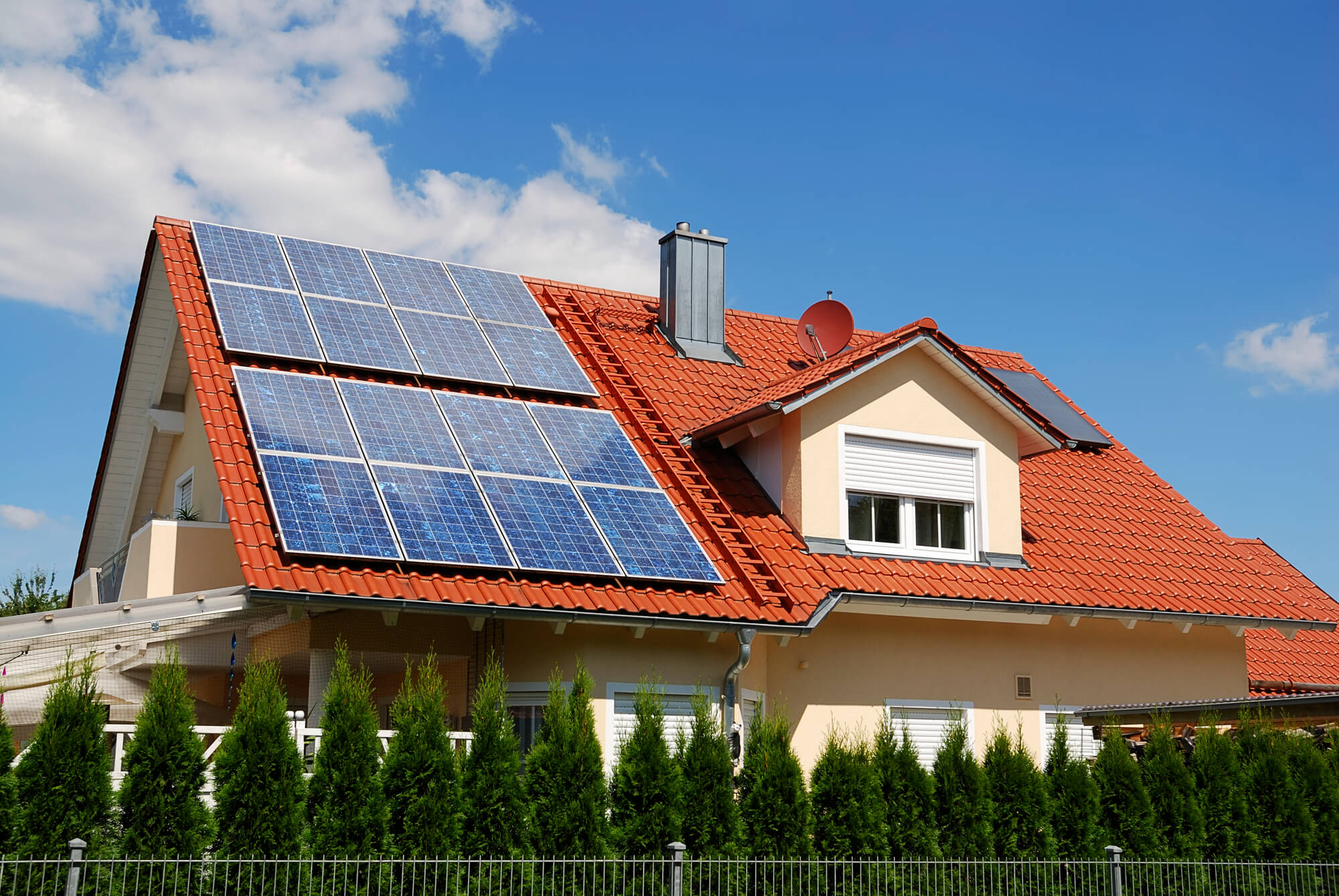
Solar energy has transformed electricity generation, but it introduces a challenge the grid was never designed to handle: massive amounts of intermittent, location-specific generation that peaks at noon and drops to zero at sunset. Smart grids are the technology layer that makes large-scale solar integration possible. Without smart grid infrastructure, adding more solar to the electricity system would create instability rather than reduce emissions.

This guide explains what smart grids are, how they work with solar energy, what technologies they use, and what this means for homeowners with solar panels.

What Is a Smart Grid?

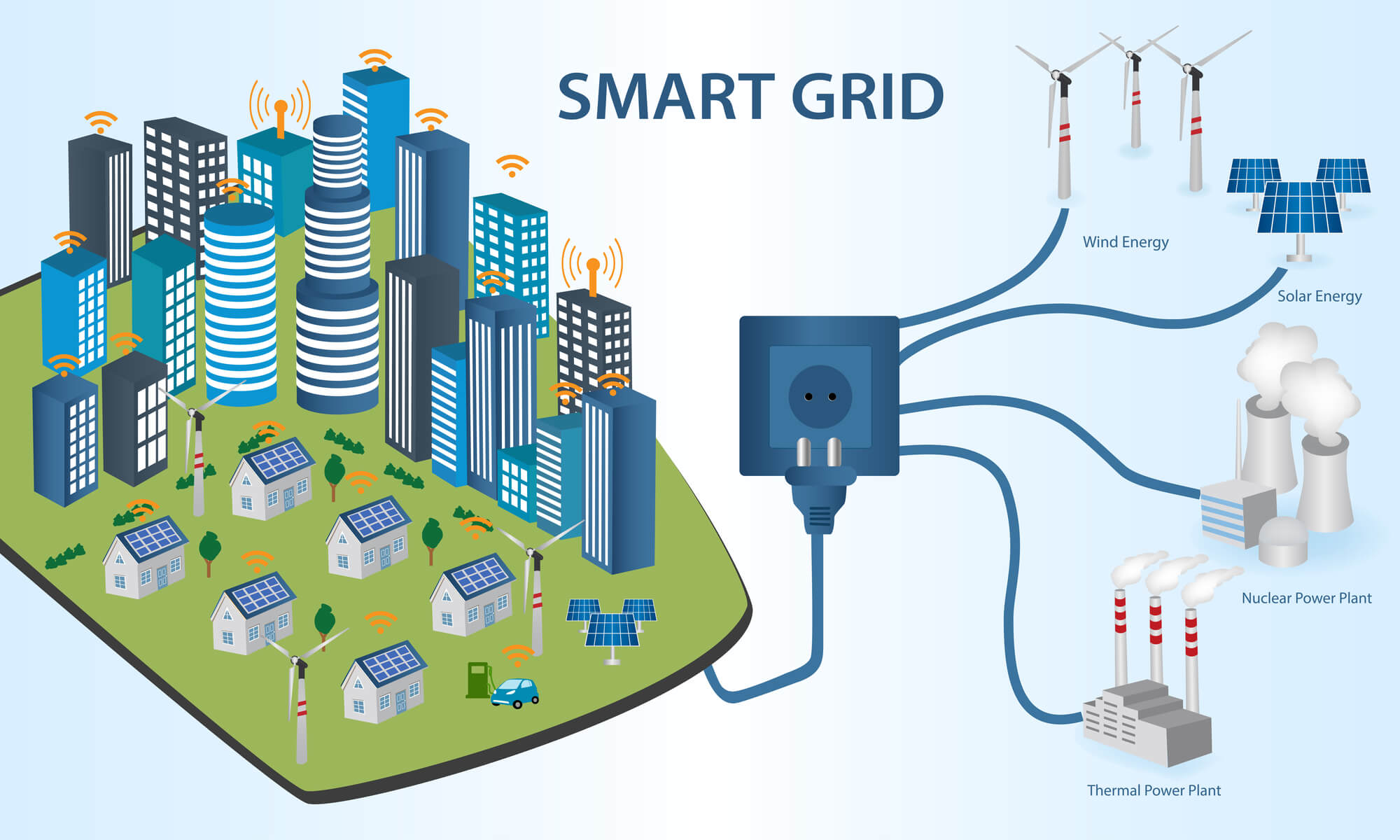
A traditional electrical grid moves power in one direction: from large centralized power plants, through transmission lines, down to homes and businesses. Smart grids add two-way communication, sensing, and automated control to every layer of this system, enabling power to flow in multiple directions and allowing grid operators to manage supply and demand in real time.

The core components of a smart grid include:

Advanced Metering Infrastructure (AMI): Smart meters at homes and businesses send energy consumption data to utilities in real time (or every 15 minutes), replacing monthly manual readings with continuous data streams. AMI enables time-of-use pricing, demand response programs, and accurate solar production accounting for net metering.

Distribution Automation: Sensors, automated switches, and remotely controlled devices throughout the distribution network detect faults, reroute power around problems, and restore service in minutes rather than hours. For solar-heavy grids, distribution automation manages the variability introduced by thousands of rooftop systems simultaneously ramping up or down.

SCADA and Energy Management Systems: Supervisory Control and Data Acquisition (SCADA) systems give grid operators real-time visibility and control over transmission and distribution infrastructure. Advanced energy management software uses predictive analytics and machine learning to forecast solar production and adjust grid operations accordingly.

Distributed Energy Resource Management Systems (DERMS): DERMS coordinate thousands of individual distributed resources — rooftop solar, batteries, EV chargers, smart thermostats — as a unified controllable fleet. A utility using DERMS can effectively dispatch residential solar-plus-storage systems to serve peak demand, treating them like virtual power plants.

How Smart Grids Enable More Solar

The electric grid was designed for predictable, dispatchable generation. Nuclear and coal plants run continuously; natural gas peakers fire up when demand spikes. Solar production is neither predictable nor dispatchable — it depends on weather and follows the sun, not demand patterns. Smart grid technologies solve this mismatch in several ways:

Demand Response: Smart grids shift electricity demand to match solar production curves. Utilities can send signals to smart thermostats, water heaters, and other controllable loads to run during peak solar production hours (typically 10 AM–2 PM), effectively storing energy in thermal mass. This reduces the need for expensive battery storage and avoids curtailment of solar generation during midday surplus periods.

Frequency Regulation: When solar production drops suddenly (cloud cover, storms), the grid frequency can drop if generators do not compensate instantly. Smart inverters — required for new solar installations in most US states — can detect frequency deviations and adjust their output within milliseconds, providing the same stabilization service that conventional generators provide with spinning turbines.

Voltage Management: High concentrations of rooftop solar in a neighborhood can push distribution voltage above safe limits, causing protective equipment to disconnect panels. Smart inverters with volt-VAR control actively manage local voltage by absorbing or injecting reactive power, allowing more solar to interconnect without grid upgrades.

Predictive Forecasting: Modern grid operators use satellite imagery, weather modeling, and machine learning to forecast solar production 15 minutes to 72 hours ahead. These forecasts allow conventional generators to be positioned correctly — neither over-committed (wasting money) nor under-committed (causing shortfalls) — reducing the reserve margin needed to backup solar generation.

Smart Grid Technologies for Solar Homes

Smart Inverters: The inverter connecting your solar panels to the grid is the interface point between your system and the smart grid. Modern grid-tied inverters support UL 1741-SA certification (IEEE 1547-2018), which enables communication with the utility grid, volt-VAR optimization, frequency ride-through, and remote monitoring. These capabilities are increasingly required by interconnection standards in California, Hawaii, and other high-solar-penetration states.

Smart Meters and Net Metering: AMI smart meters track solar export to the grid in 15-minute intervals, enabling accurate net metering credit calculations. Time-of-use (TOU) tariffs — which depend on AMI data — allow homeowners to maximize value from solar by matching export and import times to favorable rate periods.

Home Energy Management Systems (HEMS): Platforms like Tesla’s Energy App, Enphase IQ System Controller, and SolarEdge Home Energy Management coordinate solar, batteries, EV chargers, and smart appliances to minimize electricity costs and maximize self-consumption. These systems integrate directly with smart grid demand response programs.

Virtual Power Plants (VPPs): Utilities and energy aggregators enroll residential solar-plus-storage systems into VPPs — coordinated fleets of distributed resources dispatched collectively as a single resource in wholesale electricity markets. Participants receive bill credits or payments for allowing their systems to be optimized by the aggregator during grid stress events. Programs include Tesla Virtual Power Plant (California), Green Mountain Power (Vermont), and Sunrun Shift (multiple states).

Benefits for Homeowners with Solar

Higher Net Metering Value: Smart grid TOU rate structures can increase the value of solar exports. California’s NEM 3.0, for example, pays elevated rates for solar export during peak evening hours (4–9 PM), incentivizing battery storage that shifts daytime solar generation to the high-value export window.

Demand Response Income: Programs like PG&E’s SmartAC, Eversource’s Connected Solutions, and similar utility programs pay homeowners $50–$200 annually for allowing automated thermostat adjustments during grid stress events. Smart inverter and smart thermostat owners can participate without changing their behavior.

Faster Outage Restoration: Distribution automation reroutes power around faults in seconds to minutes, reducing outage frequency and duration in smart-grid-equipped territories. Homeowners with battery storage can also use grid outage signals to automatically island from the grid and power critical loads.

Better Solar Export Compensation: Real-time metering eliminates the estimation errors that occur with older analog meters, ensuring solar production is correctly credited. In some utilities, granular AMI data enables hour-by-hour export compensation rather than monthly netting.

Smart Grid Investment and Policy

The Bipartisan Infrastructure Law (2021) allocated $13 billion for grid modernization, including $3 billion specifically for smart grid technology demonstration and deployment. The global smart grid market was valued at $74.7 billion in 2026 and is projected to exceed $245 billion by 2034, driven by solar integration requirements and electrification of transportation and heating.

State-level grid modernization proceedings (California CPUC, New York REV, Illinois Future Energy Jobs Act) are accelerating smart grid deployment, with interconnection standards increasingly requiring advanced inverter capabilities and DERMS integration.

Challenges and Limitations

Cybersecurity: Connected grid infrastructure expands the attack surface for cyber threats. NERC CIP standards set mandatory cybersecurity requirements for bulk power system components; distribution system standards are less prescriptive but improving.

Privacy: AMI smart meter data reveals detailed household activity patterns. Opt-out provisions, data minimization requirements, and encryption standards vary by utility and state.

Interoperability: Equipment from different manufacturers often uses proprietary communication protocols, limiting integration. Open standards like IEEE 2030, OpenADR, and SunSpec address this but adoption is incomplete.

Equity: Smart grid investments have historically been concentrated in higher-income service territories. Ensuring low-income and disadvantaged communities benefit from smart grid upgrades — including solar access and demand response participation — is an active policy challenge.

Frequently Asked Questions

Do I need a smart grid to install solar panels?

No. Solar panels work on any grid — smart or traditional. However, smart grid infrastructure enhances solar value through TOU rate optimization, demand response participation, and accurate net metering credit. Homes in utilities with advanced AMI and TOU rates typically earn more from solar than those with flat-rate billing.

What is a smart inverter and do I need one?

A smart inverter is a solar inverter that supports advanced grid communication and control functions (IEEE 1547-2018 / UL 1741-SA). Most new solar installations in California, Hawaii, and other states require smart inverters under interconnection rules. Even where not required, smart inverters provide better grid support, remote monitoring, and compatibility with future VPP programs.

What is a virtual power plant and how do I join?

A VPP aggregates residential solar and battery systems into a dispatchable grid resource. Participation typically requires a compatible inverter and battery system (Tesla Powerwall, Sunrun, Enphase IQ), enrollment through your utility or an aggregator, and agreement to allow automated system dispatch during grid events. Benefits include bill credits, cash payments, or rate discounts. Contact your utility or installer to check available programs in your area.

How does smart grid technology affect net metering?

Smart metering enables more sophisticated net metering compensation, including time-of-use (TOU) rates that vary export compensation by time of day, and real-time net metering that credits exports hour by hour rather than netting monthly. California’s NEM 3.0 is the most prominent example of a TOU net metering regime that smart grid infrastructure makes possible.

Will future smart grid changes affect my existing solar system?

Potentially. As states update interconnection standards (requiring smart inverter capabilities), installers offer grid services through VPPs, and utilities change net metering compensation structures, the value and operation of your solar system can change. Choosing an installer who offers smart inverter hardware and monitoring that is compatible with evolving utility programs protects long-term value.

Summing Up

Smart grids and solar energy are mutually enabling technologies. Solar provides the low-cost, zero-emission generation that grids need to decarbonize; smart grids provide the flexibility, visibility, and control that makes high solar penetration reliable. For homeowners, smart grid features — TOU rates, demand response programs, VPP participation — meaningfully improve the economics of solar investment. The right installer can configure your system to take full advantage of these programs from day one.

Contact Solar Panels Network USA at (855) 427-0058 for a free solar assessment that accounts for your utility’s rate structure, net metering rules, and smart grid programs to maximize your system’s return on investment.

Updated