
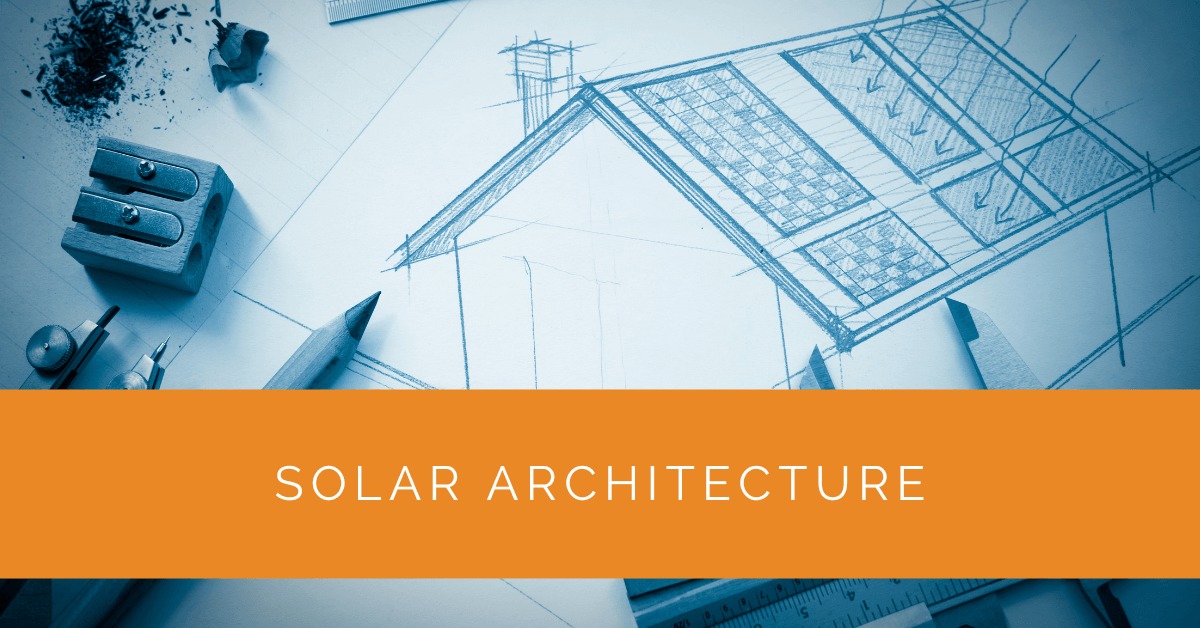
Solar architecture refers to the design of buildings that intentionally integrate solar energy strategies — either through building-integrated photovoltaics (BIPV), passive solar design principles, or both. At its core, solar architecture treats the building itself as a solar energy system, orienting windows, overhangs, thermal mass, and solar panels to maximize energy capture while maintaining architectural integrity.
This guide covers the major categories of solar architecture — from passive solar design fundamentals to advanced BIPV products — and explains how these principles are applied in residential and commercial buildings in 2026.
Passive Solar Architecture
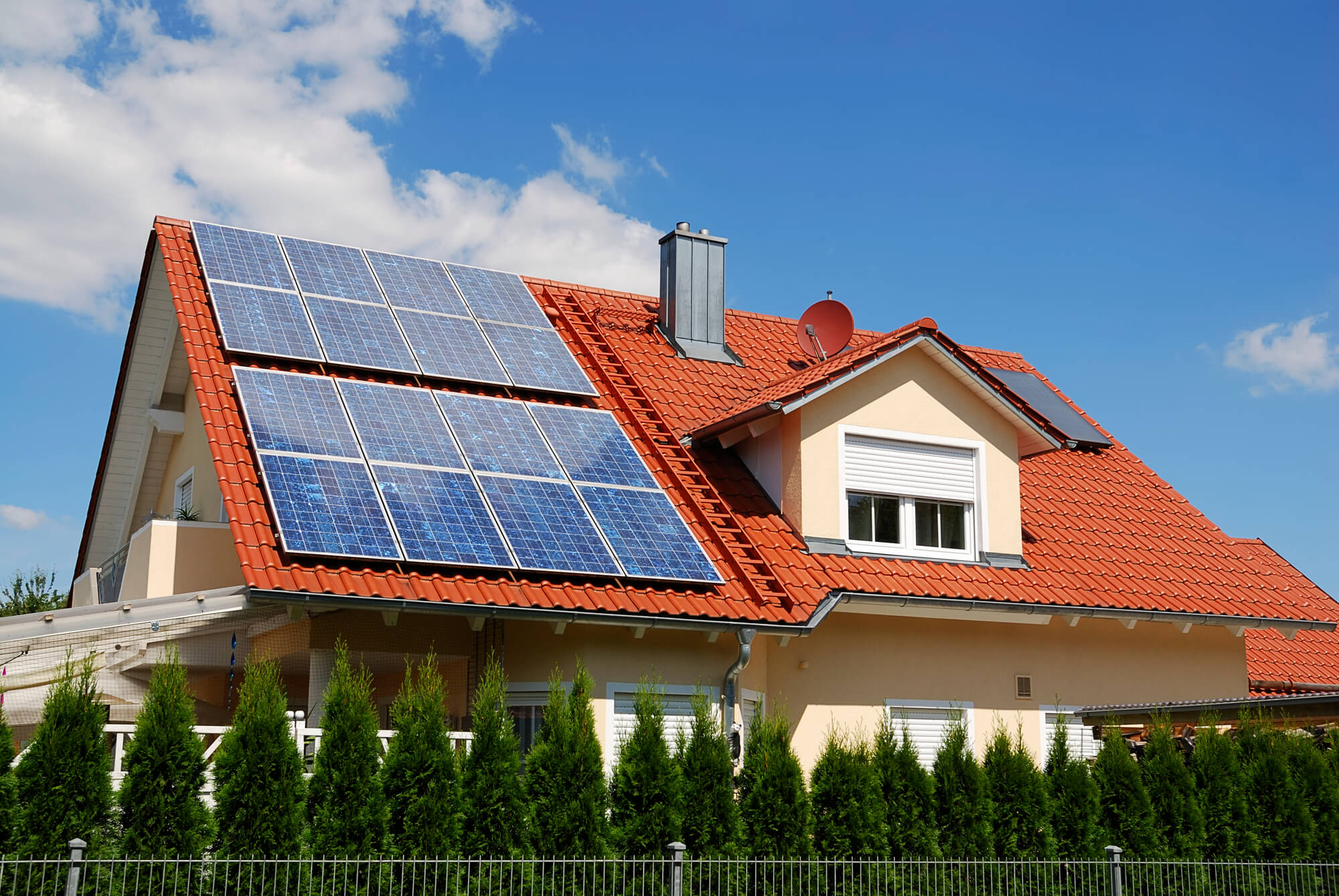
Passive solar architecture uses building design — orientation, window placement, shading, and thermal mass — to heat, cool, and daylight buildings without mechanical systems. Unlike active solar technologies, passive solar requires no equipment, no moving parts, and no ongoing energy input. Done well, it reduces a building’s heating and cooling loads by 20–50% before any active solar technology is added.
The four passive solar principles:
1. Aperture (glazing): South-facing windows in the northern hemisphere are the passive solar engine. Sunlight enters through south glass in winter (when the sun is low in the southern sky) and is absorbed by thermal mass inside the building. The recommended area for passive solar glazing is 7–12% of the conditioned floor area. High-solar-gain Low-E glass (solar heat gain coefficient / SHGC ≥ 0.40) allows solar heat in while still providing thermal insulation.
2. Thermal mass: Dense, heavy materials inside the building (concrete floors, masonry walls, stone, tile over concrete) absorb solar heat during sunny hours and release it slowly after sunset, moderating interior temperature swings. The optimal quantity is 150–300 lbs of thermal mass per square foot of south glazing. Thermal mass must be in direct sunlight or within the path of sunlight to be effective — a dark tile floor in direct sun is far more effective than the same mass behind a wall.
3. Overhang design: Roof overhangs or exterior shading devices shade south windows during summer (when the sun is high in the sky) while allowing winter sun (lower in the sky) to pass and heat the interior. The correct overhang depth depends on latitude — a simple formula: overhang depth = window height × (0.4 to 0.5 for latitudes 36–48°N). This shading geometry provides effective summer shading without blocking winter sun.
4. Heat distribution: Passive solar buildings often need a simple way to distribute heat captured in the south zone to other areas — fans, thermal siphon vents, or radiant floors absorb and redistribute solar heat from south-facing spaces to the rest of the building.
Active Solar Architecture: Building-Integrated PV (BIPV)
Building-integrated photovoltaics (BIPV) refers to solar panel products that serve as building components — roofing, facade cladding, glazing, or structural elements — rather than being mounted on top of an existing surface. BIPV combines electricity generation with a functional building role.
BIPV categories:
Solar roof tiles/shingles: Individual roofing tiles or shingles that contain solar cells. The Tesla Solar Roof (glass-tile product) is the most prominent residential example. Costs significantly more per watt than conventional panels + standard roofing ($35,000–$70,000+ for a full Tesla Solar Roof vs $15,000–$30,000 for traditional panels on a new asphalt shingle roof). Aesthetically seamless but compromises on efficiency (approximately 20% for the solar tiles, lower than the 22–24% achievable with premium crystalline panels) and warrants only when the roof needs full replacement anyway.
BIPV facade/cladding: Solar modules integrated into building facades — walls, spandrel panels, curtain wall systems. Common in commercial buildings where facade area is abundant and rooftop space is limited. Solar facades (particularly south-facing) can contribute 15–30% of a commercial building’s electricity demand in suitable climates. Spandrel BIPV (the opaque panels between floors in curtain wall systems) and rainscreen BIPV (solar panels as the outer layer of a rainscreen cladding system) are common configurations.
Solar glazing: Transparent or semi-transparent photovoltaic glazing that generates electricity while admitting diffuse light. Technologies include thin-film amorphous silicon on glass (5–10% efficiency, visible light transmission 15–40%) and LSC (luminescent solar concentrators — a novel approach using dye-embedded glass). Used in skylights, atria, and facades where light transmission is needed. Lower efficiency than opaque modules but serves dual function as glazing and generator.
Solar canopies and carports: Freestanding structures with solar panels as the roof. Not strictly BIPV (they’re standalone structures), but they integrate solar into the built environment without occupying roof space. Common in commercial parking lots (significant solar adoption by retailers), schools, and institutional facilities. Also increasingly popular as residential carports or covered patios.
Zero Energy Building Design
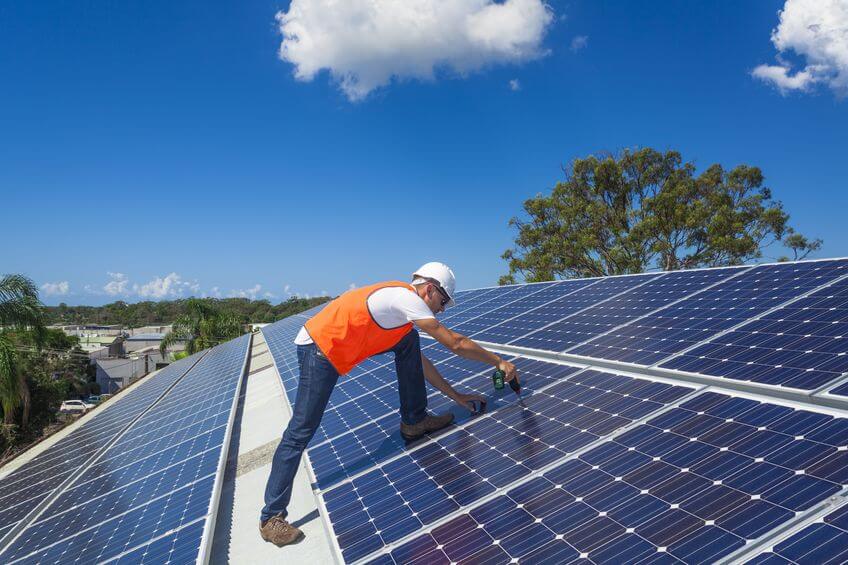
Zero energy buildings (ZEB) — also called net-zero energy buildings (NZEB) — produce as much energy as they consume on an annual basis, typically through a combination of aggressive energy efficiency (high insulation, airtight construction, heat pump HVAC) and on-site solar generation. Zero energy building design is the synthesis of solar architecture principles:
Reduce the load first: A zero energy building’s solar system is sized to offset a specific annual energy budget. The lower the building’s energy consumption, the smaller (and less expensive) the solar system needed to achieve zero energy. Effective strategies: superinsulation (R-30+ walls, R-60+ attic), triple-pane windows, mechanical ventilation with heat recovery (ERV/HRV), building envelope airtightness (below 1 ACH50 air changes per hour at 50 Pa), and cold-climate heat pumps.
Certifications: Passive House (Passivhaus) certification targets extremely low heating demand (15 kWh/m²/year maximum) through an integrated design approach. LEED Zero Energy certification and DOE Zero Energy Ready Home program certify buildings meeting zero energy performance criteria. Living Building Challenge requires net positive energy (more energy generated than consumed).
Solar sizing for zero energy: Once annual energy consumption is minimized, the solar array is sized to match it. For a well-insulated US home consuming 5,000–8,000 kWh/year (compared to the national average of 10,500 kWh), a 4–6 kW solar system can achieve zero energy status in most US locations.
Solar Architecture in Historic and Design-Sensitive Contexts
Integrating solar into architecturally sensitive buildings — historic structures, design review districts, HOA-governed communities — requires careful attention to aesthetics and regulatory requirements:
Low-profile mounting: Rail-less racking systems (Unirac Solarmount, IronRidge) reduce panel height above the roof surface. Flush-mounted panels (minimal air gap) are the lowest-profile roof mount but reduce cooling airflow, slightly increasing panel temperature.
All-black panels: Black-frame, black-backsheet monocrystalline panels (SunPower Maxeon, REC Alpha Black, LG NeON) have a more uniform, less industrial appearance than standard silver-frame blue-tinted panels. Often preferred in design-sensitive installations.
In-roof systems: Some manufacturers offer in-roof solar mounting systems (SolarSlates, Renusol Console+, SunRoof) where panels sit flush with the roof plane in place of roofing material, rather than mounted above. Available primarily in European markets but increasingly in the US.
Historic preservation: Secretary of the Interior’s Standards for Rehabilitation (which govern solar on historic buildings in the US) require that solar panels not be visible from primary public elevations and that installation be reversible without damage to the historic fabric. Rear roof slopes, ground mounts screened by vegetation, and BIPV glazing in non-primary locations are compliant approaches.
Frequently Asked Questions
What is solar architecture?
Solar architecture is the design of buildings that integrate solar energy strategies — either through passive solar design (orientation, thermal mass, shading), building-integrated photovoltaics (solar panels as roofing, facade, or glazing), or both. The goal is to use the building’s form, orientation, and materials to maximize solar energy capture for heating, cooling, and electricity generation. Solar architecture treats the building itself as an energy system rather than treating solar panels as an afterthought added to a conventionally designed structure.
What is the difference between passive solar and active solar architecture?
Passive solar architecture uses building design — window placement, thermal mass, overhangs, insulation — to capture and use solar energy for heating, cooling, and daylighting without mechanical systems or electricity. Active solar architecture uses mechanical or electrical systems to capture and convert solar energy — solar panels (photovoltaic), solar thermal collectors, or solar HVAC systems. Most high-performance buildings combine both: passive solar reduces the energy load, and active solar (PV panels) generates the remaining electricity needed.
What is BIPV in solar?
BIPV stands for Building-Integrated Photovoltaics — solar panel products that serve as functional building components (roofing, facade cladding, glazing) rather than being mounted on top of conventional building materials. BIPV examples include Tesla Solar Roof tiles, solar facade panels on commercial buildings, and transparent solar glazing in skylights. BIPV products cost more per watt than conventional panels but save money on the conventional building material they replace (roofing, cladding), making them most cost-effective when a building component would otherwise need replacement.
How do architects design buildings for solar?
Architects designing solar-ready or solar-optimized buildings consider: site orientation (south-facing primary facades in northern hemisphere), roof tilt and orientation for optimal PV placement, structural capacity for panel dead loads, electrical conduit routing from roof to utility room, avoiding shading of solar areas from design features (dormers, chimneys, equipment screens), passive solar glazing optimization for winter heat gain, and overhang design for summer shading. Solar analysis software (DesignBuilder, IES VE, Rhino with Ladybug) models solar access across all seasons during the design phase.
Can solar panels be part of a building’s design?
Yes — both practically and aesthetically. BIPV products integrate solar panels as roofing, facades, canopies, and glazing elements that are architecturally expressed rather than hidden. All-black solar panels in flush-mount configurations are increasingly specified for design-sensitive residential and commercial projects. Solar canopies over parking lots, entries, and outdoor areas combine shade structure with electricity generation. Solar architecture has moved well beyond “panels bolted to the roof as an afterthought” — solar is increasingly treated as a primary design element by architects and developers.
Summing Up
Solar architecture encompasses both passive solar design (orientation, thermal mass, overhangs) and active solar integration (BIPV, solar panels optimally positioned on the building). At the residential level, the most impactful approaches are passive solar fundamentals (south-facing glazing, thermal mass, proper overhangs) for new construction, combined with optimally mounted or integrated solar panels. BIPV products (Tesla Solar Roof, solar facade panels) serve aesthetically demanding applications where conventional panel mounting is not feasible. Zero energy building design combines aggressive efficiency with appropriately sized solar to achieve net-zero annual energy consumption. For new construction, engaging a solar-aware architect or working with a solar installer during the design phase ensures optimal building orientation and solar system integration.
For a solar installation that works with your home’s design — call (855) 427-0058. Local solar professionals can recommend mounting approaches and panel options that suit your architecture and aesthetics.
Updated