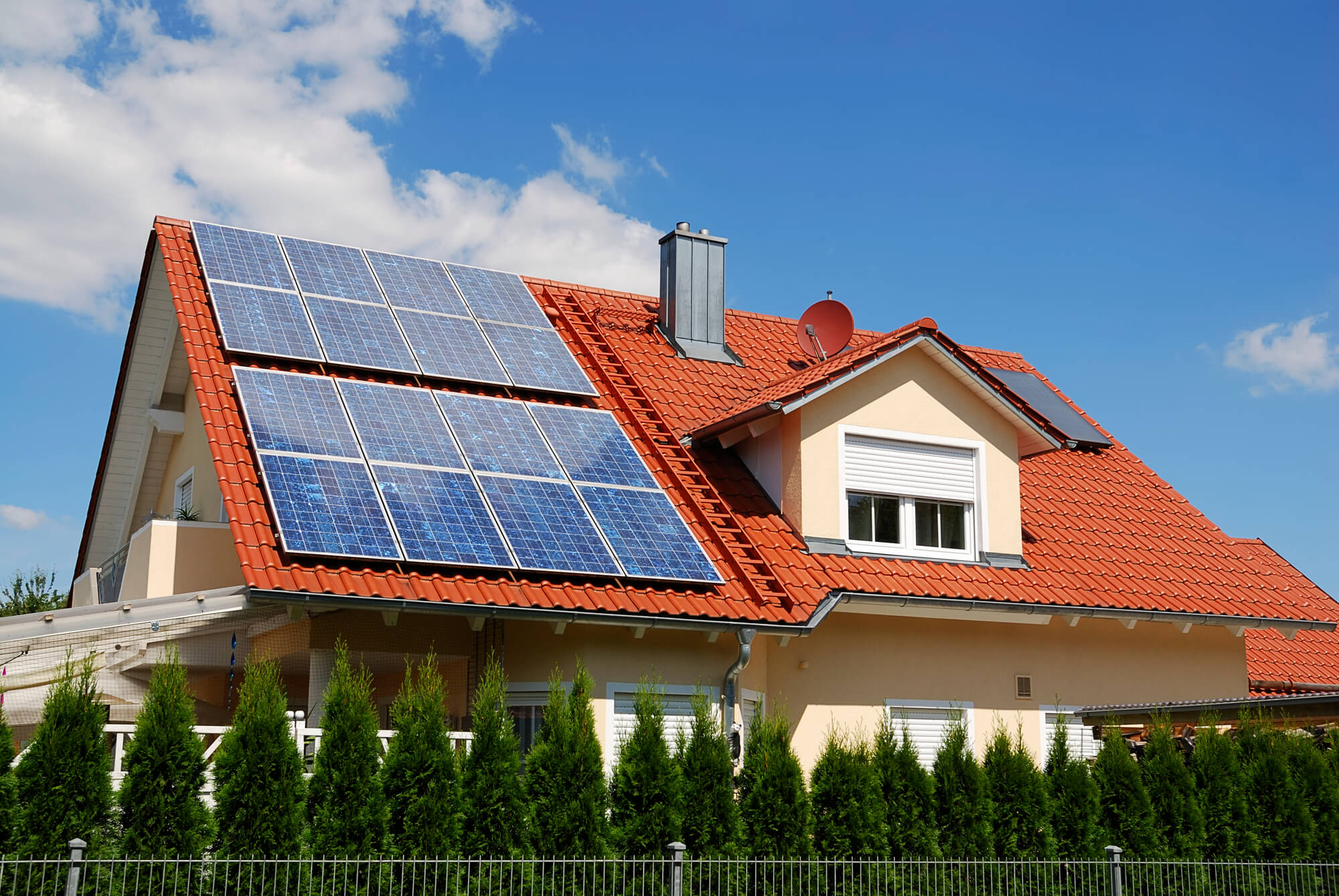
Solar technology has moved beyond rooftop panels and into everyday objects. From smartwatches that never need charging to refrigerators powered by built-in solar cells to solar-powered backpacks, wearables, and portable devices, solar is becoming embedded in the products we use daily. These applications are not science fiction; many exist today and are reshaping how consumers think about energy and autonomy.
This guide explores the current landscape of solar-powered appliances and wearables, what’s technically feasible, and what limitations still exist.
Contents
- 1 Solar-Powered Wearables: The Current State
- 2 Solar Refrigerators and Off-Grid Cooling
- 3 Solar Water Heaters and Thermal Appliances
- 4 Solar Cooking Devices: Passive and Active Systems
- 5 Solar-Powered Electrical Appliances: Promise and Limitations
- 6 Solar Power Banks and Charging Devices
- 7 Prototype and Emerging Solar Appliances
- 8 The Efficiency Question: When to Use Solar vs. Grid Power
- 9 Cost-Benefit Analysis of Solar Appliances
- 10 Frequently Asked Questions
- 11 Summing Up
Solar-Powered Wearables: The Current State
Solar smartwatches: Devices like the Garmin Instinct and Citizen Eco-Drive leverage solar to extend battery life dramatically. A watch with a 0.5 W solar panel and a 400 mWh battery gains roughly 1–2 days of battery life per week from outdoor solar exposure. This extends total battery life from 2 weeks (battery only) to 3–4 weeks between charges. The watch still needs occasional charging, but solar significantly reduces charging frequency. Cost: $300–$800 for quality solar watches.
Solar backpacks and charging packs: Backpacks embedded with thin-film flexible solar panels (50–100 W) can trickle-charge phones and small devices during outdoor activities. These don’t power a full charge in one day (a typical smartphone needs 15–30 Wh; a 50 W panel produces only 200–400 Wh over a full sunny day before system losses). But they provide backup charging during camping, hiking, or travel. Cost: $100–$400.
Solar headlamps and outdoor gear: Flashlights, headlamps, and other portable outdoor equipment increasingly include small integrated solar panels (2–10 W) that charge via daylight or USB. These are niche products, typically 20%–30% more expensive than non-solar equivalents, but popular with outdoor enthusiasts.
Solar jewelry: Experimental solar-powered jewelry (rings, bracelets, necklaces) with integrated microbatteries can power small sensors or communicate health data. These are primarily prototype or luxury items, not yet mainstream, with costs ranging $500–$5,000+.
Solar Refrigerators and Off-Grid Cooling
Solar-powered refrigerators represent a significant innovation for off-grid communities and emergency preparedness. A typical residential refrigerator consumes 600–800 Wh daily. A solar-powered fridge (designed for off-grid use) is typically more efficient (400–500 Wh daily) due to superior insulation and variable compressor speed (not continuously running like grid-powered models).
System requirements: A solar fridge typically requires:
Solar generation: 500–800 W DC, providing 4–6 kWh daily under normal sunshine
Battery storage: 5–10 kWh to handle night and cloudy periods
Hybrid inverter: To convert DC to AC and manage battery charging
Economics: A complete off-grid solar fridge system costs $5,000–$10,000, compared to $1,500–$3,000 for a grid-powered fridge plus monthly electricity costs. In remote locations without grid access, the solar system is economically justified. For on-grid homes, grid connection is cheaper and more practical.
Current options: Brands like Sunnyway, Zafety, and others produce DC refrigerators designed for solar + battery systems. These are commercial products, not prototypes, and widely used in African and Asian markets for off-grid communities. In the U.S., they’re primarily niche products for RVs, boats, and off-grid homesteads.
Solar Water Heaters and Thermal Appliances
Solar water heaters are not new but remain underutilized in residential settings. A typical solar thermal system (flat-plate or evacuated-tube collectors) heats water directly using the sun’s thermal energy, not by converting to electricity. This is more efficient than photovoltaic panels powering an electric heating element.
Performance: A 40-square-foot solar thermal collector (covering about 10% of a typical roof) heats water to 120° F on sunny days, meeting 60%–80% of annual hot water demand in moderate climates. In winter or cloudy periods, a gas or electric backup maintains temperature.
Cost and payback: Solar thermal systems cost $3,000–$5,000 installed, with a 10–15 year payback through reduced heating bills. The 30% federal ITC applies through 2032, reducing net cost to $2,100–$3,500. This is competitive with on-demand gas heaters and more efficient than traditional tank heaters.
Emerging: Solar air conditioning: Experimental solar AC systems pair solar panels with absorption cooling (powered by thermal heat, not electricity) or advanced vapor-compression systems. These remain niche and expensive but promise major energy savings in sunny climates. Commercial solar AC is deployed in Australia, Middle East, and southern U.S.; residential adoption is emerging.
Solar Cooking Devices: Passive and Active Systems
Solar ovens (passive systems): A solar oven is an insulated box with a glass or plastic top, angled to the sun. Interior temps reach 300–400° F, sufficient for baking bread, slow-cooking stews, and dehydrating foods. No electrical components needed. Cost: $100–$500. Practical in sunny climates but limited to daytime cooking and slow cooking. Popular for camping and off-grid living.
Solar cookers (active systems): Parabolic dishes concentrate sunlight onto a cooking pot, reaching boiling temps quickly. These are efficient but require manual sun-tracking and careful safety (concentrated solar can cause burns). Cost: $50–$300. More of a demonstration or specialty item than a practical daily cooking solution.
Solar-powered electric cooktops: A rooftop solar array (5–10 kW) coupled to a hybrid inverter can power traditional electric cooking. This is economically the same as a full home solar system; there’s no special appliance component. Some homes deliberately size solar to cover cooking loads to maximize renewable usage.
Solar-Powered Electrical Appliances: Promise and Limitations
The fundamental problem: Most household appliances (washers, dryers, dishwashers, ovens, air conditioning) require 3–5 kW of instantaneous power, and solar-powered operation requires either massive on-site batteries or a direct connection to a large solar array. This is economically and practically challenging for individual appliances.
Solar laundry systems: Experimental solar-powered washing machines use DC motors powered by solar panels + batteries. These are most practical in off-grid settings where laundry flexibility is high (e.g., hand-crank or low-speed washing that takes longer but uses less power). Not mainstream in the U.S. but deployed in developing countries.
Solar-powered fans and ventilation: Small bathroom exhaust fans, attic fans, and circulation fans can run on dedicated 10–20 W solar panels + small batteries. These are practical and commonly deployed. Cost premium over grid-powered fans: 50%–100%, but they operate independently of grid power and are ideal for backup ventilation during outages.
Solar pool heating: A 400–500 square-foot solar thermal collector can heat a residential pool, saving $1,000–$2,000 annually on heating costs. This is one of the most economically attractive solar appliance applications. Cost: $3,000–$6,000. Payback: 3–6 years. The 30% ITC applies.
Solar Power Banks and Charging Devices
Solar power banks (portable batteries with integrated solar panels) are mass-market consumer products. A typical 20,000 mAh solar power bank with a 5 W solar panel ($30–$100) charges smartphones at ~10% per hour under direct sun. They’re impractical as primary charging devices but excellent backup chargers for emergency preparedness or outdoor adventures.
Performance reality: A 5 W panel produces ~30 Wh per day (assuming 6 peak sun hours and system losses). A smartphone battery is 15–20 Wh. So one full smartphone charge takes 2–3 sunny days from the solar power bank. As emergency backup (where even one charge is valuable), it’s worthwhile.
Solar charging cables and solar-integrated devices: USB charging cables with integrated flexible solar panels (5–10 W) offer the same slow-charging capability as power banks, with lighter weight and less bulk. Popular for hiking, camping, and emergency kits.
Prototype and Emerging Solar Appliances
Solar-powered air purifiers: Small air purifiers units with 20–30 W solar panels can run continuously in sunny locations, purifying indoor or outdoor air without grid connection. Currently niche products but gaining traction in off-grid and air-quality-conscious markets.
Solar water pumps: Submersible pumps powered by small solar arrays (50–200 W) move water for irrigation, livestock watering, or emergency supply without grid access. Cost: $1,000–$3,000. Widely deployed in agriculture and developing countries.
Solar-powered EV charging: Rooftop solar combined with a Level 2 EV charger can power electric vehicles. A 7 kW solar array provides 25–35 kWh daily; an EV charging at home overnight consumes 15–25 kWh. The system is synergistic: solar covers most EV charging during summer, grid supplement in winter. This is increasingly popular as EV adoption grows.
Solar desalination: Experimental systems use solar energy to power reverse-osmosis desalination or thermal distillation, converting seawater to fresh water. These are deployed for emergency relief and off-grid coastal communities. Residential adoption is minimal but emerging in drought-prone regions.
The Efficiency Question: When to Use Solar vs. Grid Power
An important principle: solar is most valuable for appliances with high power draw and flexible timing. Conversely, grid power is more practical for appliances requiring precise timing, instant availability, or very high power (>5 kW).
Best fit for solar appliances: Water heating, pool heating, ventilation fans, EV charging, outdoor lights, cooling systems with thermal storage (which can absorb solar heat and release it at night).
Poor fit for solar appliances: Instant-demand appliances (ovens, kettles), high-power appliances without storage (air conditioning on-demand), appliances requiring 24/7 operation without batteries (refrigerators in climates with extended cloudy periods).
Hybrid approach: The most practical strategy is a whole-home solar + battery system that powers all appliances indiscriminately. Individual solar appliances are niche solutions, except for water heating (which has dedicated solar equipment) and EV charging (which is naturally flexible).
Cost-Benefit Analysis of Solar Appliances
Solar water heater: $2,100 after ITC, saves $500–$1,000/year. Payback: 2–4 years. Excellent economic case.
Solar pool heater: $2,100 after ITC, saves $1,000–$2,000/year. Payback: 1–3 years. Excellent economic case.
Solar refrigerator (off-grid): $5,000–$10,000, replaces grid connection or backup power. Payback depends on use case; economical if grid connection would cost $5,000+ to establish.
Solar ventilation fan: $300–$500, saves $50–$100/year. Payback: 5–10 years. Moderate case; worth it for off-grid resilience.
Solar power bank ($30–$100): No direct bill savings, but provides backup charging. Payback is lifestyle/emergency value, not financial.
Solar EV charging (part of whole-home system): No additional cost if you already have solar. Energy-shifting (charging during day instead of night) provides value. Economical in TOU rate environments.
Frequently Asked Questions
Yes, a properly sized rooftop solar array (7–10 kW) with battery storage (15–25 kWh) can power most homes entirely. This is more practical than individual solar appliances. The system runs all existing appliances without modification, providing maximum flexibility.
Some yes, most no. Solar water heaters and pool heaters are excellent; they offset 60%–80% of thermal energy use with 2–4 year payback. Solar ventilation fans are practical for off-grid use. Solar-powered wearables and power banks are convenient backup chargers. But powering major appliances (washers, dryers, air conditioning) with individual solar units is impractical; a whole-home system is more efficient.
Solar water heaters and pool heaters offer the best financial returns, with 2–4 year payback and 30% federal tax credit eligibility. Solar EV chargers (rooftop solar + Level 2 charger) are also excellent if you own an electric vehicle. Whole-home solar systems offer the most comprehensive solution for all appliances.
Yes. A 5–7 kW solar array generates 20–30 kWh daily, sufficient to charge most EVs overnight (typical consumption is 15–20 kWh). The system is synergistic: summer solar covers most EV charging; winter grid supplements as needed. This is increasingly popular and economically attractive.
For emergency backup, yes. A $30–$50 solar power bank provides one smartphone charge over 2–3 days of sunlight, useful in outages or off-grid situations. For regular use, they’re inefficient (slow charging) and better replaced by a wall charger + grid. Best viewed as a resilience tool, not a primary charger.
Summing Up
Solar technology is becoming embedded in everyday appliances, from smartwatches to backpacks to household equipment. The most economically attractive applications are solar water heaters (2–4 year payback), pool heaters, solar EV charging, and ventilation fans. Wearables and portable solar chargers serve niche roles in emergency preparedness and outdoor activities. For comprehensive home power, a whole-home rooftop solar + battery system is more practical than individual solar appliances, as it provides maximum flexibility and power availability for all devices.
Ready to explore solar solutions for your home and appliances? Call (855) 427-0058 for a consultation on whole-home solar systems.
Updated