Our blog is reader-supported. When you buy through links on our site, we may earn an affiliate commission. Thank you for your support!
Condo and apartment dwellers have historically been excluded from solar adoption due to shared roofs, HOA restrictions, and metering complexity. A typical rooftop installation serving one unit affects common areas and neighboring units, creating legal and financial disputes. Rent-controlled apartments offer zero incentive for landlords to invest in solar that benefits tenants. These barriers have left 40–50% of U.S. households without practical solar access. However, 2026 has brought transformative solutions: plug-in balcony solar, community solar programs, and HOA-friendly shared building systems now make solar accessible to condos and renters. Combined with evolving state legislation protecting condo solar rights, the barriers are collapsing.
Condo owners now have four paths to solar: individual rooftop systems (if you own the roof), plug-in balcony solar (portable, 800W–2kW, covers 10–25% of consumption), community solar (offset consumption without installation), and shared building systems (split costs among residents). Plug-in balcony solar is the fastest entry point, costing $2,000–$4,000 for modest energy offset. Individual rooftop systems cost $12,000–$20,000 but require HOA approval and roof access rights. Community solar costs nothing upfront; you subscribe and receive credits. This guide covers each option, HOA negotiation strategies, financial returns, and state protections for condo solar rights.
Contents
- 1 Understanding Your Condo Situation: Roof Ownership and HOA Authority
- 2 Option 1: Rooftop Solar (If You Own the Roof)
- 3 Option 2: Plug-In / Balcony Solar (Easiest Entry Point)
- 4 Option 3: Community Solar (Zero Upfront Cost)
- 5 Option 4: Shared Building System (Newer Buildings)
- 6 State Solar Access Laws: Do They Protect You?
- 7 HOA Negotiation Strategy
- 8 Financing Solar for Condos
- 9 Frequently Asked Questions
- 9.1 Can I install solar on a condo roof without HOA approval?
- 9.2 Is plug-in balcony solar worth the cost if it only covers 20% of my electricity?
- 9.3 Can I rent my condo and claim the 30% solar tax credit?
- 9.4 What happens to my solar system if I move?
- 9.5 Does my condo have adequate sun for solar?
- 9.6 Is community solar a good alternative if I can’t get rooftop or balcony solar?
- 10 Summing Up
Understanding Your Condo Situation: Roof Ownership and HOA Authority

Condo ownership is nuanced. You own your interior unit but typically share ownership of common areas (roof, exterior walls, shared utilities) with other unit owners. This shared ownership is managed by an HOA (homeowners association), which makes decisions about common area modifications. Solar installation falls into a gray zone: is it a common-area modification (requiring HOA approval) or a unit-owner right (protected by state law)?
Most condo buildings have solar-hostile HOAs because early solar installations were crude (panels visually prominent, roof penetrations risked leaks, electrical interconnections were complex). HOAs developed blanket “no solar” policies to avoid these risks. However, since 2015, state legislatures have passed “Solar Access Rights” laws protecting owners from unreasonable HOA restrictions on solar installations. As of 2026, 30+ states have some form of solar access protection for condos and HOAs.
Key questions to ask your HOA:
Do we have existing solar restrictions in our CC&Rs (covenants, conditions, and restrictions)?
Can unit owners modify the roof if all structural/electrical work meets code and is professionally installed?
What HOA approval process is required for solar?
Does our state have Solar Access Rights laws that override HOA restrictions?
What liability insurance and roof warranty requirements exist?
If your HOA has blanket solar bans, research your state’s solar access laws. In many states, HOAs cannot unreasonably restrict solar access. “Unreasonable” typically means:
Solar installation is designed competently (engineered, permitted, inspected)
Solar doesn’t damage the roof or void building warranties
Solar doesn’t create safety hazards
Solar doesn’t harm aesthetics beyond what state law considers acceptable
In progressive states (California, New York, Massachusetts, Colorado), HOAs face legal liability if they deny solar access without legitimate safety or structural reasons. In conservative states (some Southern jurisdictions), HOA authority over common areas remains broad. Know your state’s law before confronting your HOA.
Option 1: Rooftop Solar (If You Own the Roof)
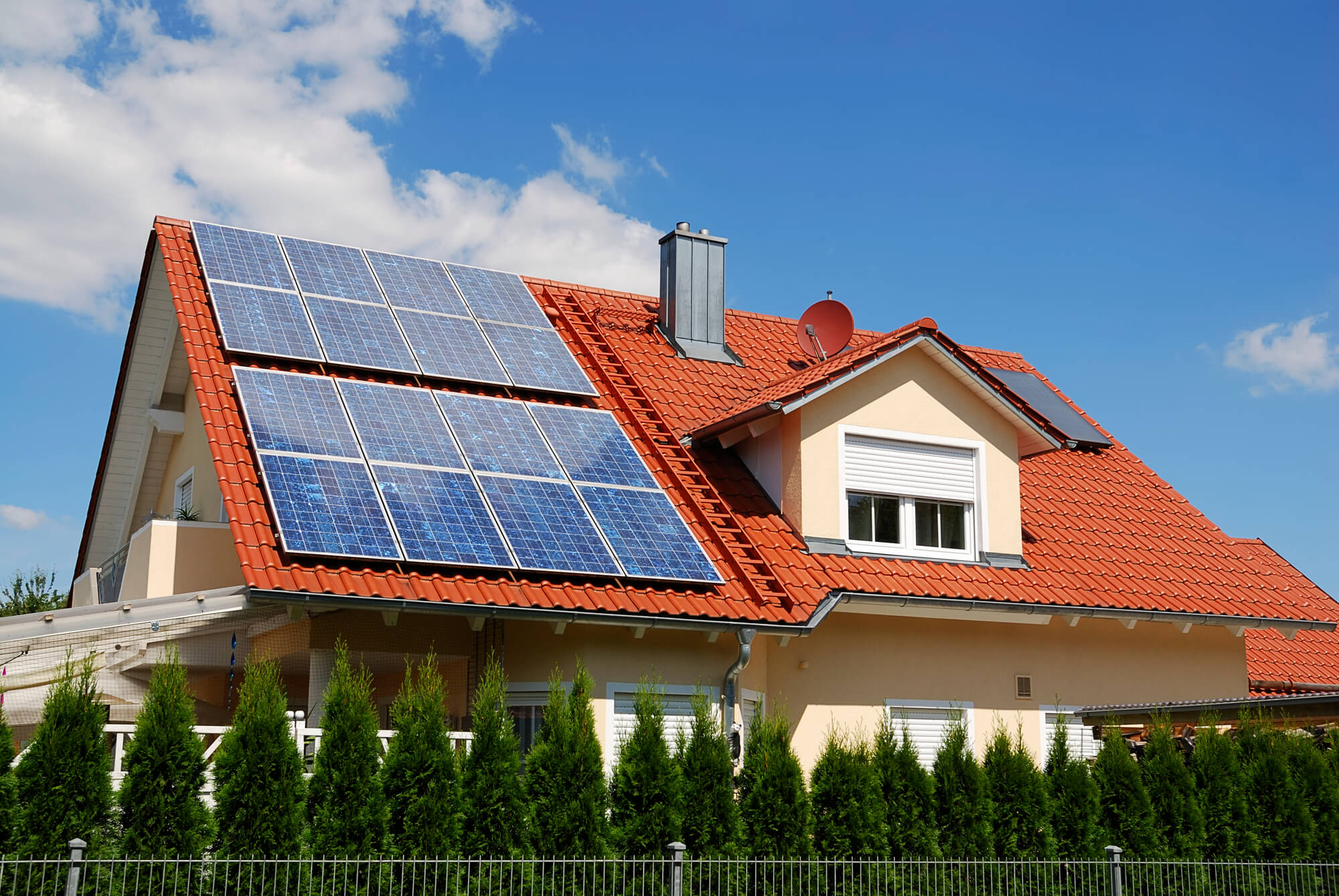
If your building’s bylaws allow unit owners to own and modify their portion of the roof, rooftop solar is feasible. This is rare; most condos have single shared roofs. However, some buildings (especially older 2–4 unit condominiums or newer buildings with divided roof sections) allow unit-specific rooftop installations.
Process:
1. Verify with your HOA that your roof section is exclusively yours (not common area)
2. Obtain written approval from HOA for solar installation and any required roof modifications
3. Get professional engineering drawings and submit for building permit
4. Hire solar installer experienced with condo roof work (liability, warranty implications)
5. Install system with full roof warranty protection (flashing, penetrations sealed to prevent future leaks)
6. Obtain utility interconnection approval
7. Final inspection by municipal inspector + utility inspector
System sizing: A typical 4–6kW system (12–16 panels, 350–400W each) generates 5,500–7,500 kWh annually in good-sun regions, offsetting 60–80% of typical condo consumption (7,000–10,000 kWh/year). Cost: $12,000–$18,000 after installation, before ITC. After 30% federal ITC: $8,400–$12,600 net cost. Payback period: 8–12 years, with 25–30 years of energy generation remaining.
Key considerations:
Roof age: System lifespan is 25–30 years. If your roof is >10 years old, consider replacement first (cost: $5,000–$15,000 depending on material). Installing solar on an aging roof risks expensive removal and reinstall when the roof fails.
Roof warranty impact: Most roofers’ warranties void if penetrations are made. Get a written agreement from your roofer that solar installation (with professional flashing) doesn’t void coverage. Many solar installers carry “roof warranty protection” insurance ($500–$1,000) that covers roofer-denied claims.
Liability and insurance: HOA or building insurance must be updated to reflect solar system. Your personal homeowner’s policy typically extends to rooftop solar; confirm with your agent. If roofer/installer claims damage, insurance covers it (subject to deductible).
Financing: Solar loans and leases work identically for condo rooftop as for single-family homes. However, some lenders require proof of roof ownership or HOA approval before lending. Confirm with your installer’s lender partners.
Option 2: Plug-In / Balcony Solar (Easiest Entry Point)
Plug-in solar (also called balcony solar) is a portable solar system mounted on a balcony, patio, deck, or ground area without roof penetrations. The system includes 1–4 solar panels (100–400W each), a small inverter, and a plug that connects directly to a standard 120V outlet in your unit. No building modifications, no HOA approval required, no permits needed in most jurisdictions.
How it works: The panels sit on a tilted stand (angled toward the sun), wired to a microinverter, which converts DC power to 120V AC. You plug the inverter into any standard outlet in your unit. The electricity flows backward through your home’s wiring, offsetting consumption on your utility bill just like a grid-tied system. Your meter spins backward when the system is generating more than you’re consuming.
Typical system specs (popular 2026 models):
2× 400W panels + microinverter ($1,500–$2,000)
4× 300W panels + microinverter + storage option ($2,500–$4,000)
Plug-and-play installation: 30 minutes unboxing and mounting
Power generation: A 2× 400W system (800W total) generates 3,000–4,000 kWh annually in good-sun regions (Southwest US). In moderate regions (Northeast), expect 2,200–2,800 kWh. In cloudy regions (Pacific Northwest), expect 1,800–2,200 kWh. This offsets 15–25% of typical condo consumption.
Advantages:
No permitting, no HOA approval required
Portable: if you move, take the system with you
No roof penetrations, no warranty concerns
30% federal ITC applies (saves $450–$1,200 in federal taxes)
Installs in 30 minutes
Scalable: add panels over time
Disadvantages:
Limited capacity: 800W–2,000W total (vs. 6,000W+ for rooftop)
Limited offset: 15–25% vs. 60–80% for rooftop
Requires sunny balcony/patio (some units face north or are heavily shaded)
Not ideal if you move frequently (easier for permanent residents)
Some utilities limit “behind-the-meter” solar without formal interconnection agreements (rare, but possible)
Financial return: A $2,000 system (after ITC) generating 2,500 kWh annually (at $0.14/kWh average rate) saves $350/year. Payback: 5.7 years. After 25-year lifespan: $8,750 in energy savings. This is solid ROI, better than generators or energy efficiency retrofits.
Option 3: Community Solar (Zero Upfront Cost)
Community solar (also called shared solar or solar gardens) allows you to offset electricity consumption by subscribing to a shared solar farm that’s installed offsite (utility land, parking lots, etc.). You never touch the physical panels; you simply pay a monthly subscription fee ($30–$100 typically) and receive utility bill credits for your share of generated power.
How it works:
A solar farm (typically 100 kW–2 MW) is built by a solar developer on utility-owned or leased land.
Subscriptions are sold to individual households or businesses. Each subscription owns or claims 1–5 kW of the farm’s output.
Generated power goes to the grid; your utility credits your account for your share of monthly generation (typically 50–100 kWh/month per subscription).
You pay a monthly subscription fee ($30–$100) and receive utility credits (reducing your bill by $40–$120/month).
Net result: your bill is lower despite paying subscription fees.
Availability by state (as of 2026):
Widely available: California, Massachusetts, New York, Colorado, Minnesota, Illinois, New Jersey
Growing availability: Connecticut, Rhode Island, Maryland, Delaware, Virginia
Limited/No availability: Southern states, rural areas
Advantages:
Zero upfront cost (no purchase required)
No installation, no permits, no HOA issues
Works for renters and condo owners equally
Can switch programs if unsatisfied (usually 30–90 day cancellation)
Predictable savings ($300–$1,200/year typical)
Disadvantages:
You don’t own the system (no ITC or accelerated depreciation)
Subscription fees continue regardless of generation (solar farm downtime, cloud cover)
Less control: utility/developer controls maintenance, expansion, removal
Savings are modest compared to rooftop solar (15–25% offset vs. 60–80%)
If you move, subscription may not transfer (depends on program)
Financial return: A $50/month subscription saves ~$600/year on utility bills ($50 fee × 12 months = $600 cost). If generation is worth $700–$800/year, net savings are $100–$200/year. Less impressive than rooftop or balcony solar, but better than nothing with zero upfront risk.
How to find community solar: Search your state’s community solar programs (many states maintain registries). Major companies offering community solar nationwide: Sunrun Community Solar, Trinity Solar, Arcadia, Blue Horizon.
Some newer condo buildings install solar on common areas (roof, parking structures, shared walls) and allocate benefits among residents based on ownership percentage or participation. This requires building-wide consensus and developer support but offers economies of scale.
Example: A 20-unit condo building installs 50 kW of rooftop solar ($50,000–$75,000, reduced to $35,000–$52,500 after 30% ITC). Annual generation: 60,000–75,000 kWh. This offsets ~75% of building’s common-area consumption (lighting, HVAC, elevators) and 10–20% of individual unit consumption. Each resident pays a monthly assessment ($20–$50) and receives proportional utility credits. Total cost to residents: spread across 20 units = $1,750–$2,625 per unit (after ITC), with payback in 10–12 years.
Advantages:
Much cheaper per kW (bulk purchasing, shared installation/permitting)
No individual HOA negotiation required (developer/HOA makes decision)
All residents benefit equally
Better economics due to scale
Disadvantages:
Requires building consensus (some residents may not want it)
Can’t customize your system (you get what the building chooses)
Monthly assessment adds to condo fee
You don’t own the system (no direct ITC benefit, though building’s 30% ITC may reduce assessments)
State Solar Access Laws: Do They Protect You?
Many states have passed “Solar Access Rights” laws protecting property owners from HOA restrictions. As of 2026:
Strong protections (HOAs cannot deny reasonable solar requests):
California, Colorado, Massachusetts, New York, Minnesota, Illinois, Connecticut, Nevada, Arizona, Florida
Moderate protections (HOAs can require architectural approval but cannot deny without cause):
New Jersey, Maryland, Virginia, Texas, Oregon, Washington
Weak/No protections (HOAs retain authority over common areas):
Southern states (GA, SC, NC, TN, MS, LA, AR), parts of Midwest
Check your state’s PUC website or Solar United Neighbors (solarunitedneighbors.org) for your state’s specific solar access laws. If your state has protections, use them as leverage if your HOA denies solar. If not, community solar or plug-in balcony systems are your practical alternatives.
HOA Negotiation Strategy
If your HOA has restrictions but your state has solar access protections, negotiation is possible:
1. Propose a professional design: Show engineering drawings, letters from the roofer confirming no warranty impact, and proof that installation meets code. Unprofessional designs are HOA’s main concern; a professional proposal addresses this.
2. Propose insurance and guarantees: Offer roof warranty protection insurance and guarantee that if roof damage occurs within 5 years post-installation, you’ll pay for repairs. This removes HOA liability fear.
3. Propose aesthetics standards: Agree to black panels, low-profile mounting, and roof placement that minimizes street visibility. Some HOAs’ objections are purely aesthetic; compliance removes barriers.
4. Reference state law: If your state has solar access protections, cite them. Tell the HOA that denying reasonable solar requests may expose them to legal liability. Most HOAs back down when confronted with state law.
5. Build owner support: If multiple residents want solar, collective pressure on the HOA is more effective than individual requests. Form a “solar committee” within the condo association.
6. Escalate to mediation: If the HOA refuses, some states offer free mediation through state energy offices or solar advocacy groups (e.g., Solar United Neighbors). Formal mediation often resolves disputes.
Financing Solar for Condos
Financing options for condo rooftop solar are identical to single-family homes:
Cash: Pay upfront, claim 30% ITC as federal tax credit or reduction in taxes owed. No monthly payments.
Solar loans: Borrow 100% of cost at 4–8% APR over 10–20 years. Monthly payments typically $150–$250 for a 6kW system. Claim ITC to reduce loan payback. Works well for condo owners planning to stay 10+ years.
Solar leases/PPAs: Monthly payment to installer/company that owns and maintains the system. You don’t claim ITC (installer does), but monthly cost is lower ($80–$120/month). Lease transfers to new owners if you sell. Less favorable long-term than loans.
PACE financing: Property-assessed clean energy (PACE) loans attach to property tax bills, allowing system cost to be paid over 20 years with property taxes. Popular in California, some other states. Downside: loan attaches to property, not owner—if you sell, buyer assumes loan.
For plug-in balcony solar, cash or credit card is typical (small enough to pay in one or two payments). No loans available because the system is portable and doesn’t require permitting.
Frequently Asked Questions
Can I install solar on a condo roof without HOA approval?
Depends on your state’s solar access laws and your HOA’s bylaws. In states like California, Massachusetts, and New York, HOAs cannot unreasonably deny solar access if the installation is professional and safe. In other states, HOAs retain more authority. Check your state’s solar access laws and your building’s CC&Rs. If your state protects solar rights and the HOA denies without legitimate cause, you can potentially sue or request state mediation. Plug-in balcony solar avoids HOA approval entirely.
Is plug-in balcony solar worth the cost if it only covers 20% of my electricity?
Yes, typically. A $2,000 plug-in system (after ITC) generates 2,500 kWh annually, saving $350/year at $0.14/kWh rates. Payback is 5.7 years; over a 25-year system lifespan, you save $8,750. That’s better ROI than most energy efficiency upgrades and better than a generator. Plus, it’s portable—if you move, you take it with you. If your balcony gets sun, it’s a solid investment.
Can I rent my condo and claim the 30% solar tax credit?
Yes, if you own the solar system. If you lease the property to tenants, you (the owner) still own the solar system, and you claim the 30% ITC on your federal taxes. Your tenants benefit from lower utility costs; you benefit from the ITC and long-term energy appreciation. Rooftop solar increases your property value by roughly $3–$4 per watt, making rental condos more valuable. Confirm with your tax advisor on the specifics of claiming the ITC while renting the property.
What happens to my solar system if I move?
If you own rooftop solar, it transfers to the new owner (along with the 25-year warranty and remaining ITC benefits). Federal law requires that solar systems be disclosed to buyers; they typically increase home sale value. If you financed with a loan, the buyer can assume the loan or you can pay it off before selling. Plug-in balcony solar is yours—you take it with you if you move. Community solar subscriptions vary; some are transferable, others aren’t (check your contract). Solar leases typically transfer to the buyer with new terms.
Does my condo have adequate sun for solar?
Most condos get adequate sun if they have a south-facing balcony or roof section. Even partial sun (6+ hours daily) works. If your unit faces north, you have dense shade, or your roof is heavily shaded by adjacent buildings, solar won’t work well. A solar installer can do a free site survey using aerial maps and on-site inspection to assess viability. Plug-in balcony solar is lower-stakes (returns in 6 years); if you find sun isn’t adequate, the cost loss is minimal. Rooftop solar requires higher confidence in sun exposure.
Is community solar a good alternative if I can’t get rooftop or balcony solar?
Yes, if it’s available in your area. Community solar is accessible to renters and condo owners, costs zero upfront, and offers modest savings ($300–$1,200/year). The drawback is you don’t own the system, so you don’t benefit from the 30% ITC (that goes to the developer). Savings are lower than rooftop solar (15–25% offset vs. 60–80%), but if rooftop and balcony are impossible, community solar is the next-best option. Availability varies by state; check solarunitedneighbors.org for programs in your area.
Summing Up
Condo and apartment dwellers have more solar options in 2026 than ever before. If you own the roof and your state protects solar access, rooftop installation is ideal (cost: $12,000–$18,000 after ITC, payback 8–12 years). If roof access is impossible, plug-in balcony solar is a simple entry point (cost: $2,000–$4,000 after ITC, payback 5–7 years, portable). If neither is possible, community solar offers zero-upfront-cost offset (savings: $300–$1,200/year). Some newer buildings offer shared solar systems that split costs among residents.
Research your state’s solar access laws and your building’s HOA rules before committing. Many HOAs that initially denied solar have approved systems after seeing professional designs and learning about state protections. If negotiation fails, balcony solar and community solar are always available as alternatives. The condo solar market has matured significantly; options exist for almost every situation.
Get a Free Solar Quote → (855) 427-0058
Updated