
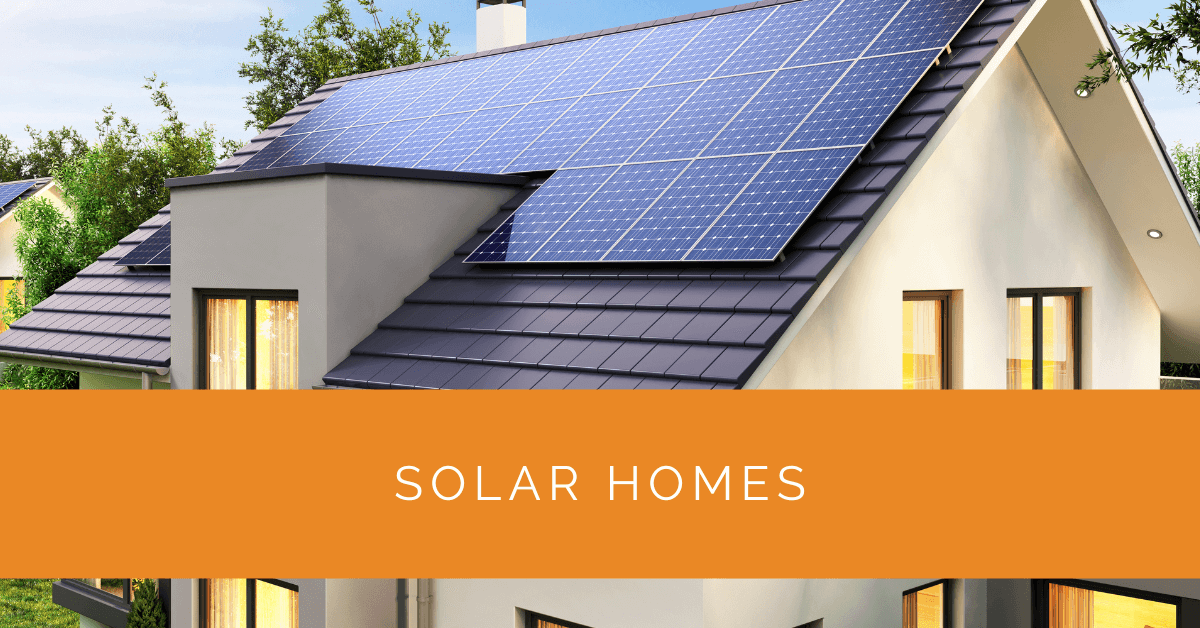
Solar homes—residential properties powered wholly or partially by rooftop solar installations—represent the fastest-growing segment of US residential energy. Over 4 million homes now have solar systems, driven by falling panel costs, 30% federal tax credits, and rising electricity rates. This guide covers solar home types, cost-benefit analysis, financing, and whether going solar makes sense for your home.
Types of Solar Homes
Grid-tied systems are most common: panels generate power, excess goes to the grid via net metering. Off-grid homes use battery storage; standalone systems are independent. Hybrid systems use solar+battery+grid for maximum flexibility.
Cost and Payback
Residential solar costs $2.50-$3.50/watt installed. A 10 kW system ($25,000-$35,000) generates 12,000-15,000 kWh annually, saving $1,200-$2,000/year in electricity costs. Payback is 7-12 years; 25-year NPV is $20,000-$40,000 depending on rates and incentives.
Summing Up
Solar homes offer long-term savings, energy independence, and environmental benefits. With 30% federal tax credits and rising electricity rates, the financial case is strong for most homeowners. Call (855) 427-0058 or visit https://us.solarpanelsnetwork.com/ for a quote.
Updated