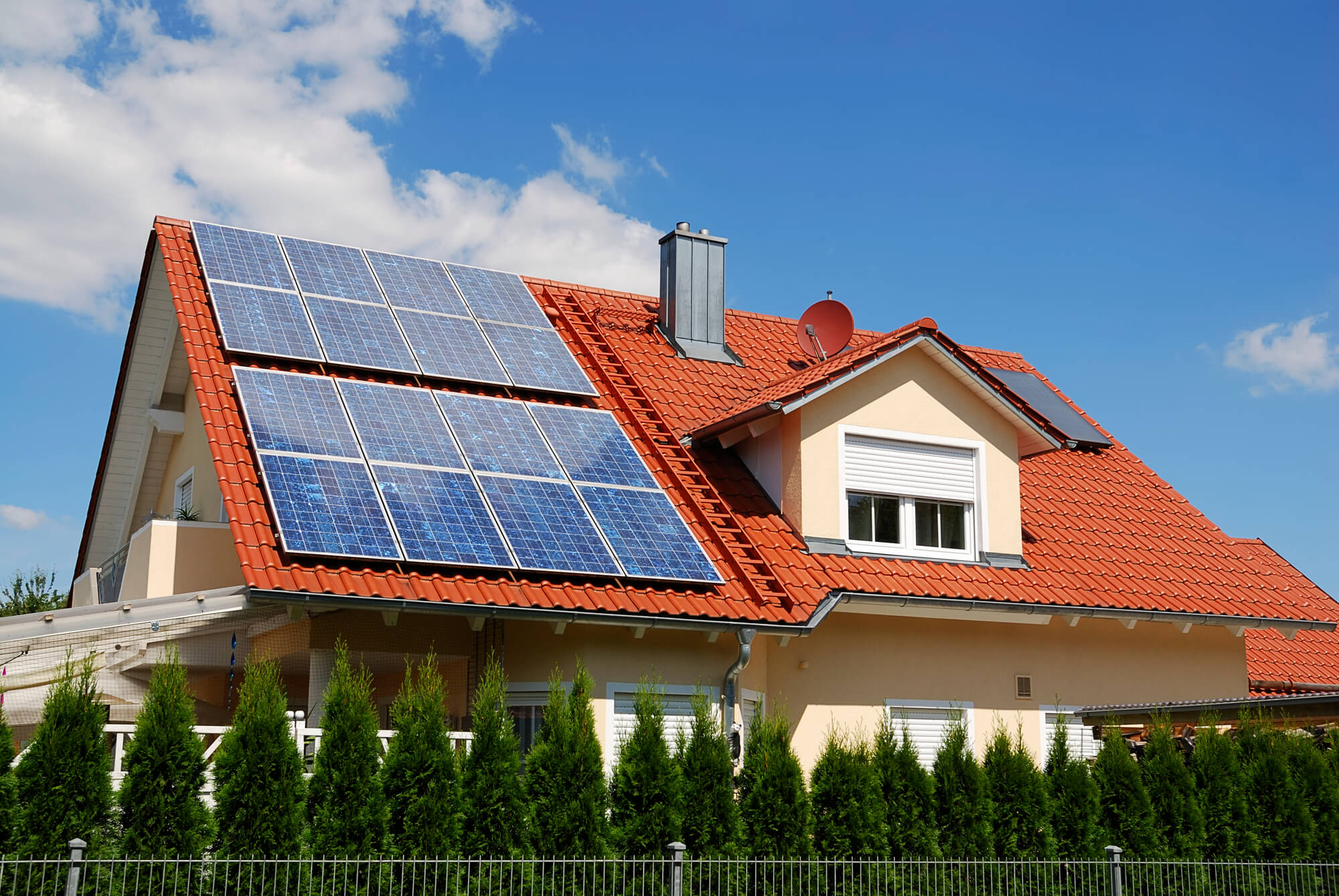
Solar lights and traditional electric lighting each solve outdoor illumination differently, and the best choice depends on your specific application, location, and priorities. Solar lights offer zero operating cost and zero grid dependency; traditional electric lighting provides consistent brightness independent of weather. Understanding the tradeoffs helps you select the right solution for pathways, security, landscape features, and entertaining spaces. In many cases, hybrid approaches—combining solar and traditional lighting—deliver optimal results.
This guide compares solar and traditional outdoor lighting across cost, brightness, reliability, installation, environmental impact, and suitability for different applications. By understanding the strengths and limitations of each, you can make informed decisions that match your actual needs rather than defaulting to one technology universally.
Contents
- 1 Energy Efficiency Comparison: Lumens Per Watt
- 2 Cost Analysis: Installation and Operating Expenses
- 3 Brightness and Performance Consistency
- 4 Installation Flexibility and Scalability
- 5 Environmental Impact: Lifecycle Analysis
- 6 Suitability by Application: Where Each Technology Excels
- 7 Seasonal and Climate Considerations
- 8 Aesthetic and Design Flexibility
- 9 Maintenance Requirements and Longevity
- 10 Hybrid Approaches: Combining Both Technologies
- 11 Grid Dependence and Resilience
- 12 Frequently Asked Questions
- 12.1 Which is cheaper long-term: solar or traditional outdoor lighting?
- 12.2 Do solar lights work in cloudy climates?
- 12.3 How bright are solar lights compared to traditional?
- 12.4 Are solar lights good for security lighting?
- 12.5 How much maintenance do solar lights require?
- 12.6 What’s the best hybrid lighting strategy?
- 13 Summing Up
Energy Efficiency Comparison: Lumens Per Watt
Solar lights paired with LED technology achieve exceptional efficiency. A typical solar LED light produces 200+ lumens per watt of consumed power. Traditional incandescent bulbs produce only 17 lumens per watt. Even traditional LED lights (non-solar) achieve 80-100 lumens per watt. This means a solar LED outputting equivalent brightness to an incandescent fixture consumes 1/12th the power. For commercial solar street lights, this efficiency gap widens: high-performance commercial solar fixtures produce 22,200+ lumens (equivalent to traditional high-intensity discharge fixtures) while consuming only 100-150W peak solar input.
This efficiency advantage compounds when considering total energy over time. A traditional electric pathway light running 8 hours nightly consumes 40 kWh annually (assuming 500W fixture). At $0.15/kWh, that’s $6/fixture/year in electricity. A solar pathway light consuming zero grid electricity costs $0 to operate. Over a 10-year lifespan, a single traditional fixture costs $60 in electricity; a solar fixture costs $0 in energy. Multiply by 10-20 fixtures typical for residential properties, and energy cost difference becomes significant.
Cost Analysis: Installation and Operating Expenses
Initial solar light costs typically exceed traditional electric lights: a solar pathway light costs $30-$150; a traditional electric pathway light costs $20-$50 for the fixture plus $300-$800 for wiring/trenching installation. However, total installed cost for traditional lighting often exceeds solar due to installation labor. A 50-foot pathway requiring 10 lights involves trenching 50+ feet of trench, running electrical conduit, installing junction boxes, and permitting—easily $3,000-$5,000 total installation for traditional lighting. The same pathway with solar lights costs $300-$1,500 for fixtures plus minimal labor (mounting units), total $300-$2,000.
Operating costs favor solar dramatically. Traditional lighting costs $100-$200 per fixture annually in electricity plus maintenance (bulb replacement, wiring repairs). Solar lights cost $0 annually in electricity, with minimal maintenance (panel cleaning 1-2x yearly, battery replacement every 3-5 years for budget units, 5-8 years for premium units). A 10-fixture pathway operating 20 years: traditional system totals ~$25,000-$40,000 (installation + 20 years electricity + maintenance); solar system totals ~$5,000-$10,000 (fixtures + battery replacements). Solar cost advantage over 20 years: $15,000-$30,000 depending on system scale and electricity rates.
Brightness and Performance Consistency
Traditional electric lights provide consistent brightness regardless of weather or season. A traditional 500W halogen fixture delivers identical brightness on cloudy days as sunny days, summer or winter. Solar lights vary: bright, sunny days enable full brightness and longer operating hours; cloudy days reduce brightness and shorten runtime; winter months offer fewer charging hours and shorter nights, extending runtime paradoxically, but reduced charging often limits available battery energy. In consistently cloudy climates (Pacific Northwest, UK), solar light performance diminishes significantly compared to sunny regions.
For critical applications (security lighting for crime prevention, safety lighting for hazard zones), traditional lighting’s consistency is valuable. For decorative and pathway lighting where some variation is acceptable, solar’s seasonal and weather-dependent variation is tolerable. A smart hybrid approach: use traditional electric lighting for high-priority security illumination; use solar for accent, pathway, and decorative lighting where performance variation doesn’t compromise function.
Installation Flexibility and Scalability
Solar lights’ biggest advantage is installation simplicity and flexibility. No trenching, no electrical permits, no inspections, no utility company coordination. Mount a solar light on a stake, hang one from a tree, place one on a fence, and it operates independently. Repositioning is trivial—unmount, remount elsewhere. This flexibility enables rapid landscape lighting adjustments as needs change. You can experiment with placement, remove lights, add more lights, without major construction.
Traditional electric lighting demands careful planning. Once installed, repositioning requires trenching, rewiring, and contractor work. Adding new fixtures requires permit modifications. Removing fixtures leaves electrical conduit in place (costly to remove). This inflexibility means installation decisions are effectively permanent, limiting adaptability as your landscape evolves. However, for permanent, long-term installations where you’re confident in placement, traditional lighting’s stability can be advantage.
Environmental Impact: Lifecycle Analysis
Solar lights eliminate operating-phase emissions (no electricity grid generation). However, manufacturing solar lights involves plastic, metal, and battery material production—each with environmental cost. A lifecycle analysis comparing solar lights to traditional lights over 20 years must account for: manufacturing (both technologies), transportation, installation (traditional requires energy-intensive trenching; solar is minimal), operating energy (solar: zero; traditional: significant), and end-of-life disposal.
Overall, solar lights have lower lifecycle environmental impact in most locations, particularly regions with grid electricity generated from fossil fuels. In regions with renewable grid electricity (hydro, wind, solar-dominant), lifecycle advantage diminishes but solar typically still wins due to manufacturing footprint being smaller than 20 years of grid electricity. Additionally, solar lights avoid light pollution extending beyond intended areas, as they operate with lower brightness and no grid expansion infrastructure.
Suitability by Application: Where Each Technology Excels
Solar is ideal for: Pathway lighting (decorative navigation), landscape accent lighting (trees, shrubs, focal features), seasonal decorative lighting (holidays, events), remote areas without electrical service (cabins, RVs, off-grid properties), rental properties (no permanent installation), frequent design changes (landscape changes), water features (avoiding electrical hazards). Solar avoids underwater submersion risks of electrical lights and simplifies maintenance.
Traditional electric is ideal for: Security lighting (motion sensors, consistent brightness), high-power applications (parking lots, building facades), constant nighttime operation (24-hour facilities), cloudy climates with consistent lighting needs, utility areas (sheds, work zones), safety-critical applications (stairways, entry areas where slip risk is high). Traditional lighting’s consistency and ability to provide extreme brightness (1000W+ fixtures) serve demanding applications solar cannot match.
Seasonal and Climate Considerations
Geographic location dramatically affects solar-vs-traditional decision. Sunny, warm climates (Arizona, Southern California, Southwest): solar performs excellently, with 300+ days of strong sunlight enabling consistent operation and extended runtime. Cloudy, cold climates (Pacific Northwest, Great Lakes, Northeast): solar performs acceptably for accent lighting but may disappoint for security/brightness-dependent applications. Tropical regions with monsoon seasons: high humidity can degrade solar electronics; sealed, quality solar fixtures required.
Winter specifically challenges solar: shorter days reduce charging hours; cloudy winter weather reduces panel output; however, longer nights extending 14-16 hours increase battery drain demand. Solar systems must be sized with winter in mind, accepting reduced brightness or runtime in winter if budget is limited. A system providing adequate brightness year-round costs 30-50% more than one optimized for summer performance, creating tradeoff between year-round consistency and budget.
Aesthetic and Design Flexibility
Solar lights increasingly come in attractive designs matching traditional fixtures. Modern solar pathway lights, stake lights, and wall-mounted fixtures offer aesthetic options competing with traditional designs. Decorative solar lanterns are indistinguishable from non-solar equivalents. High-end solar fixtures can cost as much as premium traditional lights while providing superior operating economics.
However, traditional lighting offers ultimate design flexibility: custom fixtures, elaborate installations, architectural integration, specialized color temperatures and brightness levels. For homeowners prioritizing aesthetics over operating cost, traditional lighting may offer more design freedom. That said, most solar lights today offer sufficient aesthetic options that appearance alone shouldn’t dictate choice. Function and operating cost should dominate decision-making, with aesthetics as secondary consideration after identifying which technology actually meets your needs.
Maintenance Requirements and Longevity
Solar lights require minimal maintenance: annual or biannual panel cleaning (10 minutes per fixture) restores charging efficiency. Battery replacement every 3-5 years (budget units) to 8+ years (premium lithium) costs $20-$50 per fixture—notably cheaper than continuous traditional electricity costs. No wiring repairs, no conduit maintenance, no inspector visits. Overall maintenance is dramatically simpler and cheaper for solar.
Traditional lights require periodic maintenance: bulb replacement (incandescent every 1-2 years, LED every 5-10 years), fixture cleaning, potential wiring repairs if water intrusion occurs, seasonal inspection. Additionally, aging electrical infrastructure may require conduit replacement, breaker upgrades, or complete rewiring if circuits become inadequate. Long-term traditional lighting maintenance is far more demanding than solar.
Hybrid Approaches: Combining Both Technologies
Optimal outdoor lighting often combines both technologies. Use solar for the majority of landscape, pathway, and accent lighting (cost-effective, low maintenance, aesthetic). Use traditional electric lighting for security fixtures (motion sensors, consistent brightness), high-intensity areas (parking, work zones), and critical safety applications (entry stairs, hazard zones). This hybrid approach captures solar’s operating cost advantages where they apply while maintaining traditional lighting’s consistency where needed.
A typical residential implementation: 15-20 solar pathway lights around the property for navigation and ambiance (zero operating cost), 2-3 traditional LED security lights at entries with motion sensors (consistent, crime-deterrent brightness), 1-2 traditional accent lights on focal features requiring high intensity. Total cost is less than all-traditional while delivering better aesthetics and performance than all-solar in most cases.
Grid Dependence and Resilience
Solar lights operate independently of electrical grid, continuing to function during power outages. This resilience advantage matters in regions with frequent outages or for critical applications like pathway safety lighting (enabling evacuation in darkness during emergency). Traditional lights depend entirely on grid stability; any outage eliminates lighting. For disaster preparedness and reliability, solar has fundamental advantage.
However, this advantage assumes adequate battery capacity (seasonal consideration mentioned above). A solar system sized for summer performance will deplete batteries in winter evening conditions during an extended outage. Realistic resilience requires proper sizing for worst-case conditions (winter, cloudy), increasing cost. That said, even under-sized solar systems provide more emergency lighting than zero (traditional fixture in outage).
Frequently Asked Questions
Which is cheaper long-term: solar or traditional outdoor lighting?
Solar is dramatically cheaper long-term. Over 20 years, a 10-fixture solar pathway system costs $5,000-$10,000 total; an equivalent traditional system costs $25,000-$40,000 (installation + electricity + maintenance). Solar cost advantage: $15,000-$30,000 depending on system size.
Do solar lights work in cloudy climates?
Solar lights work in cloudy regions but with reduced performance. Shorter charging hours and fewer sunny days reduce battery energy available. Proper sizing with larger panels/batteries accommodates cloud cover. For accent and pathway lighting, reduced performance is tolerable; for security lighting requiring consistent brightness, traditional lights may be better.
How bright are solar lights compared to traditional?
Modern high-end solar lights produce 400-1000+ lumens, comparable to traditional fixtures. Budget solar lights produce 50-200 lumens. Traditional lights range from 100 lumens (small accent) to 5000+ lumens (security/work lighting). For any specific brightness level, both technologies offer options.
Are solar lights good for security lighting?
Not ideal for primary security due to variable brightness and battery dependency. Use traditional motion-sensor LED lights for security (consistent brightness deters crime). Use solar for accent and pathway lighting. Hybrid approach (solar for landscape, traditional for security) optimizes function and cost.
How much maintenance do solar lights require?
Minimal: clean panels 1-2 times yearly (10 minutes), replace batteries every 3-5 years ($20-$50 per fixture). Compare to traditional lights requiring annual bulb replacement and conduit maintenance. Solar maintenance is far simpler and cheaper long-term.
What’s the best hybrid lighting strategy?
Use solar for 80% of landscape (pathway, accent, decorative lighting). Use traditional electric for 20% (security fixtures with motion sensors, high-intensity work areas, critical safety lighting). This captures solar’s cost advantages while maintaining traditional lighting’s consistency where needed.
Summing Up
Solar lights and traditional electric lighting each excel in different contexts. Solar offers zero operating cost, installation simplicity, and resilience to grid outages; traditional lighting provides consistent brightness independent of weather and enables high-intensity applications. Rather than choosing one universally, hybrid approaches—solar for landscape and pathway lighting, traditional for security and high-demand applications—optimize function and cost.
For most residential properties, solar lights should comprise 70-80% of outdoor illumination, with traditional lighting handling security and safety-critical applications. This strategy leverages solar’s operating cost and simplicity advantages while maintaining traditional lighting’s consistency where it matters most. Over 20 years, this hybrid approach costs 40-50% less than all-traditional while delivering superior performance than all-solar alone. Evaluate your specific climate, application requirements, and maintenance tolerance, then design a lighting plan balancing technologies appropriately.
Get a Free Solar Quote → (855) 427-0058
Updated