solar-panel-aesthetics

When homeowners consider solar panels, technical performance and cost are primary concerns. But aesthetics matter too. If panels visibly detract from your home’s curb appeal, that reduces personal satisfaction and home resale value, even if the financial savings are strong. Fortunately, modern solar has evolved dramatically in appearance and integration options. Today’s choices range from traditional black frames on light-colored roofs to seamless integrated designs that blend into the architectural envelope.

Let’s explore how to balance solar functionality with home aesthetics, and what options exist for minimizing visual impact.

The Visual Impact of Traditional Solar Panels

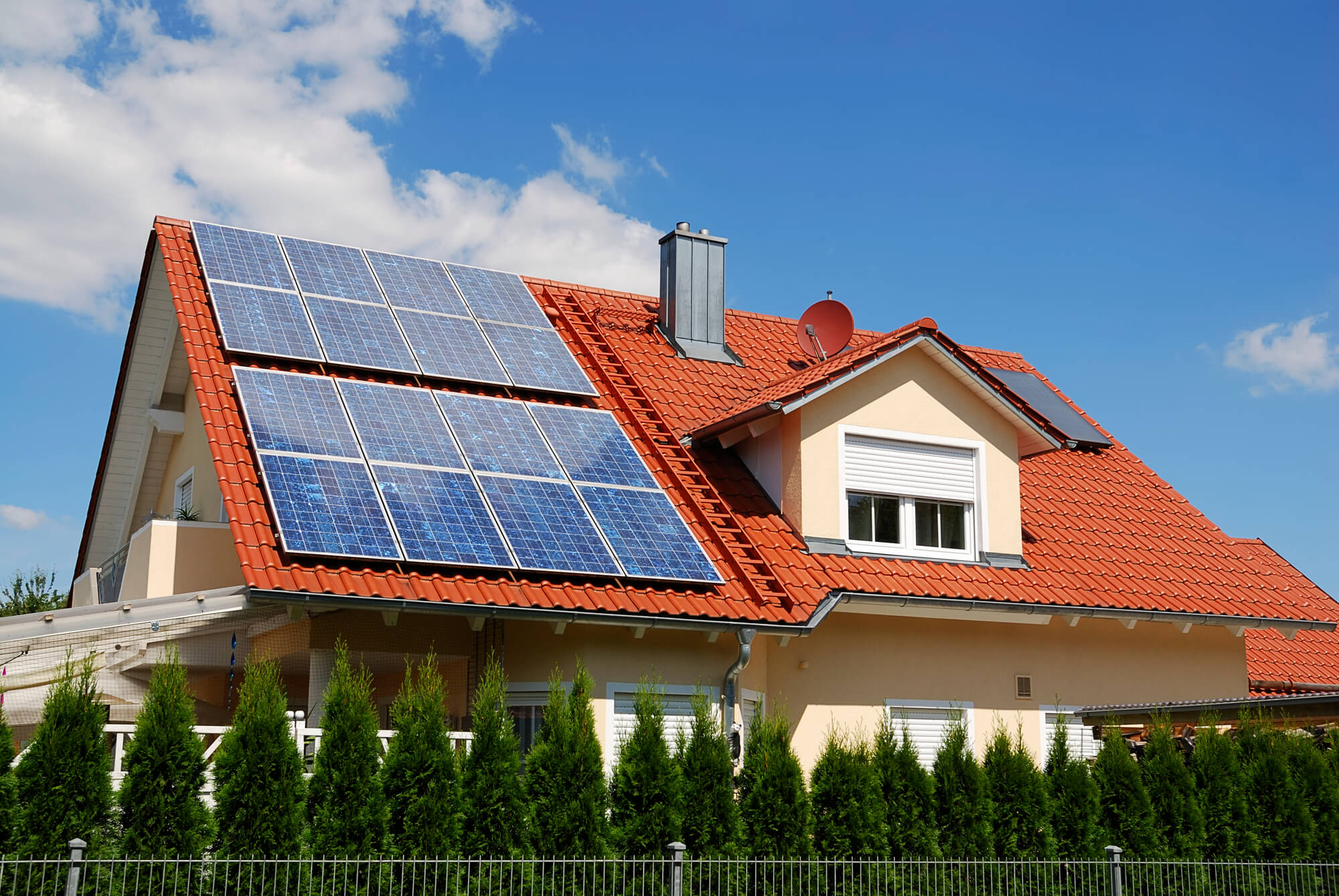
Conventional residential solar panels are roughly 17.5 square feet (77.5 inches × 39 inches), mounted on aluminum rails bolted to your roof. Most residential installations use 15–25 panels, covering 260–440 square feet of roof—roughly 10%–20% of an average 2,500 square-foot roof footprint. From the ground, a typical system is clearly visible and constitutes a significant visual element.

Panel color varies by manufacturer but typically follows these patterns: black frames with dark blue or black backsheets are most common, giving a cohesive dark appearance. Some panels have white backsheets or frames, appearing lighter. Bifacial panels (with blue and white dual coloring) are visually busier. All-black panels (black frame, black backsheet, minimal visible hardware) are often considered the most aesthetically integrated option.

Viewing angle matters: From the street, panels on a roof pitched away from the road are less visible than those facing the street. Panels on a south-facing roof (in the Northern Hemisphere) are less prominent from the north side of the house than panels on a north-facing roof. Strategic panel placement can reduce visual prominence significantly.

Roof Color and Orientation: The Foundation of Aesthetics

Your roof color is the primary factor determining whether solar panels blend or stand out. This relationship is critical for aesthetics:

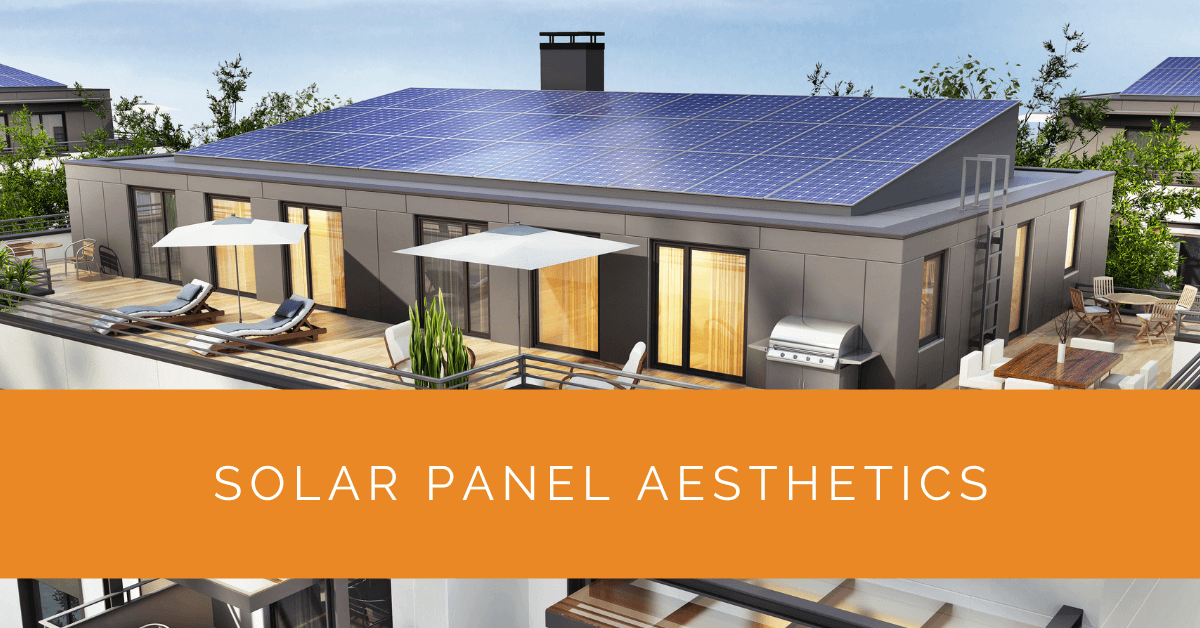
Dark roofs (black, dark gray, dark brown): Black or dark panels on dark roofs are nearly invisible from a distance. This is the most aesthetically favorable scenario. If you have a dark roof and are considering solar, black panels are the obvious choice.

Light roofs (light gray, tan, light brown, white): Dark solar panels create stark contrast against light-colored roofs, making them visually prominent. If you have a light roof, you face a choice: accept visual contrast or consider lighter-colored panels (if available, typically at higher cost) or alternative mounting strategies.

Roof pitch and direction: Steeper pitches make panels more visible from ground level. A 45° pitch roof with south-facing panels is more visually prominent than a 20° pitch roof with the same orientation. If you’re concerned about aesthetics, discuss panel placement with your installer to identify less-visible roof sections (e.g., panels on a rear-facing, lower-pitch section of the roof are less visible from the street).

Modern Panel Design Options for Minimized Visual Impact

All-black panels: Panels with black frames, black backsheets, and minimized visible hardware blend better into dark roofs and appear more integrated. They cost 5%–10% more than standard panels but deliver superior aesthetics. Popular brands: SunPower, Enphase (IQ panels), REC Alpha.

Frameless or thin-frame panels: Some newer panels use minimal aluminum framing or hidden mounting points, reducing the visual “grid” appearance. These are marginally more expensive and marginally more vulnerable to mechanical stress, but some homeowners find them more attractive.

Transparent or semi-transparent panels: Perovskite and other emerging panel technologies promise partial transparency, potentially enabling solar awnings, skylights, or roofing materials that generate power while allowing light through. These are mostly in pilot or early commercial stages (as of 2026) and are not yet widely available for residential installations, but they represent the future of integrated-design solar.

Colored backsheets (custom colors): A few manufacturers (notably SunPower) now offer panels with custom backsheet colors (e.g., white, bronze, copper) that can match certain architectural styles or roof colors. These are premium products with 10%–20% cost premiums but deliver dramatically improved aesthetics for light-colored homes.

Integrated Solar Solutions: Beyond Traditional Rooftop Mounting

If rooftop panels don’t align with your aesthetic vision, alternative mounting options exist:

Ground-mounted solar: Panels installed on the ground in a backyard or side yard are completely hidden from street view on homes with adequate land. Ground mounts often track the sun (increasing production 20%–30%), and can be designed with attractive landscaping around them. Cost premium over roof mounting: 20%–40%. Requires flat or gently sloped land free from shading.

Solar pergolas and carports: Panels integrated into a pergola structure (creating attractive shade over a patio) or built into a carport provide power while serving functional purposes. These are highly visible but can be architecturally attractive, depending on design. Cost: $15,000–$30,000 for a 4–5 kW system, higher than traditional roof mounts but comparable to ground mounts when you account for the structure they replace.

Solar roofing tiles and shingles: Tesla Solar Roof and Sunrun’s products blend solar directly into the roofing material itself, eliminating the “bolted-on” appearance. These are attractive, but they cost $3.50–$5.00 per watt (vs. $2.20–$3.00 for traditional panels), require specialized installation, and typically require a complete roof replacement. Efficiency is also lower than traditional panels due to the integrated design. Payback is 15–20 years, compared to 8–12 years for traditional solar.

Facade or wall-mounted panels: Panels can be mounted on building facades, awnings, or walls, though this is unusual for residential properties due to lower production angles and structural complexity. It’s worth exploring if your roof is unsuitable and aesthetics are a primary concern.

Neighborhood Aesthetics and Homeowners Associations

Many homeowners associations (HOAs) have historically restricted solar installation, citing aesthetic concerns. However, federal law (Solar Rights Acts in most U.S. states) prohibits HOAs from denying reasonable solar systems. What “reasonable” means varies, but the legal bar is high for HOAs to block standard installations.

Navigating HOA restrictions: If your HOA has design guidelines, engage early with the design committee. Propose all-black panels, ground mounts, or integrated solutions if feasible. Many HOAs are becoming more supportive of solar due to climate concerns and resident demand. Some HOAs even offer incentives for solar adoption.

Neighborhood context: Interestingly, solar adoption in a neighborhood can shift norms. Once a few homes install solar, additional installations often follow, and the visual landscape normalizes. Some neighborhoods that initially resisted solar now view it as a sign of environmental values and have relaxed restrictions.

Psychological and Resale Considerations

Personal satisfaction: Many homeowners report initial aesthetic concerns that fade within months of installation. Once the system is operating and generating savings, the visual aspect becomes secondary to the functional and financial benefits. Your own satisfaction with your home and its energy systems matters most.

Resale value: Studies (notably from NREL and UC Berkeley) show that homes with solar sell for $4 per watt of system capacity more than comparable homes without solar, on average. For a 7 kW system, this translates to a $28,000 premium. Aesthetics play a role: all-black panels and integrated designs command slight premiums over less-attractive installations, but the baseline solar premium dominates.

Buyer perception: Modern home buyers, particularly younger demographics, view solar as a positive feature. The aesthetic concern that existed 10 years ago has largely evaporated as solar has become more common. Buyers care more about system performance and warranty than appearance.

Cost-Benefit of Aesthetic Enhancements

All-black panels: 5%–10% cost premium. Worth considering if you have a dark roof and aesthetic is important. Minimal performance difference.

Ground-mounted systems: 20%–40% cost premium over roof mounts. Worth considering if you have suitable land, want to hide roof presence, and prioritize aesthetic integration. Production gains from tracking can offset some additional cost.

Solar roofing tiles (Tesla Solar Roof): 50%–100% cost premium over traditional panels (when total installed cost is calculated). Worth considering only if you need a roof replacement anyway, value the integrated aesthetic highly, and can accept longer payback periods (15–20 years).

Carport or pergola mounting: Similar cost to ground mounts. Worth considering if you can integrate solar into a structure you want to build for functional reasons (shade, vehicle protection). Production gain potential (optimized angle) and functional benefit (shade, parking) offset premium cost.

Maximizing Aesthetics Within Traditional Roof Mounting

If rooftop mounting is your only option, these strategies minimize visual impact:

Use all-black panels if budget allows. The 5%–10% cost premium is the cheapest way to improve aesthetics.

Mount panels on rear or side-facing roof sections. Discuss with your installer which roof faces are visible from the street. Prioritize less-visible sections for panels. You may need to sacrifice some production (suboptimal tilt angles) for aesthetics; a professional can quantify this trade-off.

Minimize rail and hardware visibility. Use sleek mounting rails and hardware that blend with the panels, avoiding bulky or shiny brackets that draw attention.

Match your roof color. If possible, choose panel backsheet colors or frames that complement your roof. This requires coordination with your installer during design.

Stagger panel placement. Rather than a solid block of panels, staggering them slightly creates visual rhythm and can appear more intentional and designed. This is a subtle technique but can improve appearance.

Future of Solar Aesthetics: Emerging Technologies

The solar industry is investing heavily in aesthetic integration. Upcoming developments include:

Perovskite solar: Lighter, potentially transparent solar materials could enable solar windows, awnings, and skylights that generate power while allowing views and light.

Building-integrated photovoltaics (BIPV): Solar integrated into facades, canopies, and building structures. Early examples exist in commercial buildings; residential applications are emerging.

Smart tinting solar: Electrochromic (smart-tinting) solar could adjust opacity based on weather and time of day, controlling heat gain while generating power.

Custom color options: As manufacturing scales, custom-colored backsheets (bronze, copper, white) will become more affordable, allowing better aesthetic matching.

These technologies remain 3–5 years from mainstream adoption for residential use, but they’re worth monitoring if aesthetics are a top priority for your decision-making.

Frequently Asked Questions

Do solar panels make a house look worse?

This is subjective and highly dependent on context. Panels on dark-colored roofs blend well and are often aesthetically neutral or positive. On light-colored roofs, dark panels create contrast that some homeowners view as negative. However, studies show solar adds resale value (~$4/watt), suggesting most buyers view solar positively. Personal aesthetic concerns often fade after installation as homeowners focus on financial benefits.

What’s the most aesthetically attractive solar option?

All-black panels on dark roofs are nearly invisible and widely considered most attractive. For light-colored homes, ground mounts or solar carports/pergolas offer excellent aesthetics by hiding rooftop presence while serving functional purposes. Tesla Solar Roof offers seamless integration but is expensive (50%–100% cost premium) and best suited to homes needing roof replacement.

Can an HOA prevent me from installing solar?

Federal law (Solar Rights Acts in most states) limits HOA authority to restrict reasonable solar systems. HOAs can require design compliance (e.g., black panels, ground mounts, specific orientations) but cannot effectively block solar. Engage early with your HOA design committee and propose aesthetically integrated solutions if guidelines are restrictive.

Will solar panels hurt my home’s resale value?

No, the opposite. Homes with solar sell for an average of $4 per watt more than comparable homes without solar, totaling $28,000 on a 7 kW system. This premium reflects buyer demand for solar and the long-term bill savings it provides. Aesthetics play a minor role; system performance and warranty matter more to buyers.

Are there invisible or transparent solar panels available?

Not yet for residential use. Perovskite and transparent solar technologies are in development and could enable solar windows and skylights in the next 3–5 years. For now, ground mounts and integrated carports are the best way to hide rooftop presence, while all-black roof-mounted panels are the most subtle rooftop option.

Summing Up

Solar panel aesthetics are a legitimate consideration, but they’re far from deal-breakers for most homeowners. Dark panels on dark roofs are virtually invisible. Light-colored homes can use all-black panels, ground mounts, or integrated carports to minimize visual impact. Most importantly, solar adds ~$4 per watt to home resale value, meaning aesthetic concerns have minimal economic impact. As solar becomes ubiquitous, neighborhood norms are shifting to view it positively. If aesthetics are your primary concern, discuss design options with your installer; modern solar offers far more flexibility than systems of a decade ago.

Ready to explore solar options that match your aesthetic preferences? Call (855) 427-0058 for a design consultation.


Updated